China's JCET Invests 7.8 Billion Yuan in 2026 to Expand AI Advanced Packaging, Solidifying Its Global Third-Place Position
en.Wedoany.com Reported - The global semiconductor packaging and testing industry is at the forefront of an industrial transformation ignited by AI computing power. Advanced packaging is no longer just a supporting link in the supply chain but a key lever for breakthroughs in chip performance. As the world's third-largest and China's leading packaging and testing provider, JCET has completed a deep transformation from a traditional packaging and testing manufacturer to a core service provider for AI advanced packaging, leveraging its comprehensive technology matrix, continuously increased investment, optimized business structure, and global layout.
From the signing of the 7.8 billion yuan Lingang high-end packaging factory to the mass production of its self-developed XDFOI platform, and to JPMorgan significantly raising its target price, a series of signals confirm that this company, firmly positioned among the global top three, is resolutely advancing the high-end development of advanced packaging and the advancement of mainstream packaging, building a unique comprehensive advantage.
Amid Industry Resonance, the Global Third-Place Leader Accelerates Capacity Expansion
Data shows that in 2025, the global outsourced semiconductor assembly and test (OSAT) market reached a record high of 333.2 billion yuan. The Matthew effect in the industry continues to strengthen, with the combined market share of the top three global OSATs exceeding 52%. JCET firmly holds the third position globally and first in China with a 12.2% share, trailing only ASE and Amkor.
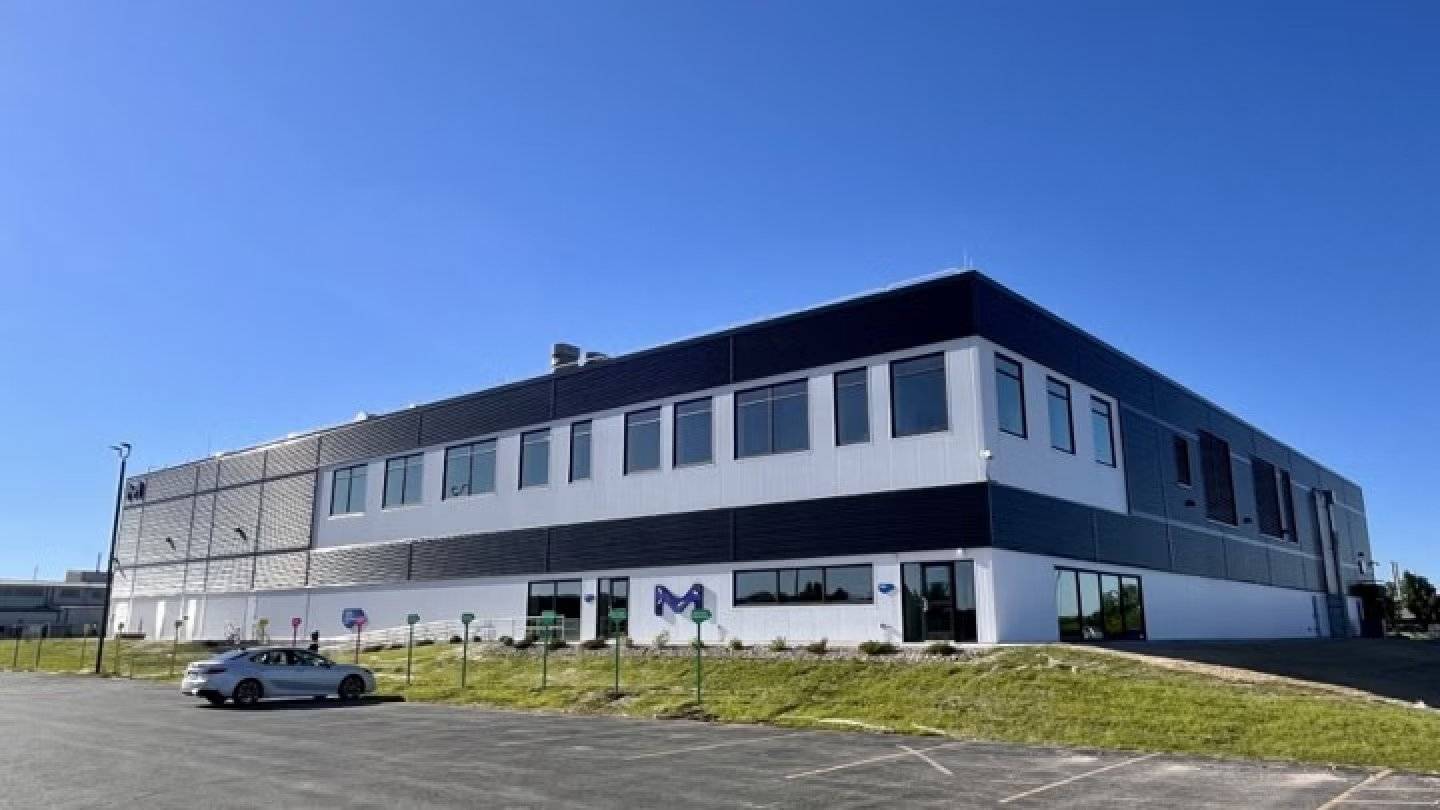
In 2026, the packaging and testing industry has entered a new cycle of capital expenditure expansion. Leading companies have unveiled record investment plans, triggering a full-scale competition for high-end advanced packaging capacity. JCET seized the opportunity in Shanghai's Lingang area. On June 24, it announced the establishment of a controlled subsidiary to build a high-end packaging and testing factory in the "Oriental Chip Port" Wanxiang Industrial Park. The total project investment is 7.8 billion yuan, to be carried out in two phases—Phase I is planned for production in the second half of 2028, while Phase II will expand capacity dynamically based on market and process developments.
JCET previously disclosed that its total fixed asset investment budget for 2026 is approximately 10 billion yuan, a significant increase from 8.5 billion yuan in 2025, with a focus on advanced packaging process R&D and high-end capacity expansion. Facing industry opportunities, JCET's total fixed asset investment for the year is likely to exceed this level, prioritizing AI computing chips, high-performance processors, and automotive-grade chips, targeting the two strategic tracks of computing and automotive electronics. Previously, JCET Microelectronics commenced production in Jiangyin, and the automotive-grade packaging and testing plant in Lingang also started operations, advancing certifications with multiple domestic and international customers, laying the groundwork for future new factories.
Expansion of existing capacity is also accelerating. On June 1, a new high-density 3D system integration high-end manufacturing facility at the Jiangyin Chengdong base was inaugurated, equipped with a 7,000-square-meter high-standard cleanroom, focusing on system-in-package for AI computing center power modules. Its self-developed 3D system-in-package technology enables vertical integration of multiple chips, optimizing heat dissipation and energy efficiency, directly addressing the high power consumption and high-density interconnection challenges of AI power modules.
Globally, JCET has established eight production bases, 11 factories, and over 20 service organizations covering China, South Korea, and Singapore, forming a transnational delivery network. Domestically, its facilities in Jiangyin, Suqian, Chuzhou, and Shanghai have clear divisions of labor, encompassing mainstream packaging lines, advanced packaging lines, and dedicated automotive electronics lines. Overseas bases possess mature global supporting and local service capabilities.
While large capital expenditures will bring short-term depreciation and amortization pressure, the industry generally believes that this round of high-end capacity layout will build a growth moat for the next 3-5 years. Against the backdrop of persistent global shortages in advanced packaging capacity and surging demand from data centers, ample capacity reserves will help the company deeply engage with top-tier customers and fully benefit from the industry's cyclical prosperity.
Deep Technological Moat, Self-Developed Platform Covers All AI Scenarios
The confidence for large-scale investment stems from the technological depth built through long-term cultivation. In 2025, JCET's R&D investment reached 2.086 billion yuan, a year-on-year increase of 21.37%. From 2021 to 2025, R&D expenses grew from 1.19 billion yuan to 2.09 billion yuan, a compound annual growth rate of 15.1%. As of the end of 2025, it held over 3,100 patents, including more than 2,600 invention patents, forming a comprehensive patent system around cutting-edge fields such as 2.5D/3D packaging, high-density fan-out, optoelectronic co-packaging, and third-generation semiconductor power packaging.
Unlike some packaging and testing vendors, JCET's comprehensive packaging and testing technology is fully aligned with the demands of the AI trend: Under the wave of AI data center construction, there will be comprehensive needs for computing, storage, connectivity, and power management. JCET's various factories, including JCET Microelectronics, JCET Advanced, JCET Jiangyin, JCET STATS ChipPAC (Jiangyin), and Shengdie Semiconductor, can respectively address the full spectrum of needs for computing power, storage, bumps, large flip-chip, power modules, and power devices. This comprehensive capability perfectly matches the entire chain of AI data center construction needs, positioning the company to capture more new industry opportunities.
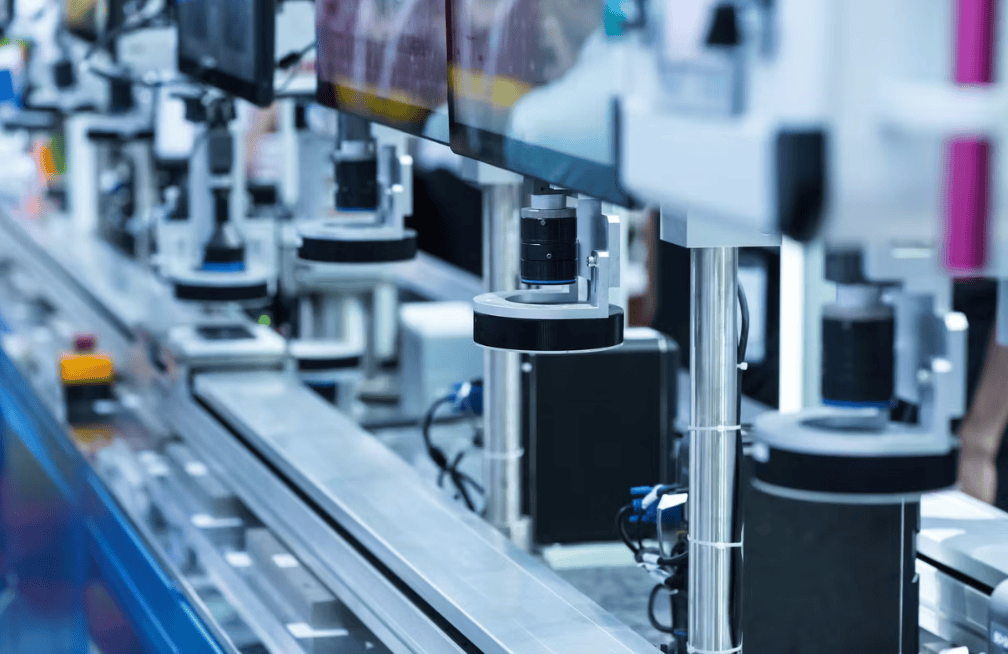
For example, in the core AI computing track, JCET's XDFOI® series of high-end advanced packaging platforms has achieved full mass production, making it one of the few domestic companies in China capable of offering high-density heterogeneous integration solutions comparable to international leaders. This platform provides three technical routes: silicon interposer, silicon bridge, and organic RDL interposer, covering diverse needs such as AI GPUs, high-density memory, and high-performance ASIC chips.
Leveraging its leading technology, the company has built a multi-layered growth curve: High-performance computing packaging offers one-stop solutions for intelligent computing centers, with its large-size FCBGA process continuously securing orders from global AI leaders. CPO optoelectronic co-packaging aligns with the trend of optical communication and computing convergence, with self-developed silicon photonic engine samples completing customer verification. Third-generation semiconductor power packaging has achieved mass production of 2.5D vertical power modules and expanded into high-voltage energy storage and automotive electric drives. Concurrently, it continuously strengthens capabilities in supporting areas such as thermal management, reliability verification, and failure analysis, providing full-process support for large-scale system-level integration.
Memory packaging, as a stable foundation, boasts over two decades of experience in flash memory packaging, mastering core processes like 32-layer stacking, 25μm ultra-thin processing, and hybrid heterogeneous stacking. Long-term cooperation with the world's three major memory giants continues to generate stable cash flow. In the automotive electronics sector, revenue in the first quarter of 2026 grew by 28.8% year-on-year, with technology and capacity consistently translating into performance.
Continuous Structural Optimization, High-End Business Drives Performance and Valuation Uplift
The AI wave has triggered an explosion in demand for advanced packaging. JCET has proactively scaled back low-margin traditional businesses, shifting towards high-value-added tracks. The results of this structural optimization are fully reflected in revenue, production, sales, and profits.
In 2025, the company's full-year revenue reached 38.871 billion yuan, an increase of 8.09% year-on-year, hitting a record high. Advanced packaging revenue reached 27 billion yuan, accounting for 69.5% of total revenue, becoming the absolute main driver. Production and sales data are even more telling: Advanced packaging product output was 18.276 billion units, and sales were 18.019 billion units, growing 13.72% and 14% year-on-year respectively, compared to 5.33% and 7.80% growth for traditional packaging, clearly indicating a shift in growth momentum. By segment, computing electronics revenue surged 42.6% year-on-year, industrial and medical electronics grew 40.6%, and automotive electronics grew 31.7%. The share of communications and consumer electronics continued to shrink, reflecting the company's proactive reduction of cyclical business weight and enhanced risk resilience.
The first-quarter 2026 report further confirms the structural dividend: Revenue was 9.171 billion yuan, net profit attributable to the parent company was 290 million yuan, a significant year-on-year increase of 42.74%, and overall gross margin improved to 14.55%. Despite slight fluctuations in revenue, the concurrent rise in profit and gross margin is precisely the result of an increased share of high-margin advanced packaging. The testing business also grew, with testing product output and sales both increasing over 11% in 2025. The "packaging + testing" one-stop delivery model enhances customer stickiness and per-customer revenue scale.
The strong fundamentals have generated positive feedback in the secondary market. Since May 2026, JCET's stock price has risen rapidly, driven by market consensus on industry prosperity, capacity expansion, and performance delivery. JPMorgan upgraded its rating from "Neutral" to "Overweight," significantly raising its target price from 45 yuan to 110 yuan, noting that the market had previously only viewed the company as a traditional packaging and testing foundry, overlooking its advanced packaging technology and mass production advantages. A concurrent research report from Citi also emphasized that the packaging and testing industry has transformed from a cyclical foundry business into a core enabler of chip performance breakthroughs, with its valuation system undergoing a reshaping.
The high-value-added business cluster has achieved economies of scale, with the combined revenue share of the three high-growth segments—computing, automotive, and industrial—exceeding 45%. As new high-end production lines in Lingang and Jiangyin continue to ramp up, the proportion of high-margin business will continue to rise, opening up the ceiling for profitability.
Industrial Clustering Emerges, Leading Platform Drives Upgrading of China's Chip Industry Chain
With the combined effects of large-scale investment, long-term R&D, and global customer resources, JCET is fostering an industrial cluster effect for domestic high-end advanced packaging. Top-tier chip customers increasingly prefer leading platforms with stable mass delivery capabilities and full-process solutions. Leveraging its unique domestic scale in advanced packaging mass production, JCET continues to undertake mass production demands from AI, memory, and automotive chip leaders.
Compared to the two overseas giants, JCET possesses unique localization advantages in China—it can deeply match the rapid iteration needs of domestic AI and automotive chip companies, shortening new product verification cycles, while also leveraging its global bases to secure overseas orders, creating a dual domestic and international circulation channel. Currently, global packaging and testing capacity utilization remains high at 80%-85%, with advanced packaging lines consistently running at full capacity. The supply-demand gap is unlikely to be filled in the short term. JCET's pre-emptive capacity expansion will fully capture the market demand expected to be released over the next 2-3 years.
Looking to the medium and long term, the company's strategy is clear: Focus on advanced packaging as the main line, improve operational efficiency of high-end production lines, concentrate on core markets like high-performance computing, high-density storage, and intelligent vehicles, and continuously increase R&D efforts and capacity investment. In the short term, the production launch and ramp-up pace of the new Lingang and Jiangyin plants will determine the speed of performance delivery. In the medium to long term, tracks like XDFOI, CPO optoelectronic co-packaging, and third-generation semiconductor power packaging will continue to release momentum, driving the company's ascent from the world's third-largest packaging and testing provider to a globally leading heterogeneous integration platform.
From a packaging and testing foundry to a core service provider for AI advanced packaging, from a domestic leader to a globally competitive semiconductor microsystem integration platform—JCET's growth epitomizes the upgrading of China's domestic packaging and testing industry. Being firmly positioned as the global third is just the starting point. Deep self-developed barriers, forward-looking capacity layout, continuously optimized business structure, and a globally interconnected network collectively forge this "extraordinary" Chinese packaging and testing leader. Amid the era of rapid global AI computing power industry expansion, JCET will continue to play a leading role, solidifying the crucial packaging and testing manufacturing foundation for the autonomy and high-end development of China's chip industry.
Related Products



TWP16 P-Band Tropospheric Wind Profile Radar
China Huayun Meteorological Technology Group Co., Ltd.
MUX Series Communication Interface Device for Security and Stability Control System
Nanjing NR Electric Co., Ltd.
Multi-function Marine Monitoring Low-altitude Detection Radar Sea-air Boundary Ocean Dynamic Environment Measurement
Chengdu Dixin Technology Co., Ltd.
GYTA Type Non-Self-Supporting Aerial/Duct Optical Cable
TONGDING INTERCONNECTION INFORMATION CO., LTD.

G.652.D Wavelength-extended Non-dispersion Shifted Single-mode Optical Fiber
HONGAN GROUP CO., LTD.

Automatic Aiming Laser Remote Obstacle Removal Robot
Pinggao Group Weihai High-Voltage Apparatus Co., Ltd.
Hot Selling 10 Inch Intel N5100 I5 I7 FHD 8 +128GB 16+256GB Win10 Pro Win11 Pro 4G 5G Rugged Tablet PC Pad with NFC Barcode
Highton Electronics Co., Ltd.