From Factories to Data Centers: How Electrical Assemblies Are Adapting to Critical Load Growth
en.Wedoany.com Reported - Manufacturing automation, data center expansion, electric vehicle charging and renewable energy development are increasing electrical load density across many critical facilities. Electrical assemblies are no longer expected only to distribute power. They must also support continuous operation, rapid fault isolation, flexible expansion and detailed energy management.
High and Low Voltage Electrical Assemblies connect utility supplies, transformers, local generation and end-use equipment. Their design must therefore reflect the operating characteristics of the facility rather than follow a generic configuration.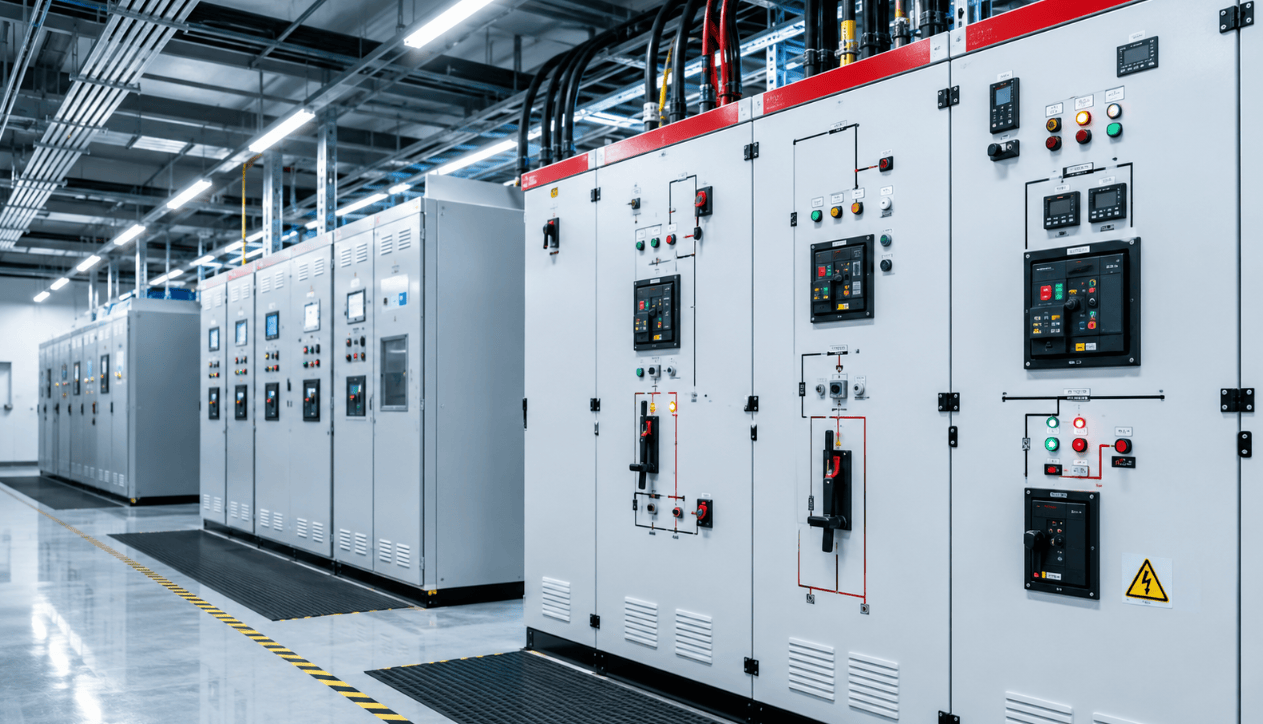
In a conventional factory, electrical distribution is commonly divided according to workshops and production areas. A medium-voltage incoming supply feeds transformers, while low-voltage switchboards distribute electricity to production lines, motor control centers, utility equipment and lighting systems. As factories adopt more robots, variable-speed drives and precision electronic equipment, the range of electrical load characteristics becomes more complex.
Modern industrial loads are not limited to continuously operating induction motors. Variable-frequency drives, rectifiers and switched-mode power supplies can influence harmonics, voltage quality and protection performance. Some production equipment also creates high starting currents or rapidly changing demand. Short-circuit capacity, power factor, harmonics, load diversity and protection coordination must all be evaluated.
Data centers impose even stricter continuity requirements. Servers, network systems, cooling equipment and uninterruptible power supplies operate continuously, and even short interruptions may affect digital services. Multiple power sources, sectionalized busbars, automatic transfer arrangements, redundant distribution paths and layered monitoring are therefore commonly considered in data center electrical design.
In these facilities, reliability depends on more than the circuit breaker itself. The complete architecture must maintain critical loads during maintenance and localized faults. Engineers need to determine whether loads can be transferred through a bus coupler or standby supply, whether a downstream fault can be isolated without operating the upstream breaker, and how switching equipment behaves if control power is lost.
Electric vehicle charging hubs present another operating pattern. Their total power demand can change rapidly as large numbers of high-power chargers connect and disconnect. Electrical assemblies must provide reliable short-circuit, overload and earth-fault protection while also supporting load management, power allocation and future expansion.
Renewable energy projects are changing conventional distribution arrangements as well. Solar generation, battery storage and standby power may all connect to the same AC or DC system, allowing power to flow in more than one direction. Equipment selection must account for reverse power flow, multiple sources, islanded operation and safe maintenance isolation.
IEC 61439-8:2026 addresses low-voltage switchgear and controlgear assemblies used in photovoltaic installations. Its scope includes enclosed stationary assemblies for combining electrical energy in DC systems with input and output voltages not exceeding 1,500 V DC, together with auxiliary and control supplies not exceeding 1,000 V AC.
The development of application-specific standards demonstrates that electrical assemblies are becoming more closely aligned with new energy technologies. Factory projects may prioritize motor loads, environmental protection and production continuity. Data centers may emphasize redundancy and maintainability. Charging projects may focus on dynamic load growth, while renewable facilities must manage bidirectional power and multiple sources.
A universal assembly design cannot satisfy every application. Project teams should define load types, voltage levels, operating modes, environmental conditions, expansion plans and maintenance strategies before selecting enclosure forms, busbar arrangements, protection devices and monitoring functions. Application-driven engineering is becoming the main requirement for critical power distribution.
Related Products


Rated voltage 3.6/6kV—26/35kV aluminum alloy XLPE insulated power cable
Wuxi Jiangnan Cable Co., Ltd.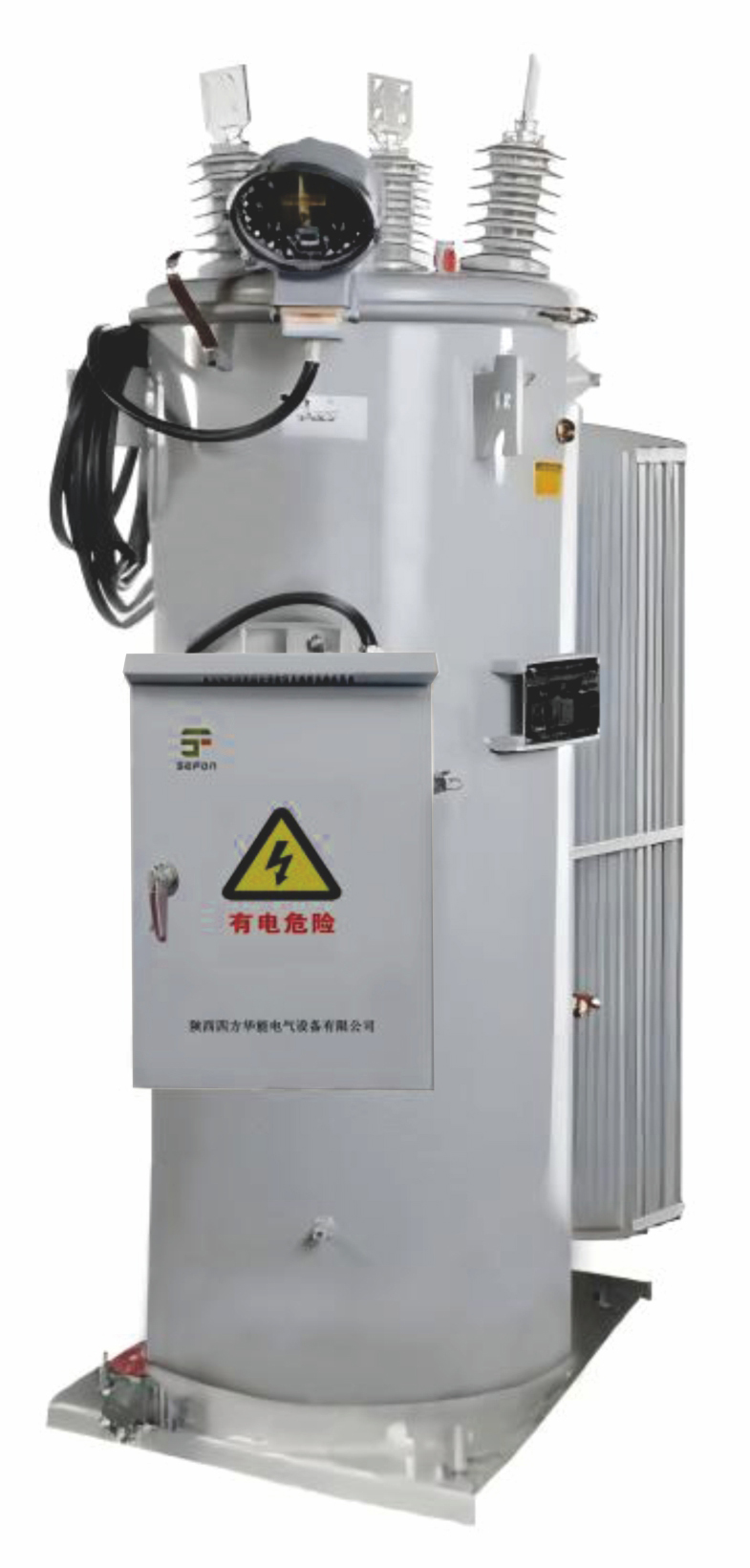
Single-Phase Automatic Voltage Regulator(AVR)
Shaanxi Sefon Electrical Equipment Co.,Ltd.
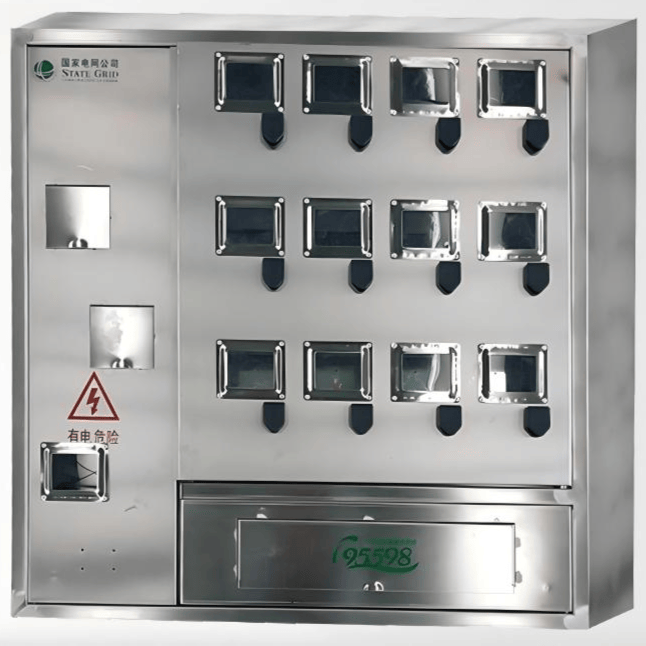
Low-Voltage Electric Energy Metering Box (Metal Stainless Steel)
Anhui Jinma Electric Technology Co., Ltd.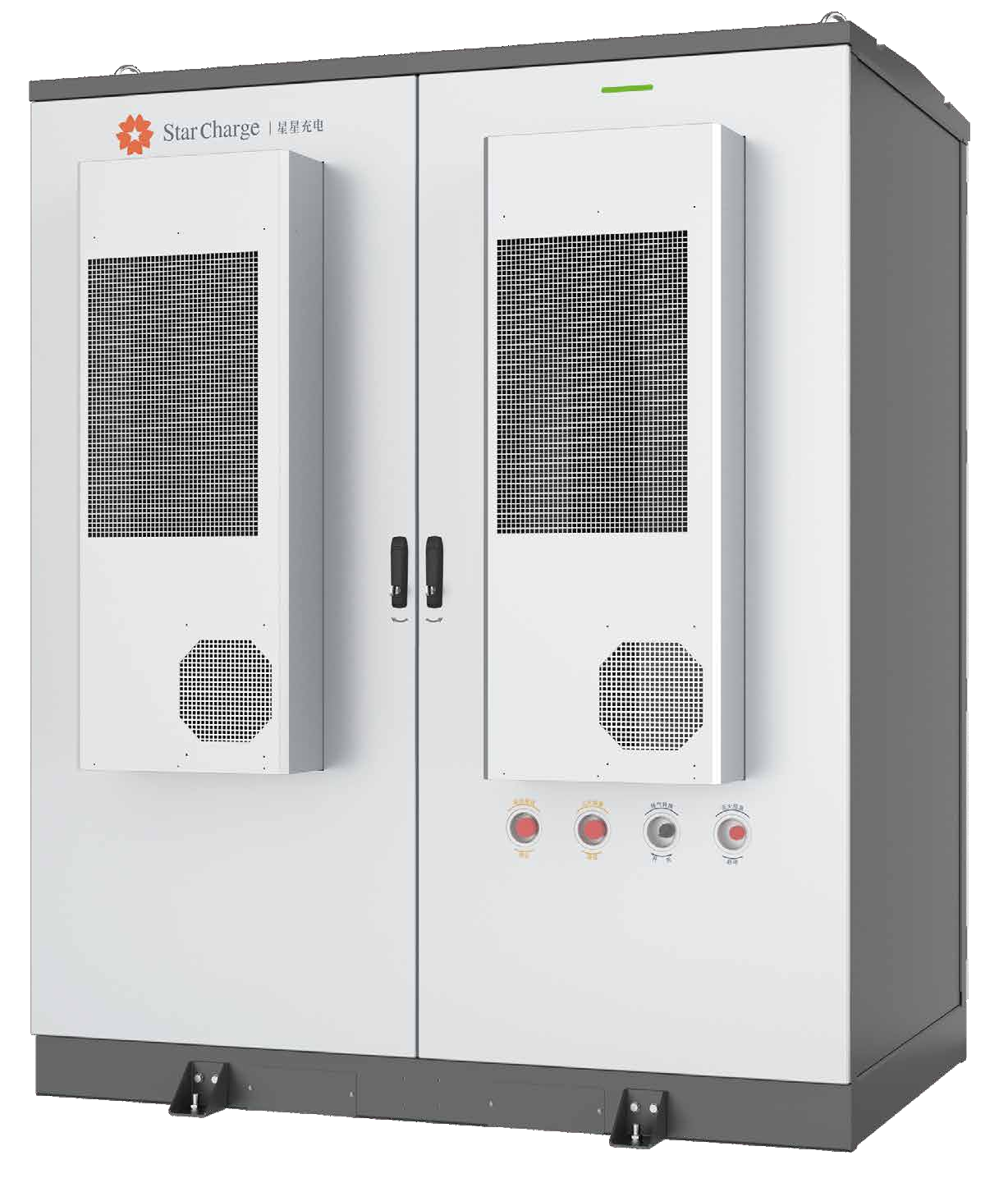
eBox-358 Commercial and Industrial Energy Storage System
Wanbang Digital Energy Co., Ltd.
24kV, 15kV/1250A, 630A Shielded Three(Four)-Way Hard Busbar and Busbar Connector
Beijing Fangyuan Electric Appliance Co., Ltd.
Microcomputer Protection and Substation Automation
Beijing Agent Devote Power Technology Development Co., Ltd.
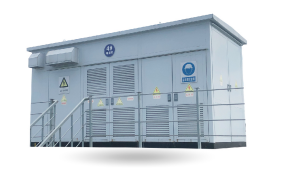
Smart Photovoltaic Prefabricated Substation
Shanghai Jinyou Jinhong Intelligent Electric Co., Ltd.