Energy Transition and Electrification Are Changing the Procurement Logic for Electrical Assemblies
en.Wedoany.com Reported - Energy transition, industrial electrification and digital infrastructure development are expanding the application scope of electrical distribution equipment. Solar plants, battery storage, charging networks, data centers, hydrogen projects and automated factories are creating higher power density, more complex power flows and stricter continuity requirements.
These changes are reshaping the procurement of High and Low Voltage Electrical Assemblies. Traditional purchasing often begins with an equipment list and a price comparison. Suppliers quote according to a single-line diagram, and purchasers compare cabinet quantities, component brands and total cost.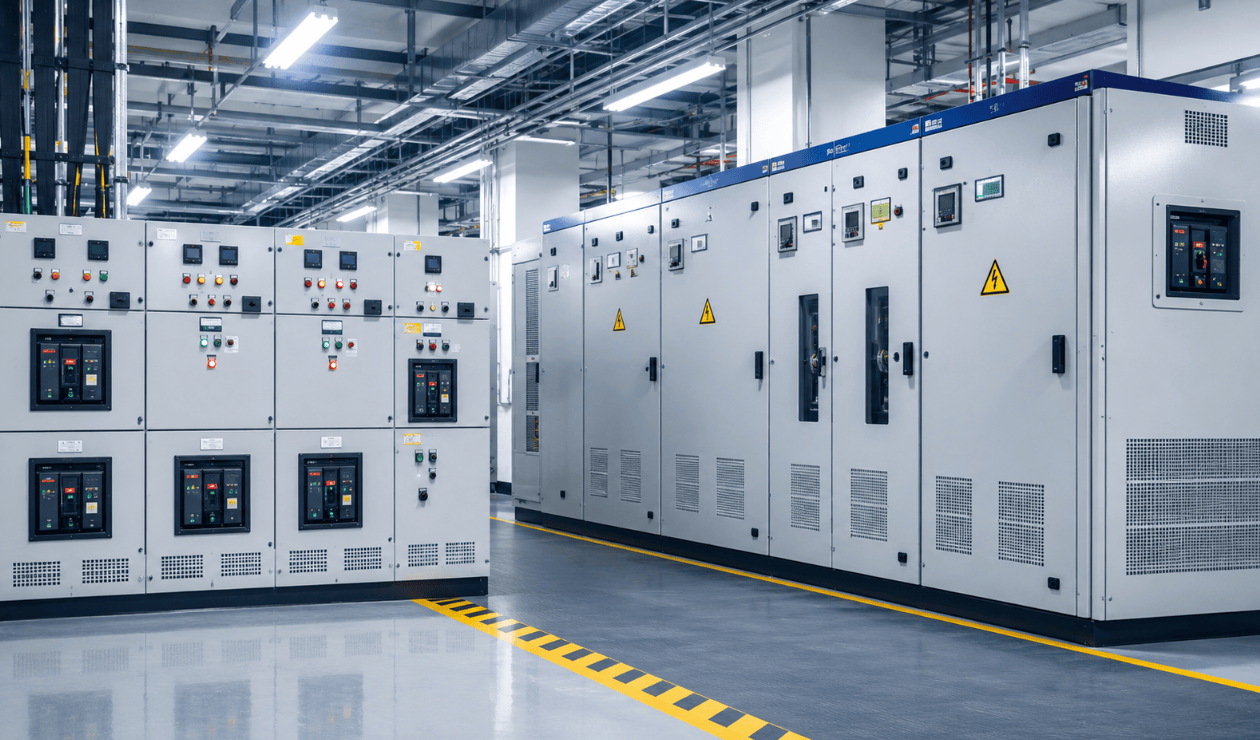
This approach may remain suitable for projects with stable loads and fixed functions, but it is less effective for renewable energy and complex industrial systems. A low initial quotation may overlook system compatibility, future expansion and long-term operating costs.
One major change in renewable energy projects is the direction of power flow. Conventional distribution systems primarily transfer electricity from the upstream grid to downstream loads. Once solar generation, batteries and distributed power sources are connected, some circuits may experience bidirectional power flow.
Directional protection, interrupting capacity, metering arrangements, busbar ratings and maintenance isolation must therefore be reviewed. A design based only on one-way utility supply may not remain suitable after local generation is connected.
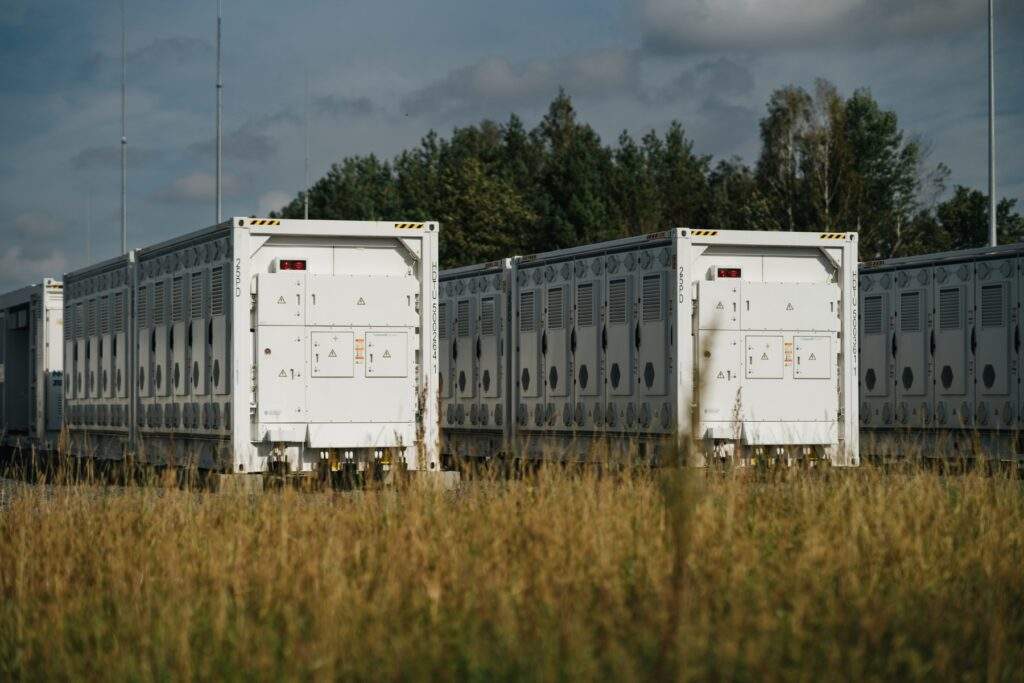
Battery storage also creates high short-duration charging and discharging power. Electrical assemblies must support both battery charging and power delivery from storage to facility loads or the grid. The control characteristics, grid-connection strategy and fault response of the power conversion system can influence AC switchgear selection and protection coordination.
Charging infrastructure presents a different challenge. Charging sites may begin with a limited number of units and expand rapidly as vehicle demand increases. Incoming feeders, busbars and outgoing circuits can reach their design limits quickly. If physical space, busbar capacity and communication interfaces are not reserved, future expansion may require costly replacement.
Industrial electrification is also increasing distribution demand. When fuel-fired or steam-driven processes are replaced with electric heating, electric furnaces, heat pumps and large motors, facility capacity and peak demand may rise substantially. Assemblies must support not only present loads but also future process changes and production-line expansion.
Environmental considerations are beginning to influence lifecycle assessment. IEC TS 62271-320:2025 provides guidance on environmentally conscious design and environmental impact assessment for high-voltage switchgear and controlgear above 1 kV AC and 1.5 kV DC. It also addresses communication of environmental information across the equipment lifecycle.
This development indicates that procurement may gradually expand beyond initial price to include materials, operating losses, maintenance, end-of-life treatment and environmental information. Buyers should therefore move from purchasing a group of cabinets to purchasing a verified electrical distribution function.
Tender documents should define system voltage, short-circuit levels, load characteristics, operating modes, environmental conditions, expansion plans, communication requirements and applicable standards. Supplier evaluation should include design-verification capability, manufacturing quality, documentation and the effect of customized modifications on verified designs.
Post-delivery support is equally important. Electrical assemblies normally remain in service for many years and may require component replacement, expansion, protection upgrades and digital integration. Long-term access to drawings, spare parts, technical assistance and software compatibility directly affects lifecycle cost.
Demand for electrical assemblies will remain supported by renewable energy, electrification and digital development. However, competition will increasingly focus on safety verification, application engineering, digital interfaces and lifecycle services rather than manufacturing price alone.
Related Products

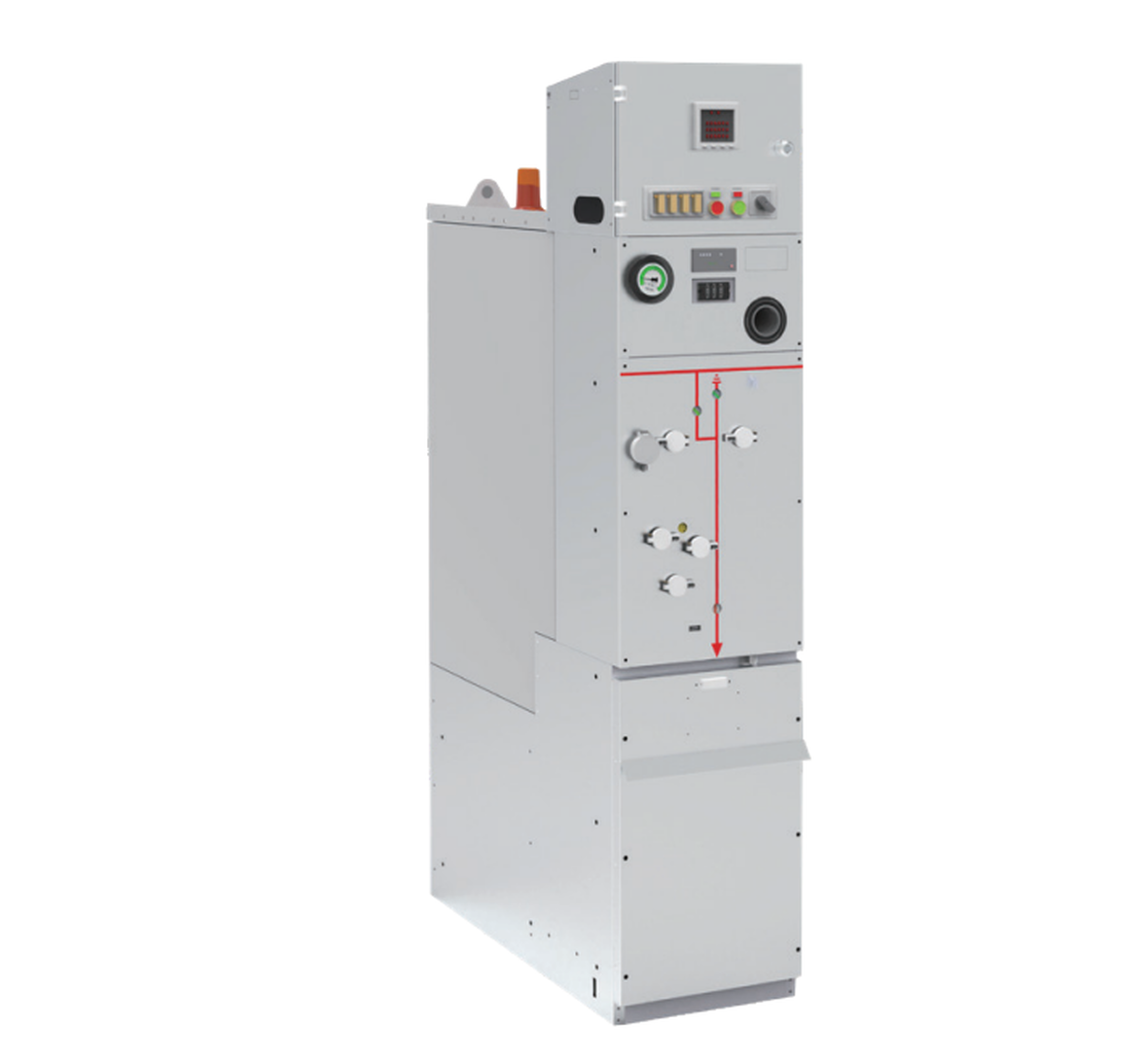
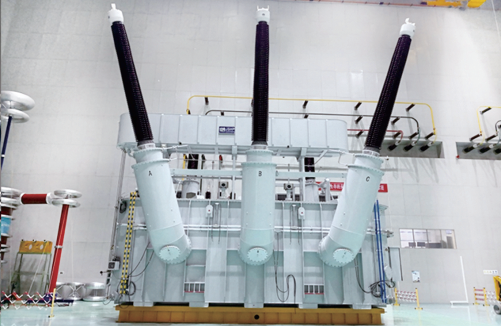
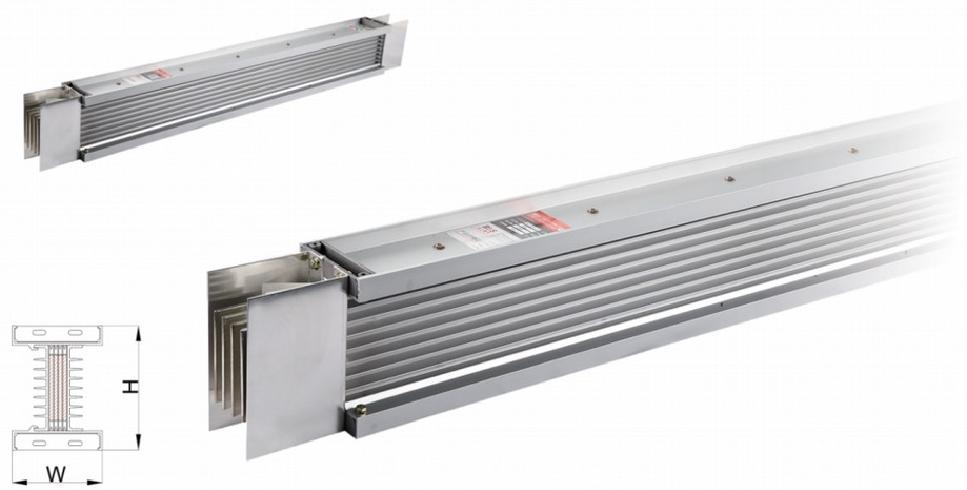
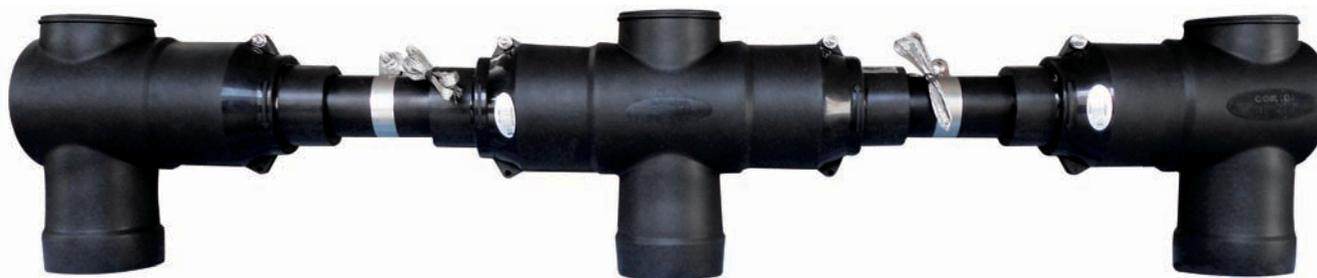
24kV, 15kV/1250A, 630A Shielded Three(Four)-Way Hard Busbar and Busbar Connector
Beijing Fangyuan Electric Appliance Co., Ltd.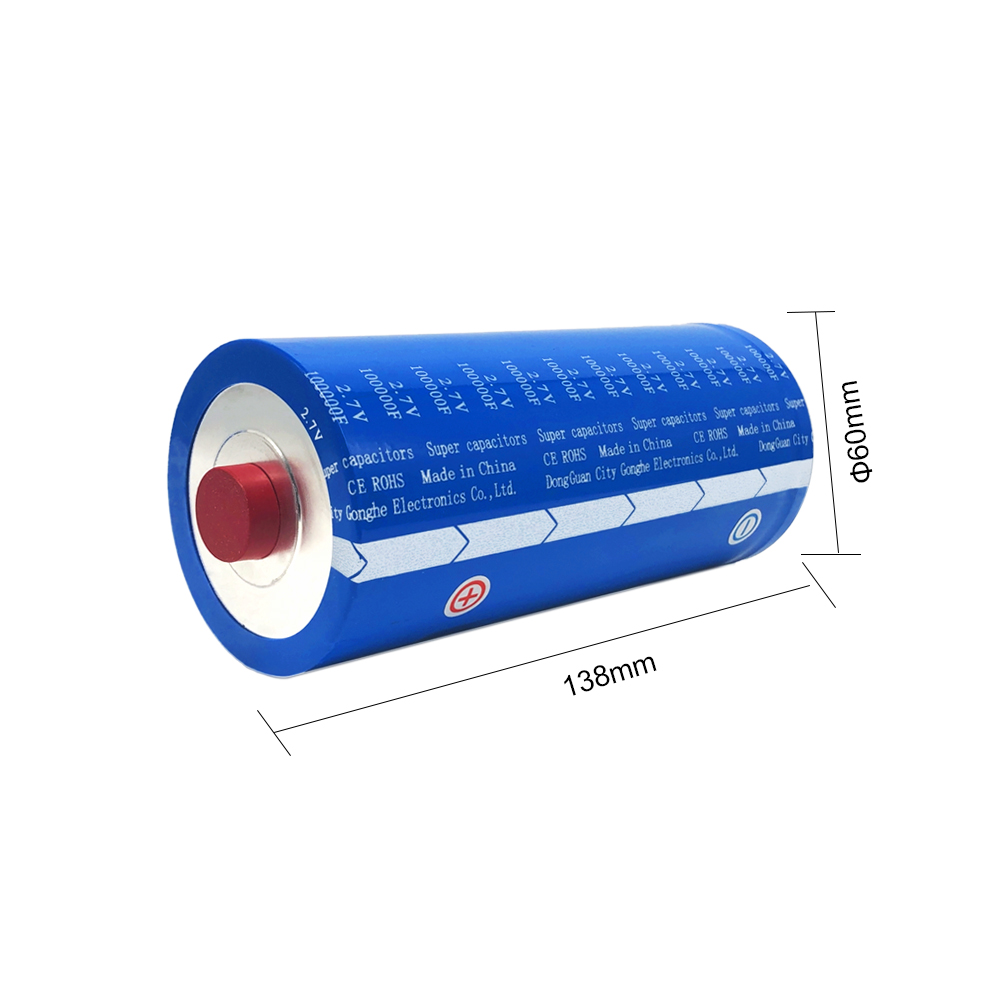
2.7V 100000F (60wh) 60138 high-power energy storage power starting power supply (instantaneous high current), low-temperature discharge, long service life, 100000 times of use
Gonghe Power Co.,LTD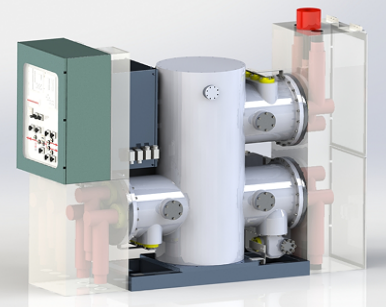
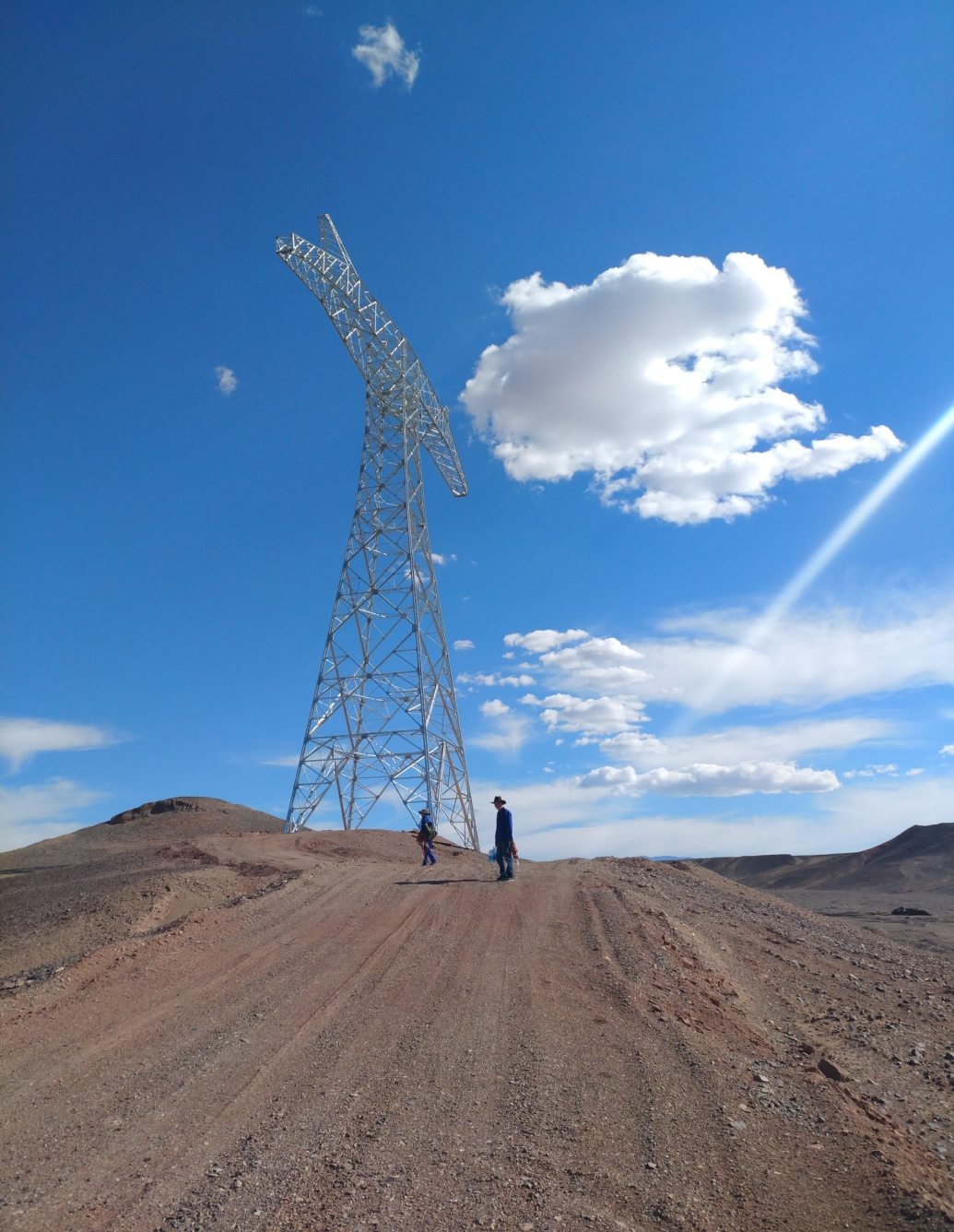
±1100kV ultra-high voltage direct current angle steel tower
Henan Dingli Pole & Tower Co.,Ltd.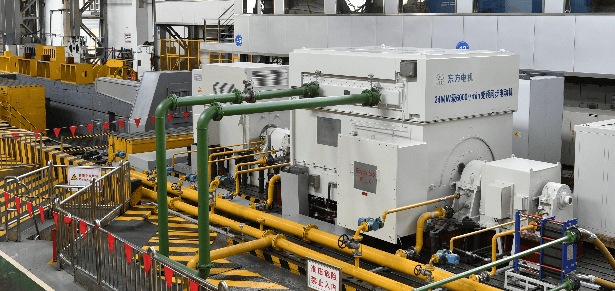
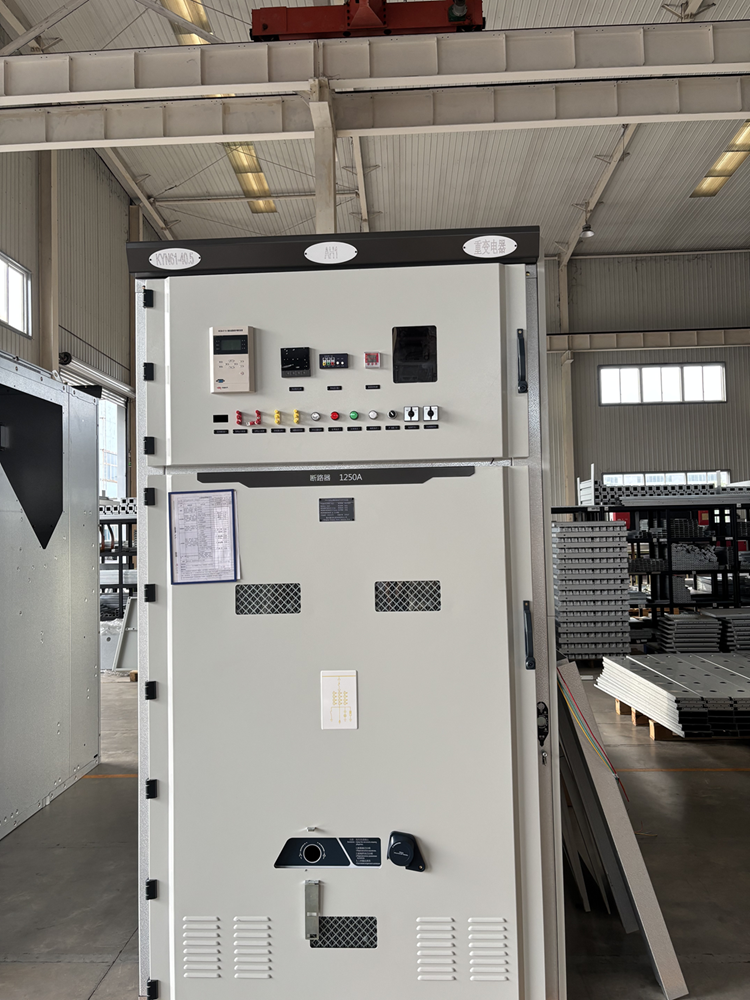
KYN61-40.5 Indoor AC Metal-clad Removable Switchgear
Chongqing Transformer Co., Ltd.