Digital Electrical Assemblies Are Moving Maintenance from Fixed Schedules to Condition-Based Management
en.Wedoany.com Reported - Electrical assembly maintenance has traditionally depended on manual inspection and scheduled shutdowns. Operators observe indication lamps, read meters, listen for unusual sounds and perform temperature checks. These practices can identify visible problems, but they may not detect slowly developing conditions such as loose connections, insulation deterioration, mechanism wear or partial discharge.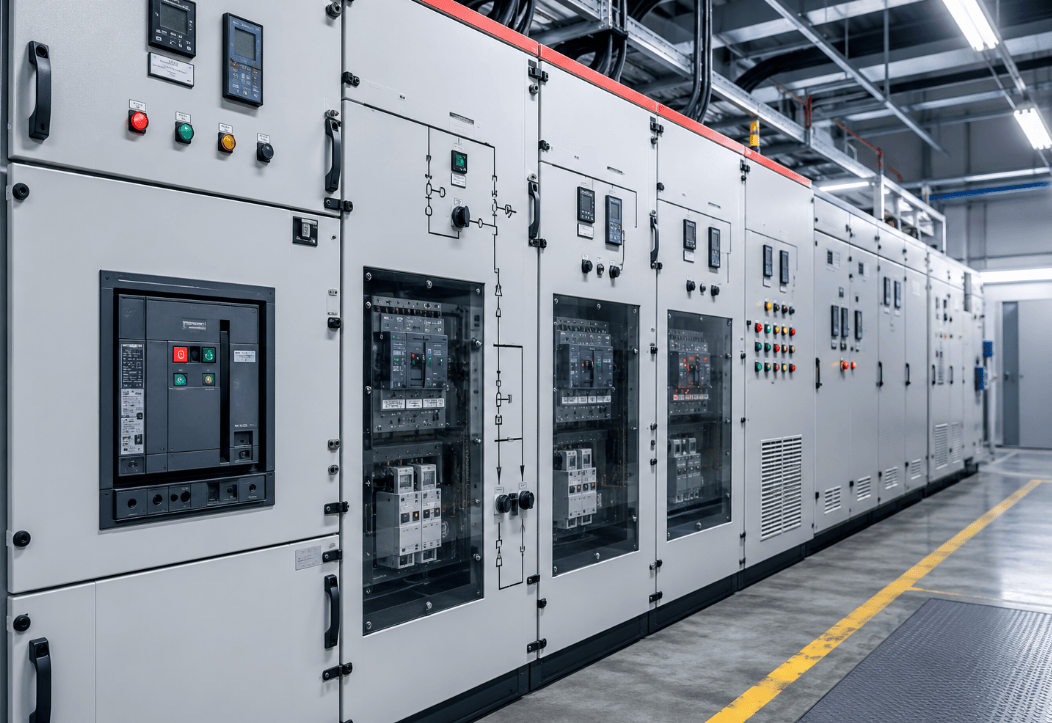
As sensors, communication devices and energy management platforms enter power distribution systems, High and Low Voltage Electrical Assemblies are evolving from passive distribution equipment into measurable and analyzable digital assets.
Current, voltage, power, energy quality, temperature, switching status, mechanical operation counts and protection events can now be collected continuously through intelligent meters and online monitoring devices. This data provides greater visibility into operating conditions that were previously available only during on-site inspection.
The first benefit of digitalization is improved operational transparency. Conventional switchboards often provide only limited local information. Connected equipment can combine data from several electrical rooms, substations and production areas on one platform. Operators can identify circuit loading, equipment utilization and unusual operating trends across an entire facility.
The second benefit is condition-based maintenance. Time-based maintenance requires equipment to be inspected at fixed intervals, regardless of its actual operating condition. Condition-based strategies use temperature trends, operating counts, protection records and environmental information to determine when maintenance is required.
Equipment that has operated under light and stable conditions may not require unnecessary disassembly. Components showing increasing temperature or frequent operation can be inspected earlier. This allows maintenance resources to be directed toward the assets with the highest operational risk.
Online temperature monitoring of busbars and cable connections is a common application. Loose, oxidized or poorly compressed connections may develop higher resistance and abnormal heating under load. A manual temperature inspection performed during a low-load period may fail to reveal the problem, while continuous monitoring can record trends under different operating conditions.
Medium- and high-voltage equipment can also be monitored through partial-discharge measurements, gas-condition sensors, mechanical characteristics and breaker operating-waveform analysis. However, sensor data should not automatically be treated as a final fault diagnosis. Equipment construction, environmental noise and sensor installation can affect measurements. Historical baselines and engineering judgment remain necessary.
Digitalization also introduces integration challenges. Electrical assemblies may connect with energy management systems, building management systems, supervisory control platforms or industrial automation networks. Communication protocols, data-point lists, time synchronization and equipment naming should be standardized early in the project.
Cybersecurity becomes important when conventional electrical equipment is connected to communication networks. Remote maintenance accounts, communication ports and software update processes may create new access risks. Monitoring and control networks should be segmented, remote control permissions limited, and operational records retained.
NEMA describes connected building systems as combinations of hardware, software and communications that collect data, monitor use, predict operation and prescribe automated responses. Similar principles are entering industrial power distribution. Digital complexity, however, should not become an objective by itself. Its purpose should be to reduce outage risk, improve energy efficiency and shorten fault-response time.
Competition among assembly suppliers will increasingly extend beyond cabinets and components into data models, communication compatibility, operating diagnostics and lifecycle services. Buyers should assess sensor maintainability, data ownership, platform interoperability, cybersecurity and long-term software support before selecting a digital electrical assembly.
Related Products

High-voltage Direct Current (HVDC) Transmission System Research and Integrated Design
XI'AN XD POWER SYSTEMS CO., LTD.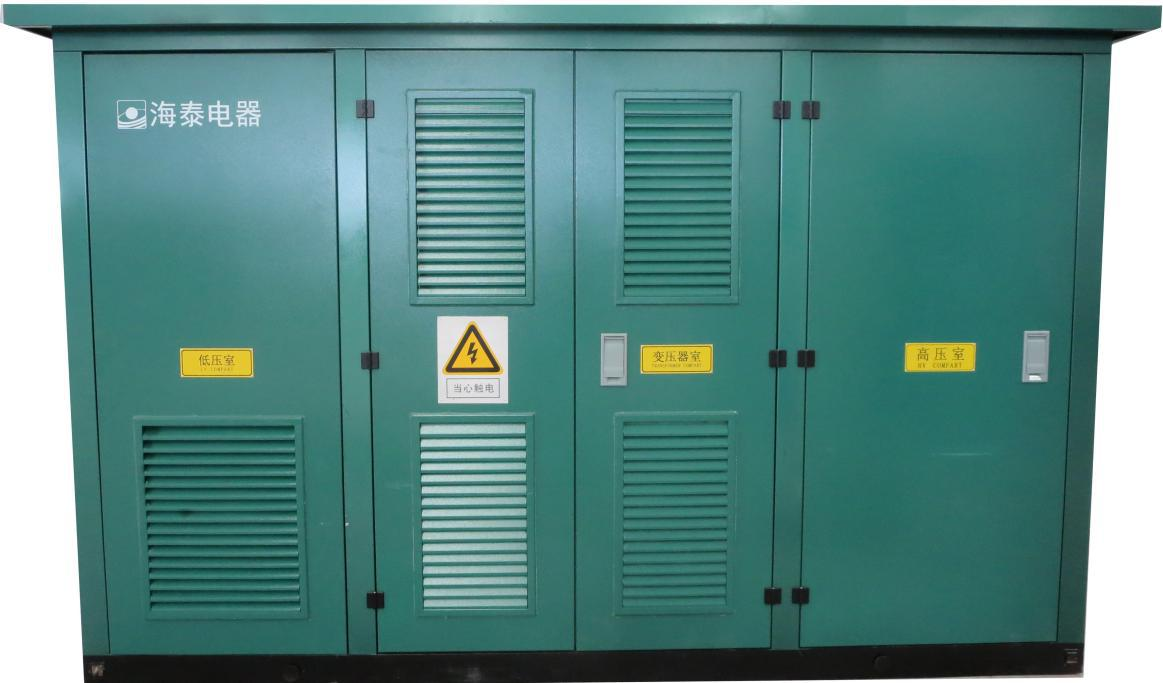
The YB□-12/0.4 pre-installed substation
Shenyang Huade High Technology Electric Co., Ltd.

Prefabricated Houses and Electrical Energy Boxes
Chengdu Ruilong Machinery Manufacturing Co., Ltd.
NISELA Series Environmentally Friendly Gas-Insulated Ring Main Unit
XJ DELISHIER ELECTRIC CO., LTD.
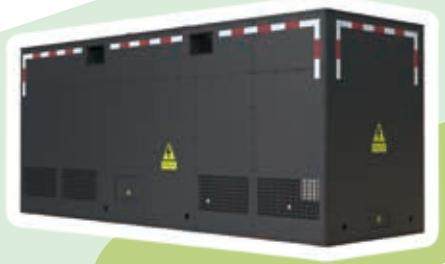
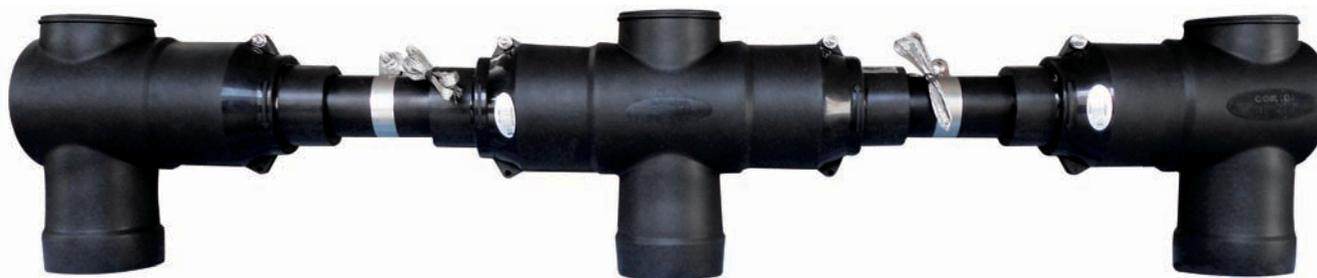
24kV, 15kV/1250A, 630A Shielded Three(Four)-Way Hard Busbar and Busbar Connector
Beijing Fangyuan Electric Appliance Co., Ltd.
Smart Photovoltaic Prefabricated Substation
Shanghai Jinyou Jinhong Intelligent Electric Co., Ltd.