Digital Substations Are Transforming Relay Protection from Independent Devices into Coordinated Systems
en.Wedoany.com Reported - Conventional substations connect protection, measurement, control and disturbance-recording devices to current transformers, voltage transformers and circuit breakers through extensive secondary wiring. The development of digital substations is changing this architecture.
Relay Protection Automation is moving from a collection of relatively independent devices toward an integrated system based on digital sampling, communication networks and station-wide coordination.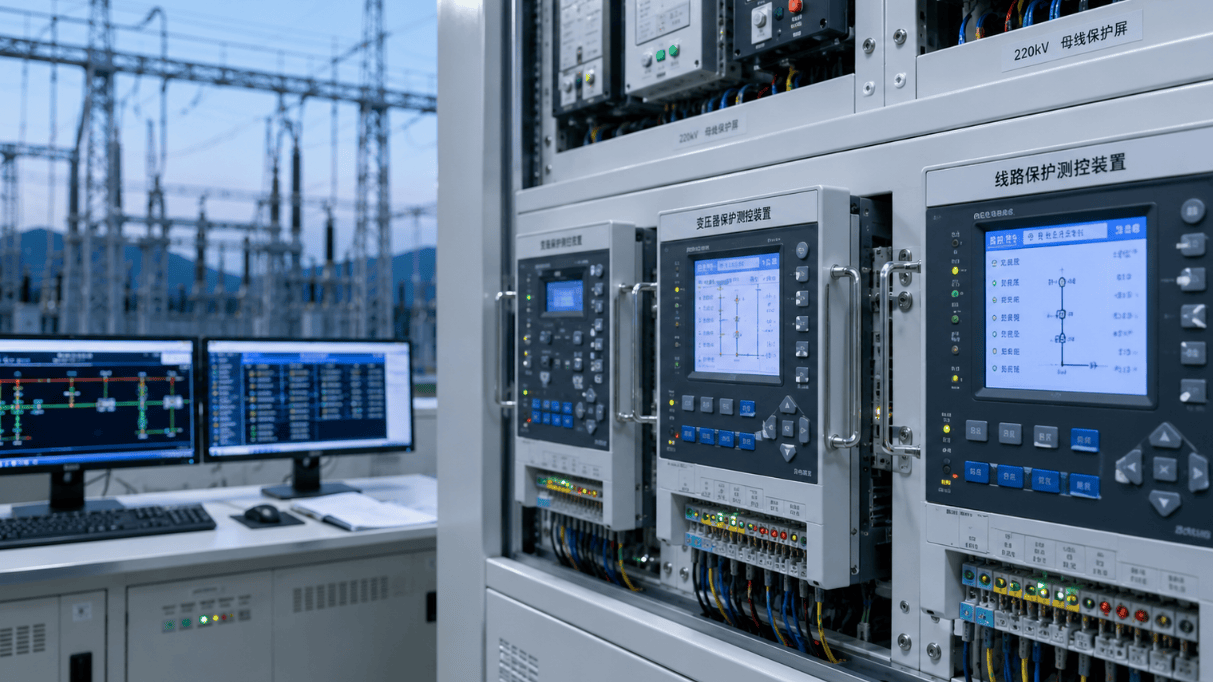
One major change is the digital transmission of information from primary equipment. Electronic instrument transformers, merging units and intelligent terminals can collect current, voltage and switching-status data and distribute it to protection, control and monitoring equipment through a substation communication network.
This architecture can reduce some conventional copper wiring, improve information sharing and support online diagnostics and remote maintenance. However, it also makes communication performance an essential part of the protection system.
A digital substation is commonly organized into process, bay and station levels. The process level interfaces with instrument transformers, circuit breakers and disconnectors. The bay level contains line, transformer and busbar protection together with measurement and control functions. The station level provides overall supervision, event management, operator control and communication with dispatch centers.
In a conventional arrangement, current and voltage signals may be distributed to several devices through separate cables. In a digital architecture, common information models and network messages allow several functions to share the same data. Network delay, packet loss, time synchronization and configuration quality therefore become protection-engineering issues.
Accurate time synchronization is especially important. Disturbance recording, sequence-of-events analysis and differential protection may require data from different locations to be compared precisely. Inconsistent time references can reduce the quality of fault analysis and may affect functions that depend on synchronized measurements.
Digital protection also increases the importance of configuration and software management. In addition to conventional protection settings, the system includes communication datasets, virtual connections, message subscriptions and network mappings. A configuration error may not create an obvious hardware problem, but it can prevent a trip, blocking or status signal from reaching the correct device.
Testing methods must therefore expand beyond checking secondary wiring and relay operation. Commissioning should verify network messages, data subscriptions, time synchronization, device interoperability and system behavior under abnormal communication conditions.
Online monitoring and remote maintenance are important advantages. Protection devices can report self-diagnostic status, communication alarms, trip records and disturbance files. Operators can obtain information rapidly after an event and analyze several substations from a centralized maintenance center.
Remote connectivity, however, also increases cybersecurity risk. Protection and control systems directly influence circuit breaker operation and cannot be managed in the same way as ordinary office information systems. Security zones, access control, configuration records and controlled software update procedures are required.
Digitalization does not mean that every protection function should depend entirely on the network. Critical trip functions should still consider communication failure, equipment loss of power and network interruption. System design must balance information sharing with functional independence.
As renewable generation, battery storage, flexible transmission and distributed resources expand, power system operating conditions will become more dynamic. Future protection automation will need to use real-time topology, adaptive settings, wide-area measurements and intelligent diagnostics to handle bidirectional power flow and more complex faults.
Competition in relay protection is therefore shifting from individual device performance toward system architecture, communication reliability, data consistency and lifecycle support. The real value of a digital substation lies not in the amount of data it generates, but in its ability to maintain fast, accurate and dependable protection under changing grid conditions.
Related Products

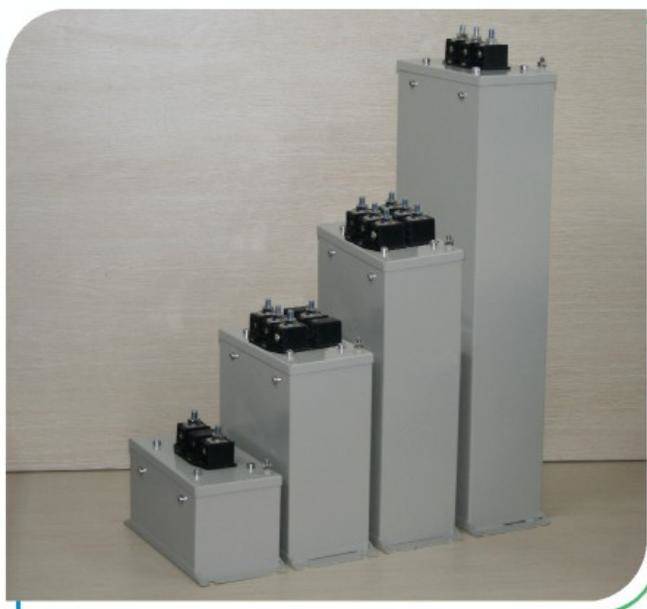

Prefabricated Houses and Electrical Energy Boxes
Chengdu Ruilong Machinery Manufacturing Co., Ltd.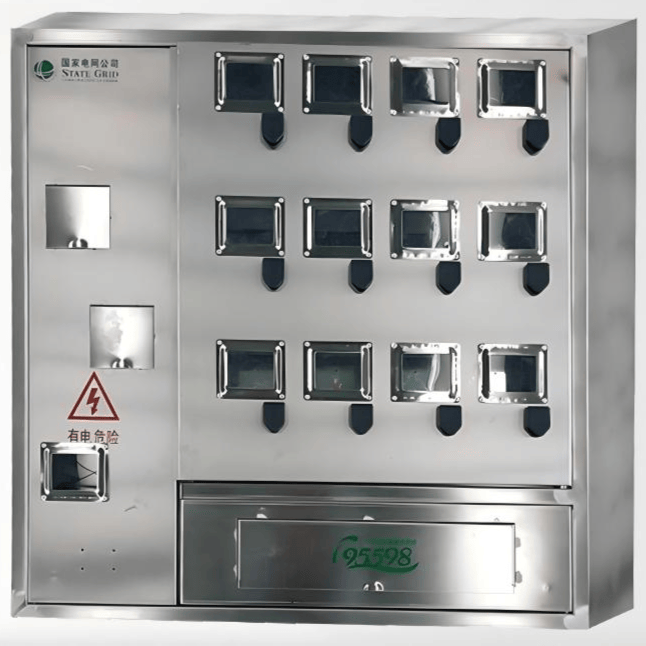
Low-Voltage Electric Energy Metering Box (Metal Stainless Steel)
Anhui Jinma Electric Technology Co., Ltd.
Solar Street Light - Tiger Shark
Shandong Bopu Photoelectric Lighting Technology Co., Ltd.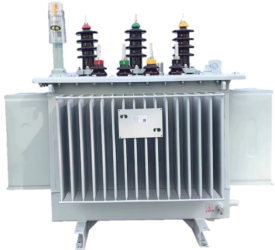
Oil-immersed Amorphous Alloy Core Distribution Transformer
Pinggao Group Smart Electric Co., Ltd.
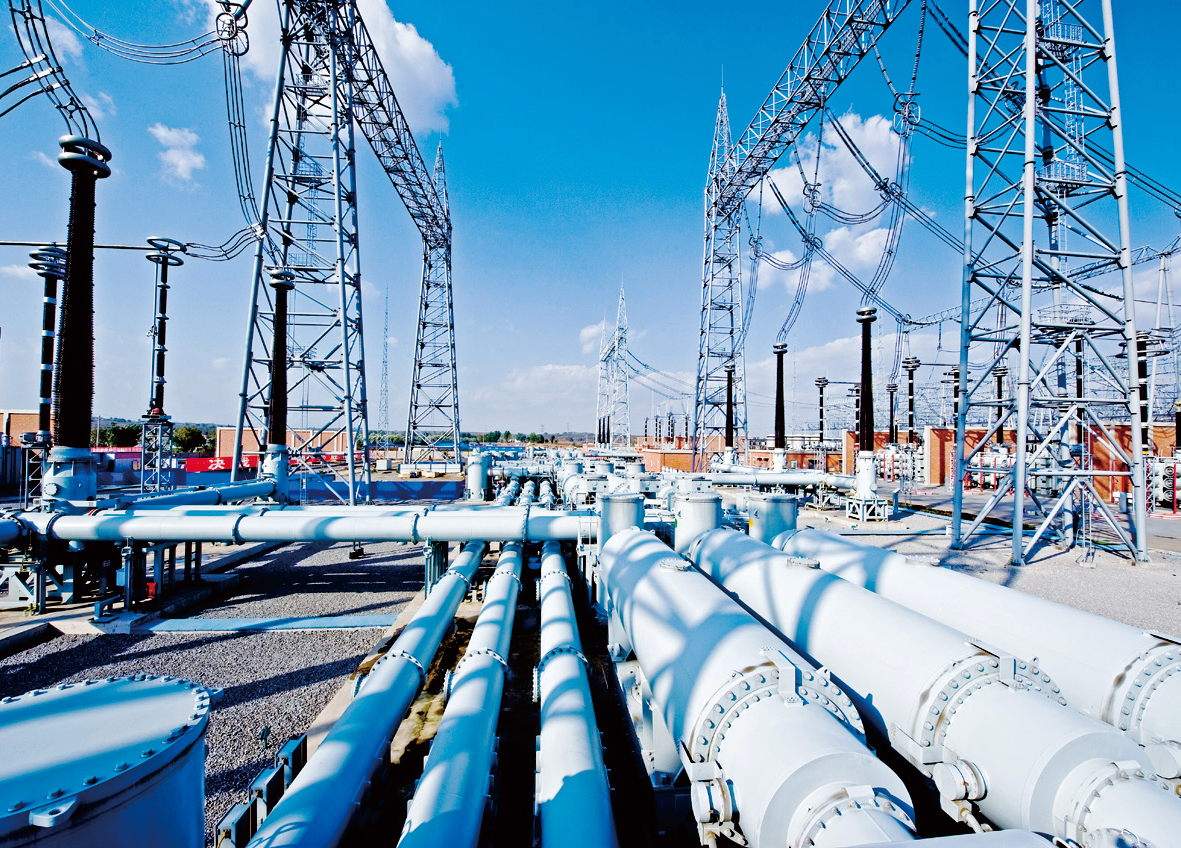
40.5kV-1100kV Gas Insulated Metal-Enclosed Switchgear (GIS)
Henan Pinggao Electric Co., Ltd.
220kV and Below Voltage Level Energy-saving Oil-immersed Power Transformers
FuZhou TianYu Electric Co., Ltd.