Seawater Reverse Osmosis Is Advancing as Energy and Brine Management Become Central Priorities
en.Wedoany.com Reported - Seawater desalination is becoming an increasingly important supplementary water source for coastal cities, islands, industrial zones and regions facing limited freshwater availability. Improvements in membranes, high-pressure pumps, energy recovery and automation have supported the wider deployment of reverse osmosis desalination.
In a seawater Reverse Osmosis System, pressure greater than the osmotic pressure of the feedwater drives water molecules through the membrane while most dissolved salts remain in the concentrate stream. Because seawater has a higher salt concentration than brackish or freshwater sources, seawater systems require substantially higher operating pressure.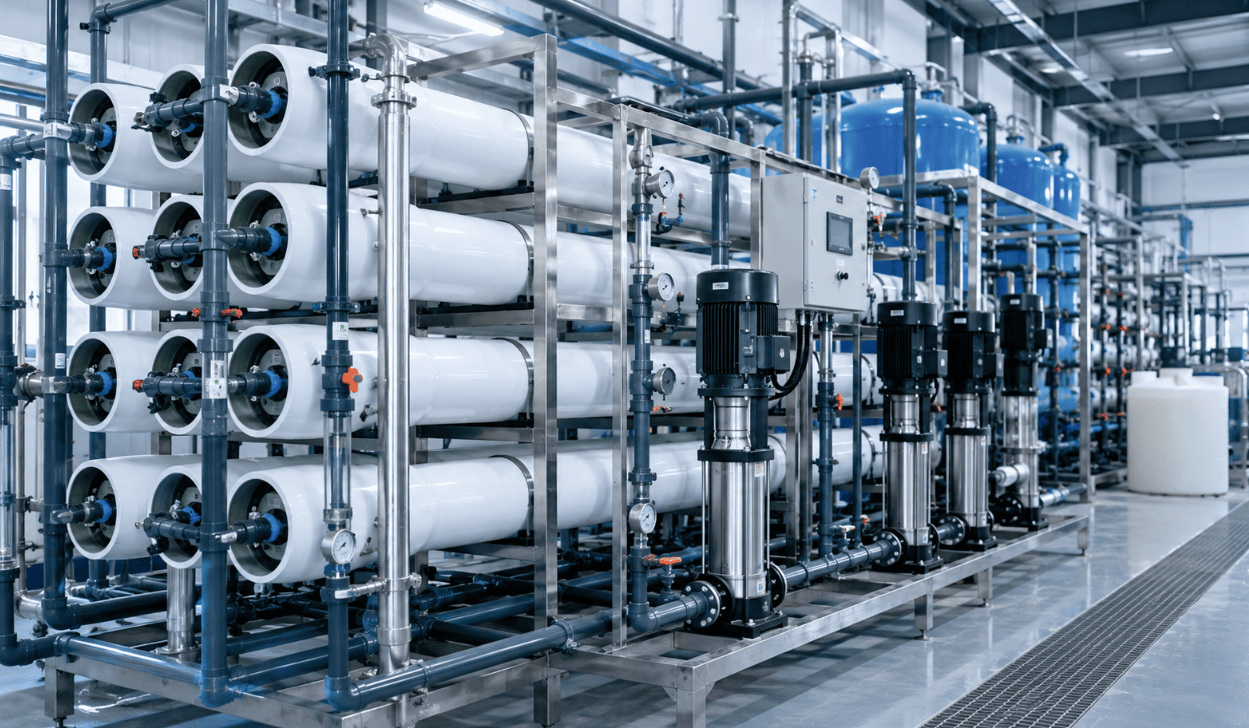
Reducing the energy consumed per unit of treated water remains a major engineering objective. Modern plants use efficient pumps, lower-resistance piping, optimized membrane flux and pressure-exchange devices. Energy recovery systems capture pressure that would otherwise be lost in the high-pressure concentrate and transfer it to the incoming seawater.
Energy performance, however, is not the only factor determining project success. Intake configuration and pretreatment strongly influence membrane fouling. Open-ocean intakes may experience suspended solids, algae, biological activity and seasonal water-quality changes. These conditions often require coagulation, media filtration, membrane pretreatment or a combination of processes.
Subsurface intake systems may provide more stable feedwater quality, but their feasibility depends on local geology, available land and construction conditions. The intake and pretreatment process must therefore be selected according to site-specific environmental and technical factors.
The purpose of pretreatment is to control particulate, colloidal and biological fouling before seawater enters the membrane vessels. Inadequate treatment can cause a rapid increase in differential pressure and frequent chemical cleaning. Excessively complex pretreatment, however, may increase capital cost, chemical consumption, sludge production and operational requirements.
Post-treatment is also necessary. Reverse osmosis permeate has low mineral content and may require remineralization, pH adjustment and disinfection before entering a drinking water network. Product water quality must be managed as part of a complete water safety system rather than assessed only according to membrane salt rejection.
Concentrate discharge is another major environmental consideration. Seawater reverse osmosis brine has a higher salinity than the intake water and may also contain residual treatment chemicals. Outfall design, dilution, local hydrodynamics, ecological sensitivity and long-term monitoring should be considered during project development.
Some projects are investigating further brine concentration, mineral recovery and integration with other water treatment processes. These options may reduce liquid discharge or create potentially useful products, but their economics depend on brine composition, product purity, market demand and additional energy consumption.
Electricity price and supply reliability also affect desalination economics. Large plants commonly operate continuously, making energy cost a significant component of water production. Coordination with renewable energy, storage or grid demand management may reduce emissions, but variable operation must be controlled carefully to maintain stable membrane conditions.
Seawater desalination projects should therefore be assessed as complete water-production systems. Intake works, pretreatment, high-pressure equipment, energy recovery, post-treatment, concentrate disposal and long-term maintenance collectively determine performance. Future development will focus on lower energy consumption, stronger feedwater adaptability, reduced chemical use and improved concentrate management.
Related Products

714CD Series C-Band Weather Radar
Chengdu Zhongdian Jinjiang Information Industry Co., Ltd.
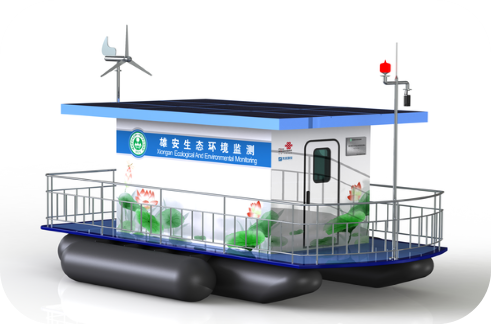
Floating Boat Water Quality Automatic Monitoring System
Hebei Sailhero Environmental Protection High-tech Co., Ltd.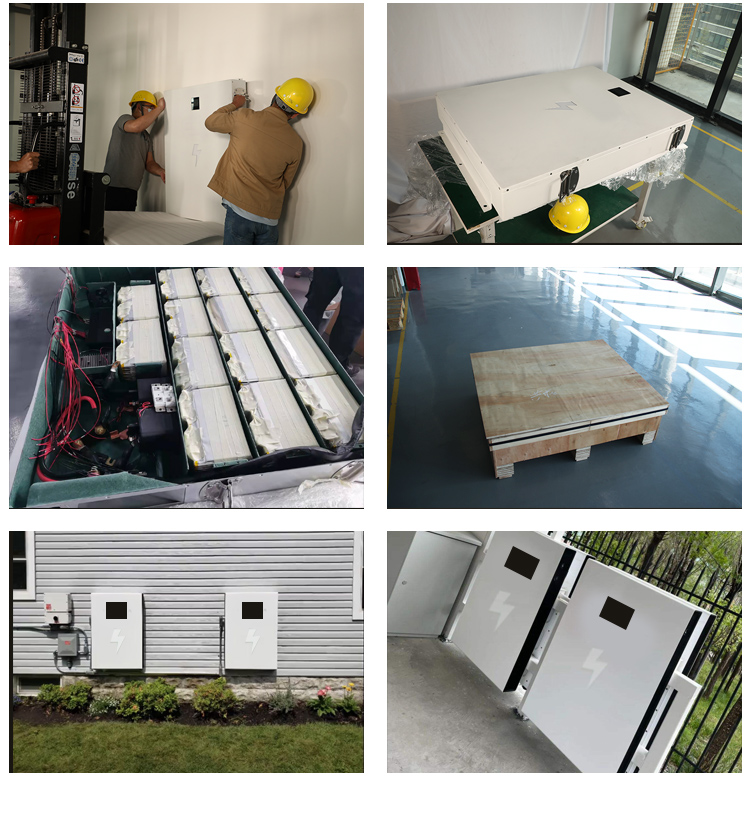
Safe, efficient, intelligent energy storage, creating smart homes and making life more convenient# Home Energy Storage # Supercapacitors # Energy Storage # Wall Mounted # Safe Electricity Use
Gonghe Power Co.,LTD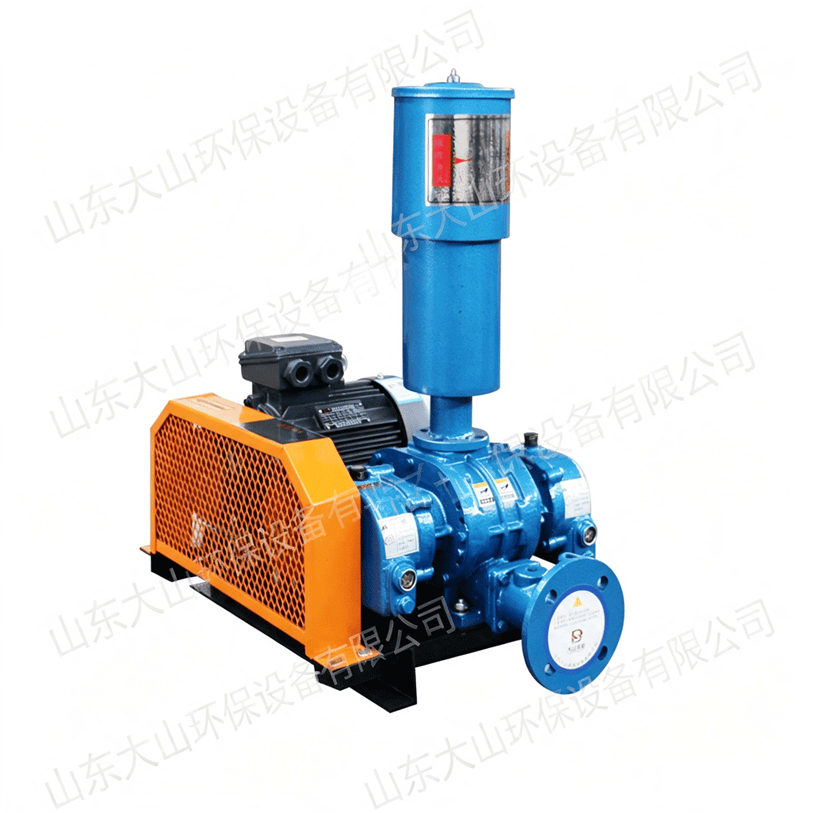
Roots Blower Aquaculture Bottom Aerator Microporous Aeration Tube Compatible Three-Lobe High Pressure Energy-Saving Oxygenation
Shandong Dashan Environmental Protection Equipment Co., Ltd.
Yingping Mining Section Open-pit Tailings Backfill Treatment of Goaf Ecological Restoration EPC Project
China Bluestar Lehigh Engineering Corporation
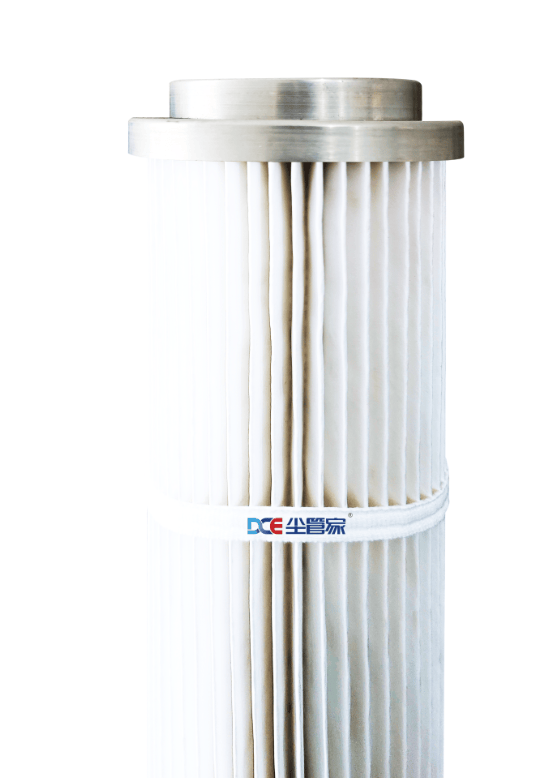
DCE High-Efficiency Energy-Saving Filter Cartridge
Zhejiang Hongsheng New Material Technology Group Co., Ltd.