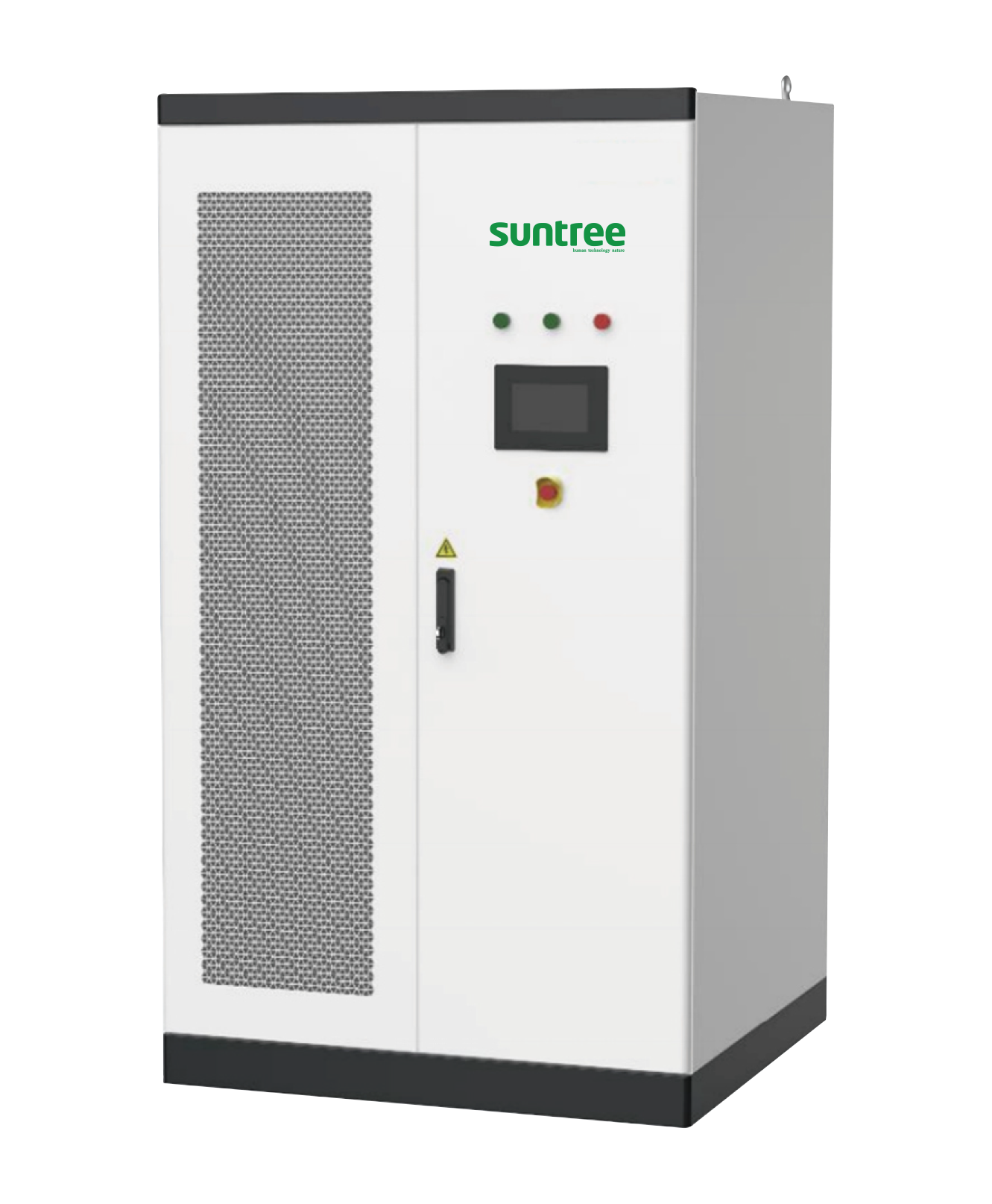
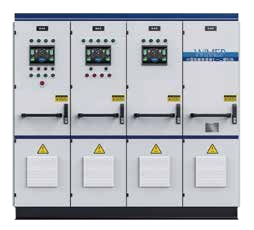
The Value of Electrical Assemblies Is Shifting from Component Supply to System Safety
en.Wedoany.com Reported - Electrical assemblies perform essential functions in industrial plants, commercial buildings, energy facilities and public infrastructure. They receive, distribute, control, protect and isolate electrical power. In the past, purchasers often focused primarily on the brands and prices of circuit breakers, contactors, busbars and enclosures. Today, evaluation is increasingly centered on whether the complete assembly can operate safely and reliably under actual service conditions.
High and Low Voltage Electrical Assemblies are not simply collections of electrical components installed inside metal cabinets. Their performance depends on system design, short-circuit calculations, busbar configuration, temperature-rise control, insulation coordination, protection selectivity, mechanical interlocking, compartment design and secondary control logic.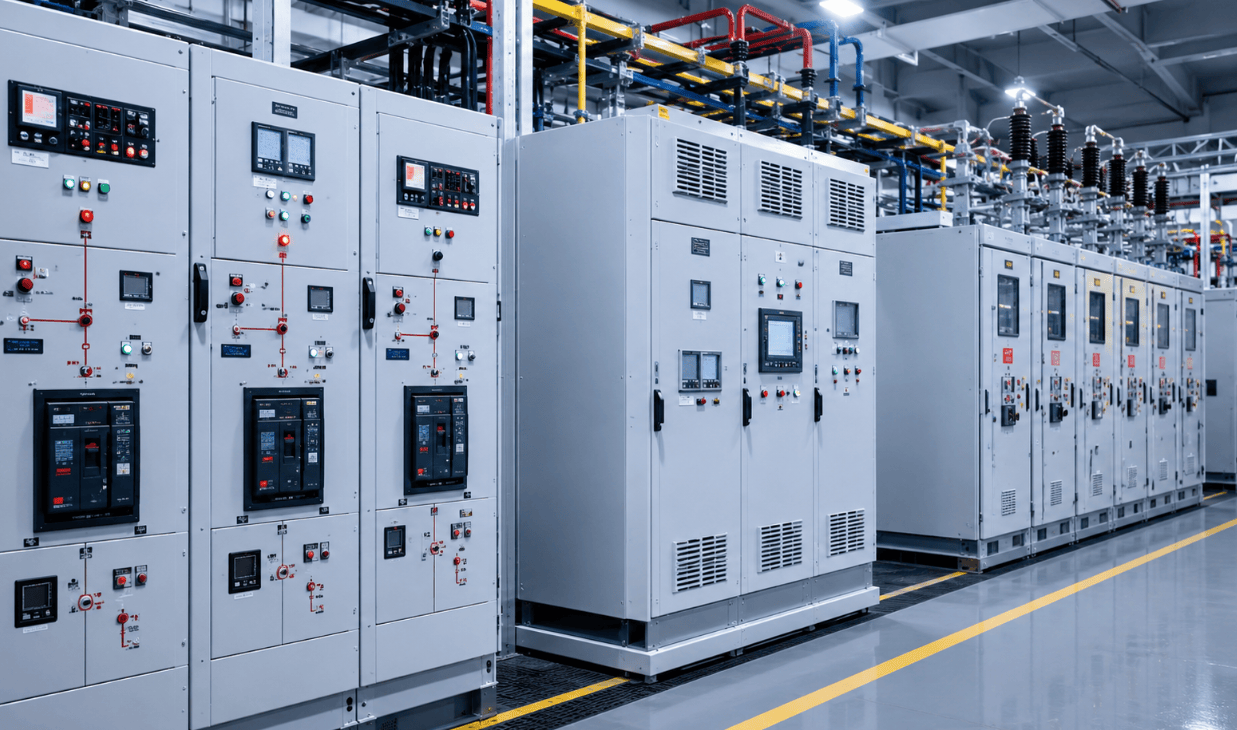
Even when qualified components are used, an assembly may still develop overheating, nuisance tripping or fault-propagation problems if conductor connections, internal layouts, ventilation paths or protection settings are unsuitable. Complete-system engineering is therefore more important than the individual specification of any single device.
Low-voltage assemblies are generally connected close to end-use loads. They contain numerous outgoing circuits and must supply equipment with different electrical characteristics. Motors, variable-frequency drives, rectifiers, charging facilities and data center power systems can create different starting currents, harmonic conditions and power-quality requirements. Designers must consider load diversity, operating patterns, harmonic levels and future expansion instead of selecting equipment only according to total installed capacity.
Medium- and high-voltage assemblies place greater emphasis on fault isolation, operator safety and service continuity. In industrial parks, mining facilities, rail systems and large energy projects, one busbar or incoming feeder fault may affect several production units. Bus sectionalization, dual supplies, standby feeders and coordinated protection are therefore often used to prevent a local fault from causing a complete facility shutdown.
The IEC 61439 series establishes general requirements and verification principles for low-voltage switchgear and controlgear assemblies. IEC 61439-2 covers power switchgear and controlgear assemblies with rated voltages not exceeding 1,000 V AC or 1,500 V DC. For prefabricated metal-enclosed AC switchgear above 1 kV and up to 52 kV, IEC 62271-200 provides the relevant application scope and technical framework.
These standards reflect an important engineering principle: assembly safety must be demonstrated through complete design and verification. It cannot be established only by presenting certificates for individual circuit breakers or other installed components.
Temperature rise is one of the most frequently underestimated design issues. Busbars, electrical contacts and switching devices generate heat during continuous operation. Ambient temperature, altitude, ventilation, enclosure protection and equipment arrangement all affect heat dissipation. Selecting devices only according to their rated current, without evaluating internal thermal conditions, can lead to premature insulation ageing and overheated connections.
Protection coordination is equally important. When a downstream circuit develops a fault, the protective device closest to the fault should ideally operate while upstream equipment remains energized. Without coordinated breaker settings and protection curves, a minor outgoing-circuit fault may trip the main incoming breaker and interrupt the entire facility.
Purchasers should therefore evaluate more than the brands of major components. Important documents and parameters include the design basis, rated short-time withstand current, internal separation, temperature-rise verification, protection configuration, interlocking logic, factory tests and compatibility with site conditions. Clear single-line diagrams, wiring drawings, bills of materials, test records and maintenance instructions should also be included in the delivery.
Electrical assemblies will continue to become more modular, connected and environmentally efficient. However, safety will remain the foundation of every new function. Only when component performance, enclosure structure, system protection and operating conditions are engineered as one system can an assembly provide reliable long-term power distribution.