Russia's Damate Sheep Breeding Center Phase II Launched with Investment of 695 Million Rubles
en.Wedoany.com Reported - Russian agricultural group "Damate (Дамате)" has launched the second phase of its small ruminant breeding genetic center in the Stavropol Territory, constructing a farm with a one-time capacity of 1,800 breeding sheep. The total investment in the project is 695 million rubles. Breeding stock has already been introduced, with the farm housing 274 sheep of the best domestic and foreign meat and meat-wool breeds.
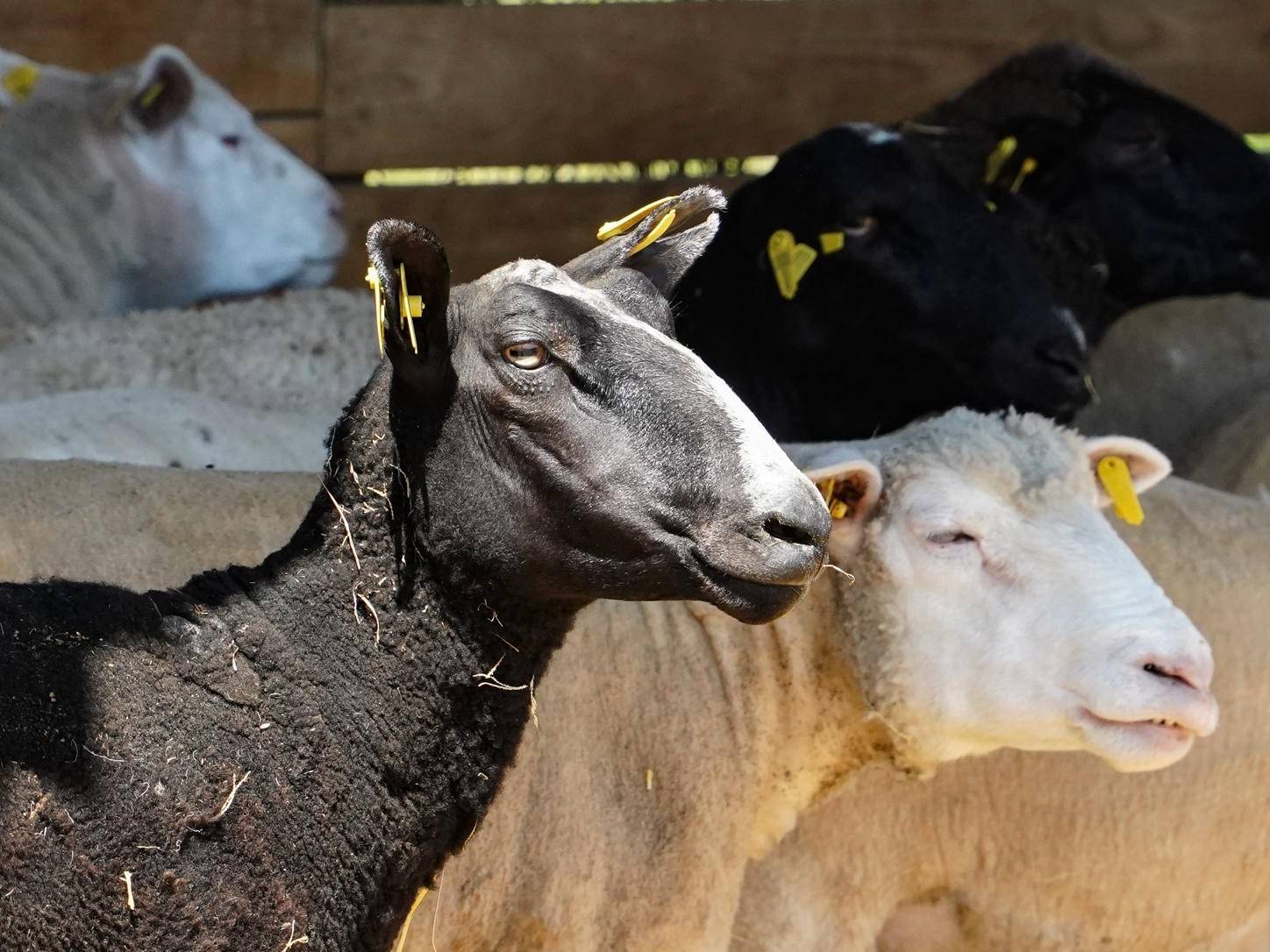
The breeding genetic center has been under phased construction since 2023, including two farms each capable of housing 1,800 small ruminants, an artificial insemination station, an embryo laboratory, and a quarantine facility with a capacity of 300 sheep. According to the company's announcement, all facilities have been put into operation and are functioning.
Governor of the Stavropol Territory Vladimir Vladimirov (Владимир Владимиров) stated that the region is one of Russia's leading areas for sheep farming, and projects like this are crucial for improving the quality of sheep populations. This is significant not only for large farms but also for small businesses and individual farmers, serving as a foundation for enhancing the economic efficiency of the industry, increasing the income of workers, and improving the quality of life for rural residents.
According to Naum Babaev, General Director of the Damate Group, the center is vital for Russia's sheep farming industry. Plans are in place to complete over 4,000 artificial inseminations and obtain approximately 4,000 embryos by the end of the year. Upon reaching its design capacity, the center can produce more than 2,000 young animals and 200,000 doses of semen annually. Future investments and the construction of new facilities are possible.
The breeding center aims to raise and propagate the best sheep breeds, helping the country establish a stable intensive sheep farming breeding base and reducing dependence on imported genetic resources. The main focus is on breeding sheep within each breed and disseminating genetic material to farmers through artificial insemination. The lambs produced have a fast growth rate, allowing for early slaughter with a carcass weight of 20-25 kg, meeting both domestic and international market demands.
Albert Davleev, President of Agrifood Strategies, previously noted in an interview with "Agricultural Investor (Агроинвестор)" that Russia's small ruminant subsector is improving by increasing mutton production in industrial complexes, establishing a chain from breeding genetic centers to breeding farms and fattening farms. This system has shown initial results, but the increase in production is offset by a decline in output from the fattening phase on individual farms, and is not yet significant nationwide.
Related Products



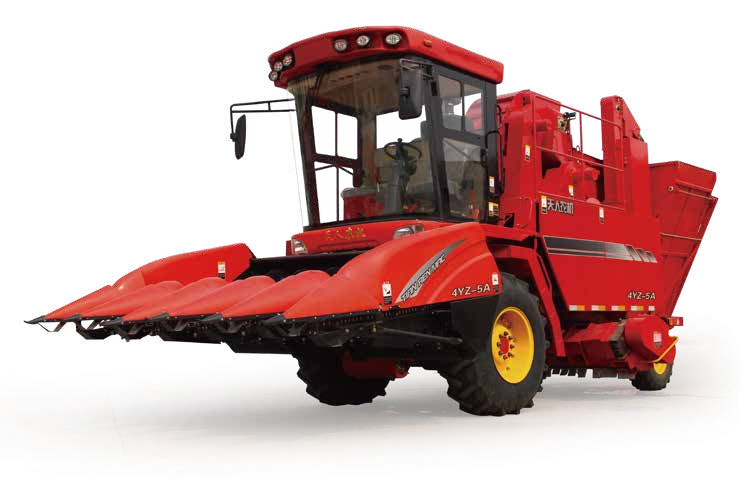
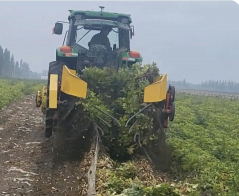
4HS-8 High-efficiency Peanut Inverted-laying Harvester
Hebei Yongfa Hongtian Agricultural Machinery Manufacturing Co., Ltd.

Industrial and Commercial Point-Type Gas Detector
Jinan Benan Technology Development Co., Ltd.

714CD Series C-Band Weather Radar
Chengdu Zhongdian Jinjiang Information Industry Co., Ltd.