Schneider Electric Expands EcoCare to Three-Phase UPS Monitoring, Reducing Risk by 70%
en.Wedoany.com Reported - Schneider Electric has expanded its EcoCare service to include three-phase UPS systems within an AI-driven continuous monitoring framework. The service aims to identify anomalies through predictive maintenance before failures cause costly downtime, addressing the growing operational complexity and power resilience challenges in data centers.
Power is one of the leading causes of major data center outages, with UPS-related issues being particularly prominent. Schneider Electric's research shows that in the worst-case scenario, downtime costs can range from $10,000 to $10 million per hour. The company's survey also reveals that 98% of data center sites face electrical safety risks, 71% lack the spare parts needed to ensure business continuity, and 89% of organizations do not follow manufacturer-recommended maintenance practices. Meanwhile, organizations are grappling with a widening engineering skills gap, compounded by fragmented asset management and limited investment, further weakening fault prevention capabilities.
The new upgrade to EcoCare replaces fixed maintenance schedules with maintenance based on the actual condition of equipment. Through 24/7 remote monitoring, AI-driven condition-based maintenance, and expert support, the system collects and analyzes operational data including temperature, equipment wear, aging, partial discharge, and battery status. Whether natively connected or upgraded via sensors and network management cards, data is transmitted through Schneider Electric's EcoStruxure IT architecture, which complies with the IEC 62443-4-1 standard and CREST-certified penetration testing.
Bryan Stevens, Senior Vice President of Services at Schneider Electric in the United States, stated that the service leverages data and AI to identify degradation and potential failures before they occur. The Connected Services Hub monitors UPS assets at the component level, using predictive analytics to issue early warnings before faults escalate into downtime. Engineers then provide remote troubleshooting or dispatch targeted on-site interventions. Schneider Electric reports that customers using three-phase UPS remote monitoring have reduced electrical fault risks and unplanned downtime by up to 70%, while decreasing fault repair interventions by 66% and preventing five critical UPS failures annually. The AI models supporting EcoCare are trained on the company's installed electrical assets, optimized by over 300 data scientists, and work in coordination with more than 6,000 experts. Schneider Electric notes that compared to traditional periodic maintenance, condition-based maintenance can reduce intrusive maintenance visits and planned UPS downtime by up to 50%, and save up to 20% in operational expenditures.
The expanded EcoCare service also includes emergency fault repair interventions based on service level agreements, as well as remote or on-site support from certified technical experts, accompanied by customized customer success plans. Using Compass Datacenters as a case study, Schneider Electric points out that 78 EcoStruxure modular data centers achieved up to 20% savings in operational expenditures over two years after transitioning from calendar-based maintenance to condition-based maintenance. This three-phase UPS expansion covers power distribution, modular data centers, and building management systems, synergizing with broader asset lifecycle management services such as EcoConsult and EcoFit to form a complete strategy from asset performance consulting to digital modernization and circularity.
Related Products



Pneumatic high-pressure wear-resistant ball valve
Zhejiang Deca Control Valve Meter Co., Ltd.
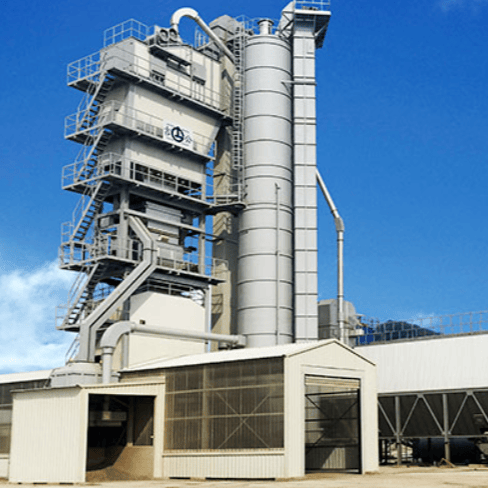
LBH4000 Batch Environmental Protection Asphalt Mixing Plant | Asphalt Batching Plant | Asphalt Mixing Plant
Jilin Province Road Construction Machinery Co., Ltd.

CAP1400 main feedwater flow nozzle flowmeter.
Jiangsu Hongda Instrument Technology Co., LTD.
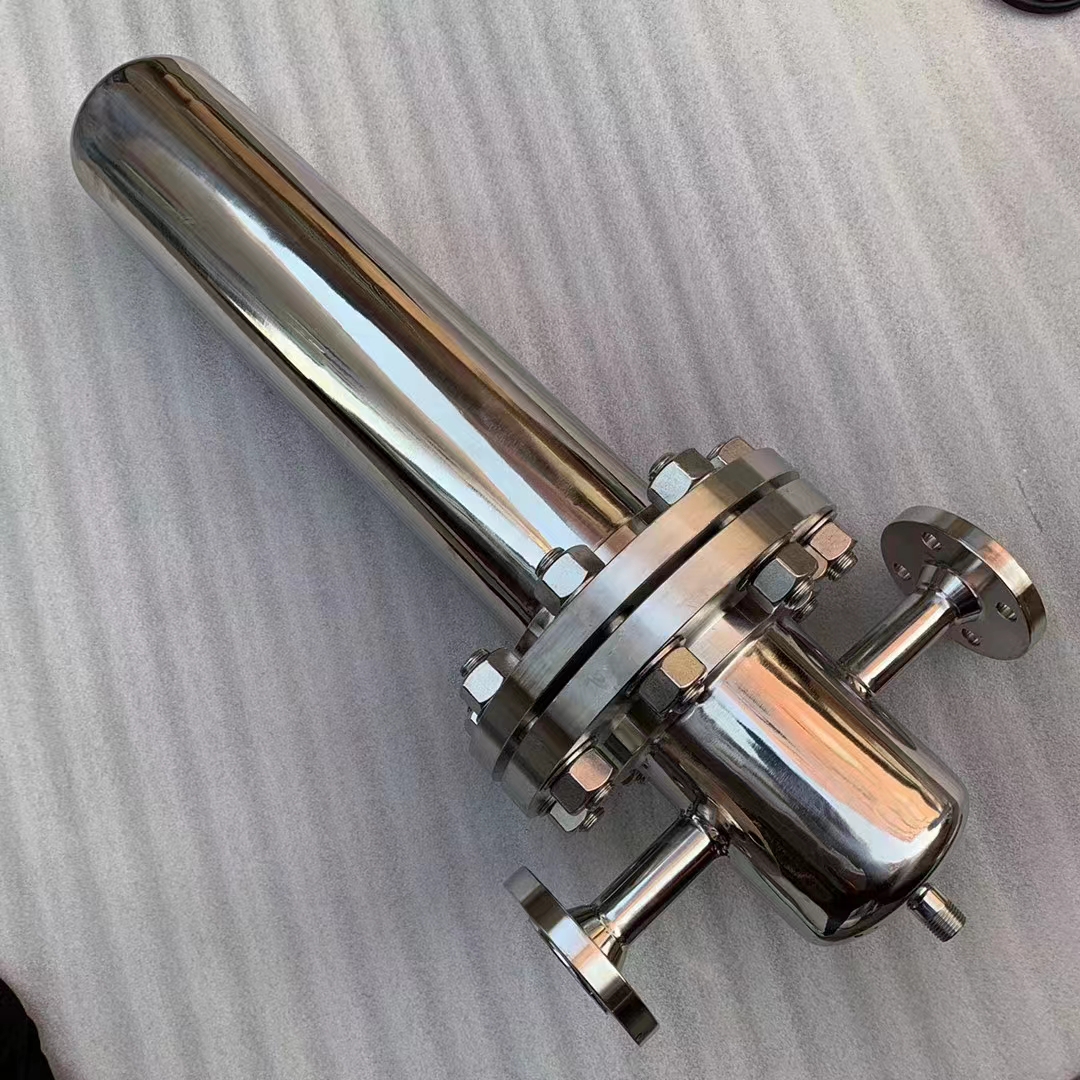


Industrial and Commercial Point-Type Gas Detector
Jinan Benan Technology Development Co., Ltd.
Strip Coating and Plating Production Line Equipment
MCC-SFRE HEAVY INDUSTRY EQUIPMENT CO., LTD.