Chinese HUST Team Proposes SID-HGNN Framework to Enhance UAV Fault Diagnosis Accuracy
en.Wedoany.com Reported - A research team from Huazhong University of Science and Technology (HUST), in collaboration with the Army Engineering University of the PLA, has proposed a Structural Influence-based Dynamic Hypergraph Neural Network (SID-HGNN) framework, significantly improving classification performance in fault diagnosis tasks for fixed-wing UAVs. Addressing the bottleneck where traditional hypergraphs are prone to the "heterogeneity problem" in semi-supervised node classification, the team theoretically traced its root cause, revealing the increasing pattern of heterogeneity influence across multilayer perceptrons, low-order graphs, and hypergraphs. They designed a Structure and Location Feature Fusion (SLF) module and a Label Influence-based Dynamic Structure (LDS) module. The related paper, titled "Structural influence-based dynamic hypergraph for semi-supervised classification," was published in the English edition of Science China Information Sciences.
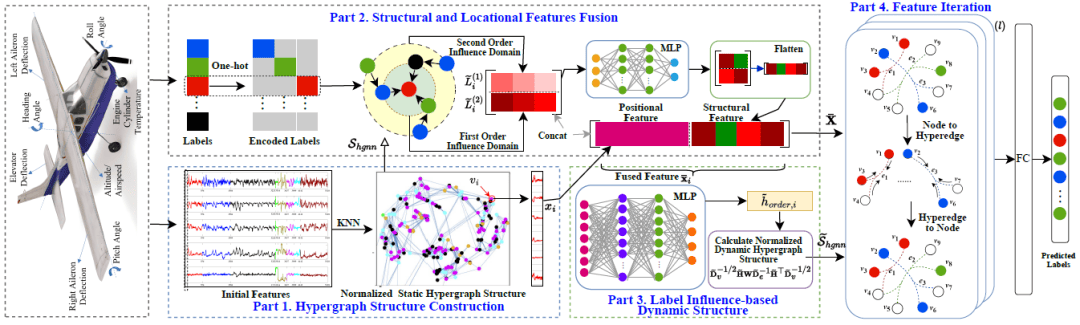
The research team first quantified the mutual influence patterns among nodes in a hypergraph through the Influence Domain Theorem and the Influence Gradient Theorem, identifying the static structure of traditional hypergraphs as the key factor hindering their ability to handle heterogeneity. Building on this, the SLF module incorporates the cumulative label influence on a node within the hypergraph as a structural feature into its representation, enhancing feature characterization capability. The LDS module enables nodes to dynamically adjust connection strengths based on local label distributions, reducing cross-category interference. These two modules are integrated into a unified SID-HGNN framework, achieving precise feature classification through iterative updates.
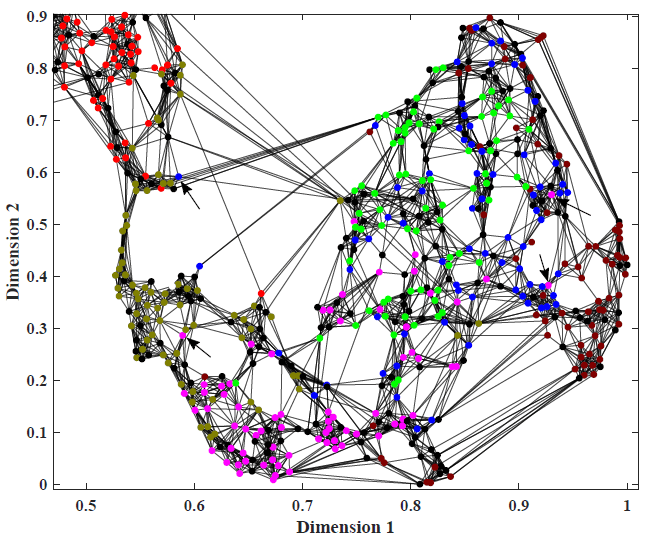
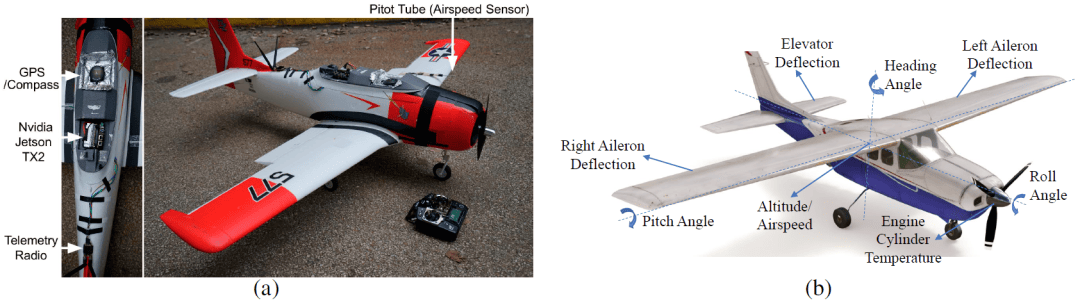
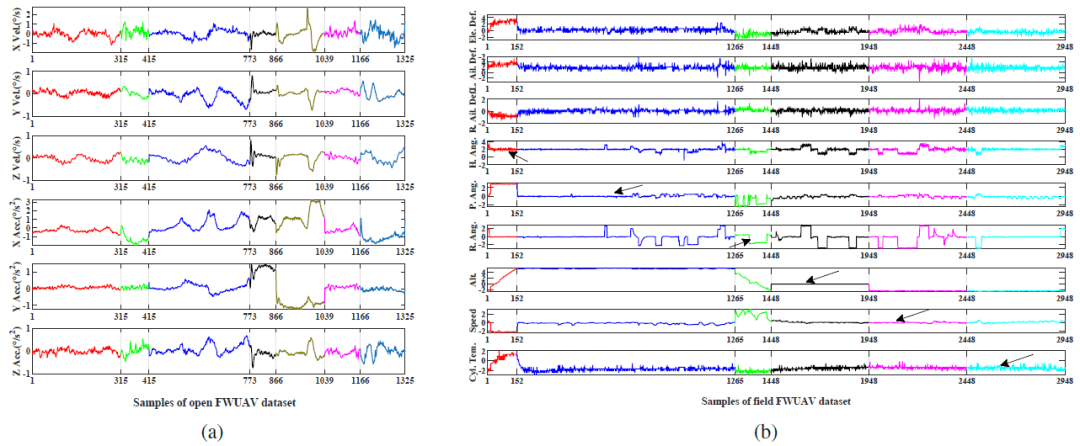
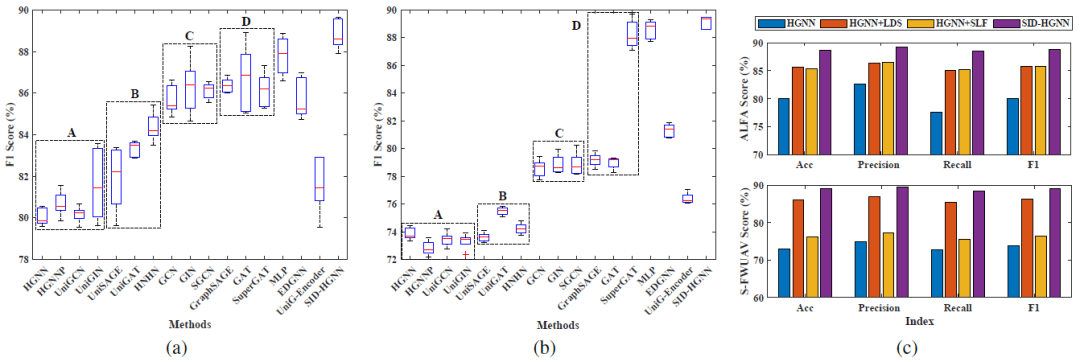
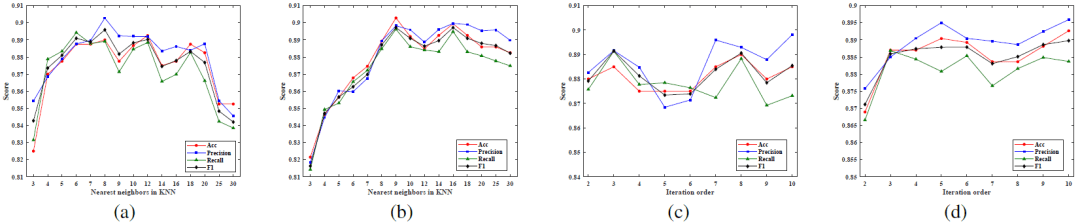
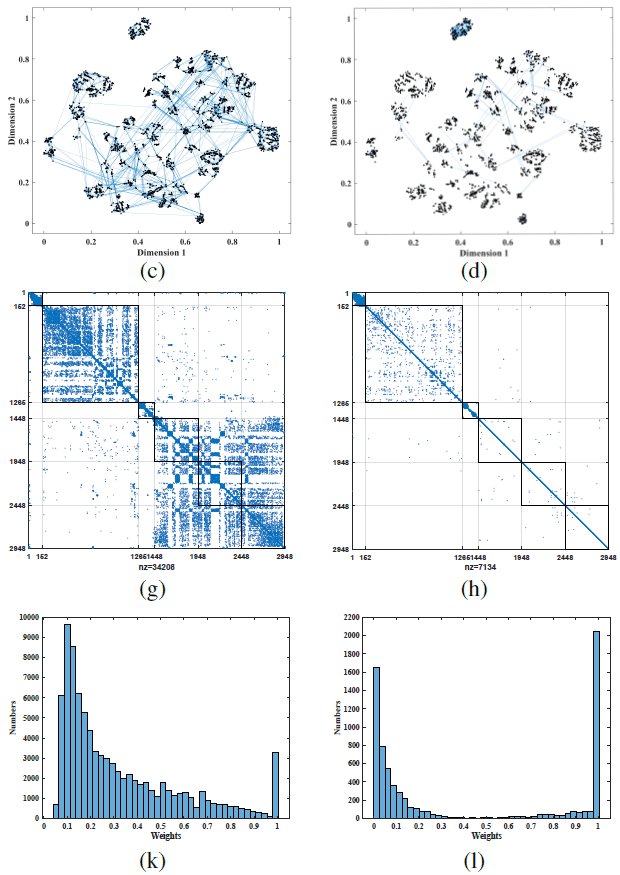
Experiments were conducted on two real-world fixed-wing UAV fault datasets: the ALFA public dataset, collected by the Robotics Institute at Carnegie Mellon University, USA, containing 1,325 samples with 6 feature dimensions covering 7 UAV fault types; and the self-collected S-FWUAV dataset, equipped with multiple sensors, containing 2,948 samples with 9 feature dimensions covering 6 fault types. Results show that SID-HGNN achieves an F1 score of 88.83% on the ALFA dataset, outperforming other hypergraph methods by at least 4.4 percentage points. On the S-FWUAV dataset, it achieves an F1 score of 89.09%, surpassing other hypergraph methods by at least 7.79 percentage points. Ablation studies indicate that using the SLF and LDS modules individually improves performance, with the best results achieved when combined. Parameter sensitivity analysis demonstrates that the framework maintains stable performance across a range of neighbor numbers k=3 to 30 and iteration orders l=2 to 10, exhibiting strong robustness and adaptability. Visualization analysis reveals that the dynamic structure effectively reduces redundant connections between cross-category nodes, strengthens associations within the same category, and fundamentally alleviates the heterogeneity problem.
This research was jointly completed by Liang Shaojun, Wang Zhiwei, and Su Housheng from Huazhong University of Science and Technology; Zheng Ying from Huazhong University of Science and Technology and the Shenzhen Research Institute of HUST; and Yang Yi from the Army Engineering University of the PLA. The research team stated that SID-HGNN not only excels in fixed-wing UAV fault diagnosis but its theories and methods can also be extended to other graph learning tasks, offering new insights for solving the heterogeneity problem and injecting new momentum into the application of artificial intelligence in fields such as industrial fault diagnosis and complex data classification.
Related Products

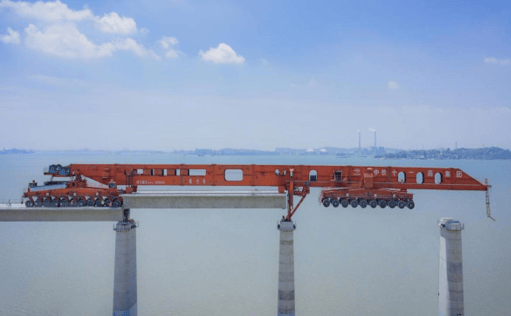
High-Speed Railway Lifting, Transporting, and Erecting Equipment: Integrated Transport and Erection Machine
Hanjiang Heavy Industry Co., Ltd. of China Railway 11th Bureau Group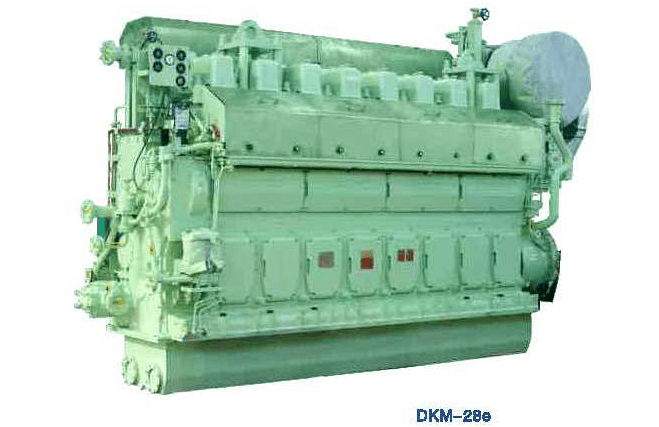
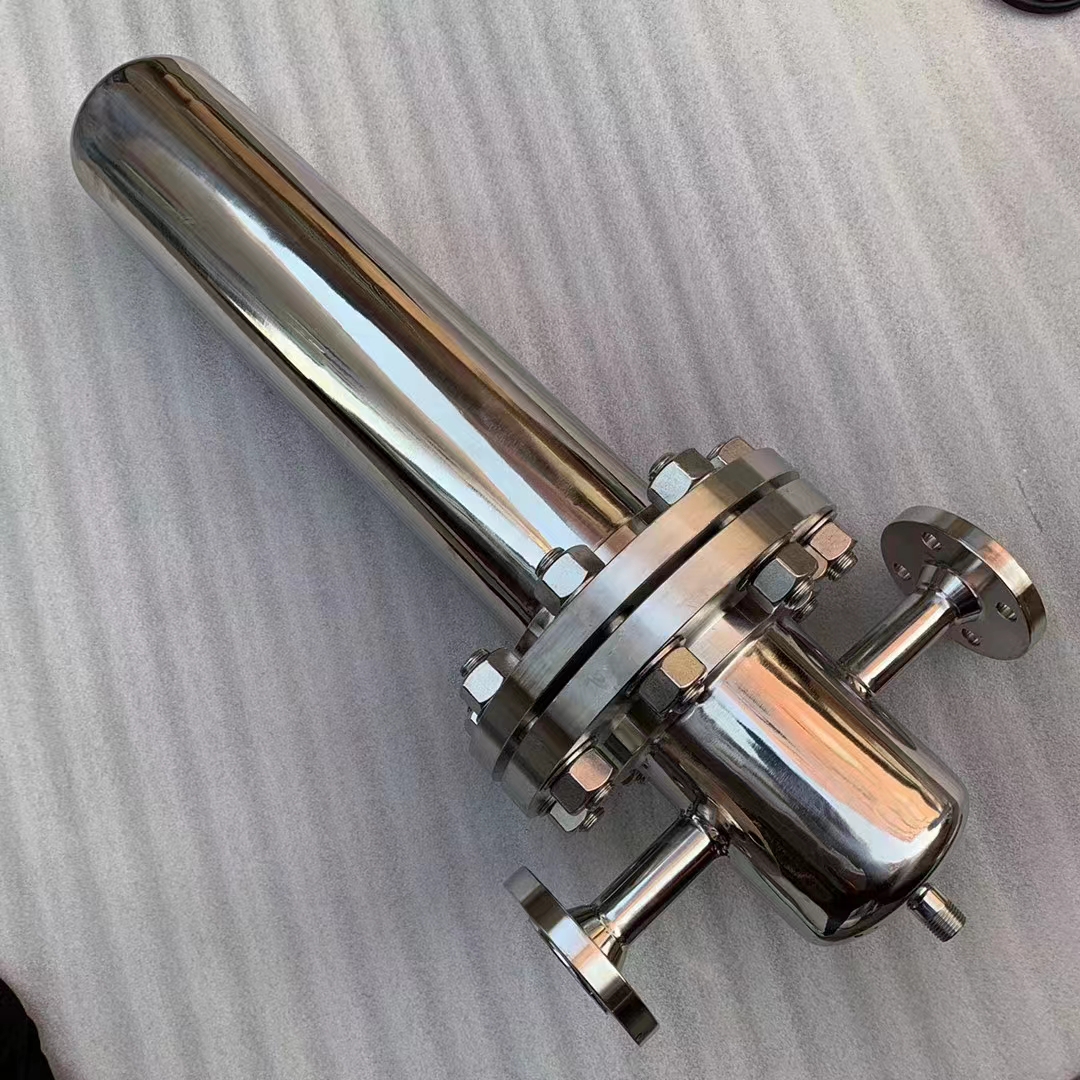


Industrial and Commercial Point-Type Gas Detector
Jinan Benan Technology Development Co., Ltd.

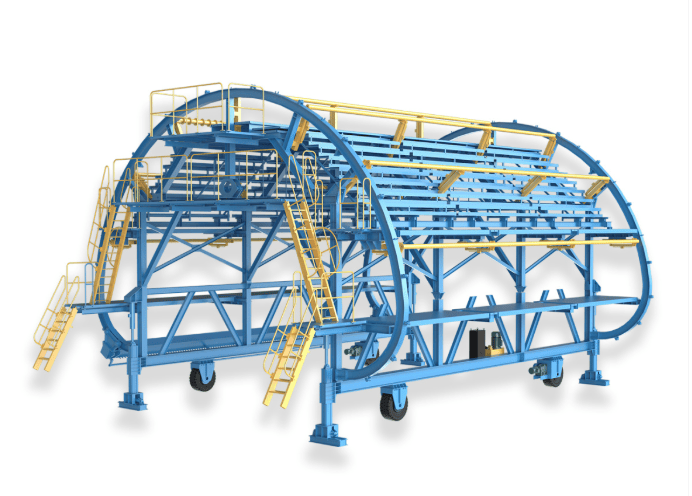
QLZNGJ Intelligent Steel Reinforcement Trolley
Luoyang China Railway Qiangli Machinery Co., Ltd.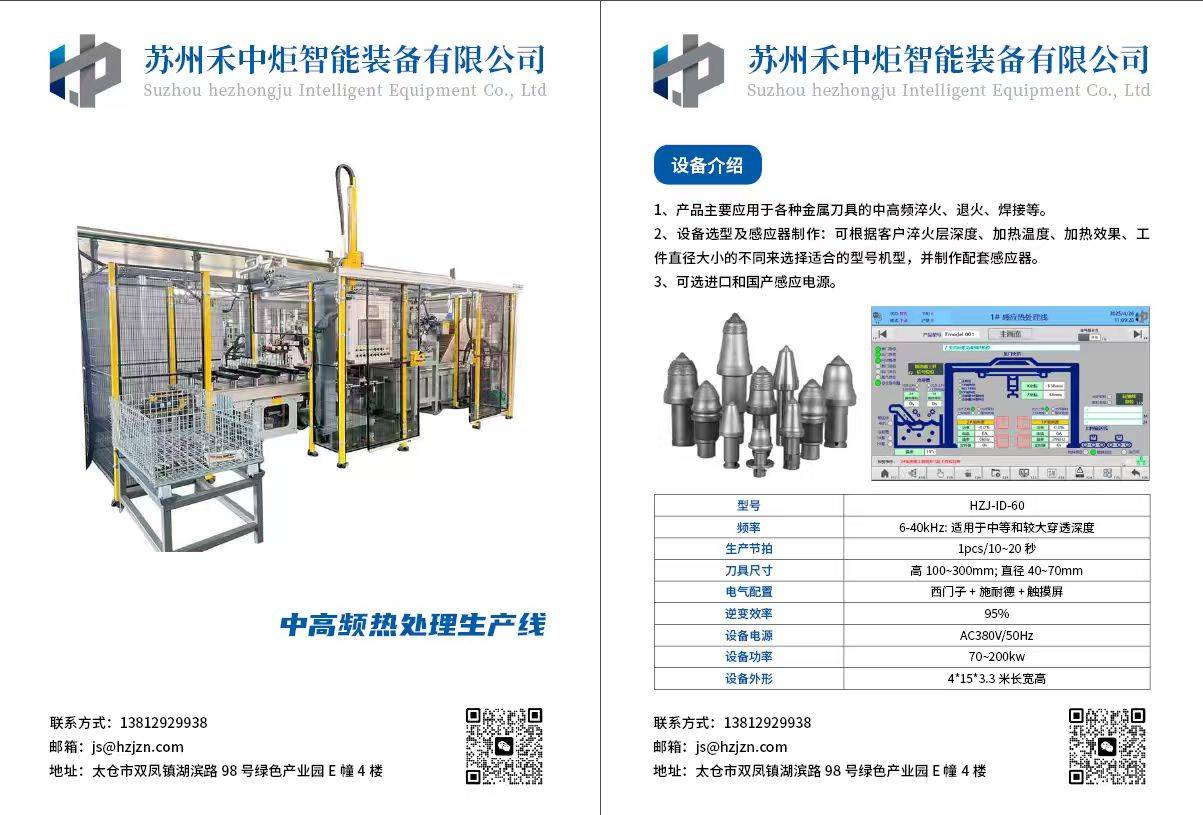
Excavator Bucket Teeth Heat Treatment Production Line
Suzhou Hezhongju Intelligent Equipment Co., Ltd.