France's H4 Marseille Fos Signs Strategic Agreement with EDF, Securing €1.6 Billion in Electricity
en.Wedoany.com Reported - The H4 Marseille Fos joint venture has signed a strategic cooperation agreement with Électricité de France (EDF) to secure long-term low-carbon electricity supply for the e-SAF project at the Fos-sur-Mer industrial site in France. The core of this agreement is to build a diversified low-carbon electricity portfolio integrating renewable energy and nuclear power, providing electricity for the production of sustainable aviation fuel (e-SAF) starting in 2032.
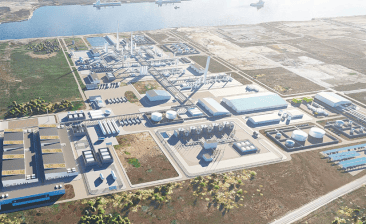
As part of the collaboration, the two parties signed a ten-year Nuclear Allocation Contract (CAPN), the first of its kind signed by EDF with a hydrogen and synthetic fuel producer. H4 Marseille Fos, a joint venture between Hy2gen France and H2V developer, aims to support the EU's goal of reducing dependence on fossil fuel imports and provide a long-term, stable supply of sustainable fuel for the aviation industry. Renewable fuels of non-biological origin (RFNBO), such as e-SAF, are considered to play a dual role in improving the aviation industry's climate footprint and enhancing Europe's supply security.
With the electricity supply secured, the project is expected to reach a Final Investment Decision (FID) in 2028. Starting in 2032, the plant will use methanol-to-jet technology to produce 75,000 tonnes of e-SAF annually. Compared to fossil kerosene, this process can reduce greenhouse gas emissions by up to 84%, equivalent to avoiding approximately 240,000 tonnes of CO2 equivalent per year. The project supports the EU ReFuelEU Aviation regulation's target of e-SAF accounting for 10% of aviation fuel by 2040, and also aligns with France's revised national hydrogen strategy. H4 Marseille Fos represents an investment of €1.6 billion in France and will create 165 direct jobs.
Designed around methanol-to-jet technology, H4 Marseille Fos can process shipped e-methanol on-site and convert it into e-SAF. From a long-term strategic perspective, this technological pathway allows for the import of cost-competitive e-methanol from Africa into Europe for industrial application, thereby creating a flexible production chain that links European demand with global renewable resources and establishes a diversified supply base for European sustainable aviation fuel.
Regulatory certification of low-carbon electricity is crucial for e-SAF production. EU Delegated Regulation 2023/1184 typically requires the use of renewable electricity to produce RFNBO hydrogen but allows low-carbon grid electricity to be considered fully renewable under specific conditions. Due to the high proportion of low-carbon nuclear power in its generation mix, the average carbon intensity of mainland France's power grid is below 18 grams of CO2 equivalent per megajoule. By procuring nuclear power from EDF and supplementing it with additional renewable energy Power Purchase Agreements (PPAs), H4 Marseille Fos has laid the regulatory foundation for obtaining RFNBO certification for its hydrogen, thereby qualifying for European e-SAF quotas. The high proportion of nuclear power in the French grid also provides the project with a stable and predictable carbon footprint.
Electricity accounts for approximately one-third of the total production cost of e-SAF, making a competitive and predictable electricity supply critical to the project's success. H4 Marseille Fos relies on two complementary components: first, developing additional renewable energy PPAs through EDF Power Solutions France; and second, securing approximately 150 megawatts of nuclear capacity from EDF via the CAPN contract for a period of ten years from the start of commercial operations, meeting a significant portion of the annual electricity demand of about 2.8 terawatt-hours. The agreement stipulates a balanced allocation of opportunities and risks related to actual power generation, continuing the structure established by EDF in other CAPN agreements with industrial customers.
Alexis Martinez, Managing Director of H2V and Project Director of H4 Marseille Fos, stated that signing the CAPN with EDF is a decisive step for the project, ensuring a ten-year supply of low-carbon electricity and creating long-term planning certainty for the final investment decision. Cyril Dufau-Sansot, CEO of Hy2gen, added that the agreement provides a long-term low-carbon electricity supply framework for an e-SAF project of this scale and is a necessary condition for the project's competitiveness.
Related Products


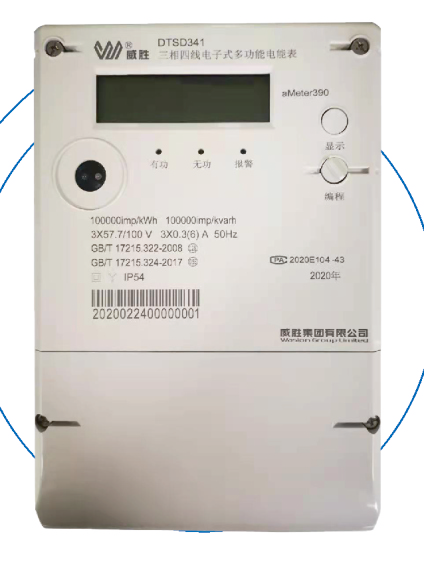
Overseas IEC Gateway Energy Meter - DTSD341/DSSD331-aMeter390
Wasion Group Limited Co., Ltd.
Pneumatic high-pressure wear-resistant ball valve
Zhejiang Deca Control Valve Meter Co., Ltd.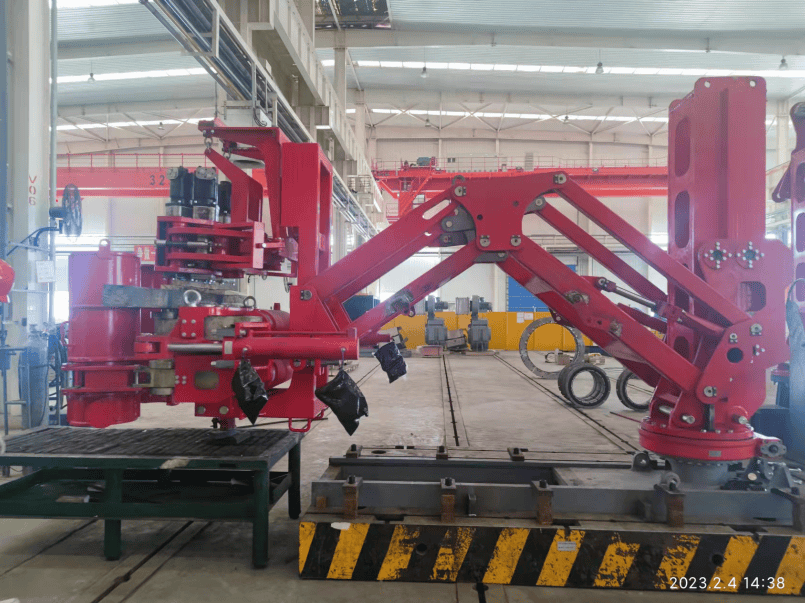
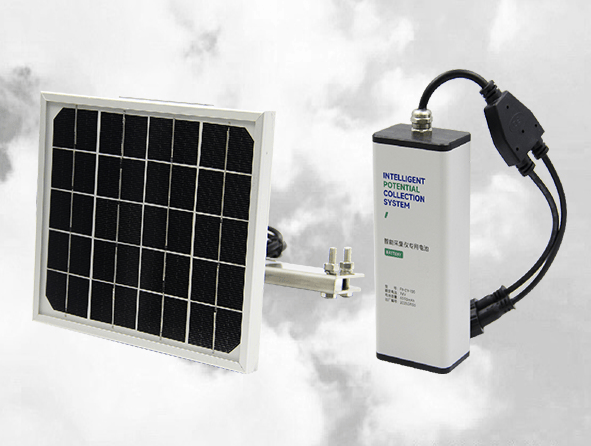
Inductive Power Harvesting Self-Powered Device - Safuneng
SELF ENERGY TECHNOLOGY (SHENZHEN) CO., LTD.