Uncertainty Intensifies for Mexican Manufacturers, Operational Efficiency Becomes Focus
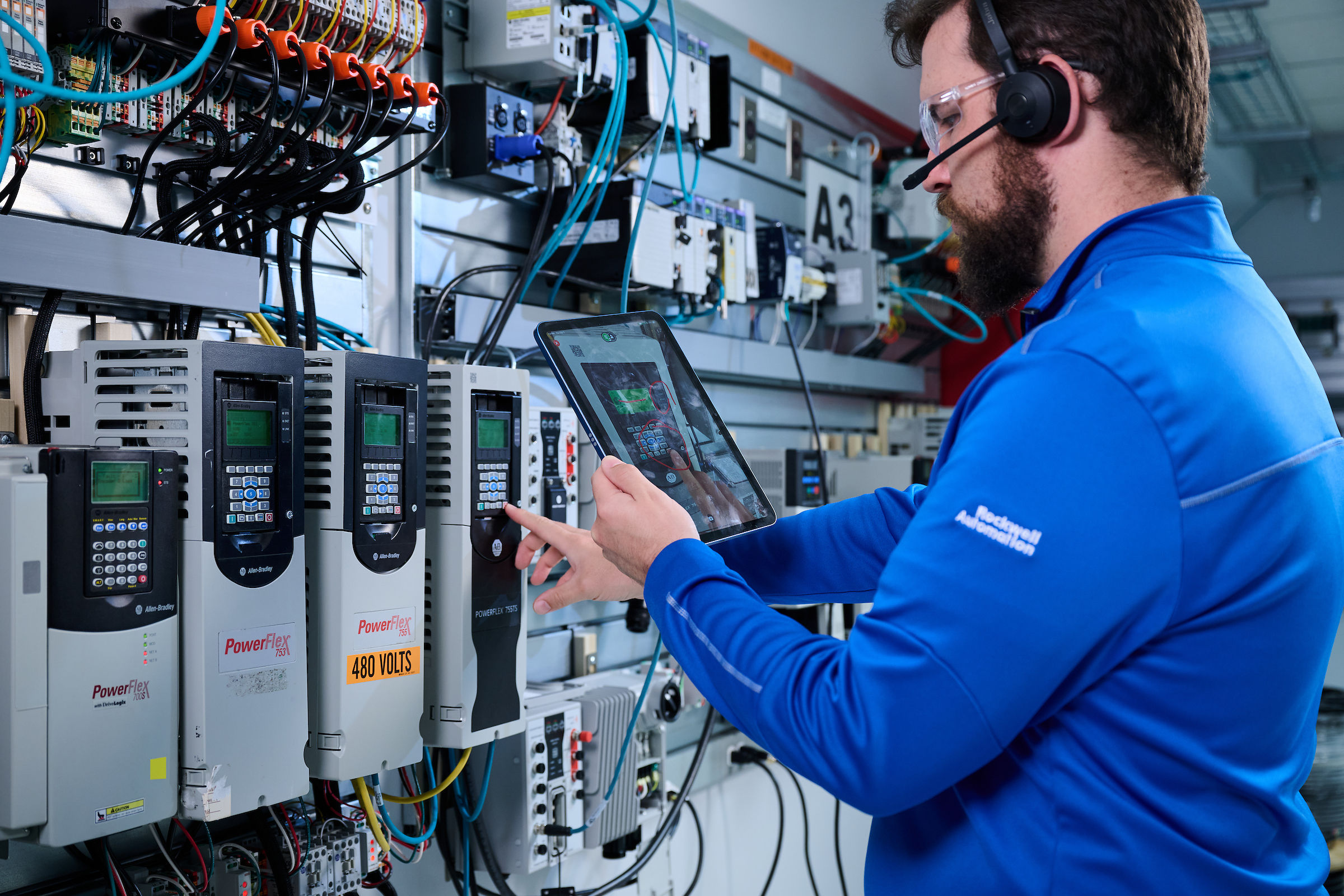
en.Wedoany.com Reported - After a two-year investment boom driven by nearshoring in Mexico's manufacturing sector, the industrial outlook has shifted toward a competition in operational efficiency. The review of the United States-Mexico-Canada Agreement (T-MEC), coupled with tariff uncertainty, is prompting companies to reassess their growth strategies. The challenge has moved from attracting capital to strengthening the operational capabilities of already-built factories. This is the assessment of Jerry Huang, Vice President of Global Market Development at Getac.

In 2025, Mexico attracted over $40 billion in foreign direct investment, but uncertainty stemming from the T-MEC review has already slowed new investment decisions. KPMG's "2026 CEO Outlook" shows that 58% of Mexican manufacturing companies consider themselves to be operating in an environment of uncertainty and constant disruption. Huang pointed out that companies cannot afford to wait for the business environment to stabilize before advancing operational modernization, digitalization, and productivity improvements.
Factories in regions such as Bajío, Nuevo León, and Jalisco face greater pressure from potential changes in rules of origin, new tariffs, and efficiency demands from U.S. customers. Huang stated that with the rapid digitalization implemented during the nearshoring boom, the technology infrastructure must evolve into a robust system to meet operational needs under any scenario.
Huang cited the mining industry as an example to illustrate the necessity of strengthening technology infrastructure. Mexico is the world's largest silver producer, maintaining continuous operations in states such as Zacatecas, Durango, and Sonora. Processes like drilling, tunnel monitoring, remote machinery control, and mineral analysis rely on equipment capable of functioning in environments with dust, vibration, high temperatures, and limited connectivity. He emphasized that system failures not only cause technical disruptions but can also lead to production halts, machinery shutdowns, and even personnel safety risks.
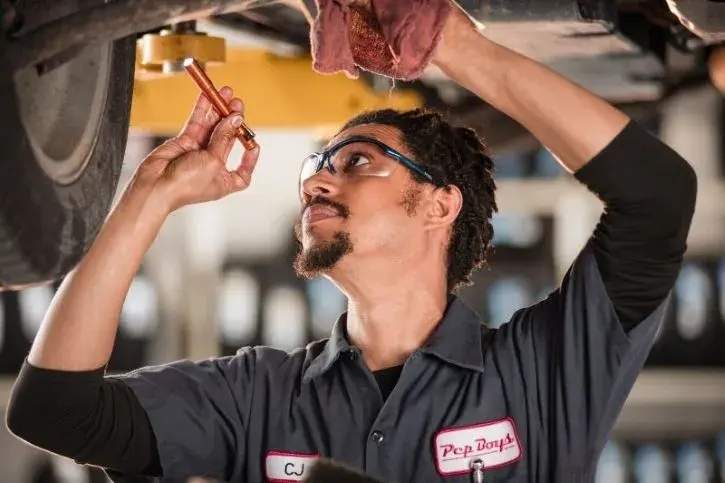
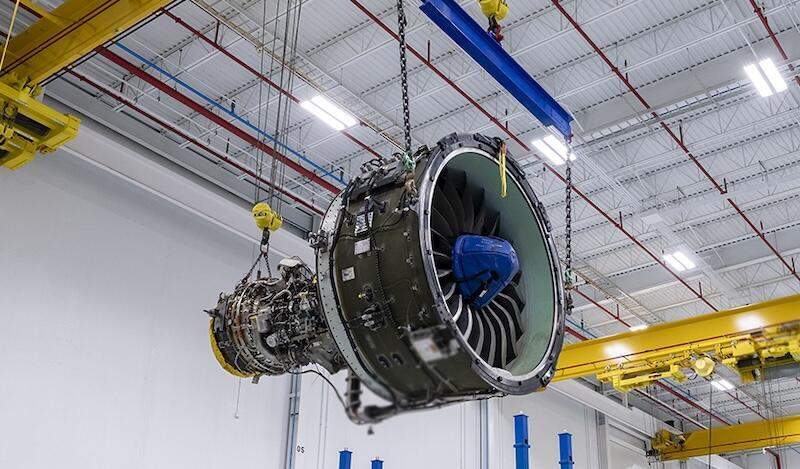
Huang believes that freezing investment in technology infrastructure during uncertain times is a common mistake, but operational capabilities hold greater strategic value in such moments. Among the technologies enhancing industrial resilience, he mentioned edge computing, AI-based predictive maintenance, and equipment specifically designed for demanding industrial environments. Huang noted that Mexico's manufacturing labor costs are roughly one-quarter of those in the United States, and this advantage remains an attraction for global supply chains. However, maintaining competitiveness will require strengthening productivity through more efficient and automated processes.
Related Products


High-Speed Railway Lifting, Transporting, and Erecting Equipment: Integrated Transport and Erection Machine
Hanjiang Heavy Industry Co., Ltd. of China Railway 11th Bureau Group

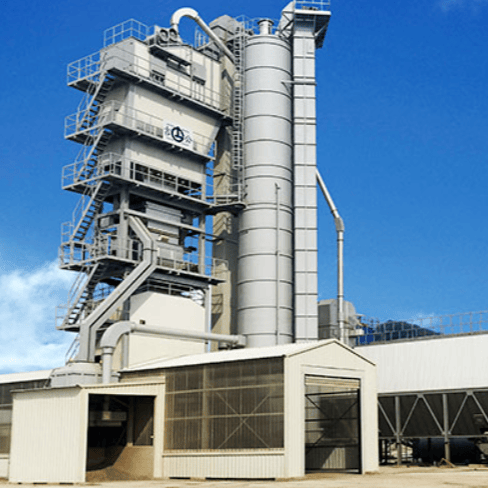
LBH4000 Batch Environmental Protection Asphalt Mixing Plant | Asphalt Batching Plant | Asphalt Mixing Plant
Jilin Province Road Construction Machinery Co., Ltd.
CAP1400 main feedwater flow nozzle flowmeter.
Jiangsu Hongda Instrument Technology Co., LTD.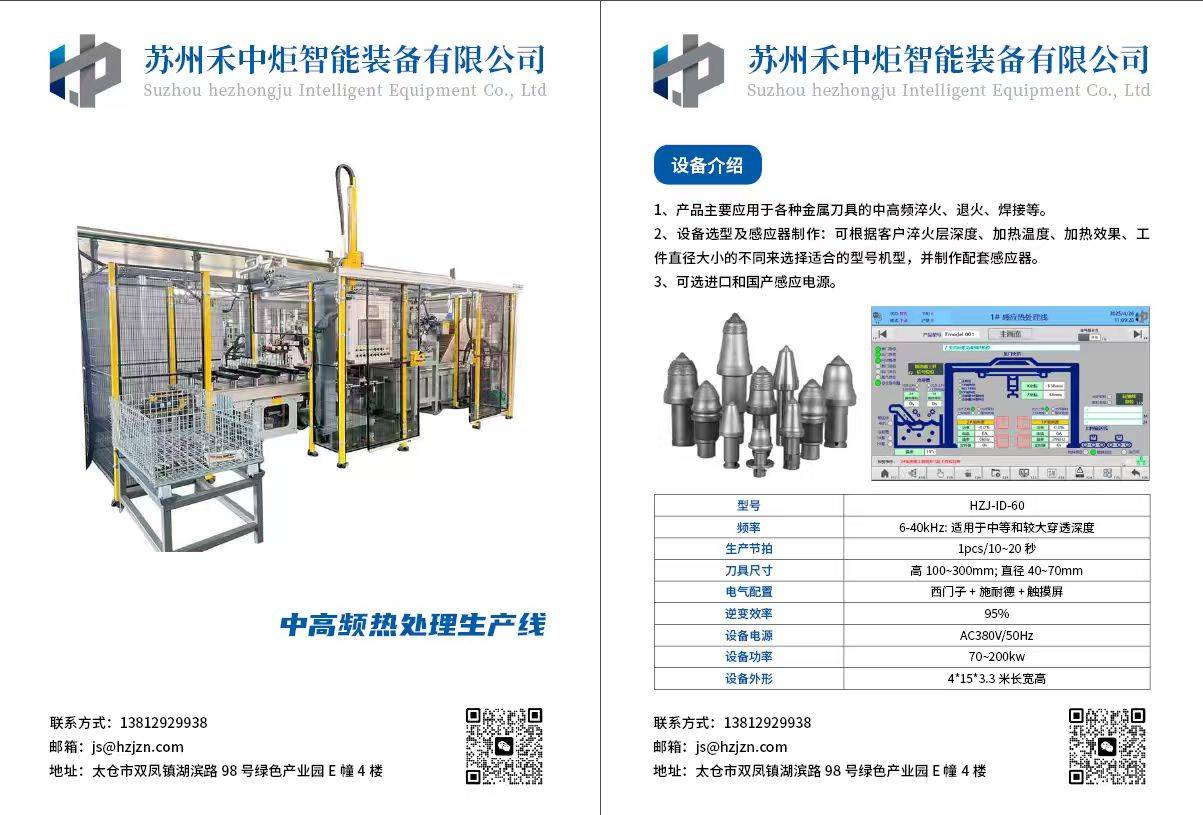
Excavator Bucket Teeth Heat Treatment Production Line
Suzhou Hezhongju Intelligent Equipment Co., Ltd.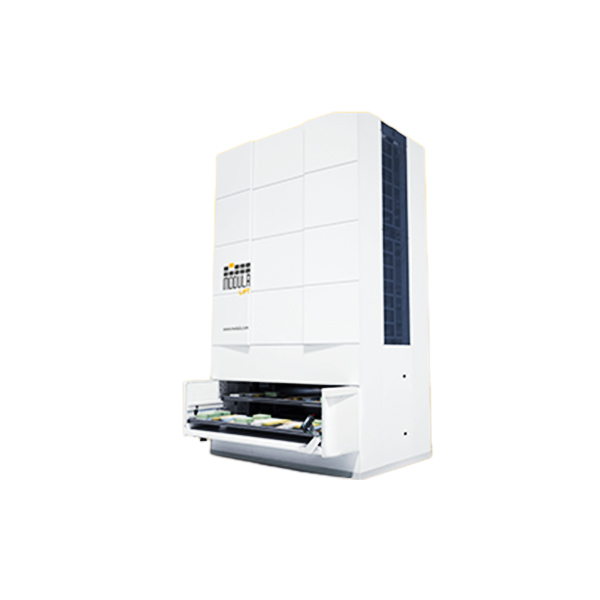

Industrial and Commercial Point-Type Gas Detector
Jinan Benan Technology Development Co., Ltd.

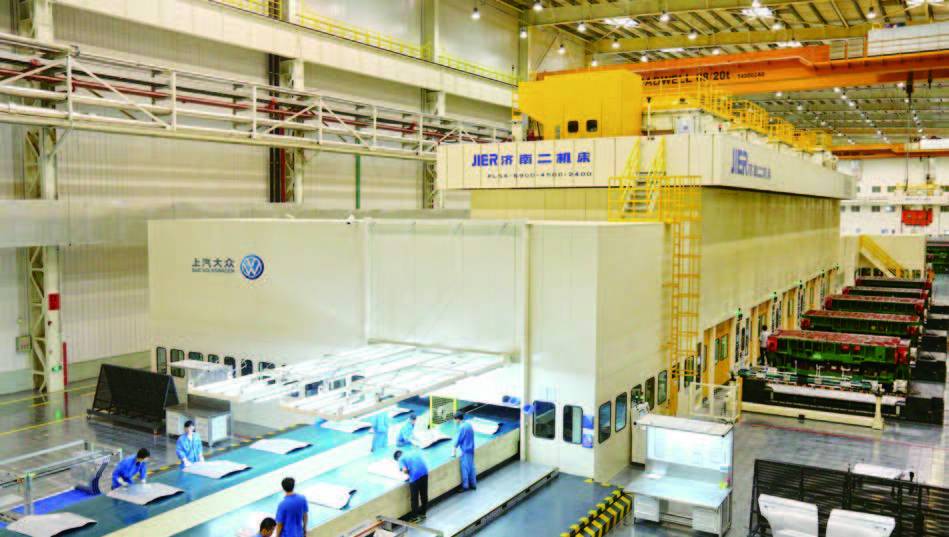
High-Speed Flexible Fully Automatic Stamping Production Line
JIER Machine-Tool Group Co., Ltd.