Dutch Water Authority Launches Power2Tow Consortium to Develop Near-Zero Emission Emergency Tugs
en.Wedoany.com Reported - The Dutch Water Authority (Rijkswaterstaat) has officially launched the development phase of the Power2Tow project, with three consortia simultaneously developing new solutions for near-zero emission Emergency Response Towing Vessels (ERTVs) and associated offshore and onshore charging infrastructure. The project entered its substantive phase on June 30, when Director General Martin Wijnen signed cooperation agreements with the three consortia.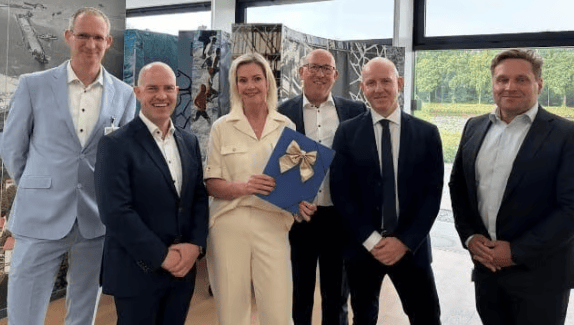
A key feature of Power2Tow is that the Dutch Water Authority enters the development phase together with the consortia. All three consortia have been awarded contracts and are compensated to further develop and refine their proposed innovative solutions. This model provides space for different technological pathways and innovative concepts, while the consortia are required to develop solutions for vessels, offshore and onshore charging infrastructure, and the operational deployment of the entire system.
During the development phase, each proposal will undergo development, testing, and evaluation. Ultimately, one consortium will be selected to deliver the project for the Dutch Water Authority and will be directly awarded a construction and operation contract without a subsequent procurement procedure. Each consortium consists of multiple companies or organizations, each contributing their specific expertise.
The three consortia selected for the development phase are: Kustkracht (comprising Kotug International B.V., IHC Defence B.V., and Bluewater Energy Services B.V.); a consortium of Multraship Ocean Towage B.V., Damen Shipbuilding & Cooperation B.V., and Stillstrom A/S; and Smit Terminals Europe B.V. & Smit Salvage B.V.
Through Power2Tow, the Dutch Water Authority is developing future-proof emergency towing capabilities in the North Sea. The project includes the development of three electric ERTVs capable of charging offshore using wind energy to help protect offshore wind farms from collisions with distressed vessels. The development of offshore and onshore charging infrastructure, as well as the provision of services over a 25-year period, are also within the project scope. The vessels will operate as much as possible on electricity, while emergency towing operations will use sustainable e-methanol. This marks an important step towards further decarbonization in the maritime sector.
Related Products


Industrial and Commercial Point-Type Gas Detector
Jinan Benan Technology Development Co., Ltd.
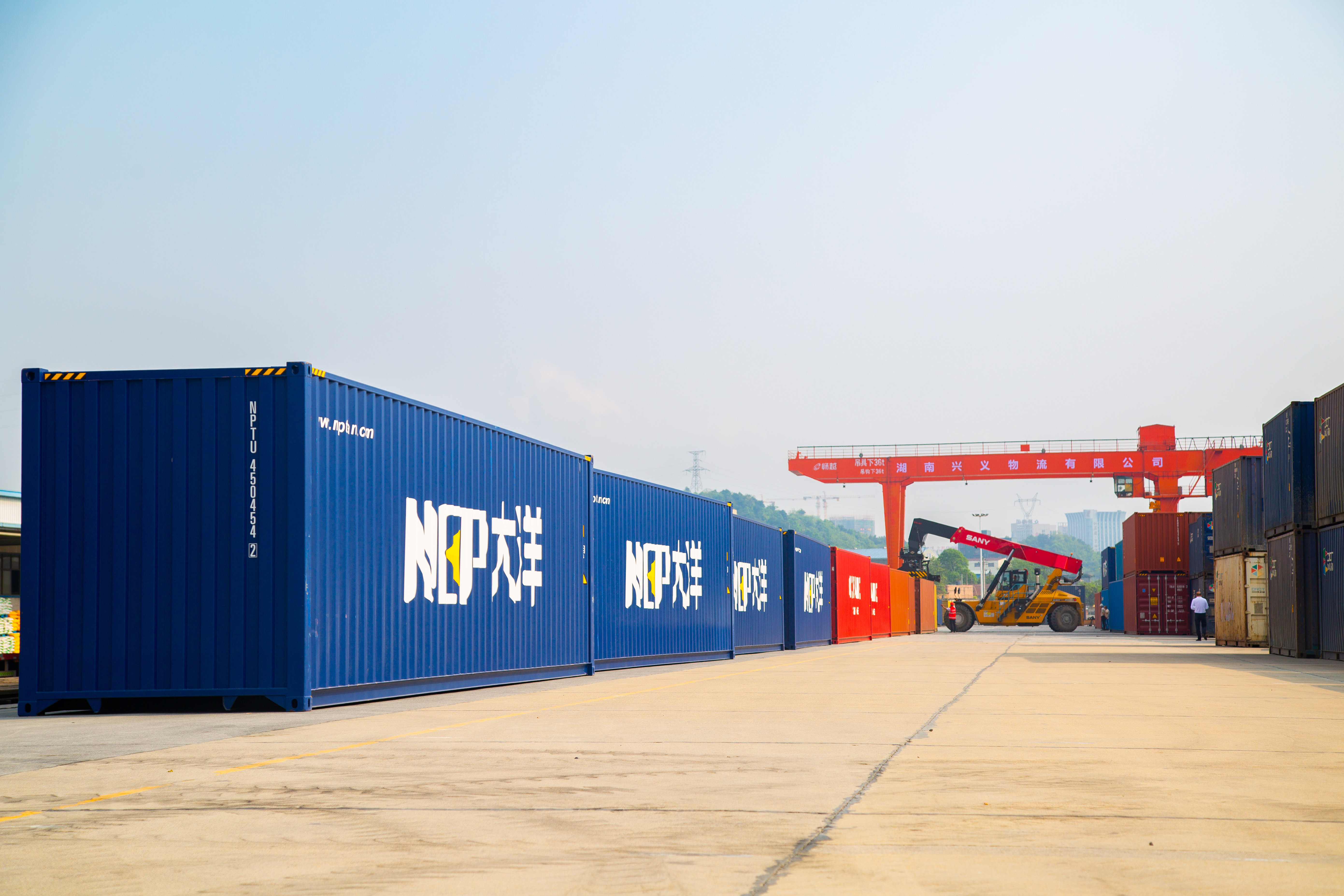
China - Alashankou/Khorgos - Europe Full Range Transportation (Mala/Hamburg/Duisburg/Budapest, etc.)
Shenzhen Neptune Logistics Co., Ltd.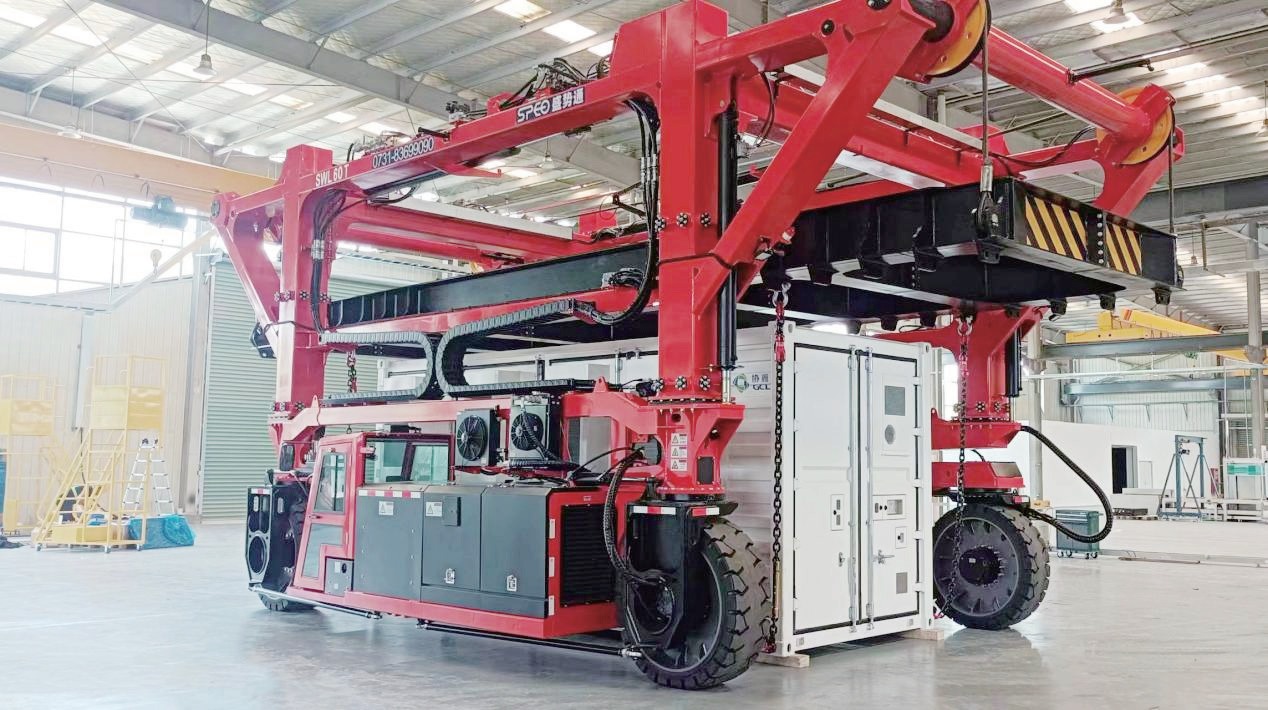

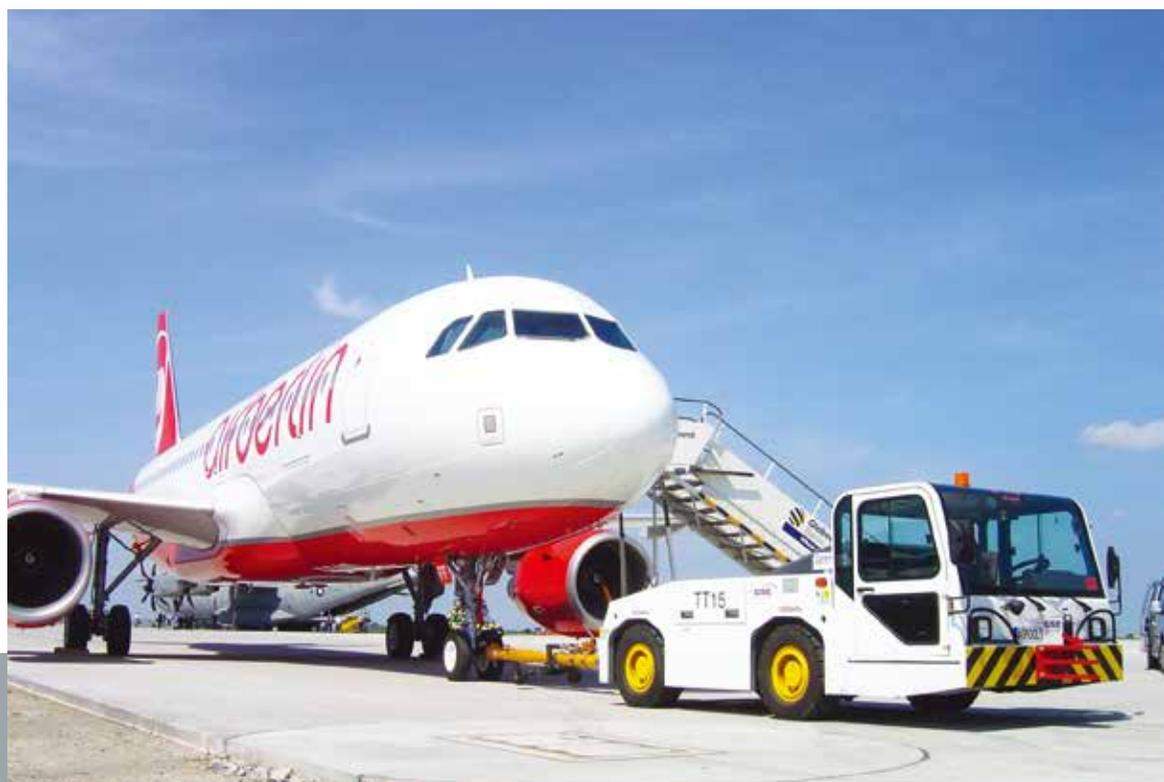
WGQY Series Aircraft Tow Tractor-WGQY15, WGQY27
Weihai Guangtai Airport Equipment Co., Ltd.