Brazil's Embraer E195-E2 surpasses 150 deliveries, challenging Airbus A220
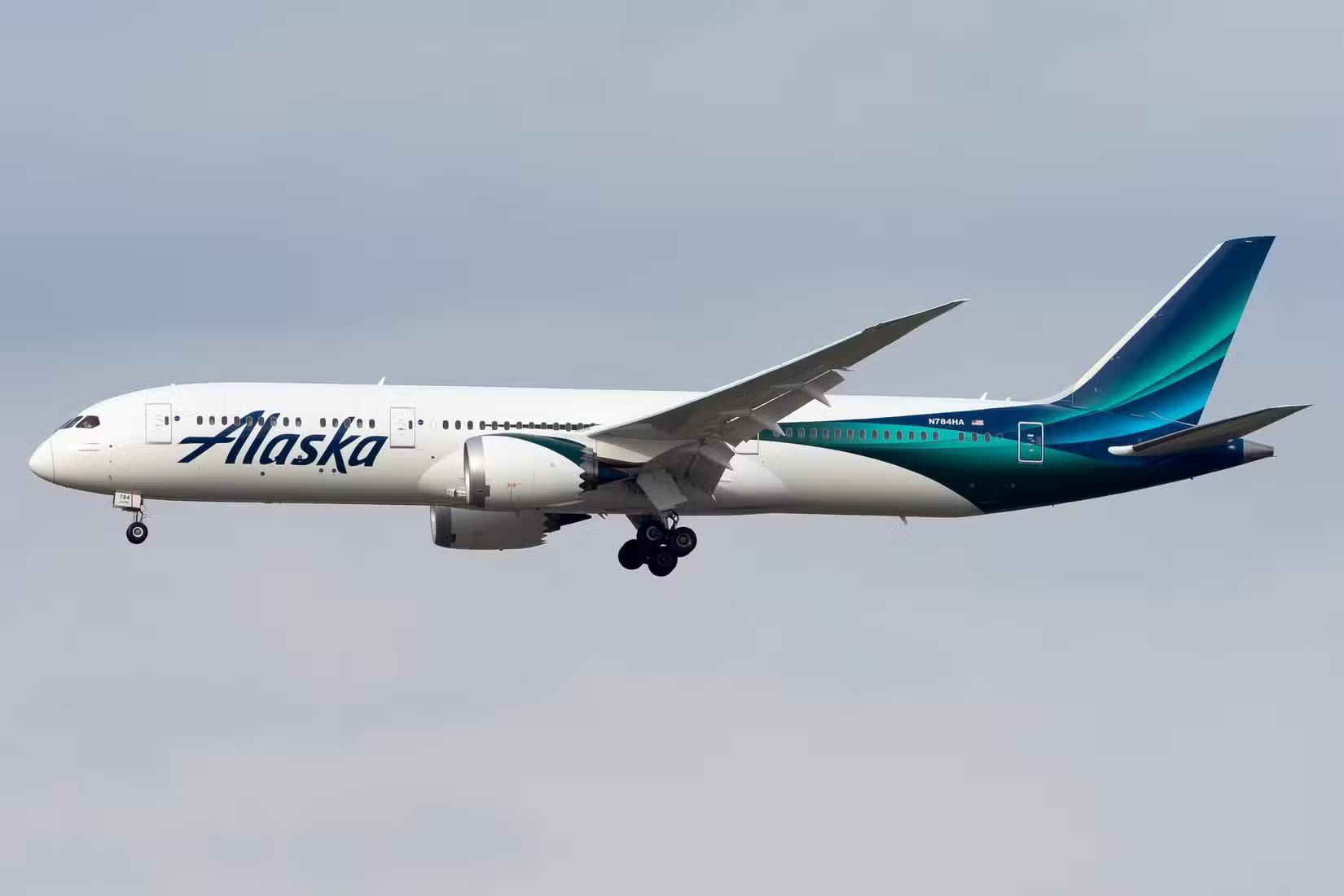
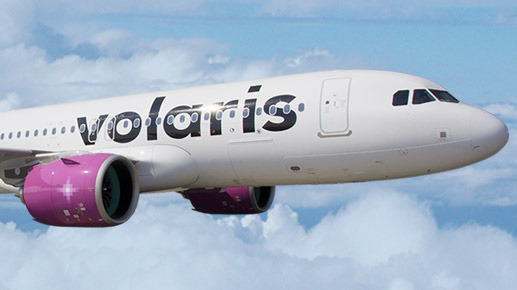
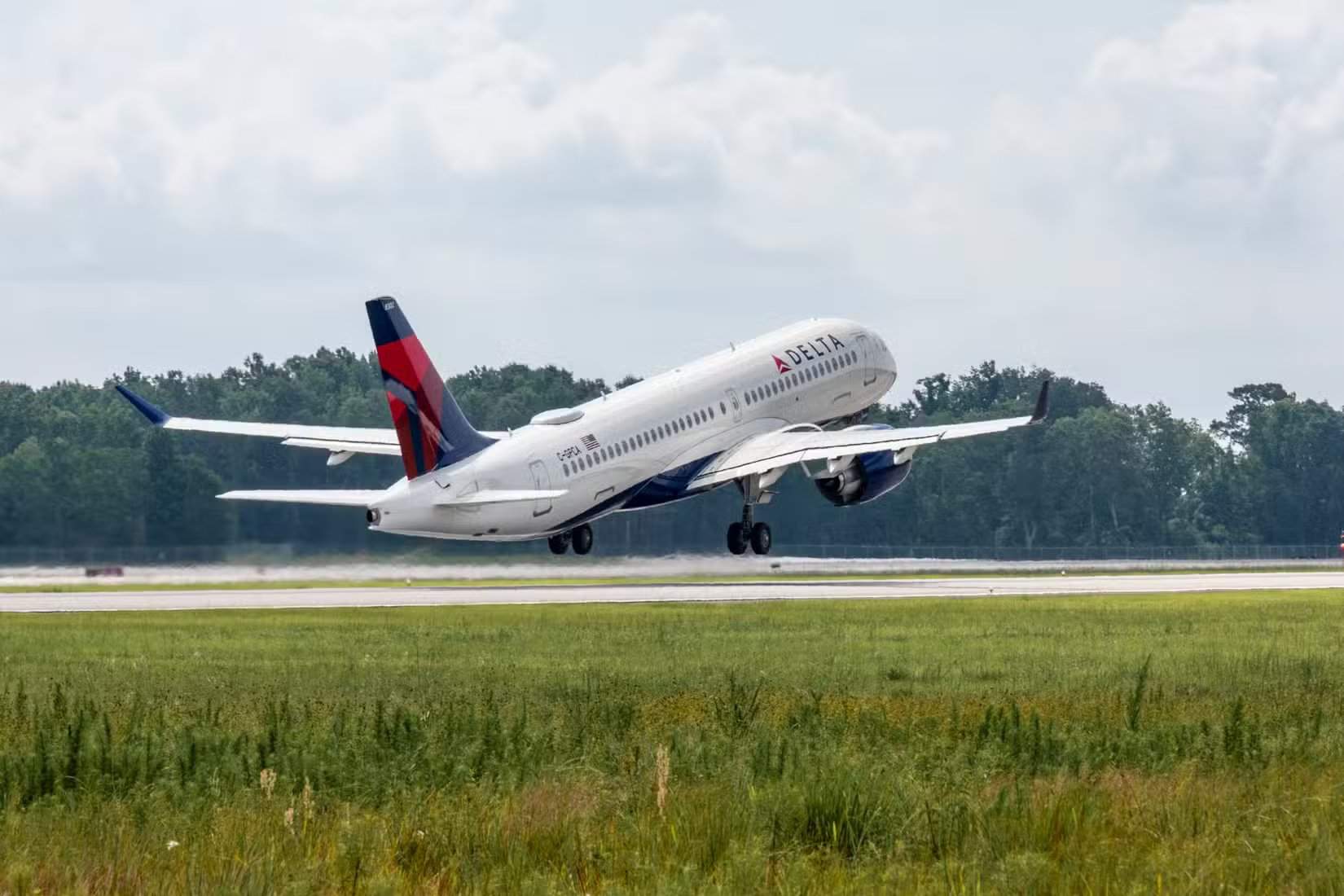
en.Wedoany.com Reported - Airbus's A220 series and Embraer's E-Jet E2 series compete directly in the narrow-body aircraft market. The A220 originated from Bombardier's CSeries, renamed after Airbus acquired a majority stake in July 2018. Over 400 units are currently in service with operators including Delta Air Lines, JetBlue Airways, airBaltic, Air France, and Breeze Airways. The Embraer E195-E2, a stretched variant of the E-Jet E2 series, launched in 2019, has surpassed 150 deliveries, with operators including Porter Airlines, Mexicana de Aviación, KLM Cityhopper, and Azul Brazilian Airlines.
The development of the Airbus A220 began in the early 2000s with Bombardier's CSeries program. Launched in 2005, the project aimed to compete with aircraft like Embraer's E-Jet series. In 2007, Bombardier selected Pratt & Whitney engines to power the aircraft, and formal sales proposals began in 2008. After multiple delays due to supplier issues, the first prototype, the CS100, made its maiden flight in September 2013, followed by the CS300 in February 2015. The CS100 received type certification from Transport Canada in 2015, and the CS300 was certified in July 2016. The CS100 entered commercial service with Swiss Global Air Lines in June 2016. In the late 2010s, Bombardier faced financial difficulties due to program delays, leading Airbus to acquire a majority stake and rename the CSeries as the A220 in July 2018.
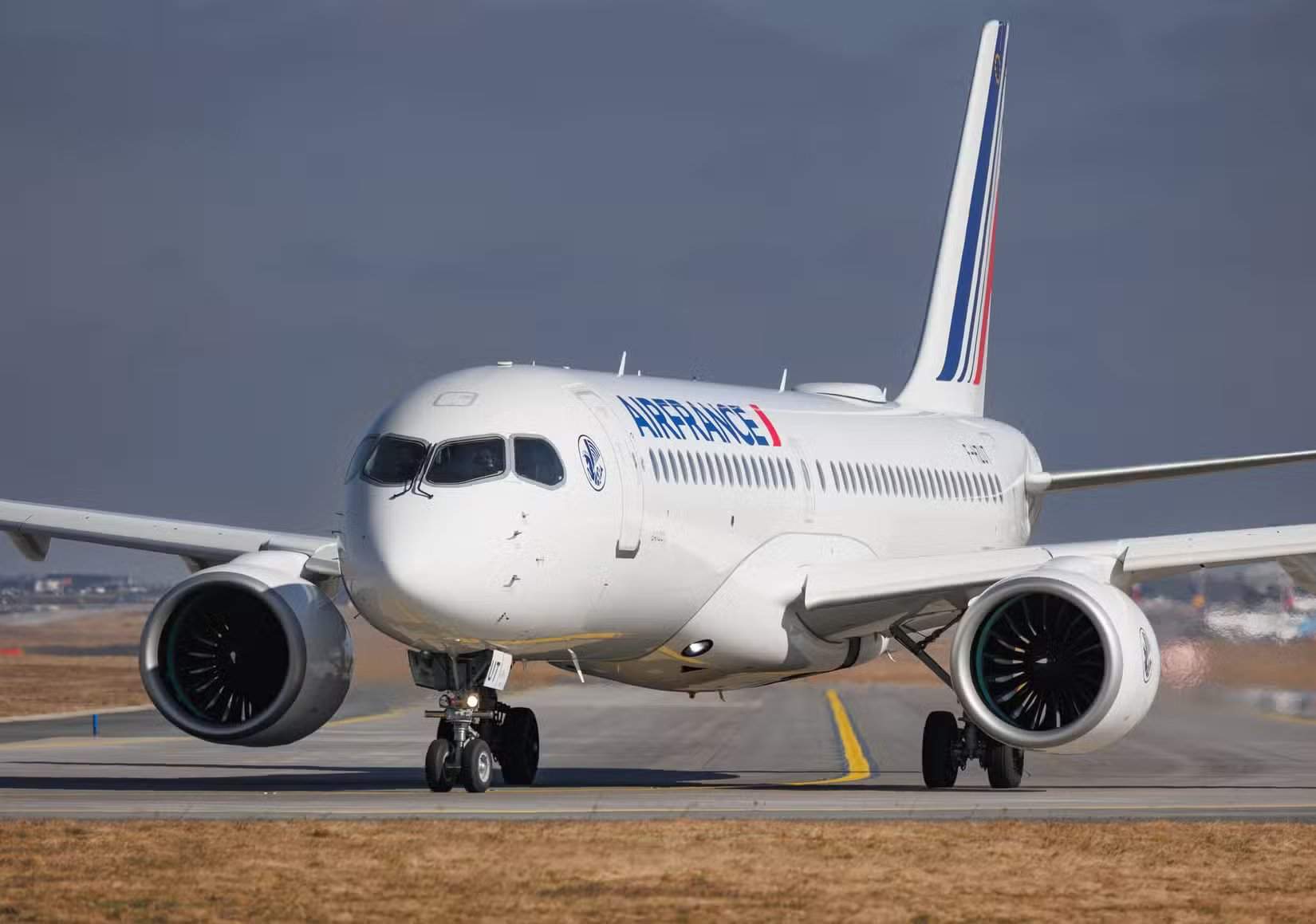
The A220 is a single-aisle narrow-body aircraft with a wide five-abreast fuselage. The series includes the A220-100 and A220-300, with over 99% parts commonality between the two models. The fuselage primarily uses aluminum-lithium alloy, while the wings and tail employ carbon composites. Power comes from Pratt & Whitney PW15000G Geared Turbofan (GTF) engines, each producing up to 24,400 pounds of thrust. The A220-100 has a length of 114 feet 10 inches, a height of 37 feet 9 inches, a wingspan of 115 feet 2 inches, a maximum takeoff weight of 139,000 pounds, a cruise speed of 483 knots (556 mph), a range of 3,600 nautical miles (4,200 miles), and a service ceiling of 41,000 feet. The A220-300 has a length of 127 feet, a height of 37 feet 9 inches, a wingspan of 115 feet 2 inches, a maximum takeoff weight of 156,000 pounds, a cruise speed of 483 knots (556 mph), a range of 3,400 nautical miles (3,900 miles), and a service ceiling of 41,000 feet. The cabin can be configured for up to 135 or 160 passengers, with many aircraft featuring a two-class layout. The cockpit uses Rockwell Collins Pro Line Fusion avionics, including five displays and an optional head-up display. Both models share the same cockpit, allowing pilots to fly both types with the same type rating.
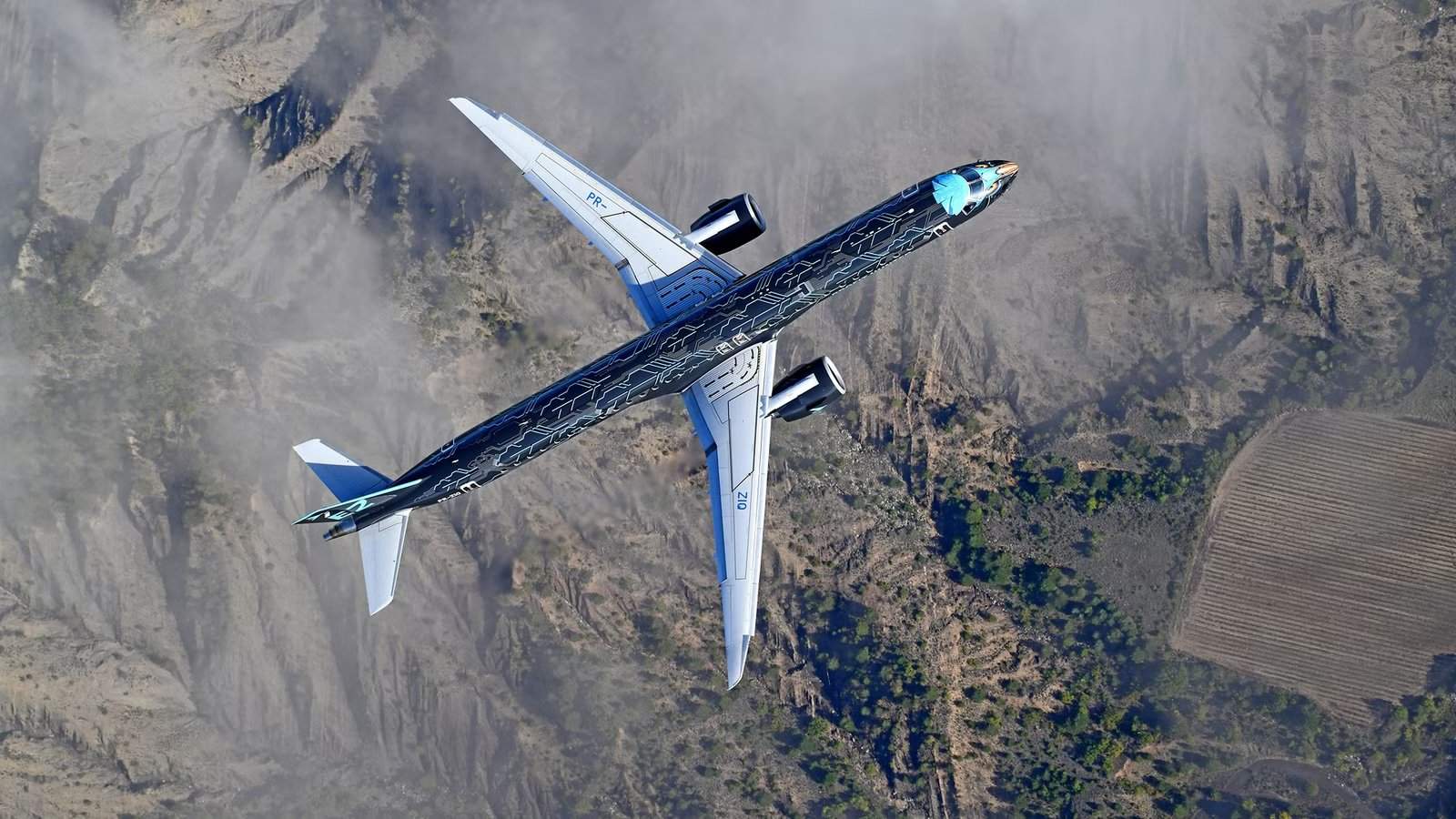
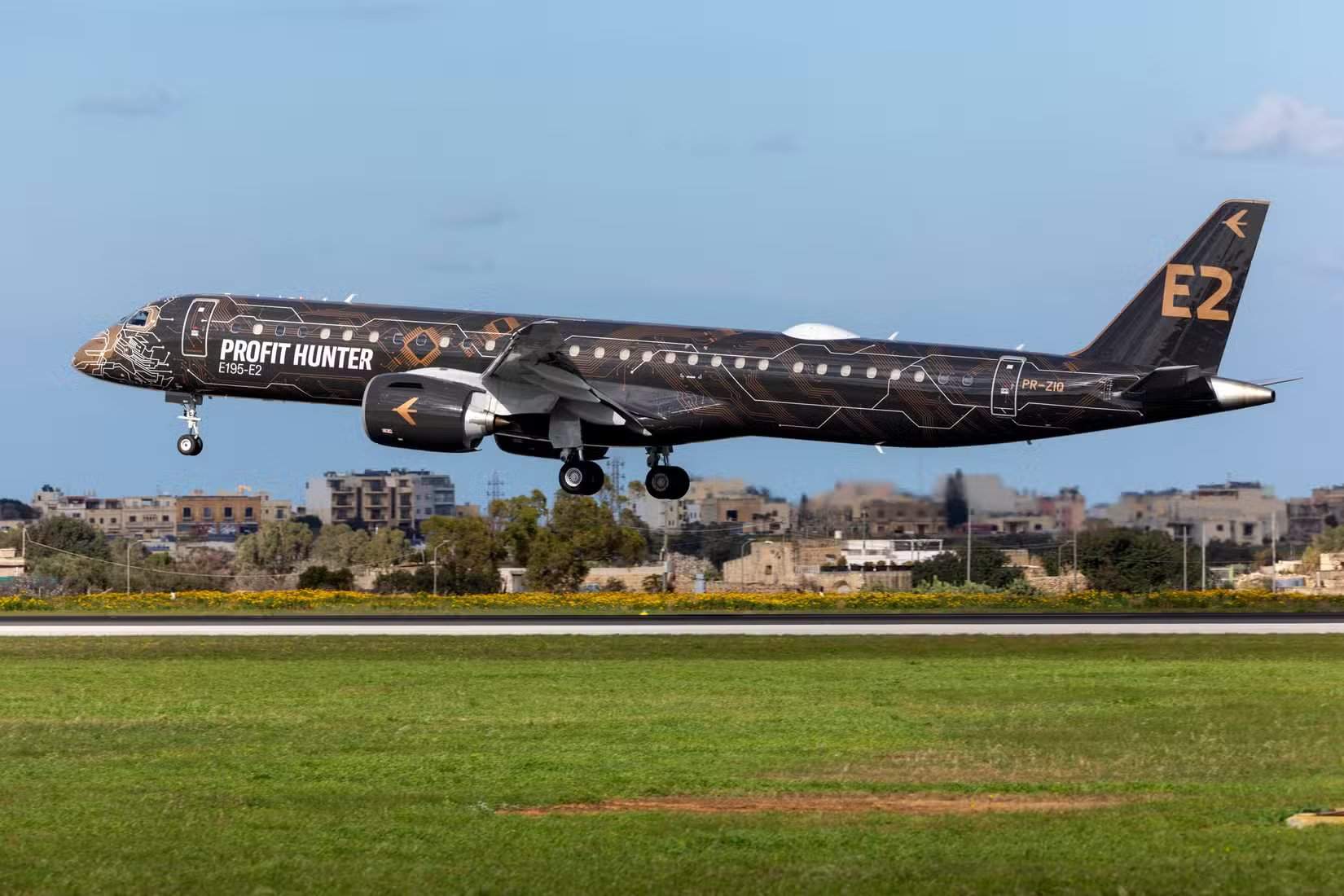
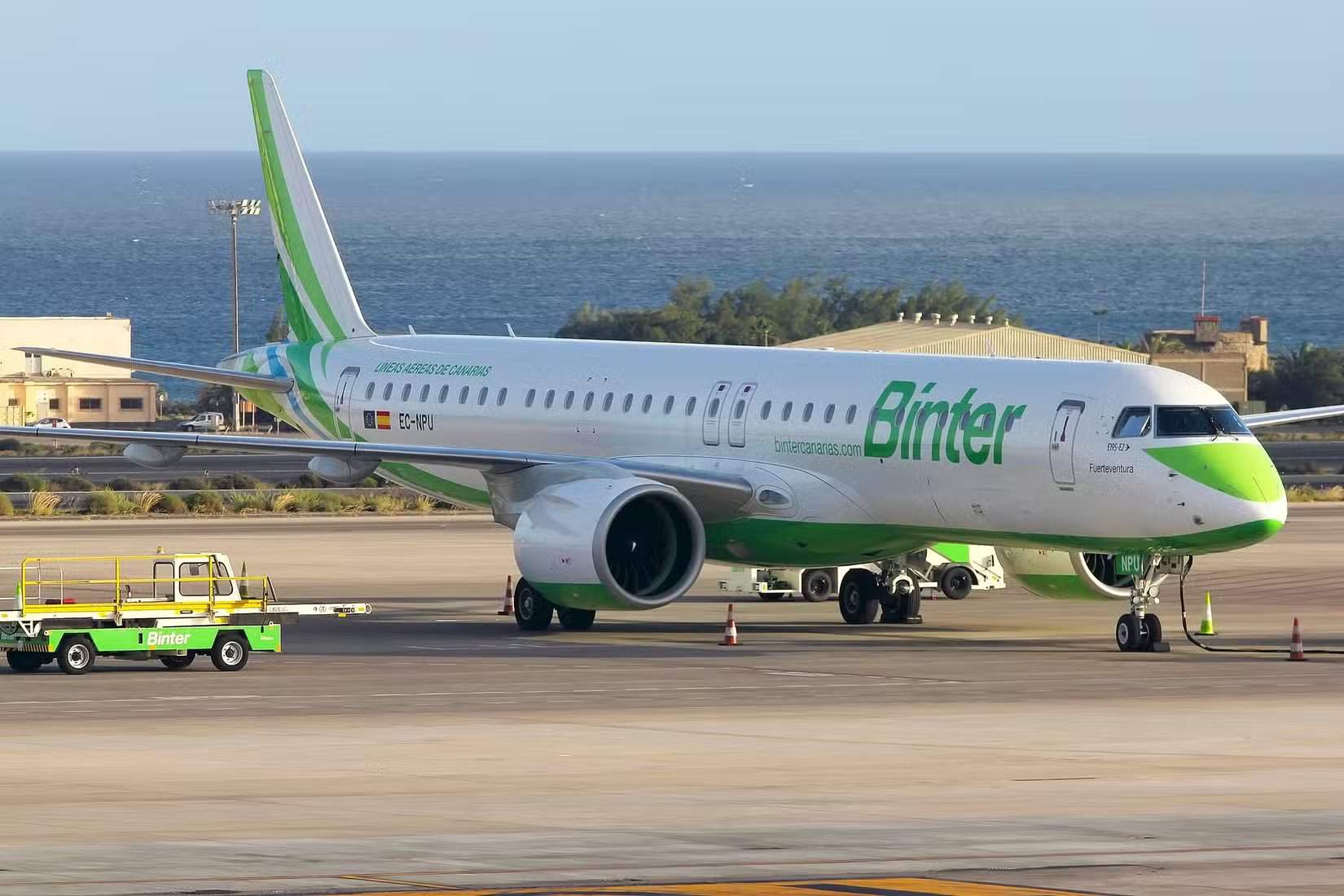
Embraer announced an upgrade to the E-Jet series at the Dubai Airshow in November 2011, and formally launched the E2 program at the Paris Airshow in June 2013, unveiling three models: the E175-E2, E190-E2, and E195-E2. The first prototype of the series, the E190-E2, made its maiden flight in May 2016, followed by the E195-E2 in March 2017. Both aircraft received type certification from Brazil's National Civil Aviation Agency (ANAC), the U.S. Federal Aviation Administration (FAA), and the European Union Aviation Safety Agency (EASA) in February 2018 and April 2019, respectively. The E190-E2 entered service with Widerøe in April 2018, and the E195-E2 entered service with Azul Brazilian Airlines in September 2019. Embraer has delivered over 150 aircraft but has ceased production of the E175-E2.
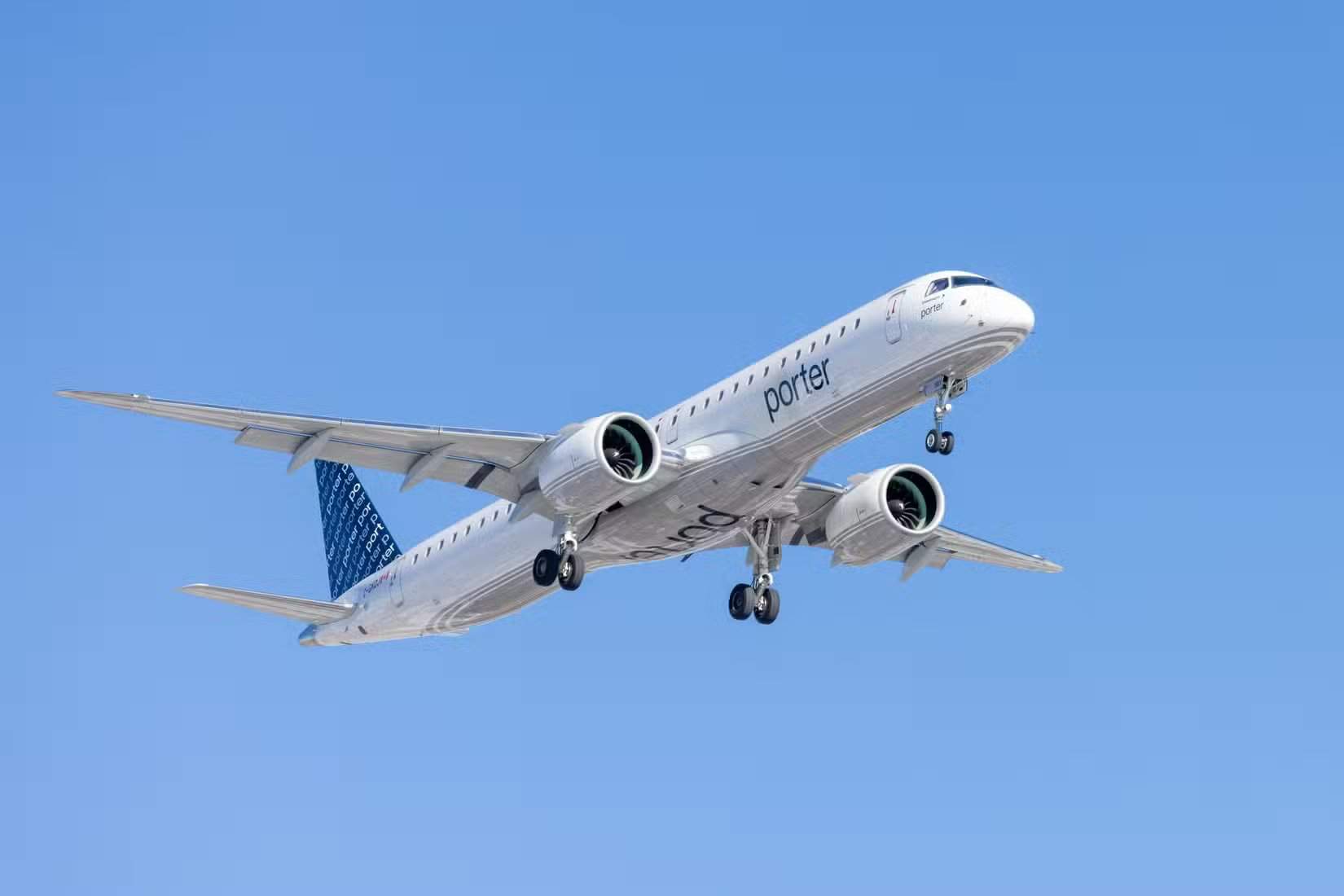
The E195-E2, the larger model in the series, has a length of 136 feet 2 inches, a height of 35 feet 10 inches, a wingspan of 115 feet 3 inches, a maximum takeoff weight of 137,800 pounds, a cruise speed of 450 knots (518 mph), a range of 3,000 nautical miles (3,500 miles), and a service ceiling of 41,000 feet. In a high-density layout, it can accommodate up to 150 passengers, with a typical layout seating around 120. Power comes from Pratt & Whitney PW1900G turbofan engines, each producing approximately 23,000 pounds of thrust. The aircraft uses Honeywell Primus Epic 2 avionics, common with the E1 family, enabling cross-family commonality. It features a closed-loop fly-by-wire flight control system, significantly reducing weight. Compared to the E-Jet family, the E2 series features a redesigned wing, upgraded pylons, landing gear, and some flight control surfaces.
These two aircraft compete in the 100-150 seat market. The largest operator of the E195-E2 is Porter Airlines, operating nearly 50 aircraft. Other major operators include Air Peace, Mexicana de Aviación, and Helvetic Airways. The largest operator of the A220 is Delta Air Lines, with other major operators including Swiss International Air Lines, Air Canada, Breeze Airways, ITA Airways, and Korean Air.
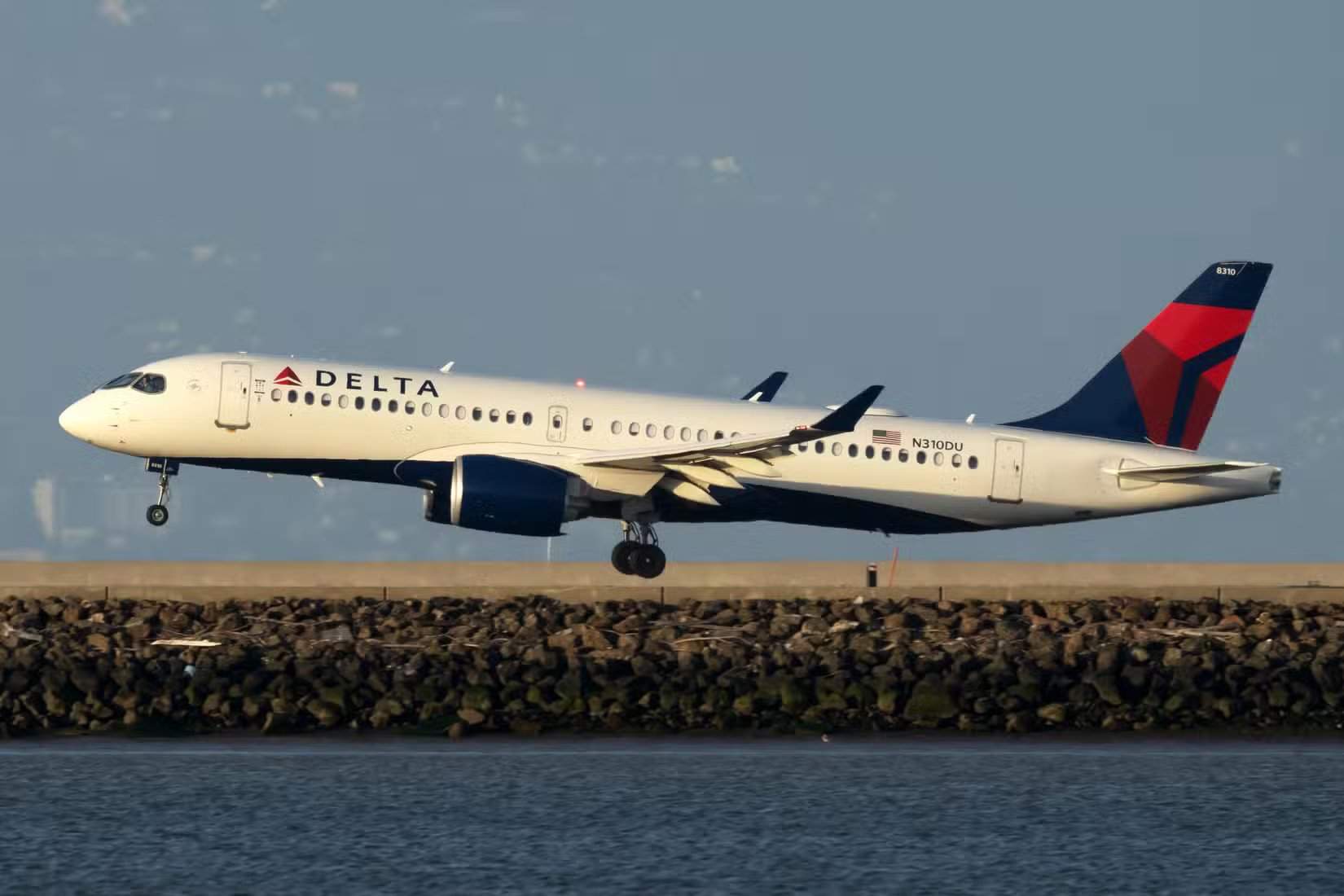
The E195-E2 poses a challenge to Airbus. This new aircraft offers advantages in fuel efficiency, operating costs, and airframe weight, making it more attractive to airlines operating short- or medium-haul routes. Its acquisition and maintenance costs are significantly lower than those of the A220, making it suitable for airlines and regional operators seeking to modernize their fleets without incurring excessive financial burdens. Airbus has noted that the E2 series is entering a market it had hoped to dominate, with operators such as Porter Airlines, Azul, and KLM Cityhopper using the E195-E2 to expand premium regional services.
Related Products


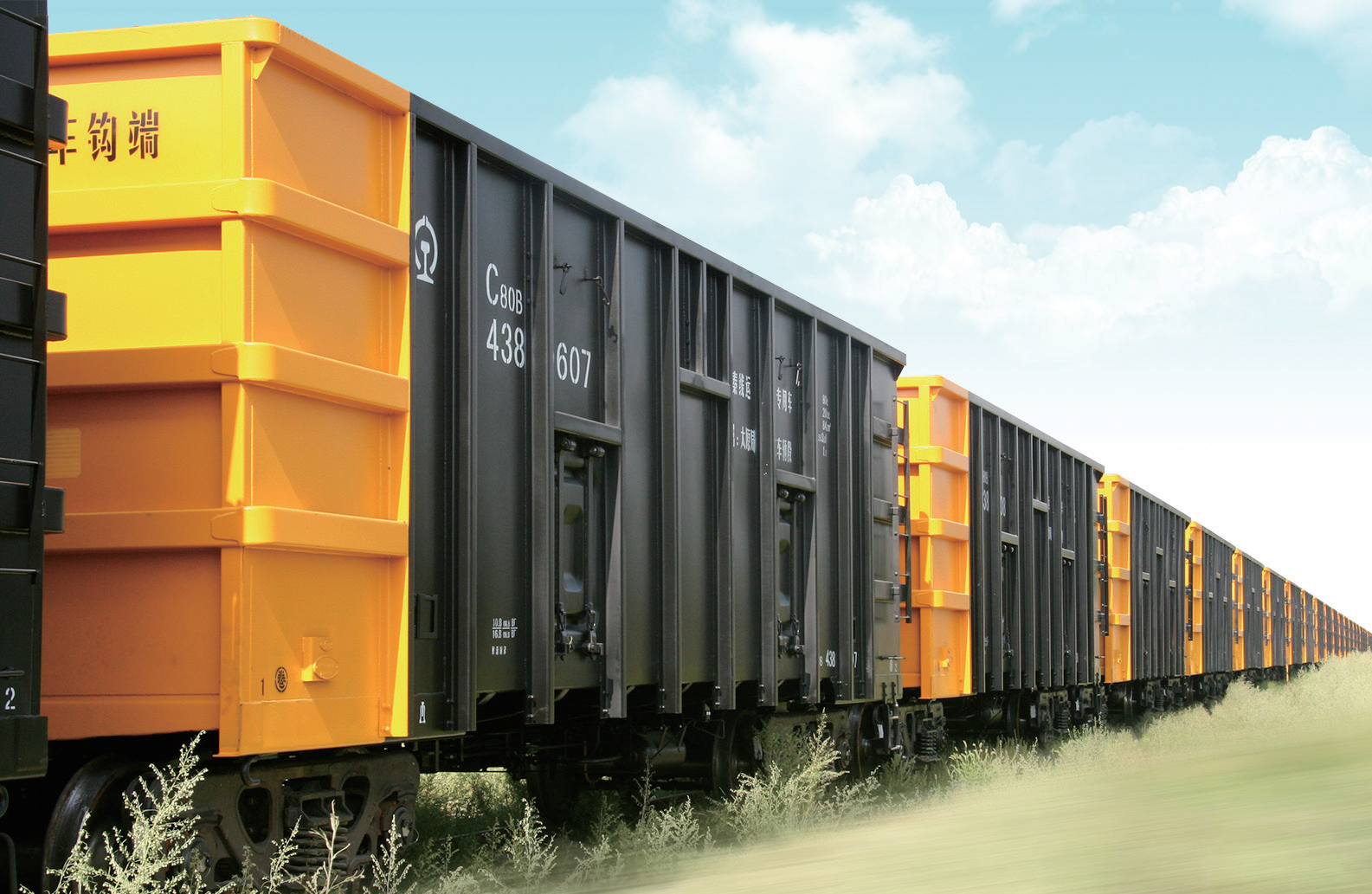
China - Alashankou/Khorgos - Europe Full Range Transportation (Mala/Hamburg/Duisburg/Budapest, etc.)
Shenzhen Neptune Logistics Co., Ltd.

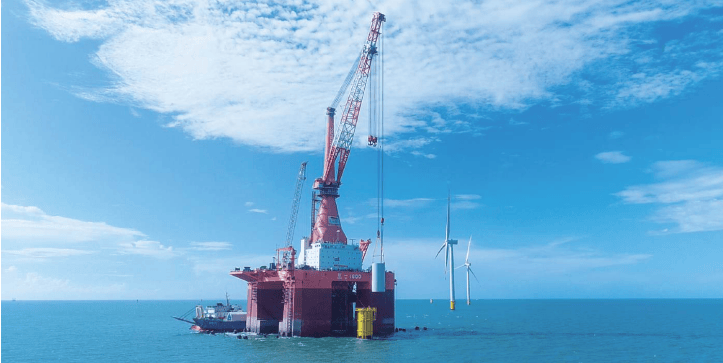
"Shunyi 1600" Deep-submerging Bottom-sitting Multi-functional Wind Power Engineering Vessel
Zhengli Offshore Engineering Co., Ltd.
Wheel and Track Technology Business
Beijing Research & Design Institute of Rubber Industry Co., Ltd.