New South Wales, Australia, Procures 1,700 Electric Buses with AUD 6.5 Billion
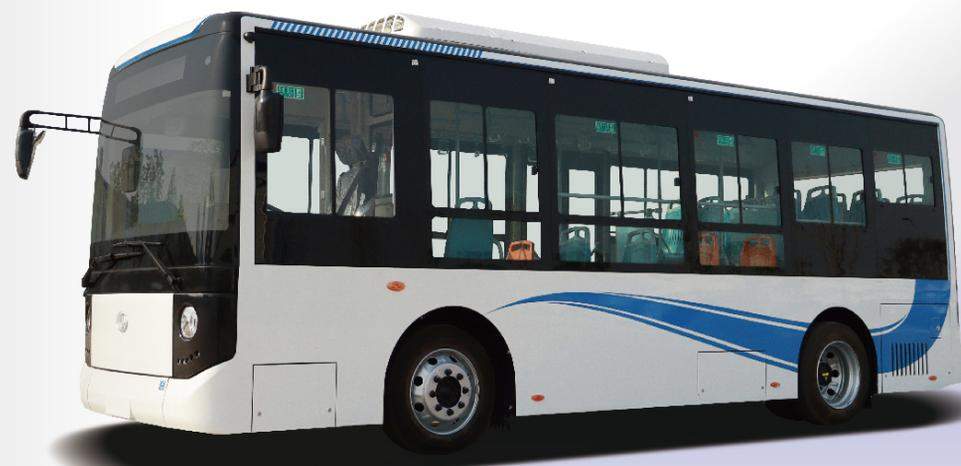
en.Wedoany.com Reported - In the first quarter of 2026, the delivery volume of electric buses in Australia showed a month-on-month upward trend. From January to March, a total of 121 electric buses were delivered nationwide, including 9 in January, 45 in February, and 67 in March.
Looking at the overall market, Australia delivered 147 buses in February, of which 45 were zero-emission pure electric models, accounting for about one-third, surpassing the approximately 20% share of plug-in models in the passenger car market during the same period. Australian Bus News described this as a "major shift in the proportion of power sources." The electric buses delivered in February came from multiple brands: 12 from Volvo, 11 from BYD Nexport, 8 from Yutong, 7 from Custom Denning, and 5 from Scania. This trend continued in March, with alternative energy buses accounting for 59 of the 199 total deliveries, nearly 30%, compared to 24% for passenger cars.
Entering the second quarter, the electrification process accelerated further. In April, 72 of the 158 buses delivered were electric models, accounting for slightly more than 45%. Among them, BYD supplied 21, Scania 15, and Yutong 13. Data for May remained stable, with 73 zero-emission buses and 80 diesel buses delivered during the same period. Currently, it is estimated that approximately 1,200 buses nationwide have been ordered but not yet delivered.
State governments are advancing the transition to electric buses. The New South Wales government (led by the Australian Labor Party) announced an investment of AUD 6.5 billion over 10 years to purchase at least 1,700 new electric buses and build 17 dedicated charging stations, a commitment accounting for 67% of the national backlog. The Victorian government (led by Labor) has mandated that all new public transport buses purchased from July 1, 2025, must be zero-emission vehicles. Currently, about 80 electric buses are operating in Melbourne, with a regional pilot program set to begin later this year; the state accounts for 18% of the backlog. In Queensland, the recent change of government from Labor to the Liberal National Party (LNP) has led the LNP to downplay the "pure electric mandate," advocating a "balanced approach" to replace aging diesel and gas buses. However, the local bus industry expects to produce and supply over 400 electric buses in the coming years, with the state's orders accounting for 11% of the backlog. The Australian Capital Territory plans to fully transition the Canberra bus network to electric.
Several bottlenecks have emerged during the transition, primarily related to lagging power upgrades at bus stations. According to the Sydney Morning Herald, 10 of Sydney's 14 major bus stations failed to meet their electrification targets on time, with some newly delivered buses being stored in temporary facilities because the charging grid is not yet ready.
Local supplier Volgren is fulfilling an order for 95 pure electric buses for Transport for NSW, with a goal of putting 600 zero-emission buses into operation nationwide. Western Australia (led by Labor) is adding approximately 11 electric buses per month to the Transperth network in Perth, aiming to have 130 new buses on the road, with 150 electric buses of various brands already in operation locally.
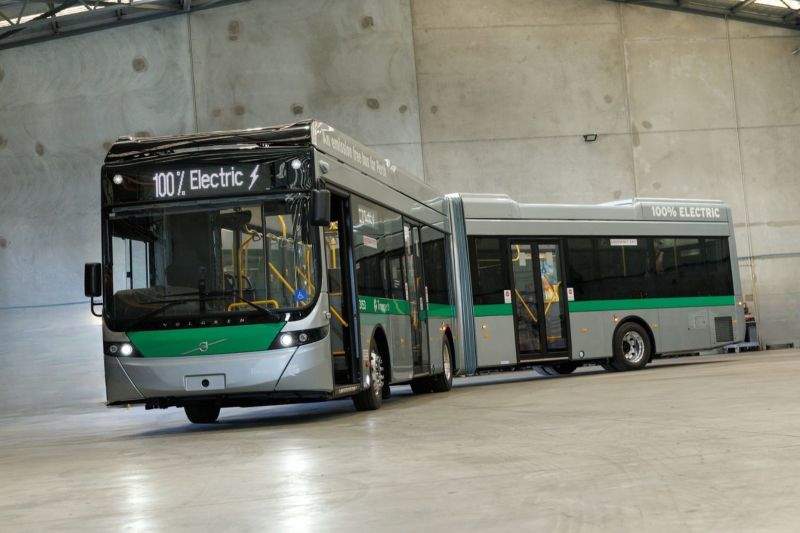
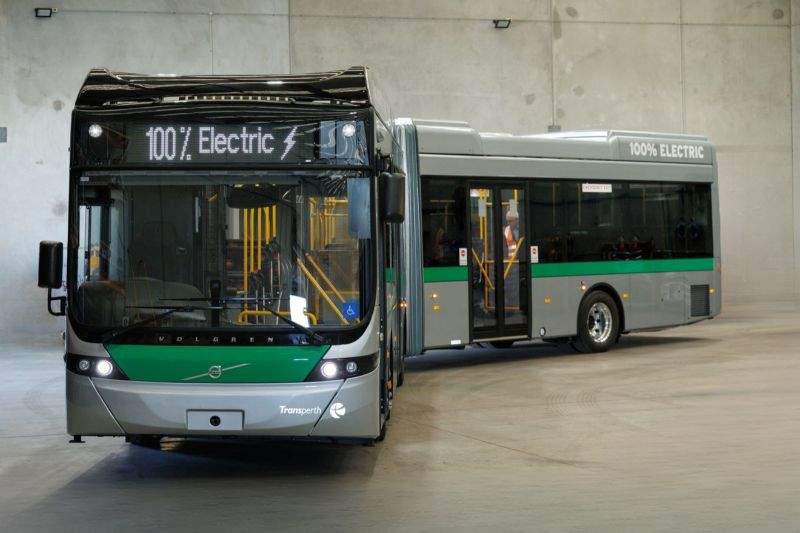
The latest information shows that Volgren has launched Australia's first electric articulated bus in Western Australia. The bus is based on Volvo's zero-emission technology and features Volgren's local body design and engineering. The model, Optimus ebus, is 18 meters long, can accommodate 57 people, and is mounted on a Volvo BZLA articulated pure electric chassis. The vehicle is powered by a dual-motor EPT802, equipped with 12 CATL lithium iron phosphate batteries with a total installed capacity of 497 kWh, and uses the CCS2 charging standard.
Volgren CEO Thiago Deiro stated that the first electric articulated bus demonstrates the combination of global technology and local capabilities, delivered by Volgren's Malaga plant in Western Australia in collaboration with Volvo and the PTA. Deiro noted that the transition to zero-emission transportation is not just about new technology but also about whether vehicles are designed, built, and supported for the networks in which they operate. This milestone reinforces the value of Australian manufacturing.
In 2025, Australia registered nearly 43,000 diesel buses and 629 pure electric buses, with pure electric buses accounting for only about 1%. Entering 2026, the numbers are changing rapidly.
Related Products


Industrial and Commercial Point-Type Gas Detector
Jinan Benan Technology Development Co., Ltd.
3m intelligent buoy combining navigation safety and real-time marine monitoring integrated navigation and marine monitoring system for real-time maritime data
Chengdu Dixin Technology Co., Ltd.
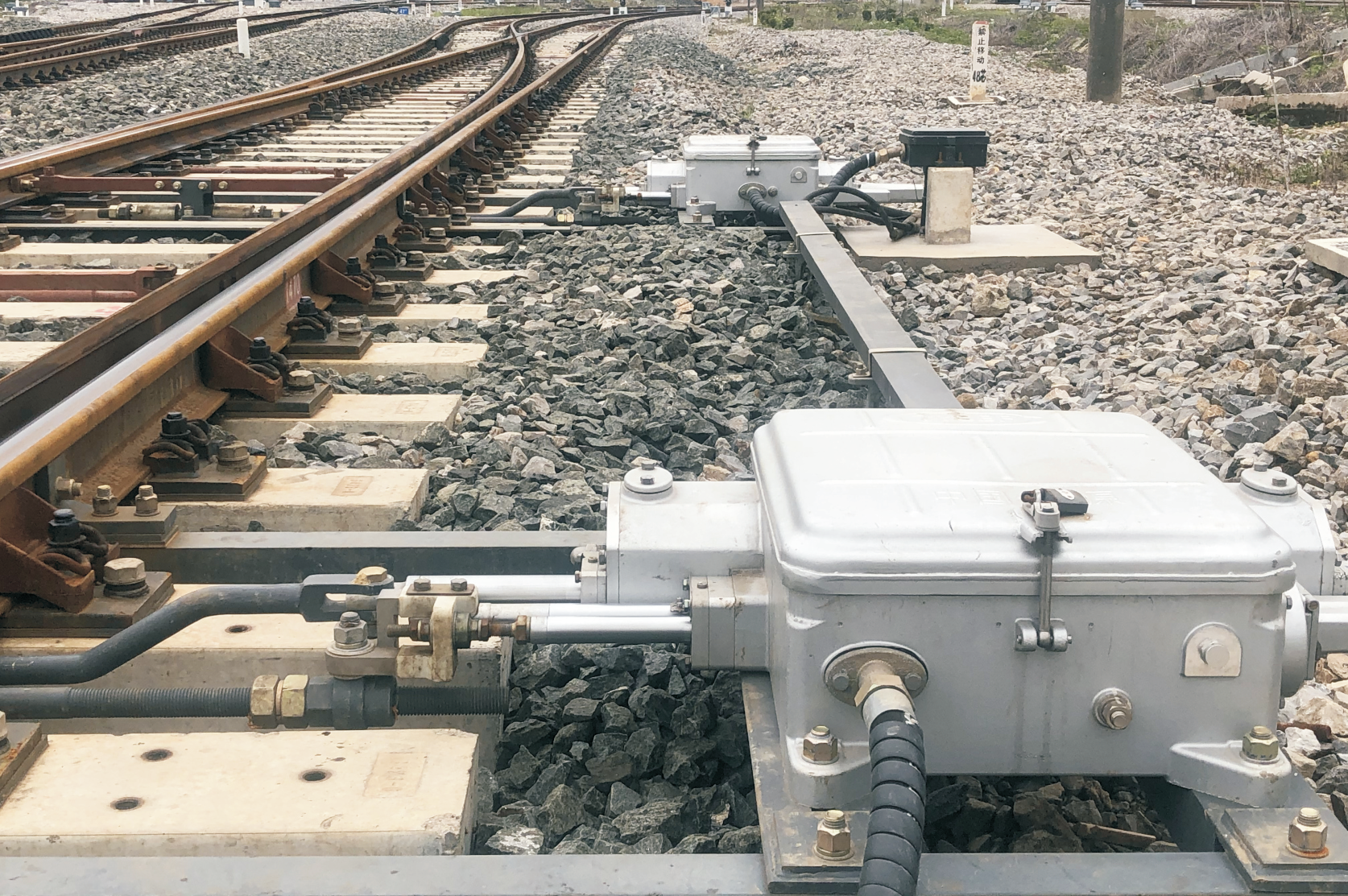
ZY(J)7(M) Sealed Type Electro-Hydraulic Turnout Machine
TAIYUAN CR JINGFENG EQUIPMENT TECHNOLOGY CO., LTD.
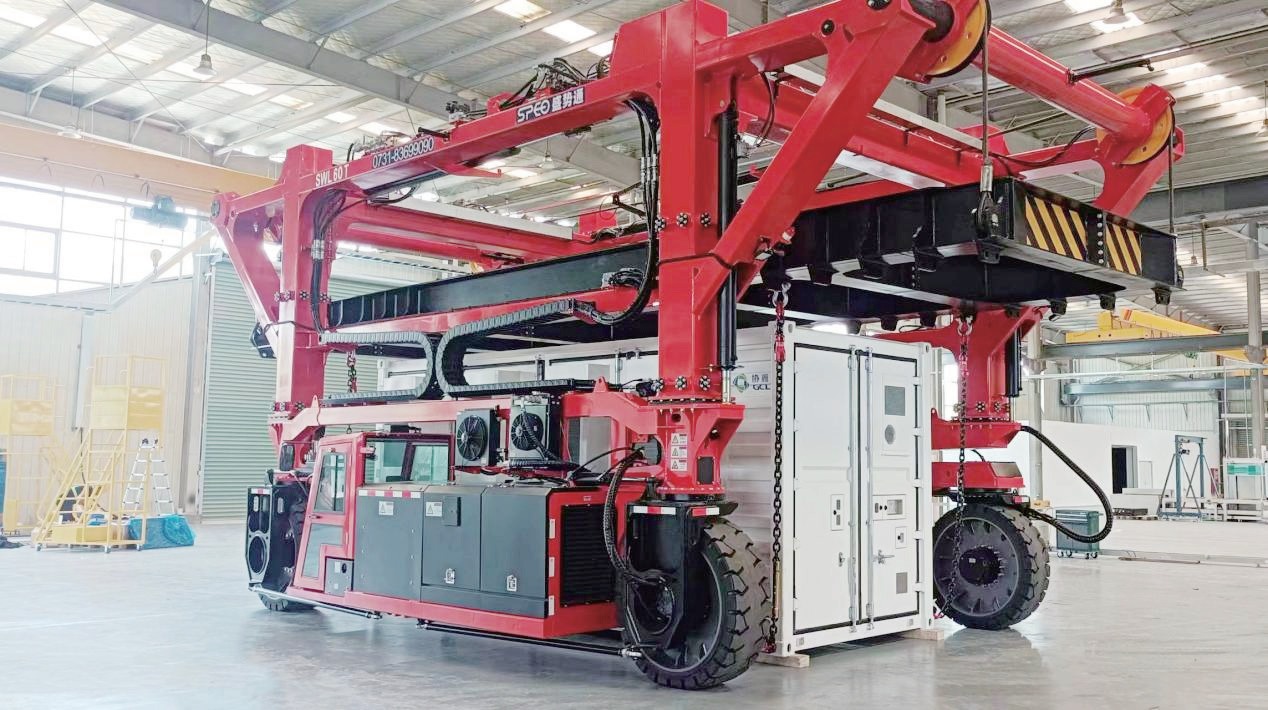
Explosion-proof lithium battery dispatching monorail crane locomotive (permanent magnet frequency conversion integrated machine)
Xiangtan Hengxin Industrial Co., Ltd.