US Boom Company Secures 130 Orders, Faces Challenges for Commercial Operations by 2029
en.Wedoany.com Reported - Boom Supersonic has made greater progress on its supersonic aircraft project than any previous private enterprise, but whether the company can achieve commercial passenger service by 2029 remains a significant challenge. Boom has broken the sound barrier with its demonstrator, completed a production facility, secured 130 conditional orders from three major airlines, and begun developing its own engine after all established engine manufacturers withdrew. However, certifying both a newly designed supersonic airframe and a custom engine simultaneously is an extremely daunting task for any company.
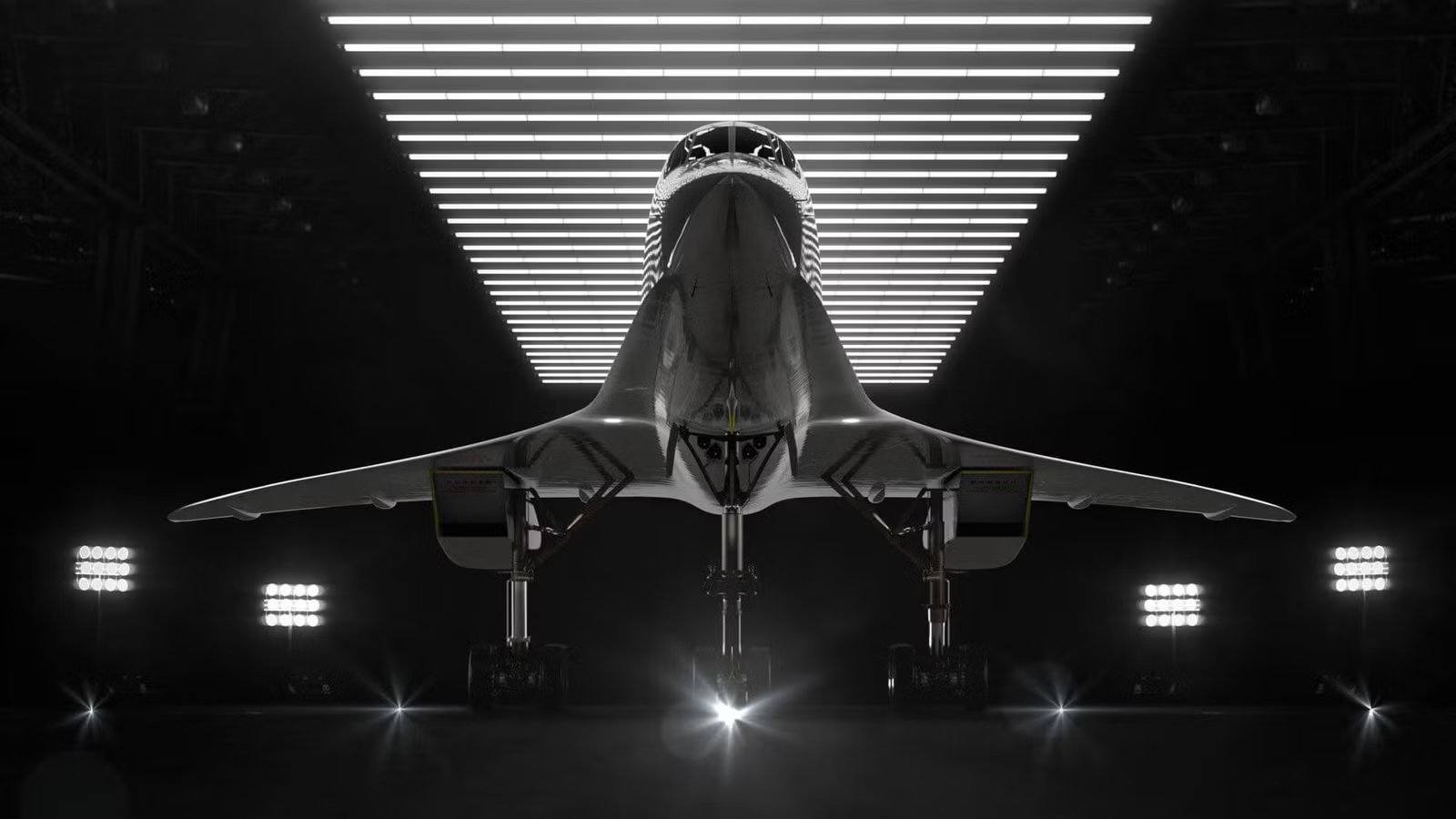
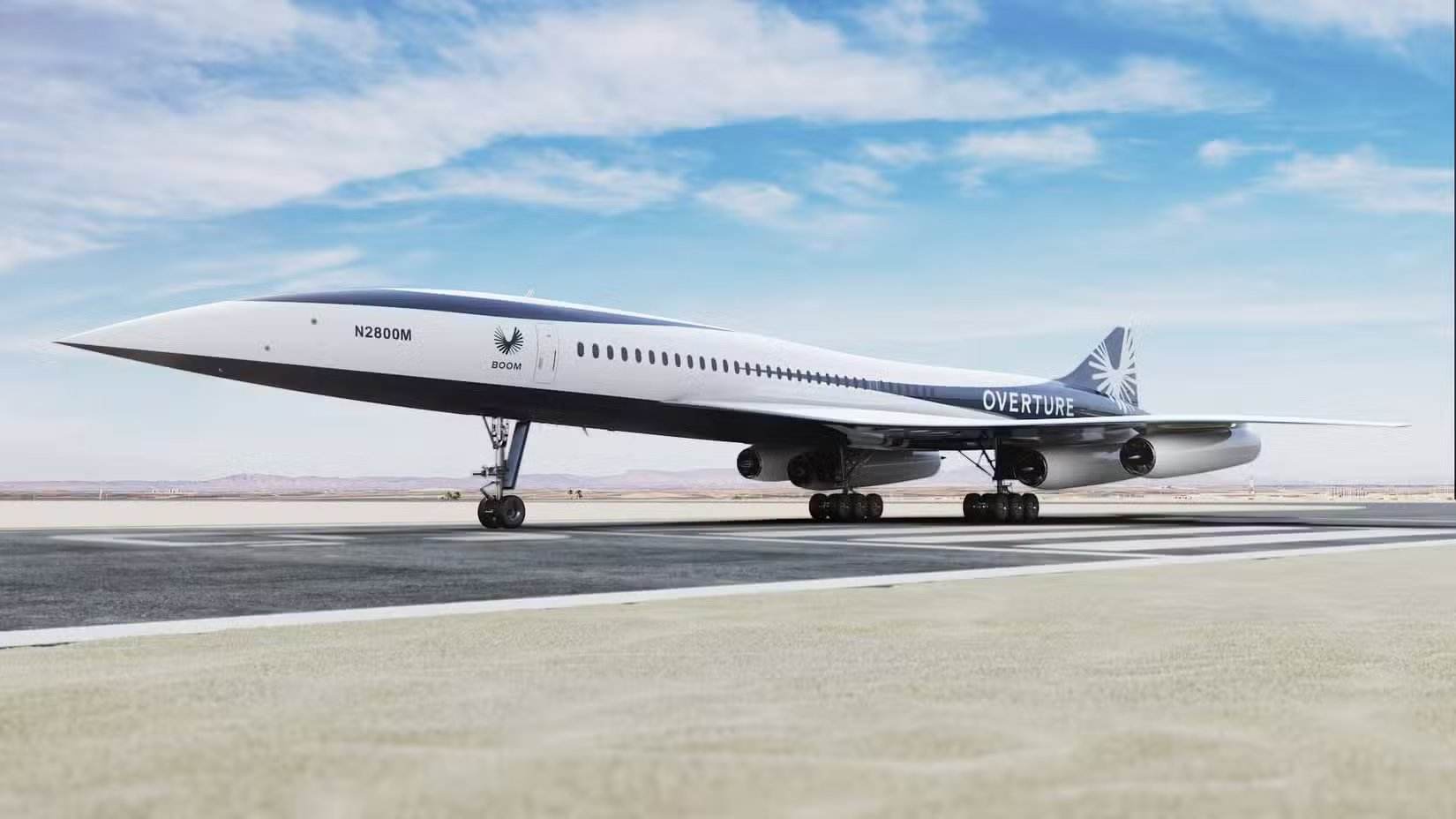
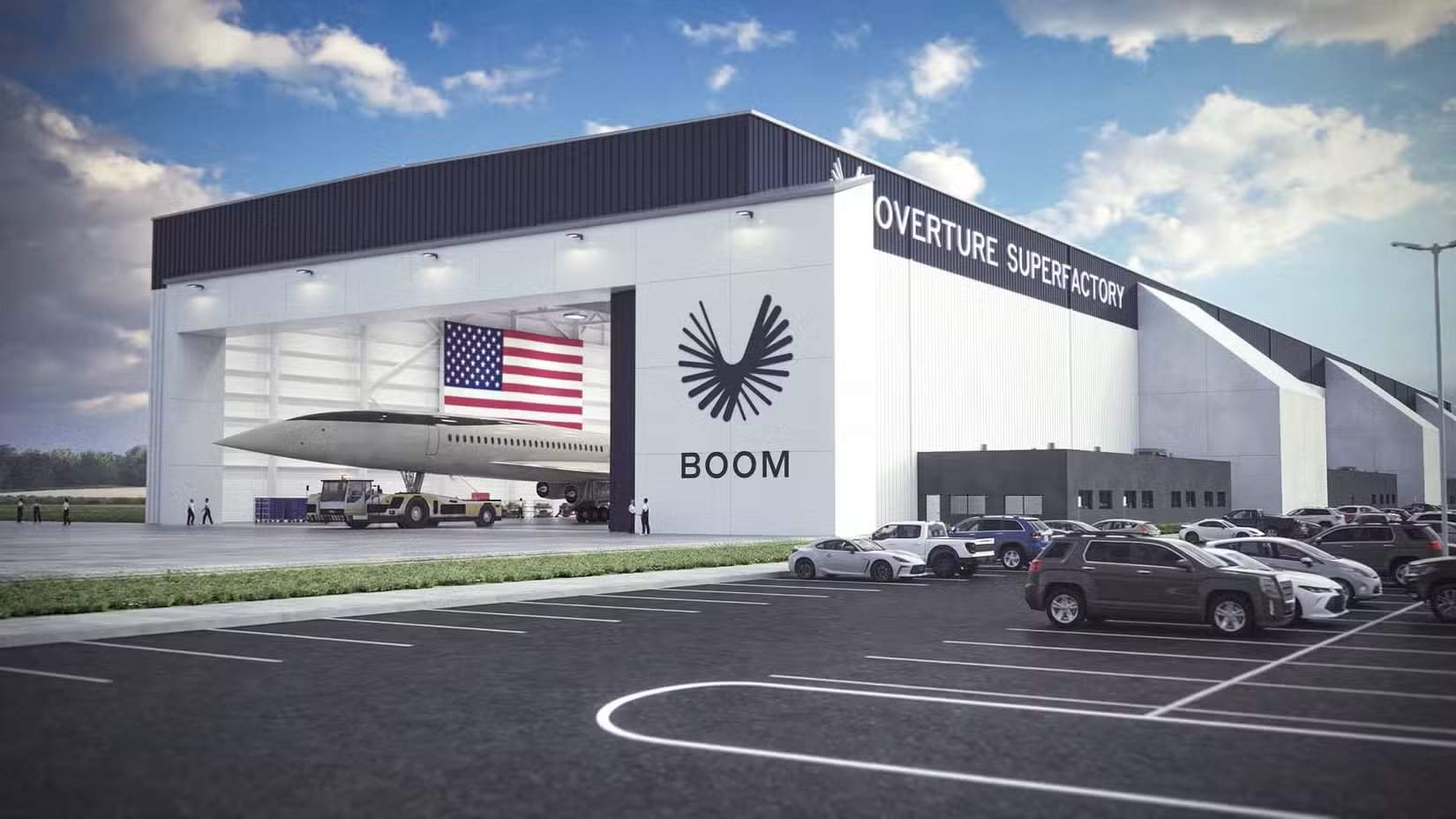
Boom's Overture program now has a defined aircraft design, XB-1 demonstrator test history, an order book, and a factory. The aircraft is designed for a cruise speed of Mach 1.7, carrying 64 to 80 passengers using 100% sustainable aviation fuel. The XB-1 broke the sound barrier on January 28, 2025, reaching Mach 1.122 at an altitude of 35,290 feet (10,754 meters), becoming the first independently developed supersonic jet and the first U.S.-made civil supersonic aircraft to achieve supersonic flight. The Overture Superfactory in Greensboro, North Carolina, was completed in June 2024 and can produce up to 33 aircraft per year at full capacity. The order book shows 130 conditional orders and pre-orders from United Airlines, American Airlines, and Japan Airlines, but these commitments are non-binding. Boom CEO Blake Scholl delivered a presentation at the AIAA AVIATION Forum on June 11, 2026, providing updates on the Overture flight test plan and the Symphony engine, while maintaining the goal of entering commercial service by 2029.
Currently, the 2029 target requires simultaneous certification of a newly designed airframe and a custom engine that has yet to complete core testing. Boeing, Airbus, and established engine manufacturers typically take a decade or more to certify new aircraft and engine programs, and they possess resources and institutional experience that Boom lacks. Boom initially planned to use existing engines from established manufacturers, but Rolls-Royce, Pratt & Whitney, and GE Aerospace all declined to participate. Boom's response was to develop the Symphony engine in-house, a medium-bypass turbofan designed specifically for sustained supersonic cruise at Mach 1.7. The company secured a test site at the Colorado Air and Space Port and invested $3-5 million to prepare engine core test facilities, with testing originally scheduled to begin in late 2025. Boom uses 3D printing technology to rapidly prototype engine components, shortening development iteration cycles and reducing costs.
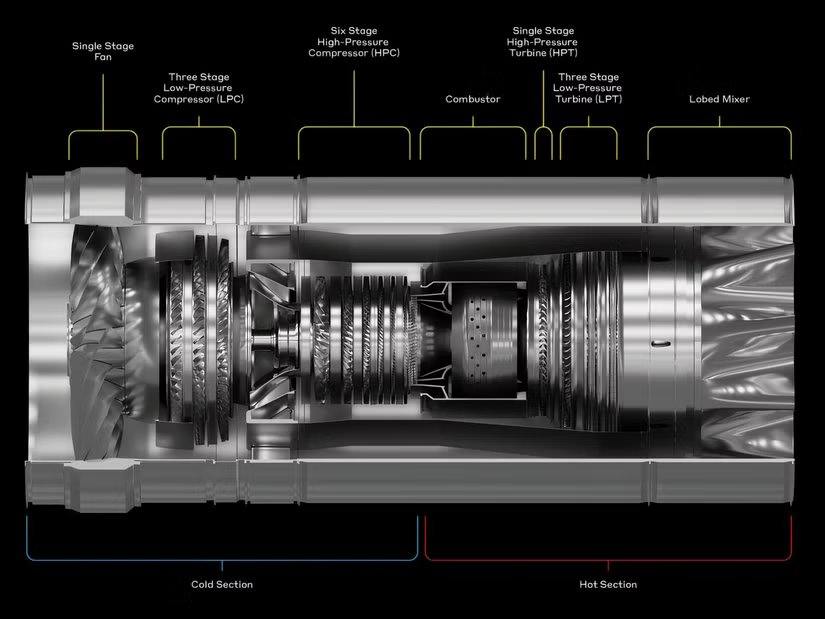
The certification challenge is the most frequently cited concern among independent analysts. Certifying a new engine requires thousands of hours of ground testing, ingestion tests, blade containment tests, and flight tests before the Federal Aviation Administration (FAA) approves it for commercial passenger service. Boom has not publicly disclosed a detailed timeline for completing this process, and the window between core testing in late 2025 and operational service in 2029 leaves little margin for the delays historically common in new engine programs.
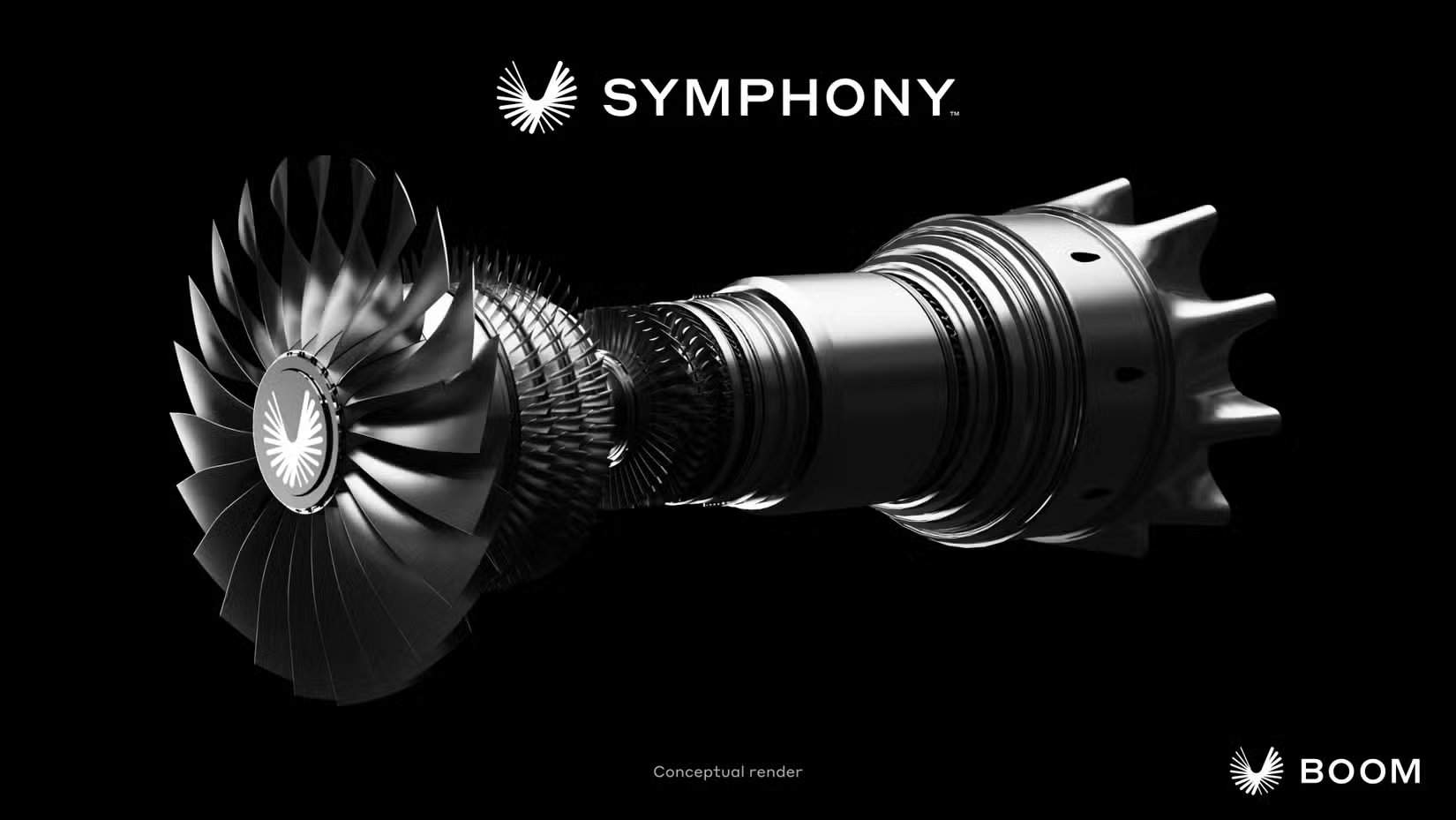
While developing the Symphony engine, Boom is leveraging the same engine architecture to build another business line. The Superpower project uses the Symphony core, packaged as a natural gas turbine for power generation, targeting AI data centers. Boom states that the Superpower turbine shares 80% of its hardware with the Symphony aviation engine. Baker Hughes has ordered 1.21 gigawatts of power generation capacity using Superpower turbines, with deliveries scheduled to begin in mid-2026. The Superpower project generates near-term revenue from hardware already under development, reducing reliance on investor capital while increasing production volume for shared components, theoretically lowering unit costs.
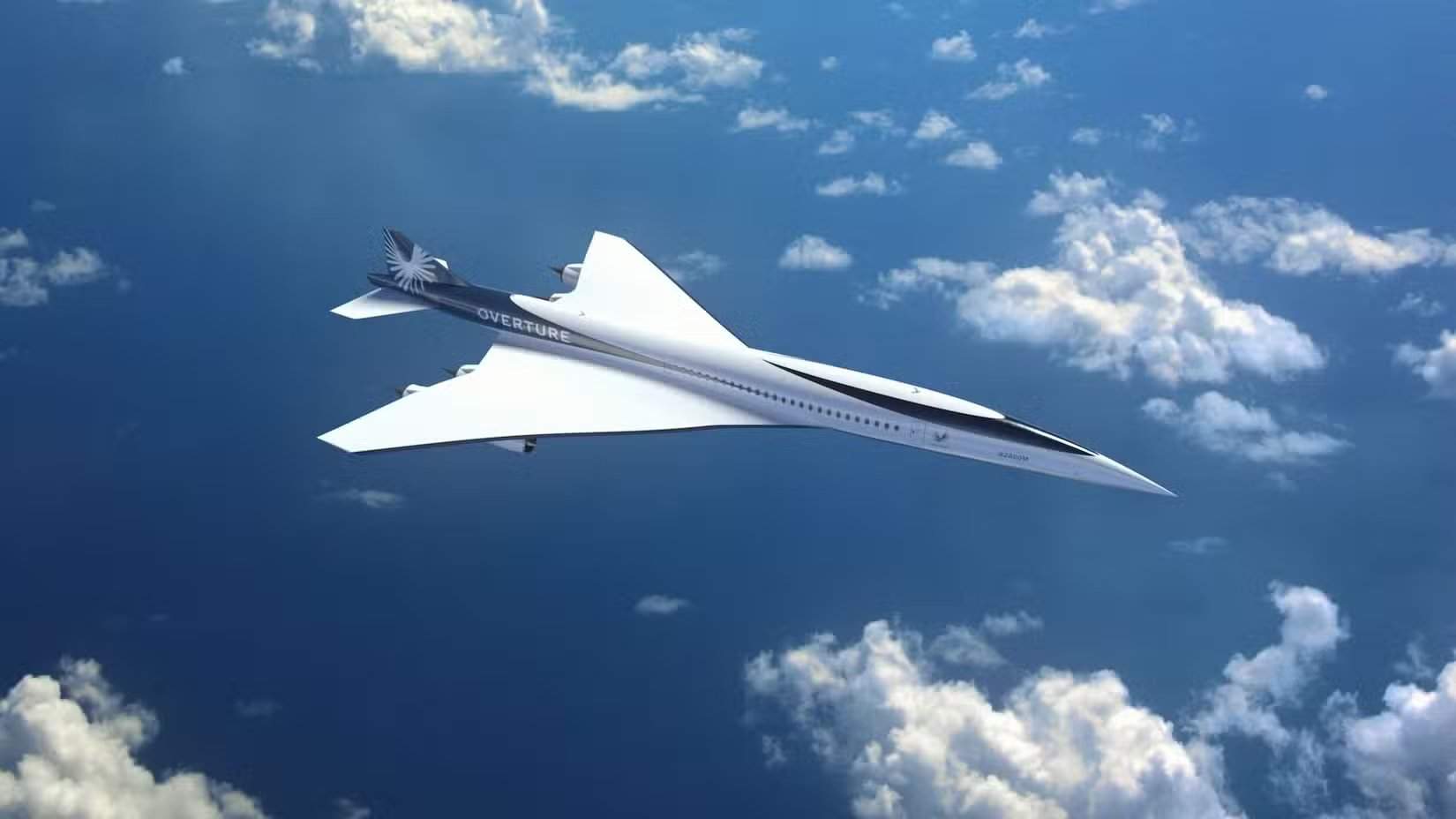
The United States has banned supersonic flight over land since 1973. President Trump signed an executive order in June 2025 directing the FAA to repeal this ban and establish noise-based certification standards, but the interim framework does not guarantee that the Overture will be permitted to fly supersonically over populated areas. Boom's approach to this issue is a software system called "Boomless Cruise," which calculates the speed and altitude at which atmospheric conditions refract sonic booms upward, preventing them from reaching the ground at full intensity. Boom claims to have validated this concept using the XB-1, but details of the measurements and conditions have not been disclosed in an independently verifiable manner required for regulatory certification. If Boomless Cruise works reliably, the Overture could fly supersonically on overland routes; if not, the Overture would be limited to transoceanic routes, restricting its commercial network.
Forecast International's assessment of the Overture program describes the 2029 commercial service target as highly speculative and predicts it is likely to be delayed into the 2030s. Boom must complete Symphony engine core testing, build and test a full-scale prototype engine, design and manufacture flight test aircraft, conduct a multi-year flight test campaign, and simultaneously obtain FAA type certification for the airframe and engine certification for the Symphony engine, all within approximately three years starting from mid-2026. Historical precedent does not support this timeline: the Boeing 787 took about eight years from program launch to first commercial flight, and the Airbus A350 followed a similar timeline, both using engines from established manufacturers and existing certification frameworks. Boom is attempting to certify both the airframe and engine simultaneously with a workforce and budget that are a fraction of Boeing's and Airbus's. The conditional nature of the order book also adds risk; the 130 orders from United Airlines, American Airlines, and Japan Airlines are non-binding, and these orders can be deferred or canceled without financial penalty if the program timeline or specifications change.
Related Products

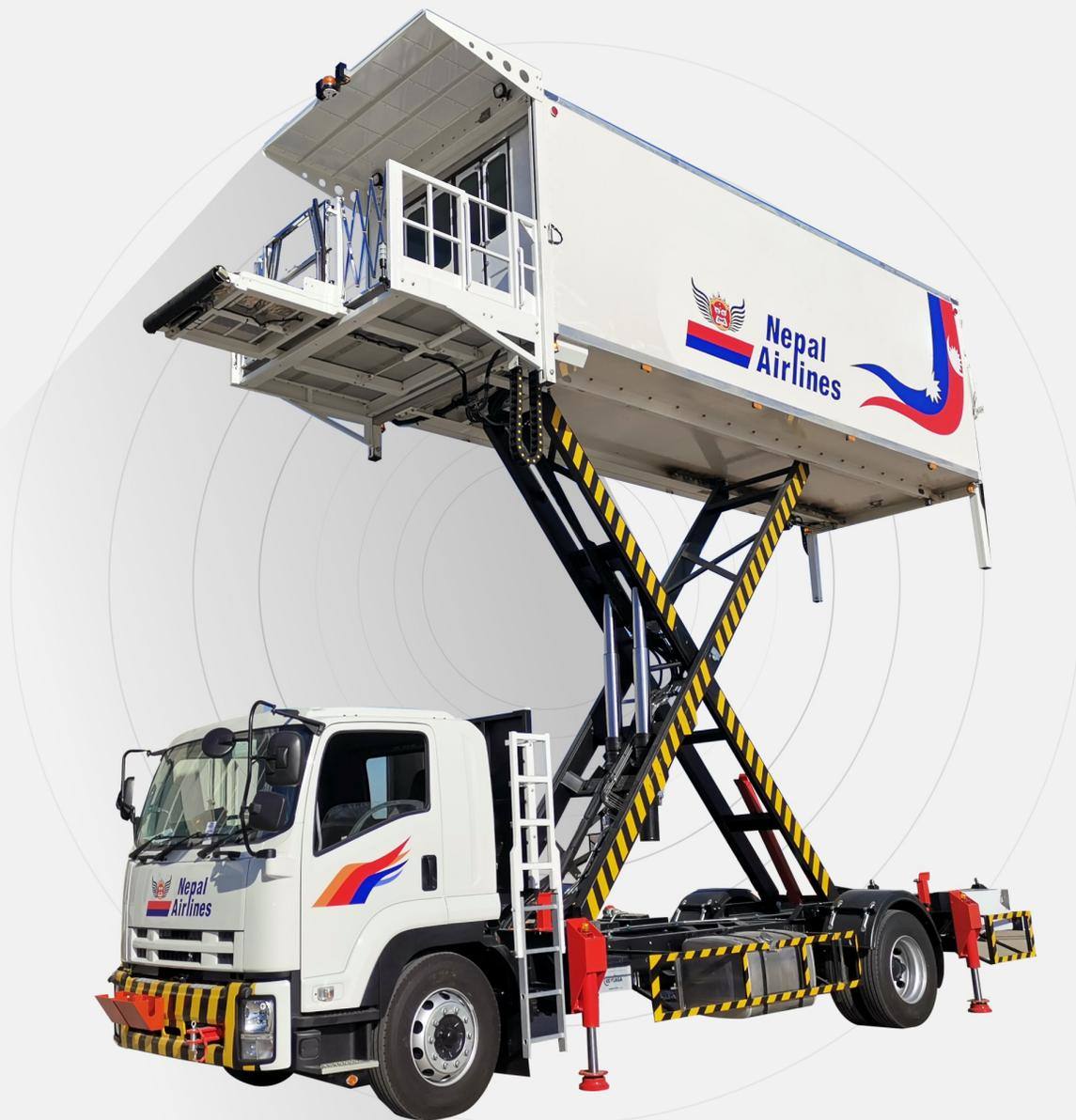
XC-6000e Type Aviation Catering Truck (Fuel Type)
Shenzhen CIMC-TianDa Airport Support Ltd.
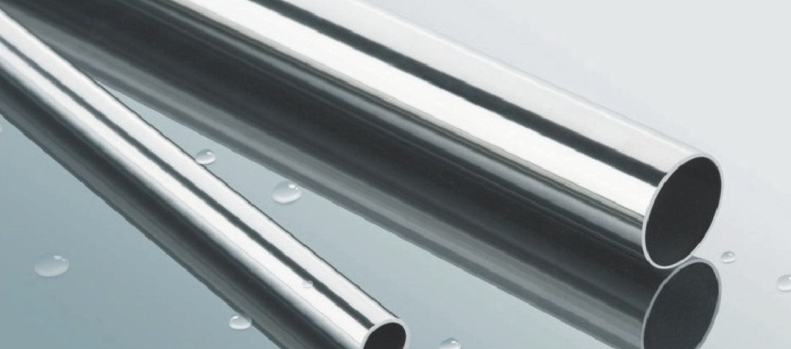
ERW Welded Pipe (Black Pipe and Hot-dip Galvanized Steel Pipe)
Handan Zhengda Steel Pipe Co., Ltd.

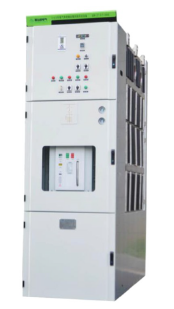
GSR6-27.5kV SF6 Free Gas-insulated Metal-enclosed Switchgear
Zhejiang Juhonkia Intelligent Electric Co., Ltd.