Swiss-based Mediterranean Shipping Company orders billions of dollars in LNG dual-fuel vessels
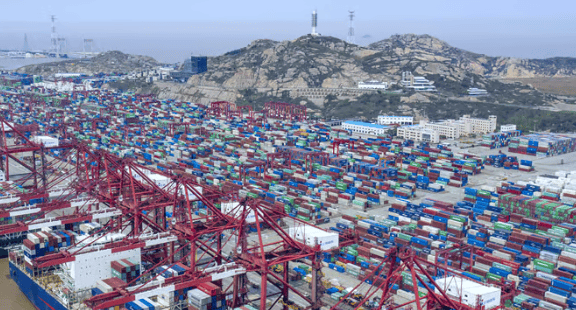
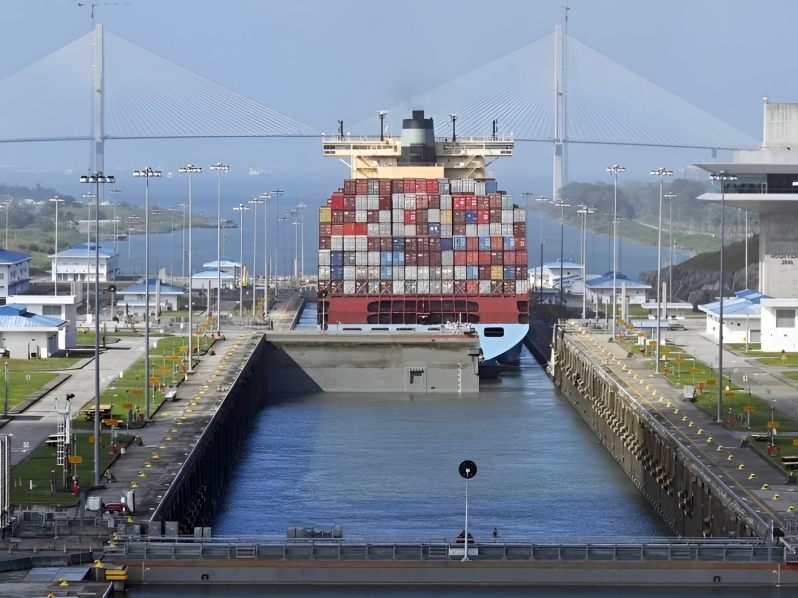
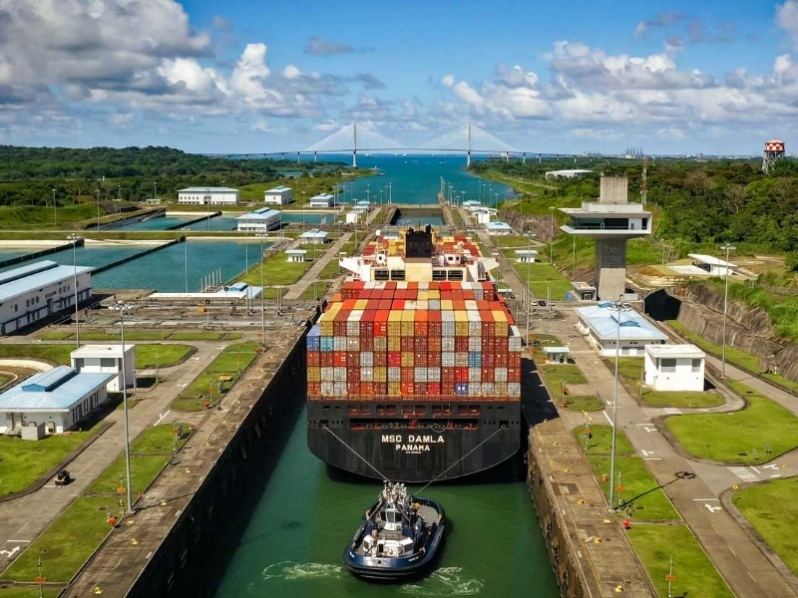
en.Wedoany.com Reported - Mediterranean Shipping Company (MSC), the world's largest container shipping line, has issued one of its clearest strategic signals yet regarding the future of marine fuel, ordering a series of large liquefied natural gas (LNG) dual-fuel container ships worth tens of billions of dollars. The orders include up to 20 ultra-large LNG dual-fuel vessels of approximately 20,000 TEU, along with an expanding program for ships of around 11,500 TEU. If all options are exercised, this investment will become one of the largest container ship ordering plans in recent years and will further consolidate MSC's dominant position as the world's largest container carrier, with its fleet now exceeding 1,000 vessels.
This decision reveals MSC's consistent strategic pattern. The company rarely adopts emerging technologies first, preferring to observe new regulations and technological developments before making large-scale investments. This philosophy was evident in the long-running debate over exhaust gas cleaning systems (scrubbers). Before the International Maritime Organization's 2020 global sulfur cap took effect, many shipowners considered scrubbers a temporary solution, but MSC launched one of the industry's largest scrubber retrofit programs, sending a significant portion of its fleet to shipyards for installation. This investment drew criticism, described as a stopgap measure designed solely to continue using traditional high-sulfur fuel oil. However, years later, these vessels remain in service with scrubber systems operating successfully, proving the commercial soundness of the decision.
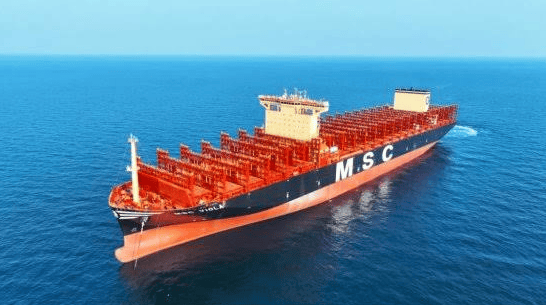
Now, a similar philosophy is emerging in the LNG sector. Rather than being an early pioneer, MSC waited for LNG propulsion technology, engine reliability, and global bunkering infrastructure to reach a higher level of maturity before making large-scale investments. If the current ordering trend continues, MSC could ultimately operate one of the world's largest fleets of LNG-powered or LNG dual-fuel container ships. This approach reflects MSC's preference for adopting proven technologies rather than being an early adopter of concepts whose long-term commercial viability has yet to be demonstrated.
The pioneer in launching LNG-powered ultra-large container ships was France's CMA CGM. In 2017, the company announced orders for nine 23,000 TEU LNG-powered giants, at a time when many questioned whether LNG could become a practical marine fuel. When the "CMA CGM Jacques Saadé" entered service in 2020, becoming the world's largest LNG-powered container ship, it proved the commercial viability of LNG propulsion on the industry's largest vessels. Since then, CMA CGM has continued to expand its LNG fleet and invest in LNG bunkering capacity and supporting infrastructure.
MSC's latest investment should not be interpreted as a belief that LNG represents the end point of shipping's decarbonization journey. Few industry observers believe that LNG alone can meet the International Maritime Organization's increasingly clear 2050 greenhouse gas reduction targets. LNG is being viewed as the most practical transitional fuel currently available. Compared to traditional heavy fuel oil, LNG significantly reduces emissions of sulfur oxides, particulate matter, and nitrogen oxides, while also lowering carbon dioxide emissions. LNG bunkering infrastructure has expanded rapidly along major global trade routes, enabling operators to fuel their vessels without the operational uncertainties still associated with fuels such as green ammonia or hydrogen. Modern dual-fuel engines also offer flexibility, allowing vessels to use conventional fuel when necessary while utilizing LNG when available.
Industry analysts estimate that well over two-thirds of container ships currently on order specify dual-fuel propulsion systems, reflecting a growing consensus among shipowners on the need for flexibility as the long-term fuel landscape continues to evolve. Danish carrier Maersk has concentrated most of its investments on methanol-powered vessels, believing that green methanol may ultimately offer a pathway to low-carbon shipping. CMA CGM bet on LNG years ago and continues to expand its fleet. MSC is moving in the same general direction, uniquely waiting for technology to prove its commercial and operational maturity before committing substantial capital.
When the world's largest container shipping company invests tens of billions of dollars in building LNG dual-fuel vessels, it is not just about expanding its fleet—it is an expression of confidence that LNG will remain at the core of commercial container shipping for many years to come. Just as its investment in scrubber technology ultimately proved commercially sound, MSC may once again be judging the industry's next major transition with precision.
Related Products
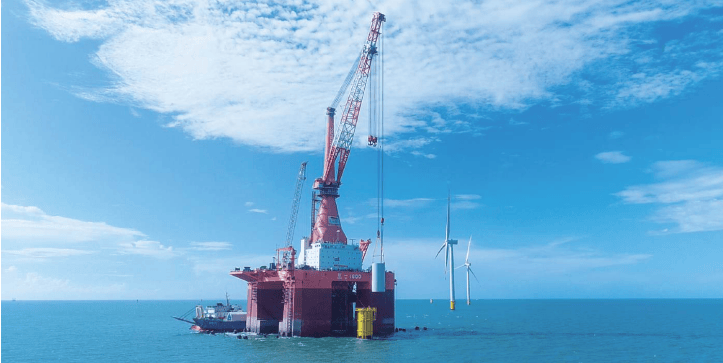

"Shunyi 1600" Deep-submerging Bottom-sitting Multi-functional Wind Power Engineering Vessel
Zhengli Offshore Engineering Co., Ltd.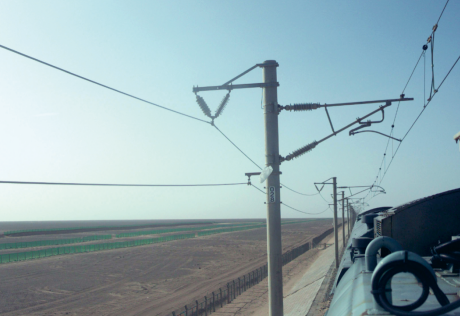
Pantograph-Catenary Comprehensive Detection Device (1C)
CHENGDU TANGYUAN ELECTRIC CO., LTD.
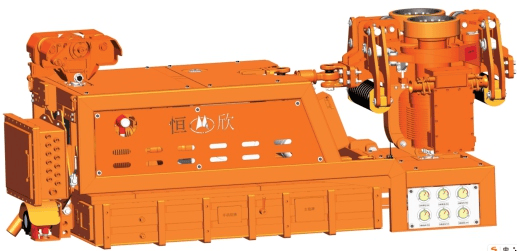
Explosion-proof lithium battery dispatching monorail crane locomotive (permanent magnet frequency conversion integrated machine)
Xiangtan Hengxin Industrial Co., Ltd.