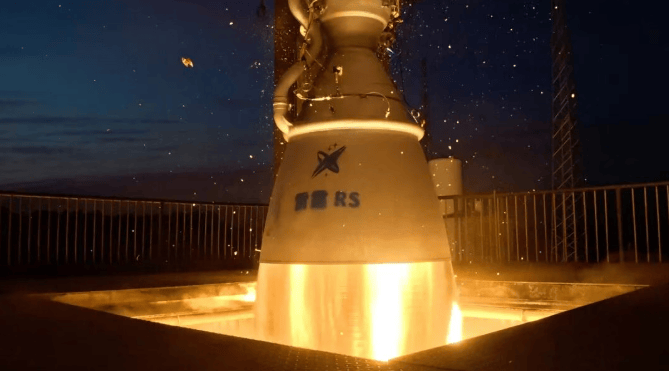
Relativity Signs $3 Billion Contract to Advance Terran R Rocket
en.Wedoany.com Reported - Relativity Space is developing the Terran R rocket, a fully reusable two-stage launch vehicle designed to provide reliable, routine, and cost-effective access to space for commercial, government, and scientific missions. Optimized for the rapidly growing low Earth orbit (LEO) satellite constellation market, the rocket also supports missions beyond LEO, aiming to expand launch capabilities for next-generation communications, Earth observation, exploration, and research payloads. Currently, Terran R is undergoing launch preparations at Launch Complex 16 at Cape Canaveral Space Force Station in Florida.
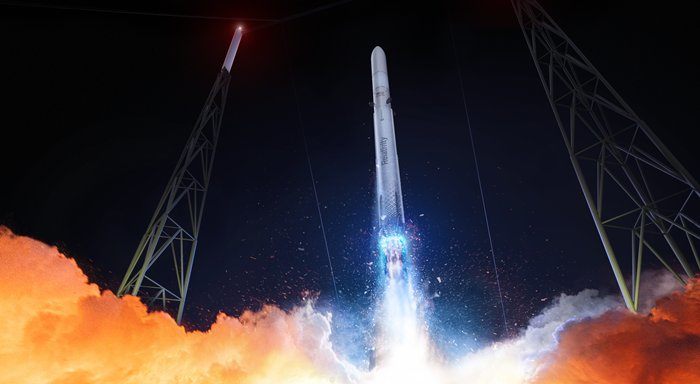
Terran R stands 86.6 meters (284 feet) tall with a diameter of 5.4 meters (17.7 feet), including the payload fairing. The launch vehicle generates approximately 3.5 million pounds-force (15.56 meganewtons) of liftoff thrust and is designed to deliver up to 23,500 kilograms to low Earth orbit (LEO) and up to 5,500 kilograms to geostationary transfer orbit (GTO) in a reusable downrange landing configuration; in an expendable configuration, its LEO capacity reaches 33,500 kilograms. These capabilities enable the rocket to support a wide range of dedicated satellite deployments and exploration missions.
Terran R's propulsion system consists of 13 Aeon R engines powering the reusable first stage, while the second stage is powered by a single Aeon V vacuum engine. Both engines use liquid oxygen (LOX) and liquid methane as propellants and employ a high-pressure gas generator cycle to maximize performance, efficiency, and operational reliability. Each Aeon R engine produces approximately 269,000 pounds-force of thrust at sea level, while the Aeon V engine generates approximately 323,000 pounds-force in a vacuum. Relativity Space states that the Aeon R engine was developed from design to qualification in just 14 months, demonstrating rapid propulsion development capabilities.
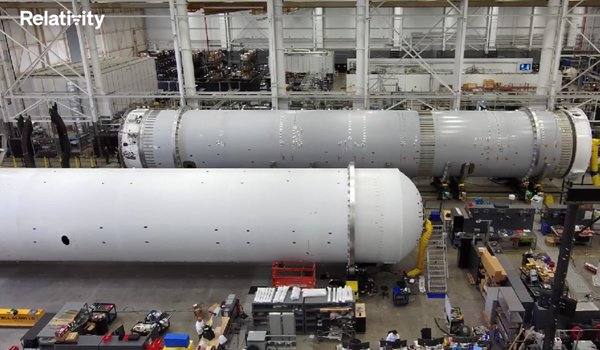
A key feature of Terran R is its combination of reusable architecture with cost-effective manufacturing. Built from high-strength aluminum alloys, the launch vehicle is designed to offer competitive launch economics while supporting large payload capacity and repeated flight operations. Its payload fairing accommodates a variety of mission configurations, including single ESPA Grande payloads, dual ESPA deployments, and rideshare missions for multiple CubeSats. A flight-proven thermal protection system protects spacecraft during ascent until fairing separation.
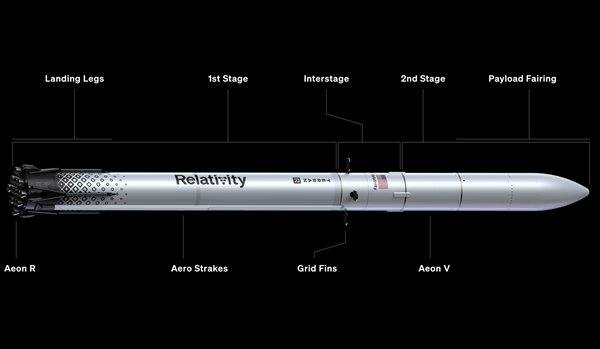
Terran R is designed to improve launch availability for customers requiring dedicated access to specific orbital destinations without relying on rideshare opportunities. The rocket supports rapid deployment of satellite constellations and enables spacecraft to reach custom orbital parameters more quickly. Relativity Space has secured launch service agreements totaling over $3 billion with government, commercial, and telecommunications customers, reflecting strong market demand for its reusable launch capabilities.
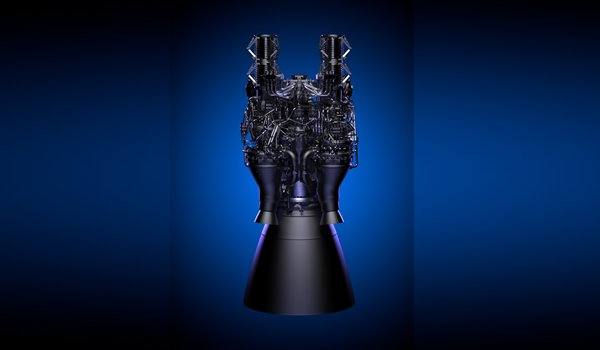
By combining full first-stage reusability, methane-fueled propulsion, high payload capacity, and scalable launch operations, Terran R aims to support next-generation commercial satellite constellations, scientific exploration, and deep-space missions. Relativity Space's goal is to make space access more reliable and routine while driving future innovation in Earth orbit and beyond.
Related Products
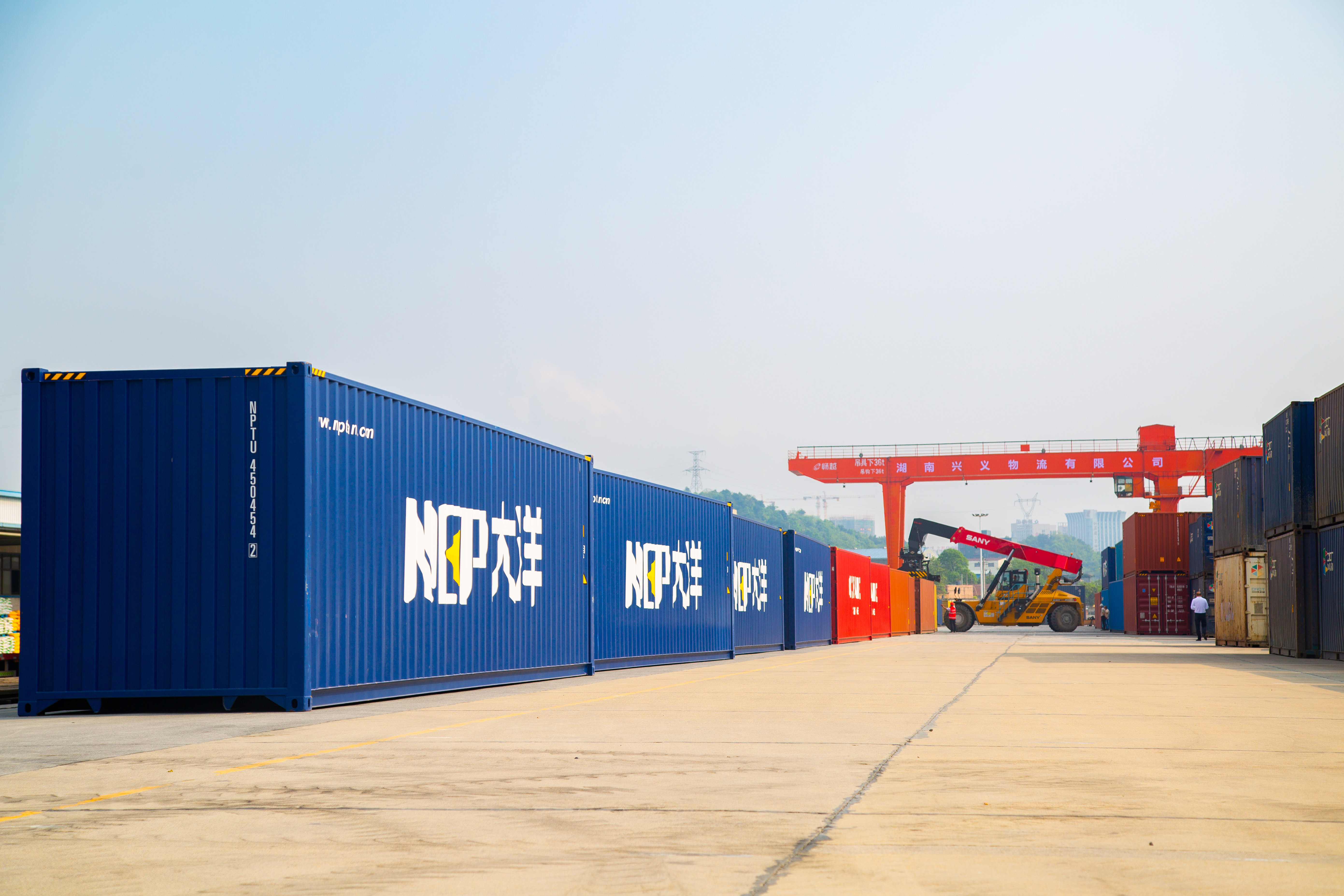

China - Alashankou/Khorgos - Europe Full Range Transportation (Mala/Hamburg/Duisburg/Budapest, etc.)
Shenzhen Neptune Logistics Co., Ltd.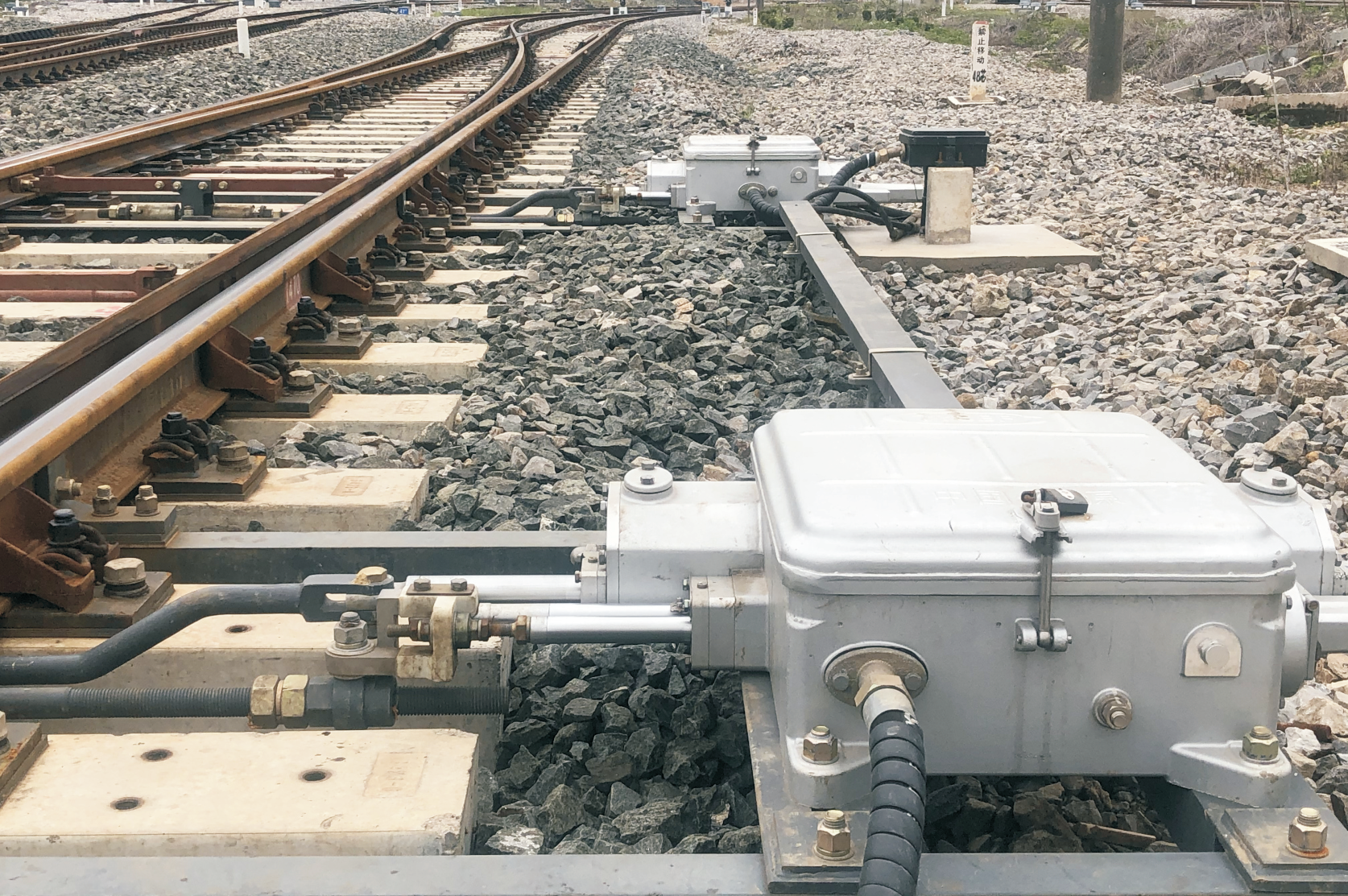
ZY(J)7(M) Sealed Type Electro-Hydraulic Turnout Machine
TAIYUAN CR JINGFENG EQUIPMENT TECHNOLOGY CO., LTD.
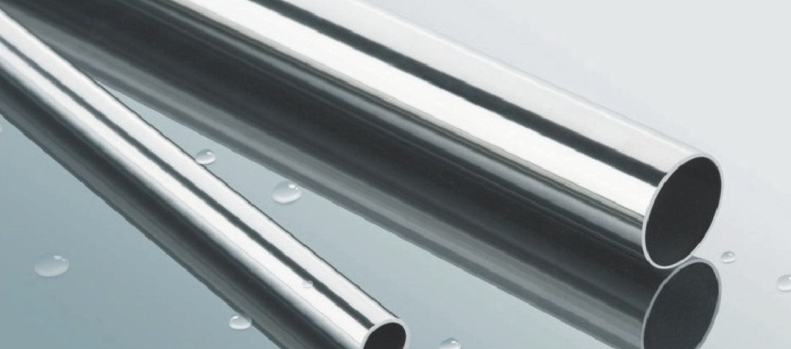
ERW Welded Pipe (Black Pipe and Hot-dip Galvanized Steel Pipe)
Handan Zhengda Steel Pipe Co., Ltd.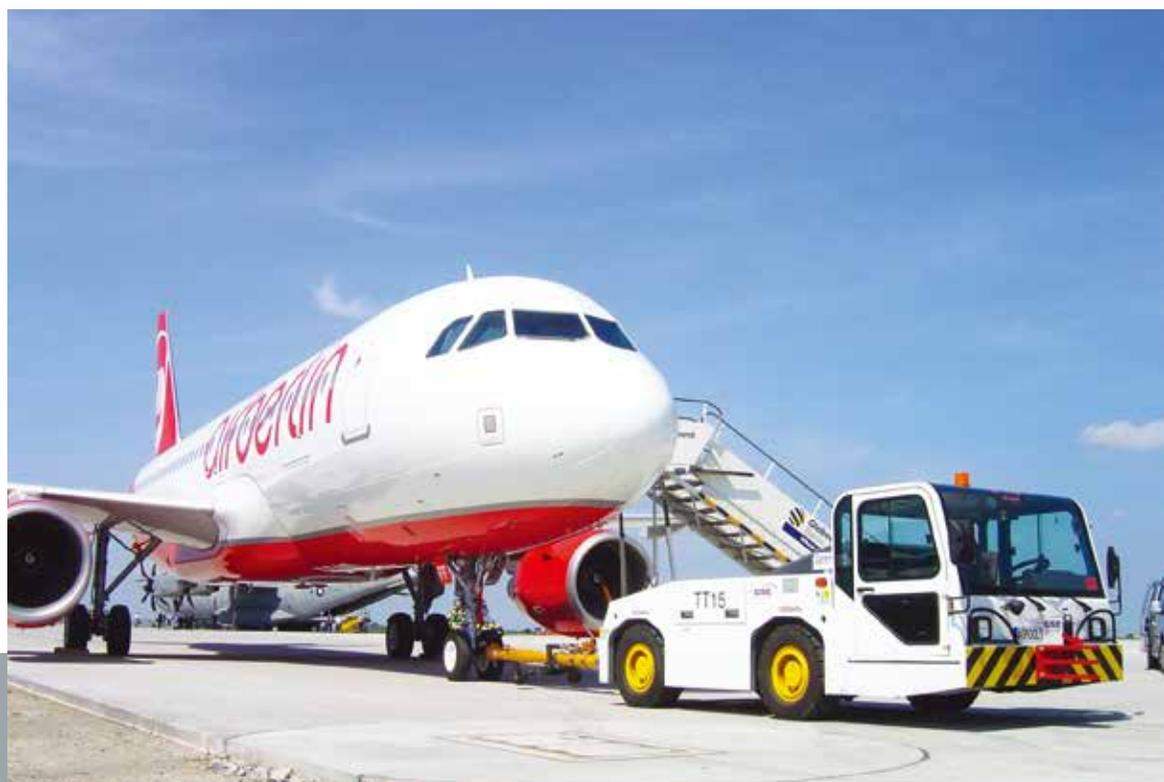
WGQY Series Aircraft Tow Tractor-WGQY15, WGQY27
Weihai Guangtai Airport Equipment Co., Ltd.
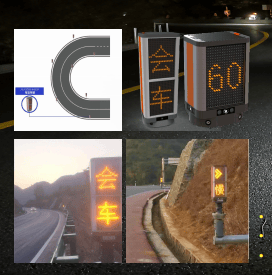
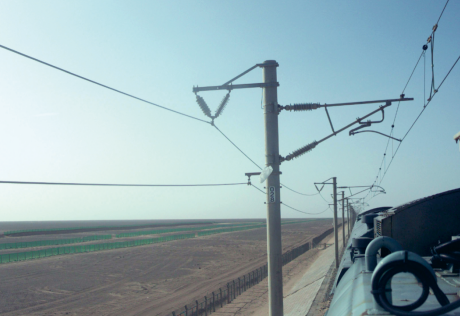
Pantograph-Catenary Comprehensive Detection Device (1C)
CHENGDU TANGYUAN ELECTRIC CO., LTD.
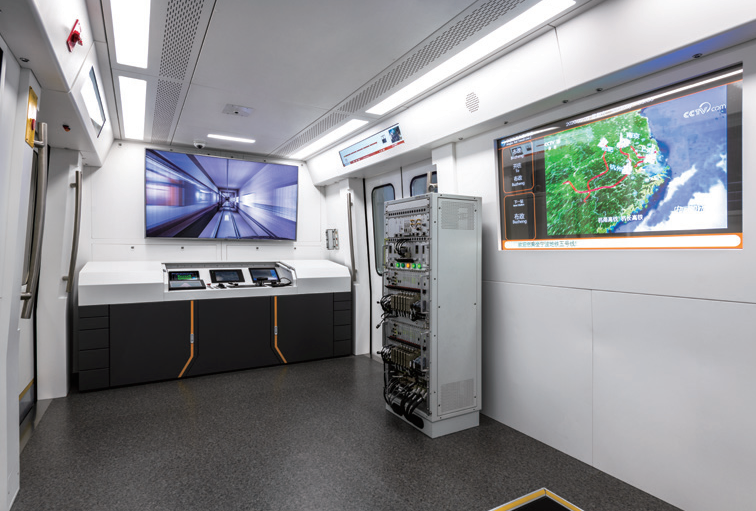
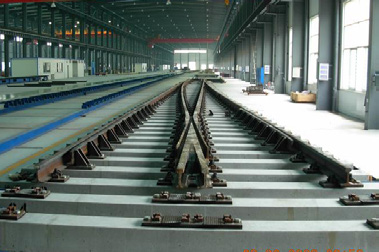
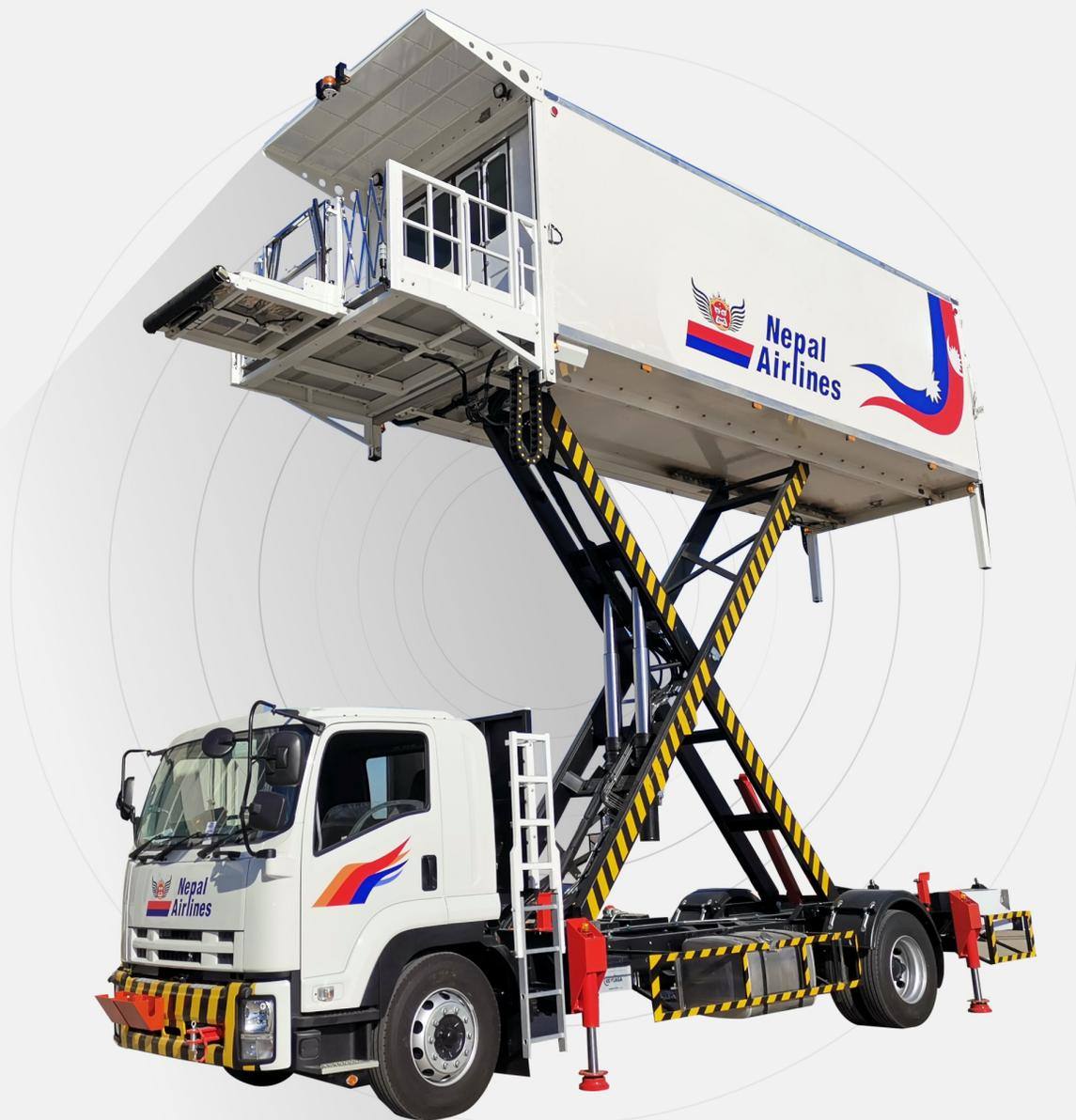
XC-6000e Type Aviation Catering Truck (Fuel Type)
Shenzhen CIMC-TianDa Airport Support Ltd.