Systra Wins Two Contracts for Camp de Tarragona Tram System in Spain
en.Wedoany.com Reported - Systra Ardanuy has secured two contracts to provide construction management and systems integration technical assistance for the development of a tram system in the Camp de Tarragona region of southern Catalonia. The first phase of the project covers a line approximately 14 kilometers long, connecting Cambrils Centre with Vila-seca Estació via Salou.
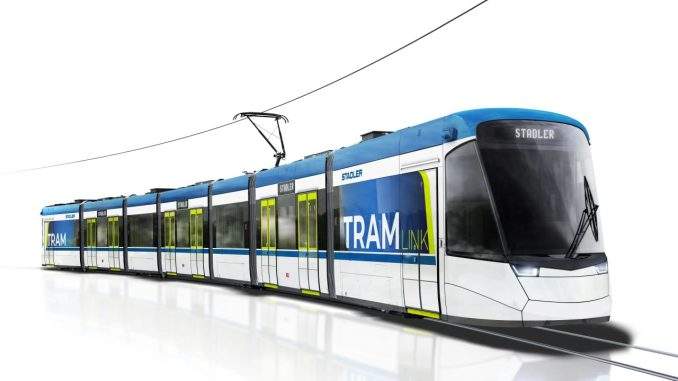
The company, formed after Spanish engineering firm Ardanuy was integrated into the French group Systra, has secured two contracts for this future tram system. The network will be operated by Ferrocarrils de la Generalitat de Catalunya (FGC). Camp de Tarragona is a major urban and tourist area in southern Catalonia, and the project aims to improve transport connections between several key local hubs.
The first section of the tram line is 14 kilometers long, connecting Cambrils Centre with Vila-seca Estació via Salou, partially utilizing the existing coastal railway corridor.
The first contract is executed by a joint venture of Systra Ardanuy and Spanish consulting engineering firm TYPSA, covering construction management. Systra will assist in supervising construction, tracking progress, and coordinating with Spanish railway infrastructure authority ADIF, local municipalities, and utility companies. The contract also includes supervision of civil, railway, and tram works, up to testing and final acceptance.
The second contract is executed by a joint venture of Systra Ardanuy and META, part of the Quadrante Group, providing systems integration technical assistance. The goal is to ensure seamless operation of all tram subsystems before commercial service begins. Subsystems include infrastructure, power supply, signaling, telecommunications, passenger equipment, safety, and operations.
Joan Serrano, Vice President of Systra Ibérica, stated that the Camp de Tarragona tram is a landmark project in the transport sector of southern Catalonia. He believes the key to the project's success lies in coordinating complex construction, managing sensitive railway interfaces, and integrating all systems required for operation. "These two contracts demonstrate Systra's value in tram projects, which require a full-process perspective from construction to commissioning," said Joan Serrano.
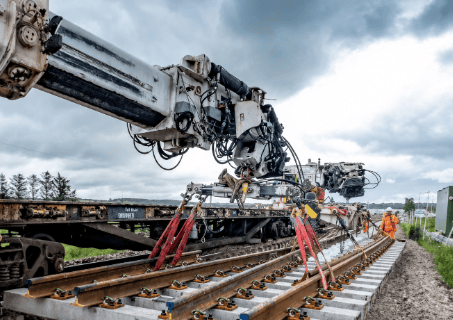
The project presents significant technical and urban complexity. Construction will proceed in constrained environments, involving major utility relocations and work beneath the AP-7 motorway and existing railway lines. The future tram system will include slab track, electrification, overhead catenary, signaling, surveillance systems, passenger information, and communications. The new contracts build on Systra Ardanuy's previous involvement—the company conducted preliminary studies between 2016 and 2018, when the project was still being considered as a tram-train system, before shifting to a full tram solution.
Related Products


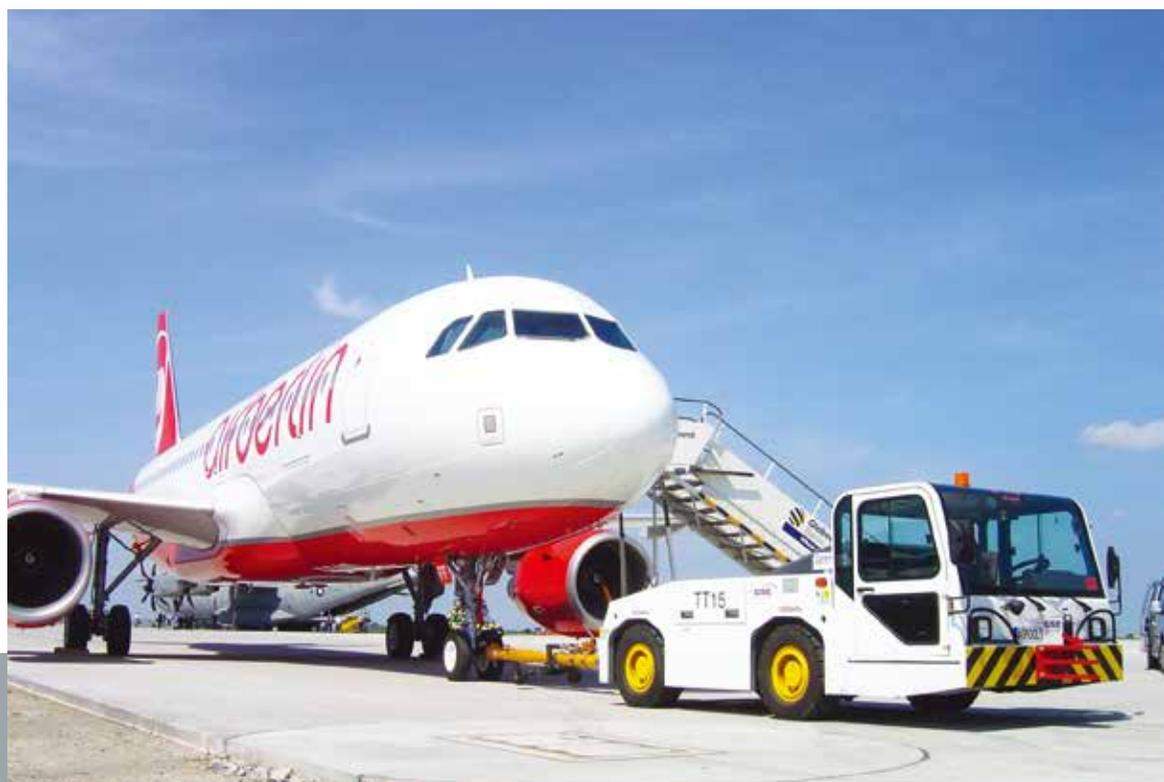
WGQY Series Aircraft Tow Tractor-WGQY15, WGQY27
Weihai Guangtai Airport Equipment Co., Ltd.
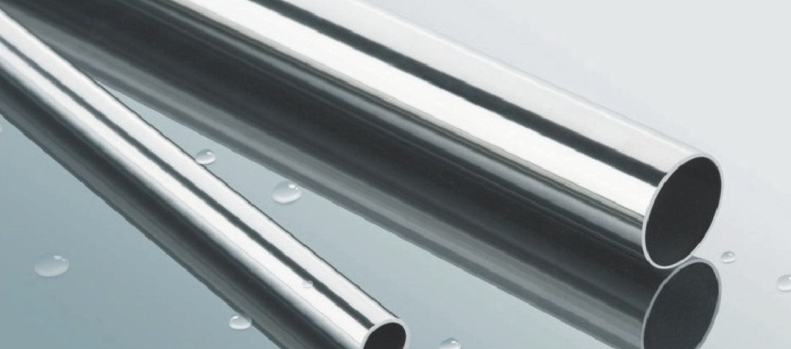
ERW Welded Pipe (Black Pipe and Hot-dip Galvanized Steel Pipe)
Handan Zhengda Steel Pipe Co., Ltd.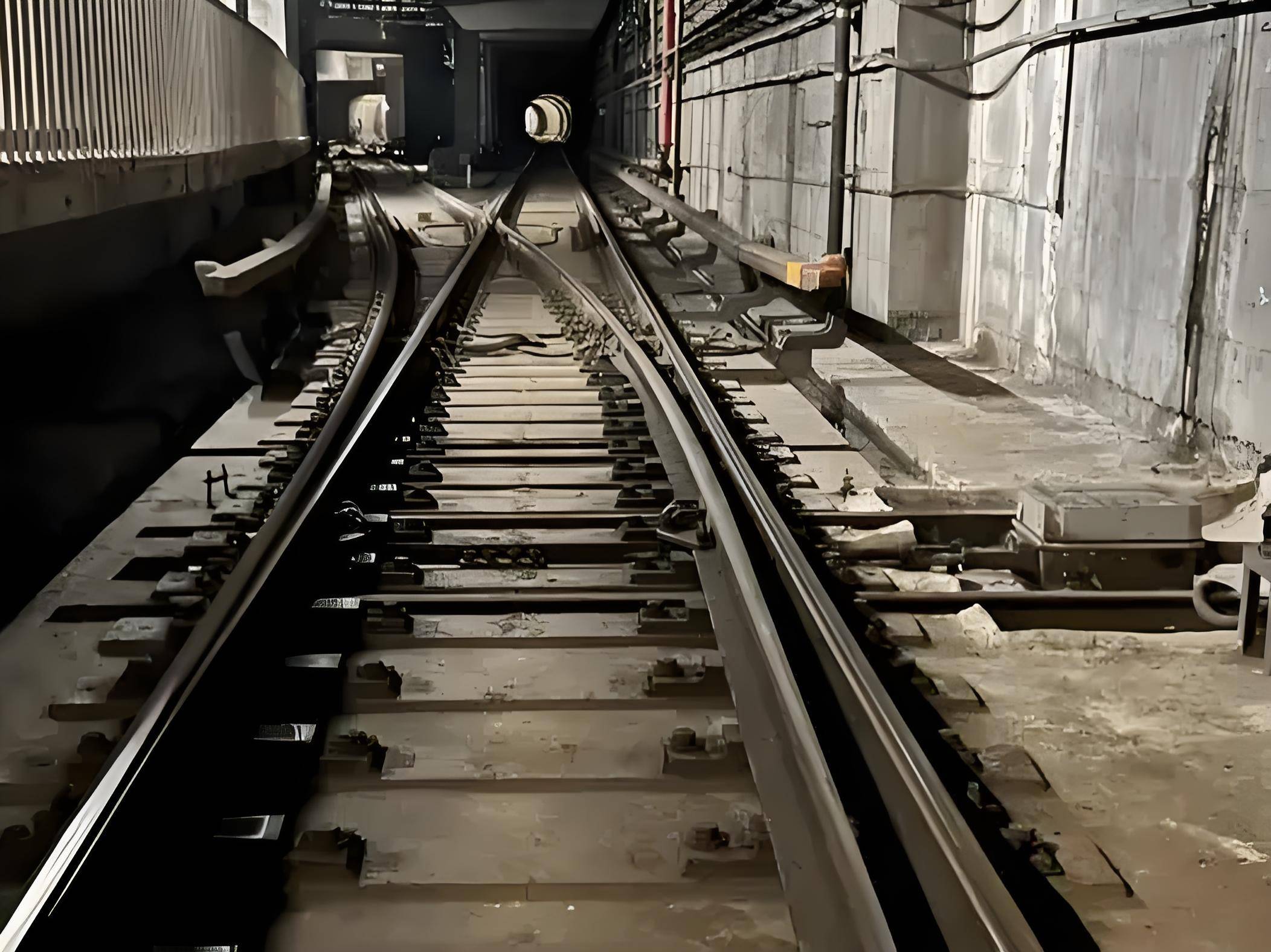

Wheel and Track Technology Business
Beijing Research & Design Institute of Rubber Industry Co., Ltd.