Brazil's ANA Report: 213 Priority Dams and 6% Shortage of Inspectors
en.Wedoany.com Reported - The National Water and Basic Sanitation Agency (Agência Nacional de Águas e Saneamento Básico, ANA) released the 2026 Dam Safety Report (Relatório de Segurança de Barragens 2026) on July 3, 2026, indicating that 213 dams across 19 states and the Federal District have been classified as requiring high-priority safety monitoring. The report also shows that between 2024 and 2025, the number of personnel dedicated to dam safety supervision decreased by 6%.
The National Water and Basic Sanitation Agency (ANA), a regulatory body under the Brazilian federal government established in 2000, is responsible for implementing national water resource management policies and overseeing dam safety. This annual dam safety report represents the agency's systematic assessment of the country's dam safety conditions. The report reveals that the national dam registry grew by 6% in 2025, from 28,085 to 29,761 dams. Among the 6,609 dams regulated under the National Dam Safety Policy (Política Nacional de Segurança de Barragens), 1,808 were simultaneously assessed as having medium or high potential damage risk and high risk levels, indicating that operators have failed to fully comply with statutory safety requirements.
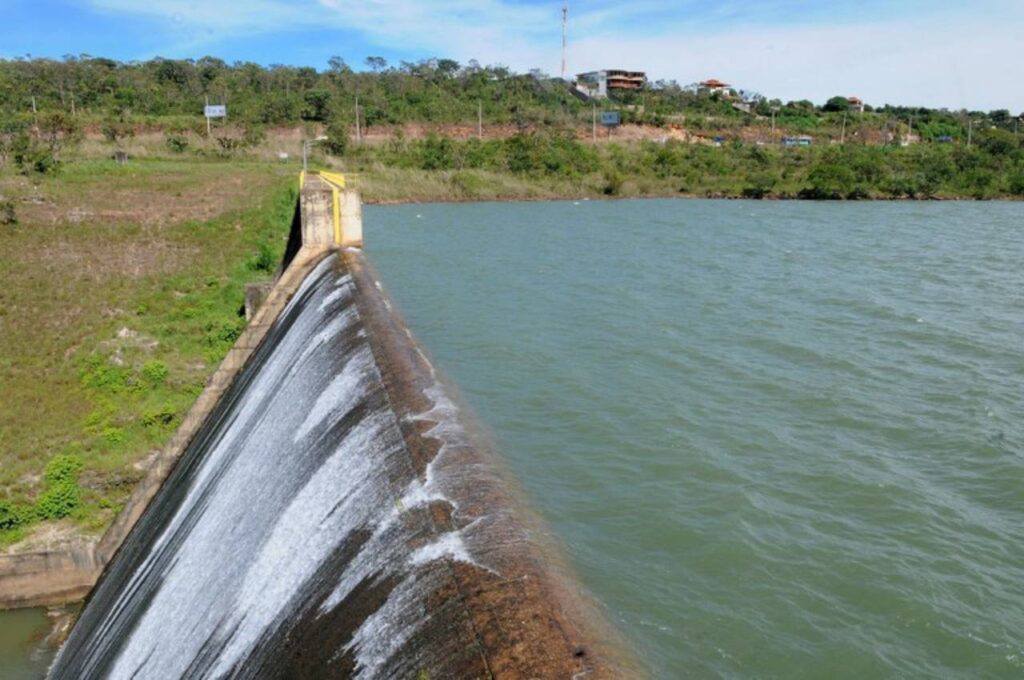
In 2025, Brazil recorded a total of 18 dam accidents and 23 dam incidents, with no fatalities. Compared to the previous report, the number of accidents decreased by 25%, and incidents dropped by 49%. Despite improvements in accident data, significant deficiencies in regulatory capacity persist. The report notes that among 33 regulatory agencies, 28 have actual staffing levels below the recommended minimum team size, with an estimated national shortage of at least 221 full-time inspectors. Additionally, between 2024 and 2025, the execution rate of public funds allocated for dam safety declined, from a planned 147 million Brazilian reais to an actual expenditure of 104 million Brazilian reais.
The release of this report reflects the structural tension between regulatory resources and the scale of infrastructure in Brazil's dam safety management sector. The persistent shortage of dam safety inspectors and the declining rate of fund execution may pose challenges to Brazil's future dam safety risk management.
Related Products


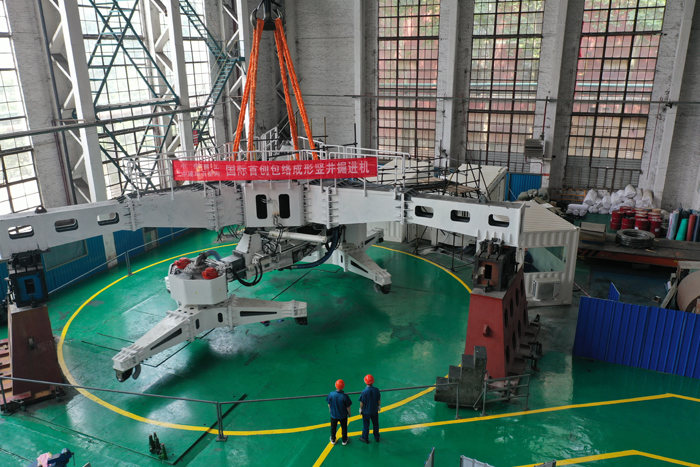
CITIC Heavy Industries Tunneling Equipment Tunnel Engineering Shield Machine
CITIC Heavy Industries Co., Ltd.
Acoustic Mineral Fiber Ceiling Tile 595x595x12mm
Shanxi Pano Trading Co., Ltd

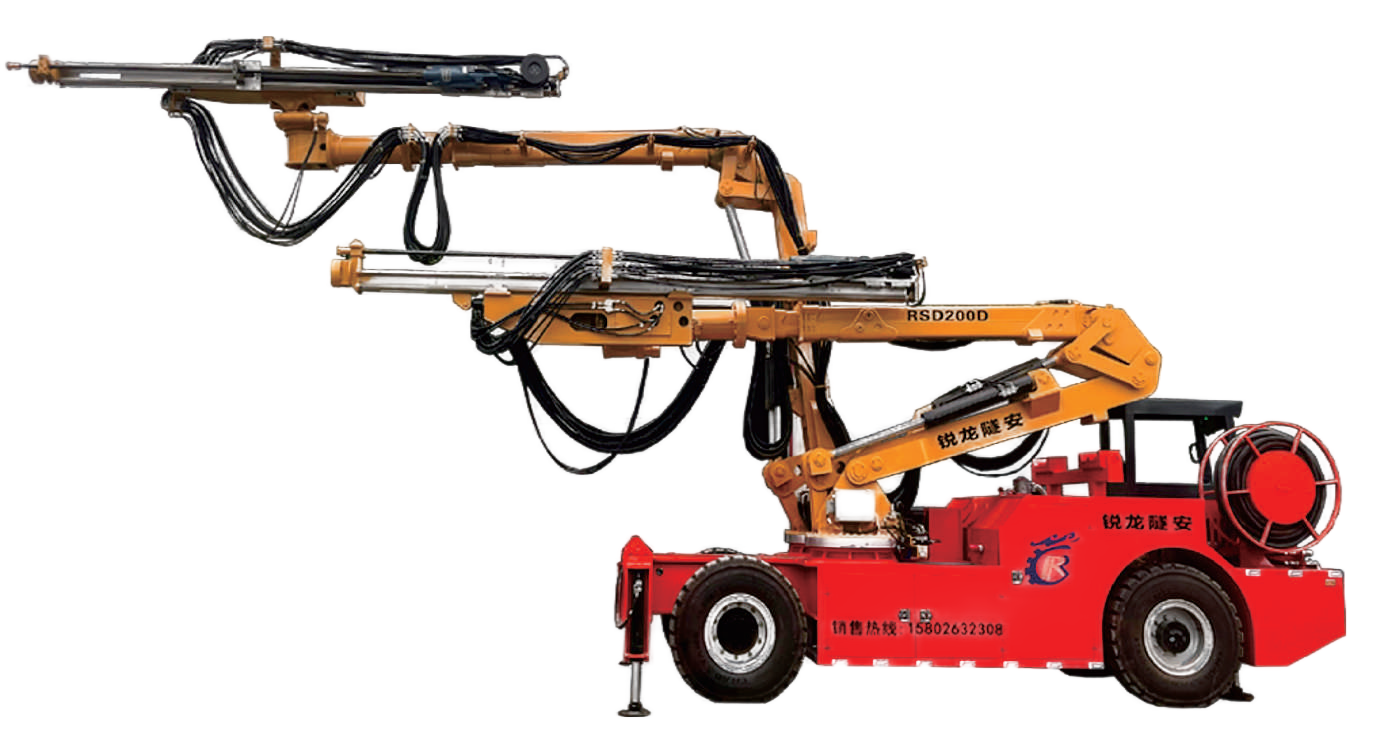
Dual-curved Arm Rock Drilling Trolley RSD200D
Chengdu Ruilong Machinery Manufacturing Co., Ltd.