Hamburg Proceeds With Shore Power at All Terminals for Large Containerships
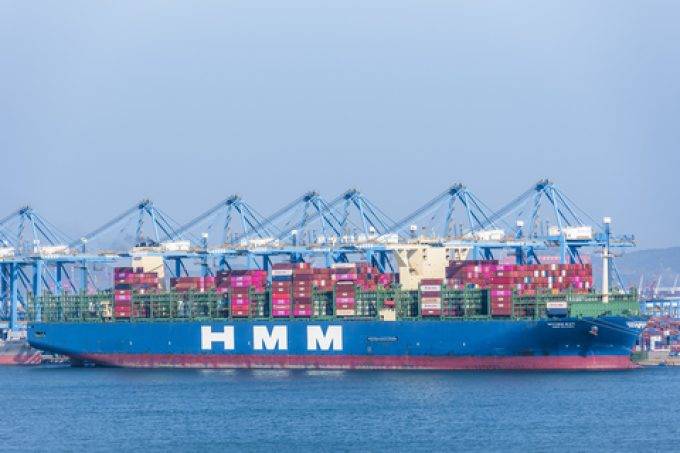
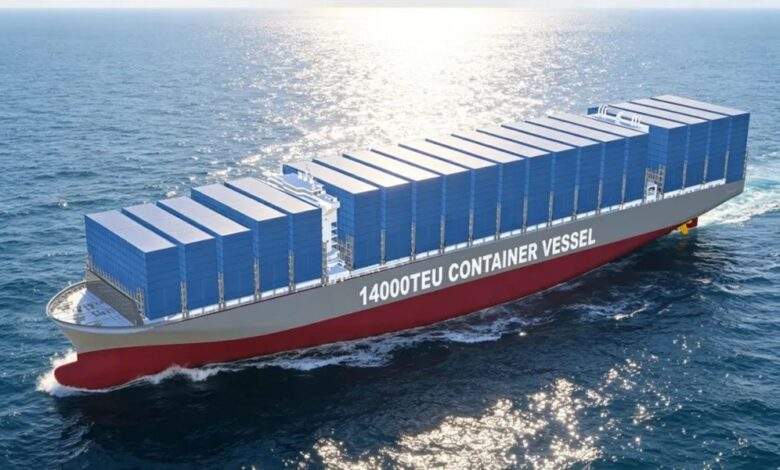
Wedoany.com Report-Apr. 17, The Port of Hamburg, Germany, is advancing its shore power infrastructure for large containerships, with testing beginning last week at the HHLA Container Terminal Altenwerder (CTA). This is the third terminal to activate shore power facilities, ensuring the port remains on schedule to outfit all major containership terminals by the end of this year, significantly ahead of the EU’s 2030 requirement for shore power adoption by containerships and passenger vessels exceeding 5,000 gross tons.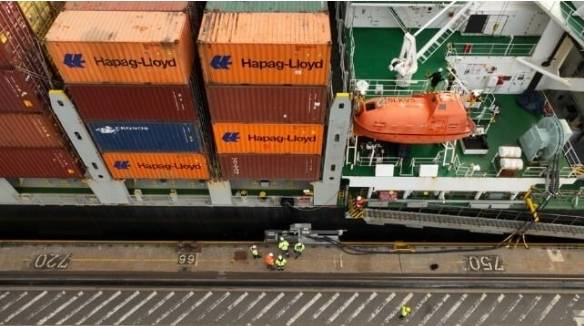
Shore power tested with MSC at Hamburg's next terminal
The CTA’s shore-side power station, managed by the Hamburg Port Authority, completed its first ship integration test with the MSC Athens, an 8,800 TEU vessel. Friedrich Stuhrmann, Chief Commercial Officer of HPA, stated: “Every successful ship integration test brings us one step closer to integrating the power stations into regular operations.” Further tests are planned to fully incorporate shore power into routine operations, with the terminal gradually increasing power capacity in the coming weeks.
The port’s shore power initiative began with the Container Terminal Hamburg, where the 18,000 TEU CMA CGM Vasco de Gama became the first vessel to connect in May 2024. The HHLA Container Terminal Burchardkai is also expected to be operational this year. Investments in infrastructure, started in 2022, include a plant at the Container Terminal Hamburg with three mega-ship berths, each offering a 7.5 MVA connection capacity. The system draws renewable energy from the public grid, with half the funding provided by Germany’s Federal Ministry of Economics and Climate Protection.
In June 2024, MSC agreed to collaborate with Hamburg to implement shore power at its terminal, followed by MSC’s investment as a lead stakeholder in the port operator alongside the City of Hamburg. Nils Kahn, Managing Director of MSC Germany, noted: “The integration of shore power into our fleet is an important step towards sustainable shipping.” MSC currently operates around 40 vessels compatible with shore-side electricity, with more expected as new ships are delivered.
Hamburg’s efforts position it as a leader in sustainable port operations, surpassing EU requirements for shore power adoption by 2035. The expansion of shore power infrastructure supports the port’s commitment to reducing emissions and enhancing environmental sustainability in maritime transport.


![IVECO Cash-in-Transit [DMT5048XYCL3-AM] - Chongqing Dima Industry Co., Ltd](https://img.wedoany.com/2026/0911/20260911030157582.png)