2026 China Internet Conference Focuses on AI Implementation and Computing Power Interconnection
en.Wedoany.com Reported - The 2026 (25th) China Internet Conference will be held from July 8 to 10 at the China National Convention Center in Beijing. With the theme "Intelligence Ignites a New Journey · Integration Creates the Future — Writing a New Chapter for the '15th Five-Year Plan' with Digital and Intelligent Synergy," the conference will feature exchanges on topics such as artificial intelligence applications, computing power interconnection, and digital-intelligent technology empowering new industrialization.
The timing of this conference is particularly significant. 2026 marks the beginning of the "15th Five-Year Plan" period, and the focus of discussions in the internet industry is shifting from technological innovation itself to industrial implementation capabilities. Topics such as AI models, agent applications, computing power networks, data circulation, digital consumption, and industrial internet are all directly related to enterprise digital upgrades, intelligent transformation of manufacturing, and the construction of new information infrastructure.
Based on the disclosed agenda, the conference is divided into three major sections: forum activities, interactive exhibitions, and supporting events, taking forms including professional seminars, achievement showcases, and ecosystem matchmaking. AI-related content is no longer limited to models and algorithms; forums on intelligent agent terminals, large-scale application of intelligent agents, AI-empowered digital consumption, governance practices, and legal safeguards have been incorporated into the conference schedule, indicating that the implementation of AI industrialization is becoming a core focus of the internet industry.
Topics related to computing power are equally noteworthy. According to a preview from the Internet Society of China, a high-quality development conference on computing-power-electricity synergy will be held as one of the key events of this conference, with the theme "Strengthening Computing-Power-Electricity Synergy to Promote High-Quality Development of AI and the Energy Industry." This means that computing power construction is no longer just about servers, data centers, and network connectivity; it also involves power supply, energy dispatch, green electricity supply, urban computing network layout, and cross-regional resource coordination.
This context aligns with the "Computing Power Interconnection Action Plan" previously released by the Ministry of Industry and Information Technology. According to the plan, by 2026, China will establish a relatively complete system of standards, identifiers, and rules for computing power interconnection; by 2028, standardized interconnection of public computing power nationwide will be basically achieved. The relevant deployments emphasize facility interconnection, resource sharing, business interoperability, and application scenario construction, with the goal of enabling public computing power resources to provide services that are queryable, callable, and schedulable.
For enterprises in the industrial chain, the signals from the China Internet Conference are not limited to internet platform companies. AI implementation requires a computing power foundation, which in turn relies on data centers, communication networks, power equipment, liquid cooling systems, energy storage systems, optical modules, servers, network security, and operation and maintenance platforms for support. With the advancement of the urban "millisecond computing" special action, low-latency computing power access, extension of optical networks to industrial parks, integration of computing and network services, and affordable computing for small and medium-sized enterprises will also become important directions in subsequent digital infrastructure construction.
The highlight of this conference lies in whether AI industrialization, computing power interconnection, and the marketization of data elements can form clearer implementation pathways. For industrial enterprises, equipment suppliers, and engineering service providers, changes in the internet industry are extending to energy engineering, information and communication, intelligent manufacturing, and urban infrastructure. Related project demands will also gradually shift from single-point technology procurement to collaborative construction of platforms, networks, energy, and scenarios.
Related Products




MUX Series Communication Interface Device for Security and Stability Control System
Nanjing NR Electric Co., Ltd.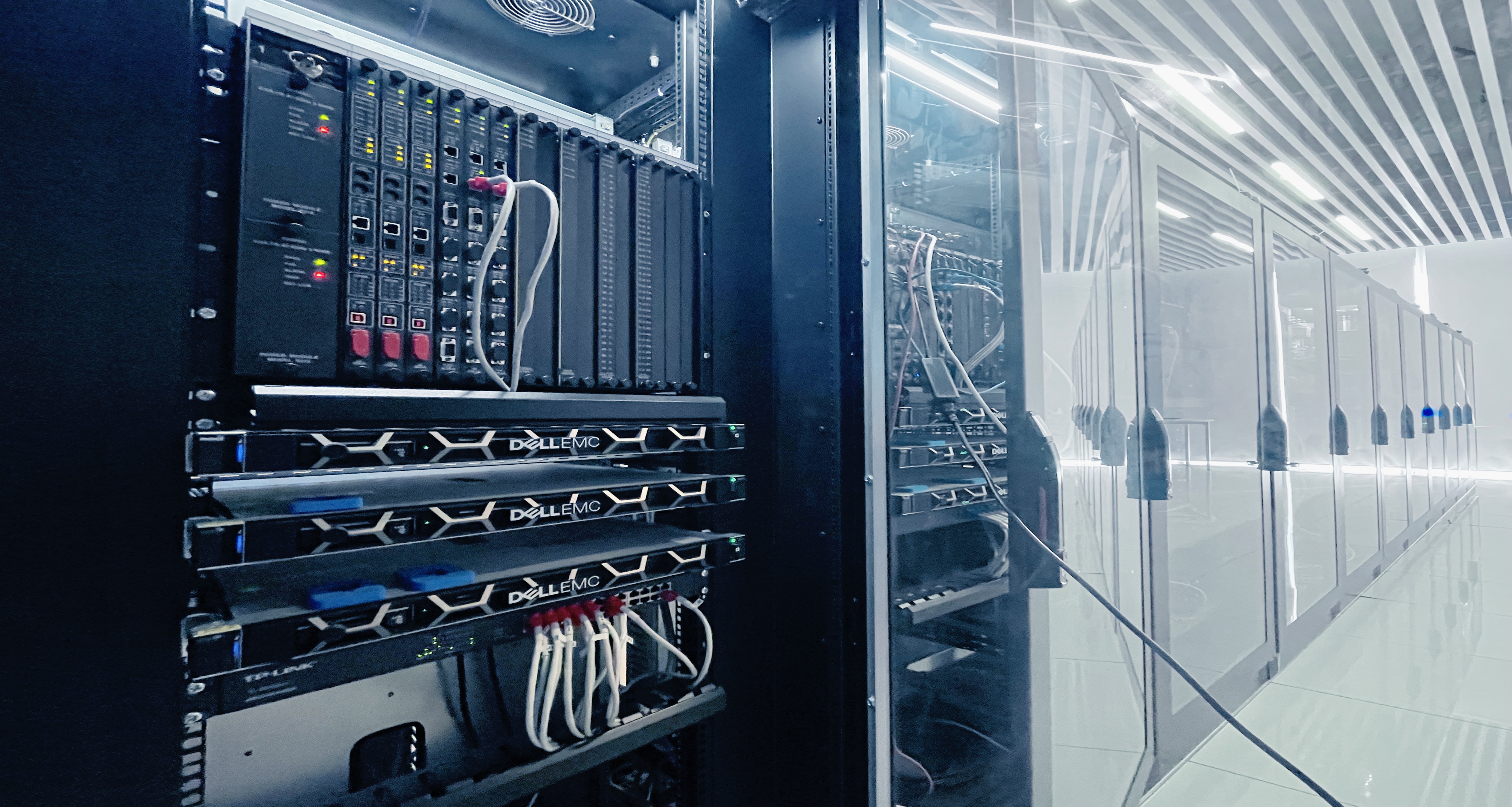
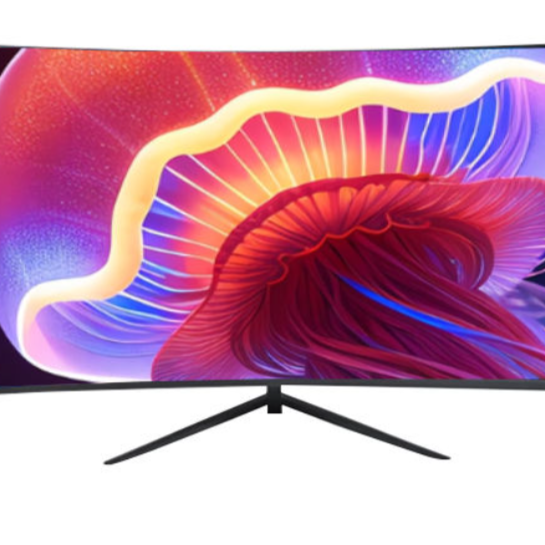
20 Inch 1600*900 Full HD 60Hz TFT LED Monitor with VGA and DP Interfaces for Desktop Computers-Business Use
Guangzhou Zanying Optoelectronics Technology Co., Ltd.

Comprehensive Mining Automation Control System
Beijing Tianma Intelligent Control Technology Co., Ltd.