TSMC Q1 Revenue Up 41% as AI Drives Semiconductor Foundry Expansion
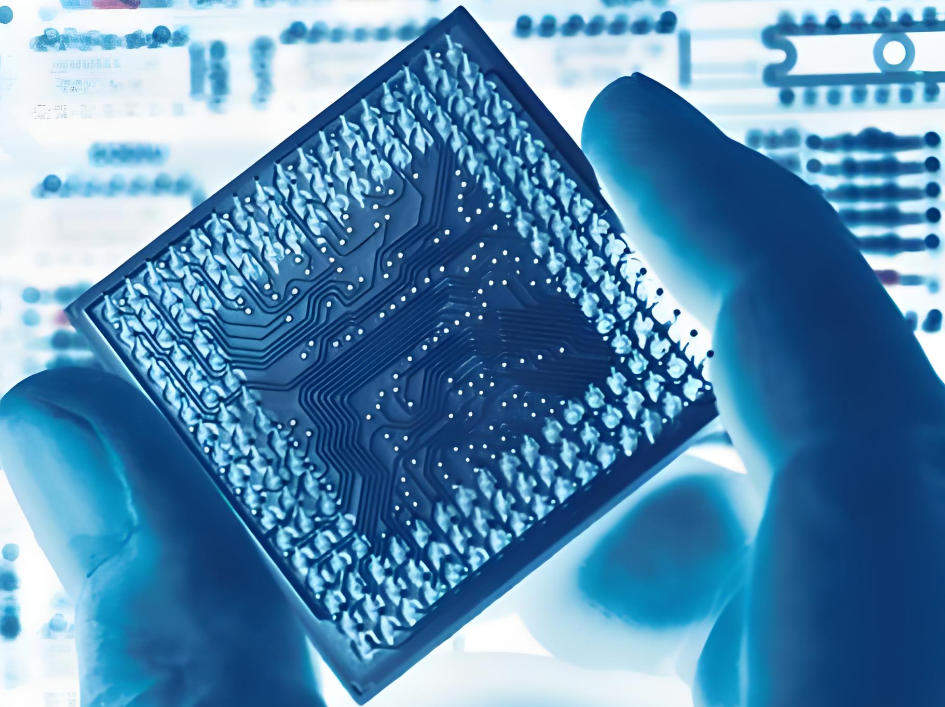
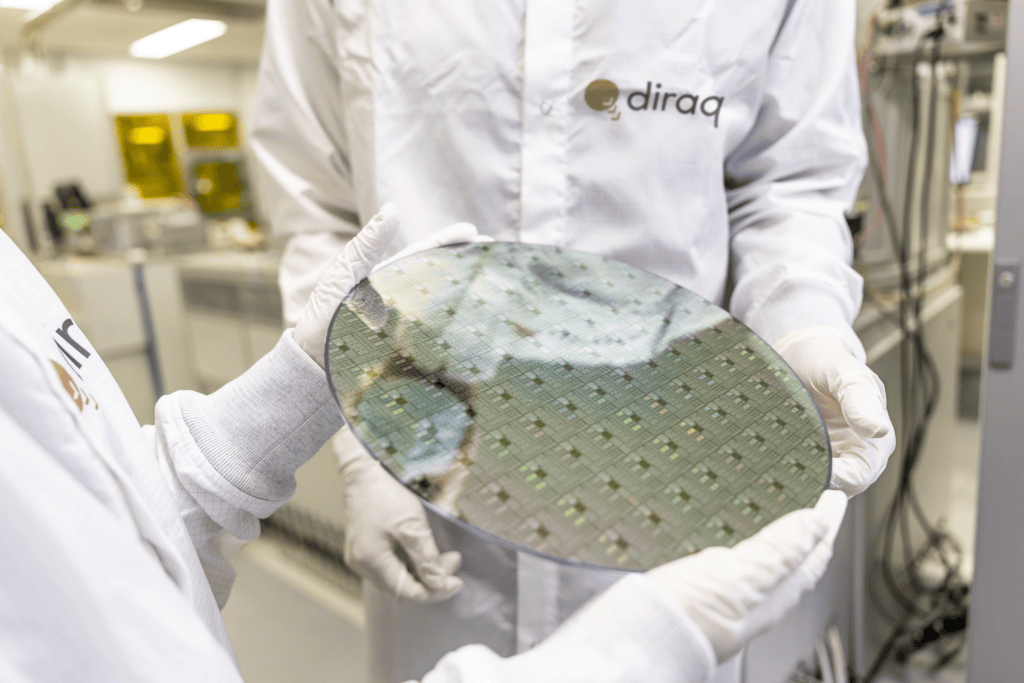
en.Wedoany.com Reported - A recent report from market research firm Counterpoint reveals a structural shift in the semiconductor foundry industry driven by demand for artificial intelligence. Taiwan Semiconductor Manufacturing Company (TSMC) has further expanded its market advantage amid the AI boom, with first-quarter revenue up 41% year-over-year, fueled by increased production of advanced AI-oriented chips. Counterpoint expects TSMC to maintain its growth trend through 2026, achieving nearly 36% revenue growth, driven by high demand for cutting-edge node manufacturing and advanced packaging technologies.
According to analyst William Li, the current expansion far exceeds typical industry cycles, with demand forcing TSMC to reallocate capacity across different fabs, shifting mature node production lines toward more advanced technologies, and even altering its traditional annual pricing policy.
The report also highlights strong performance from some Chinese manufacturers, benefiting from domestic industry localization policies and structural increases in silicon wafer prices. Semiconductor Manufacturing International Corporation (SMIC) saw revenue grow 12%, while Nexchip rose 19%. Counterpoint believes these figures could hold for the remainder of the year as China's technology ecosystem strengthens. Meanwhile, manufacturers such as United Microelectronics Corporation (UMC) and Vanguard International Semiconductor Corporation grew 10% and 14%, respectively, driven by a recovery in the consumer electronics market and increased demand for power management integrated circuits (PMICs).
The growth of large-scale AI models has also placed significant pressure on available capacity for advanced chips. Counterpoint notes that increased orders for specialized processors, particularly TPUs and ASICs, could further strain production at the latest nodes and create new opportunities for Intel Foundry and Samsung Foundry. One potential catalyst is the possibility that future Apple processors could be manufactured using Intel technology, significantly strengthening the U.S. company's competitive position in third-party manufacturing operations.
The report highlights the growing importance of OSAT (Outsourced Semiconductor Assembly and Test). As AI processors become more complex, advanced packaging has become a critical step in the production process, even emerging as a major bottleneck for scaling output. Advanced Semiconductor Engineering (ASE) saw revenue grow 18%, while Amkor achieved a record 25% growth driven by ultra-high utilization rates at its advanced packaging lines. The company expects AI-related project revenue to triple in 2026. Other specialized firms, including Tongfu Microelectronics (Tongfu), King Yuan Electronics (KYEC), and Powertech Technology (Powertech), also reported strong activity growth.
Counterpoint defines this new landscape as a transition to a Foundry 2.0 model. This concept expands the traditional foundry perspective to include not only wafer manufacturing but also advanced packaging, final testing, and photomask suppliers. This integration is a response to the growing complexity of AI systems, where final performance depends on both the manufacturing process and the ability to package multiple chips together at the lowest possible power consumption. According to the consulting firm, future competition in the industry will no longer hinge solely on who has the most advanced manufacturing node, but on who can provide a fully integrated production line to meet the massive growth in AI demand in the coming years.
Related Products



Hot Selling 10 Inch Intel N5100 I5 I7 FHD 8 +128GB 16+256GB Win10 Pro Win11 Pro 4G 5G Rugged Tablet PC Pad with NFC Barcode
Highton Electronics Co., Ltd.




Conveyor Belt Intelligent Monitoring System
LUO YANG WIRE ROPE INSPECTION TECHNOLOGY CO., LTD.

Mine Explosion-proof and Intrinsically Safe Industrial Ethernet Ring Network (10 Gigabit/Gigabit)
Chongqing Mas Sci&Tech Co., Ltd.
Automatic Aiming Laser Remote Obstacle Removal Robot
Pinggao Group Weihai High-Voltage Apparatus Co., Ltd.
TWP16 P-Band Tropospheric Wind Profile Radar
China Huayun Meteorological Technology Group Co., Ltd.
Industrial and Commercial Point-Type Gas Detector
Jinan Benan Technology Development Co., Ltd.