en.Wedoany.com Reported - Fire Hydrant Sign Co., Ltd., a Japanese fire hydrant sign management company, has completed a technical demonstration using existing road sign infrastructure and Starlink satellite antennas to build an emergency Wi-Fi network, aiming to provide a backup communication solution during periods of frequent natural disasters such as earthquakes and tsunamis.
The demonstration was conducted near the company's Kanagawa branch. Each fire hydrant sign, a common public road facility in residential areas, was transformed into a node that simultaneously serves as an emergency water supply location marker and a communication hub. The company manages 120,000 fire hydrant signs nationwide, and this network foundation means there is no need for additional land acquisition or construction of dedicated antenna poles to deploy Starlink equipment.
Japan is located at the junction of multiple tectonic plates, making it prone to earthquakes, tsunamis, volcanic eruptions, and extreme weather events. In such emergencies, ground-based telecommunications infrastructure such as fiber optic cables and mobile base stations are often the first to be damaged. By integrating the Starlink satellite Wi-Fi network with fire hydrant signs, the public is expected to be able to access information and maintain communication during disasters.
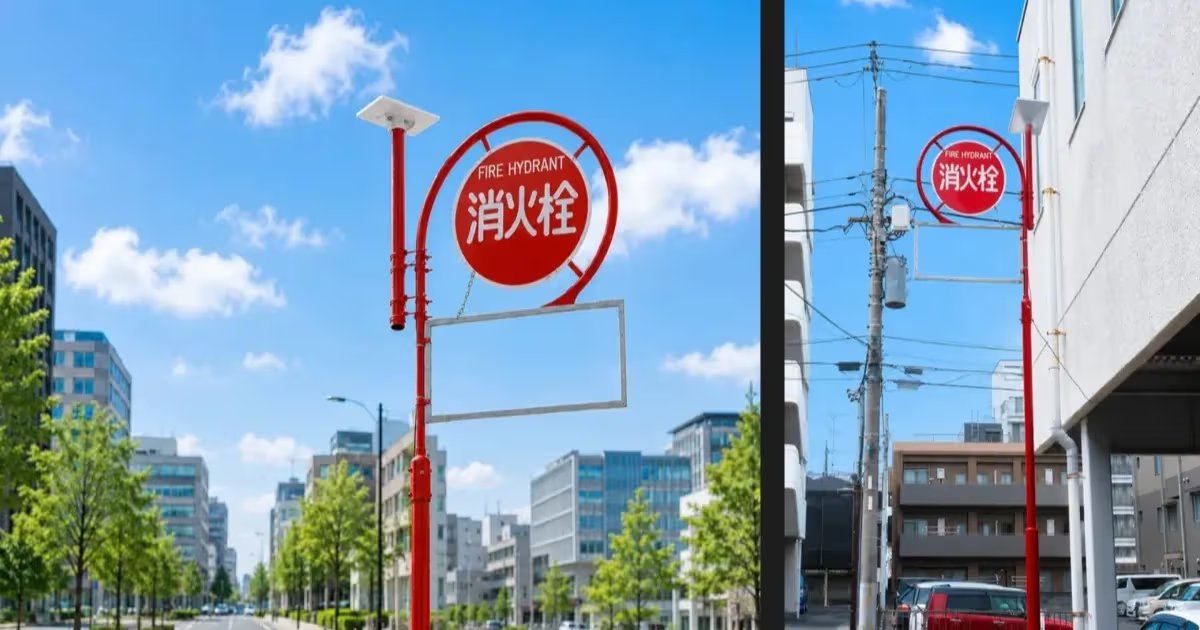
Fire Hydrant Sign Co.'s current business model involves leasing advertising space below fire hydrant signs to companies. Adding a Starlink antenna to these signs not only provides a connectivity solution during disasters but also creates new revenue opportunities for the company, such as offering paid Wi-Fi services during large events or power outages, or providing internet access to local governments as part of disaster emergency systems.
In an official statement, the company stated that it will consider collaborating with local governments, regional companies, and related organizations to promote this initiative more widely. The potential use of this network is not limited to disaster scenarios but also includes power outages, regional large-scale events, and other situations requiring additional Wi-Fi connectivity. However, the company specifically noted in its press release that this test was a technical proof of concept, and the successful test does not mean that Wi-Fi services will be commercially launched soon. Additionally, the company emphasized that Starlink is not an official partner of this project.