São Paulo State Government Calls for Water Conservation as Reservoir Levels Drop Below 40%
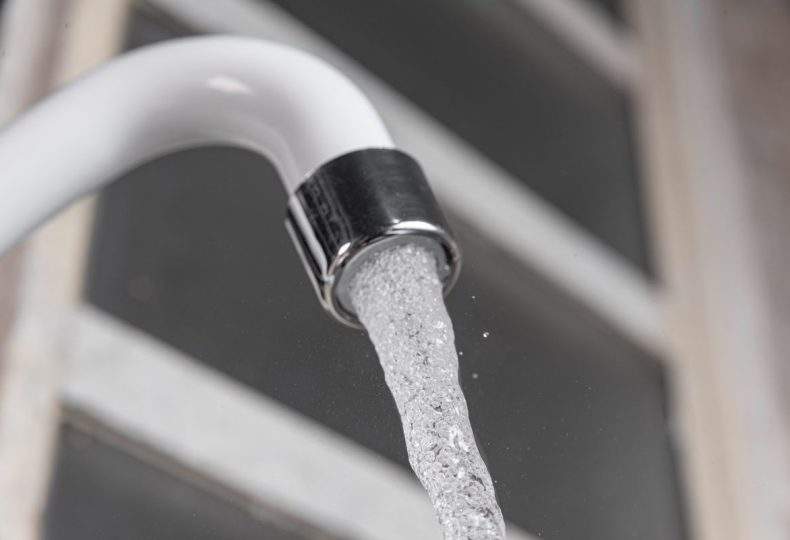
en.Wedoany.com Reported - The São Paulo state government has urged the public to conserve water during the drought period to address the severe situation of declining water levels. Due to the ongoing drought, the Cantareira system entered a warning level on Wednesday (July 1). Data shows that by the end of June, the system's storage capacity had dropped to below 40% of its total volume, and the São Paulo State Basic Sanitation Company (Sabesp) is authorized to extract only 27 cubic meters of water per second from the reservoirs that make up the system.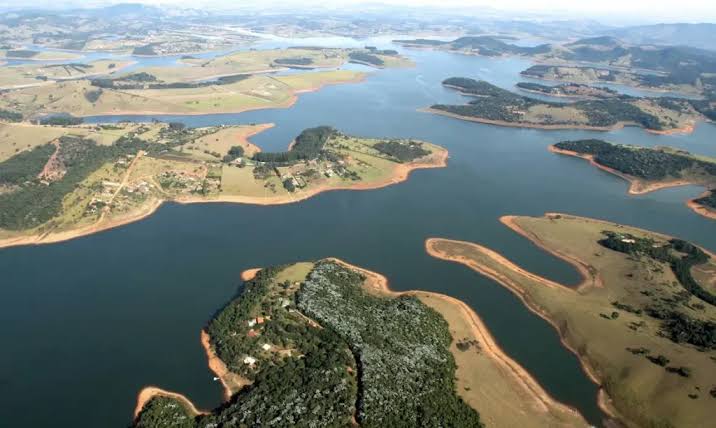
The decline in water levels during the dry season from June to October in the southeastern region is an expected phenomenon. The above measures are part of the rules established by the São Paulo State Water Agency (SP Águas) and the National Water and Basic Sanitation Agency (ANA), aimed at protecting reservoir storage until the rainy season typically returns in November. On the last working day of June, the Cantareira system's storage was at 39.87% of its capacity, reclassifying it to Level 3 to enhance water security during the drought. Previously, when reservoir levels were above 40%, Sabesp could extract up to 31 cubic meters of water per second. This measure has no immediate impact on residential water supply, which remains normal. Sabesp can supplement water intake from other sources, such as diverting water from the Jaguari Hydroelectric Plant (UHE) reservoir in the Paraíba do Sul River basin. However, this situation reinforces the need for water conservation across the state during the dry season. In August 2025, the state government implemented nighttime water pressure management as a preventive measure, carried out from 7 p.m. to 5 a.m., saving 160 billion liters of water in the metropolitan area—enough to meet the monthly water needs of 28 million people, or equivalent to the consumption of two São Paulo cities over the same period. Faced with the dry season, this measure is insufficient to curb the decline in reservoir levels, making it crucial for the public to take steps to avoid water waste. Showers are a major component of water consumption, with a 15-minute shower potentially using up to 150 liters of water, and a family of three consuming up to 13,500 liters per month. Below are water-saving tips: Take a quick 5-minute shower to save up to 9,000 liters per month; check for toilet leaks and avoid flushing tissues to prevent clogs; turn off the tap while scrubbing dishes in the kitchen, opening it only for rinsing, or run the dishwasher at full capacity; accumulate more dirty laundry before starting the washing machine, and reuse the wastewater for cleaning sidewalks or balconies; use a broom instead of a hose for cleaning, and wash the car with a bucket rather than a hose.
Related Products
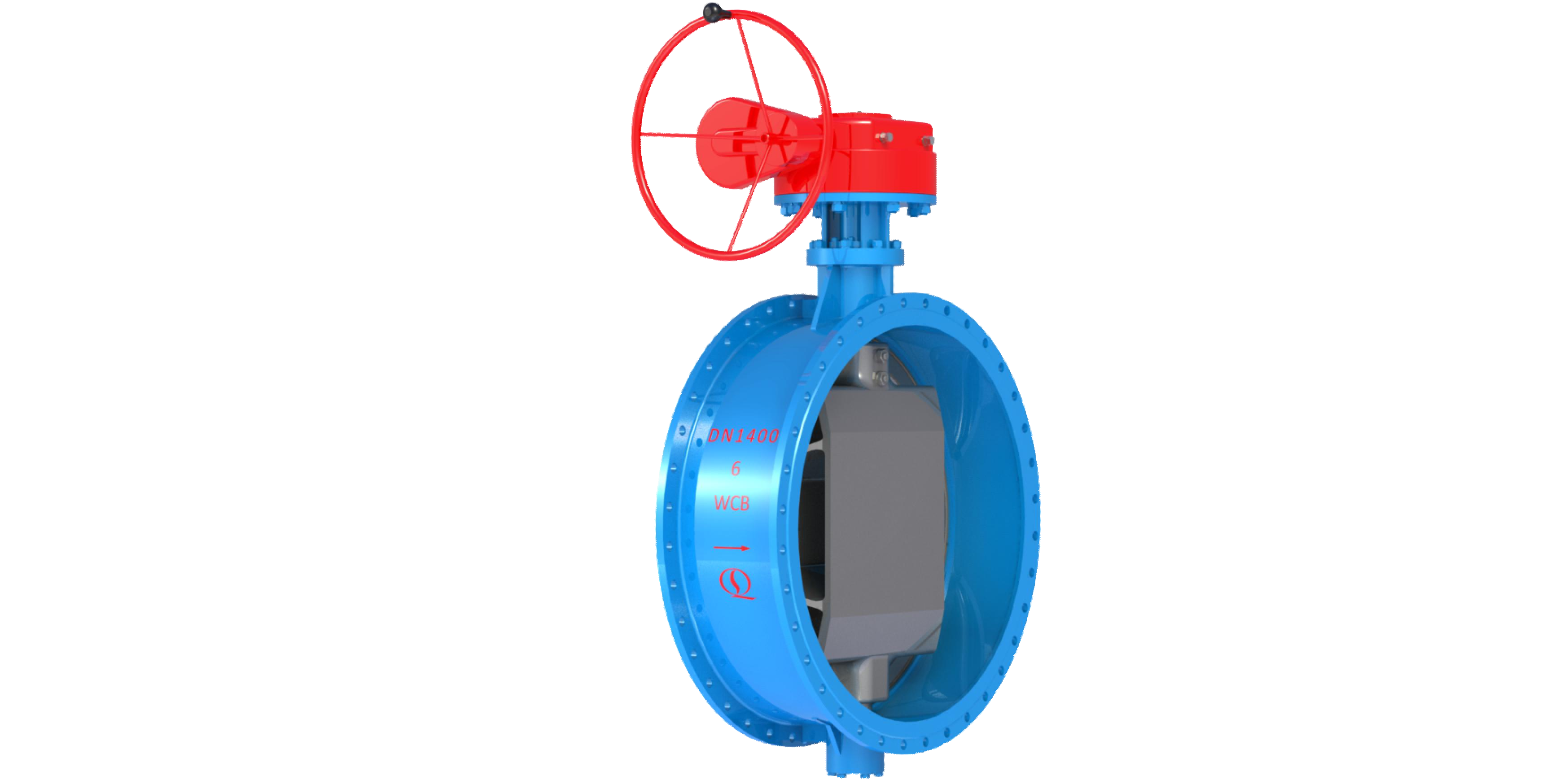

Bidirectional Metal Hard Sealed Seawater Butterfly Valve
Henan Quanshun Flow Control Science & Technology Co., Ltd.
ERW Welded Pipe (Black Pipe and Hot-dip Galvanized Steel Pipe)
Handan Zhengda Steel Pipe Co., Ltd.
Acoustic Mineral Fiber Ceiling Tile 595x595x12mm
Shanxi Pano Trading Co., Ltd

Industrial and Commercial Point-Type Gas Detector
Jinan Benan Technology Development Co., Ltd.
300mm Segment Type Countdown Traffic Light (Core Type)
Yangzhou FAMA Intelligent Equipment Co., Ltd.
West China Xiamen Hospital of Sichuan University
Wuhan Huakang Century Clean Technology Co., Ltd.