Michels Corporation Advances Water Injection Dredging Demonstration Project in Kansas, USA
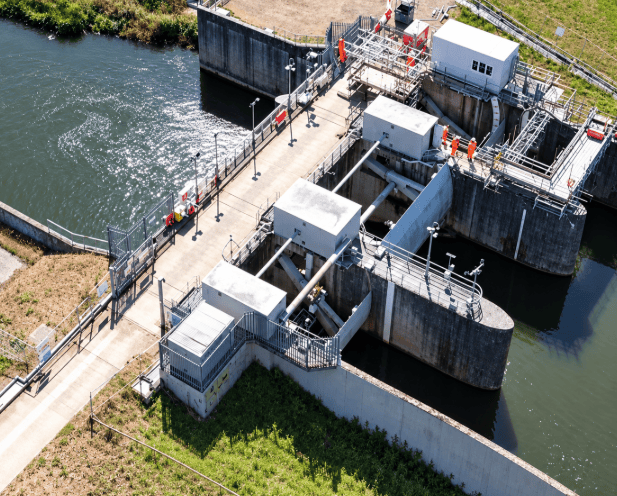
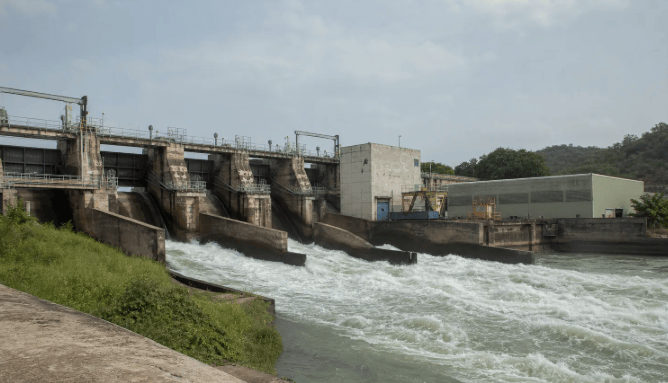
en.Wedoany.com Reported - The U.S. Army Corps of Engineers (USACE) Kansas City District, in partnership with the Kansas Water Office, is advancing a Water Injection Dredging (WID) demonstration project at Tuttle Creek Lake in Manhattan, Kansas. The project, constructed by Michels Corporation, is currently in its third phase and aims to evaluate whether this innovative technology can effectively remove reservoir sediment to restore valuable water storage capacity.
Tuttle Creek Lake is the largest reservoir in the Kansas River Basin. Since the dam's completion in 1962, 438 million cubic yards of sediment have accumulated in the lake. Sediment buildup has reduced the reservoir's surface area, submerged boat ramps, destroyed cove habitats, and forced the abandonment of multiple water intakes. It is estimated that without intervention, by 2074, the reservoir's multipurpose pool will be 75% filled with sediment, leaving only 25% of its original storage capacity. The project is being conducted in three phases, with the first two completed in spring 2025 and spring 2026.
Water Injection Dredging technology injects high-pressure water into the reservoir bottom to disturb and resuspend sediment, allowing it to move downstream via natural currents. Compared to traditional mechanical dredging, this method is lower in cost and causes less ecological disturbance. In this project, USACE and its partners are closely monitoring key indicators such as sediment transport, environmental impact, and operational efficiency. Project lead Laura Totten stated, "This project represents a significant step forward in exploring sustainable dredging technologies to restore water storage capacity."
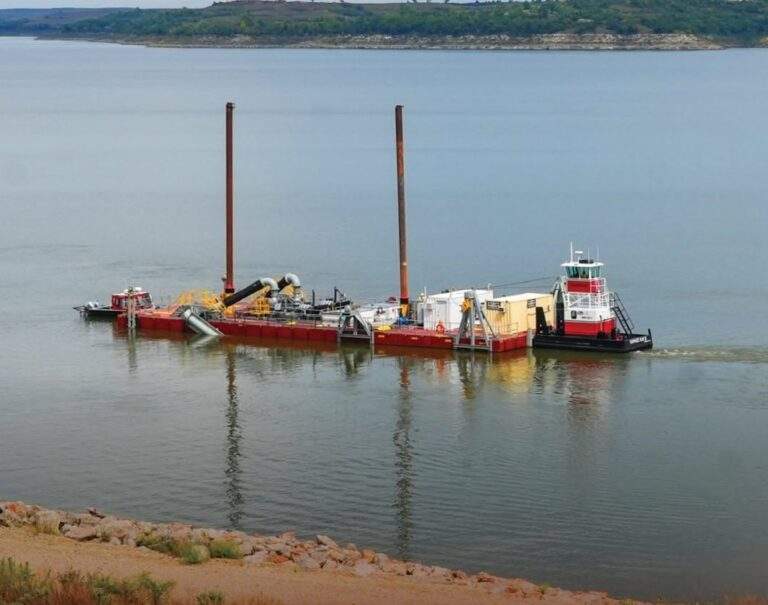
The project has overcome multiple challenges during its implementation. On March 15, 2026, a fuel tank containing 1,800 gallons of diesel fell from a barge into the lake due to high winds, causing operations to be suspended. The leaking fuel tank was successfully recovered on March 18, 2026. On March 26, 2026, operations resumed after receiving approval from the Kansas Department of Health and Environment. Additionally, persistent strong winds and thunderstorms in the spring forced the operational period to be extended from the originally planned 10 days to 15 days. Based on data collected during the spring demonstration, the project team launched the summer demonstration phase as scheduled in June 2026.
The successful implementation of this project is not only critical for maintaining the flood control, water supply, and ecological functions of Tuttle Creek Lake but will also provide valuable technical reference and demonstration experience for other reservoirs in the United States facing similar sedimentation issues. Over 40% of Kansas's population, including cities such as Topeka, Kansas City, and Manhattan, rely on the lake's flood control and water supply benefits.
Related Products


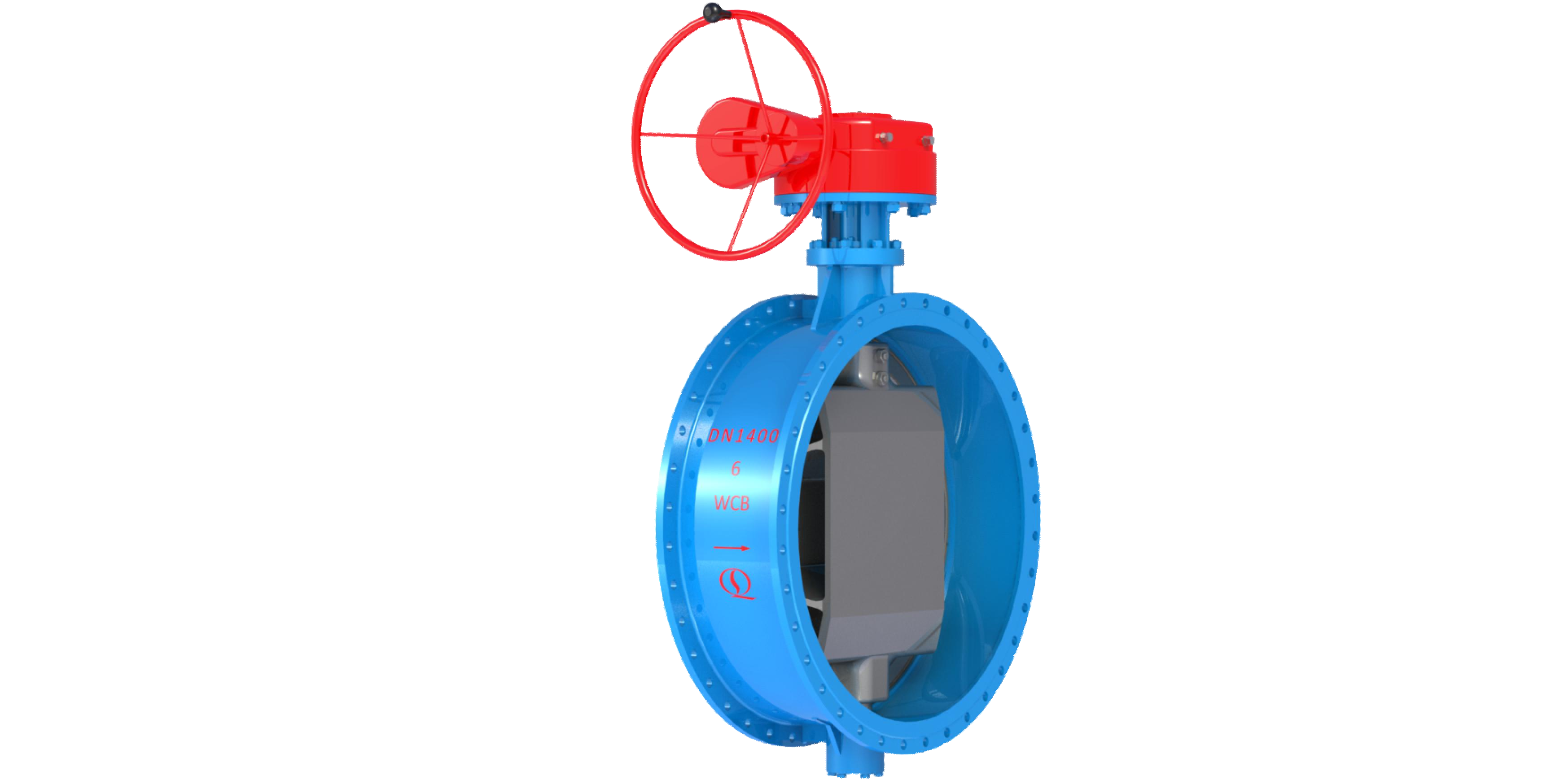
Bidirectional Metal Hard Sealed Seawater Butterfly Valve
Henan Quanshun Flow Control Science & Technology Co., Ltd.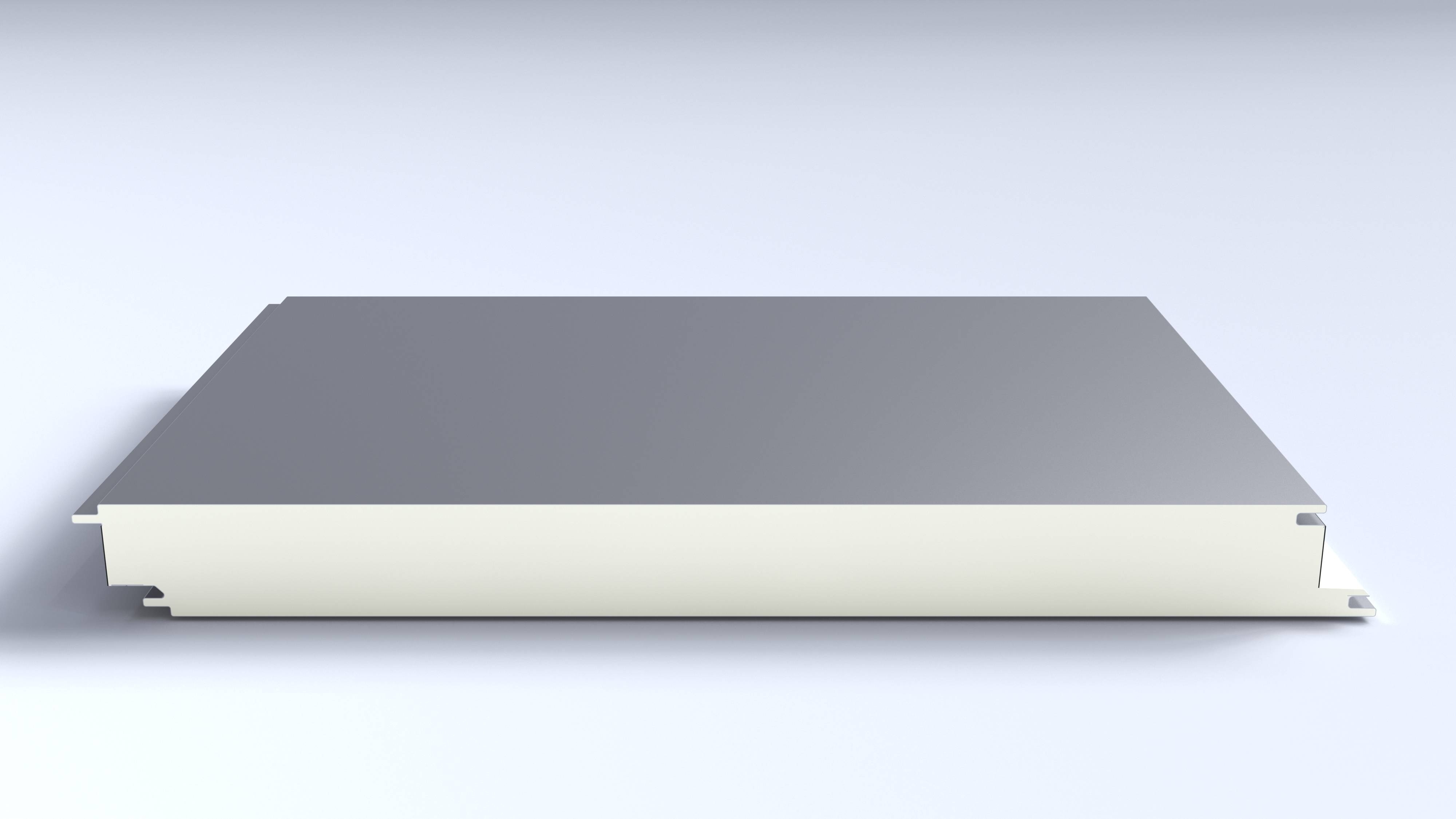
Pure Polyurethane Wall Panel BD-AEF-PIR-01
Baodu International Engineering Technology Co., Ltd.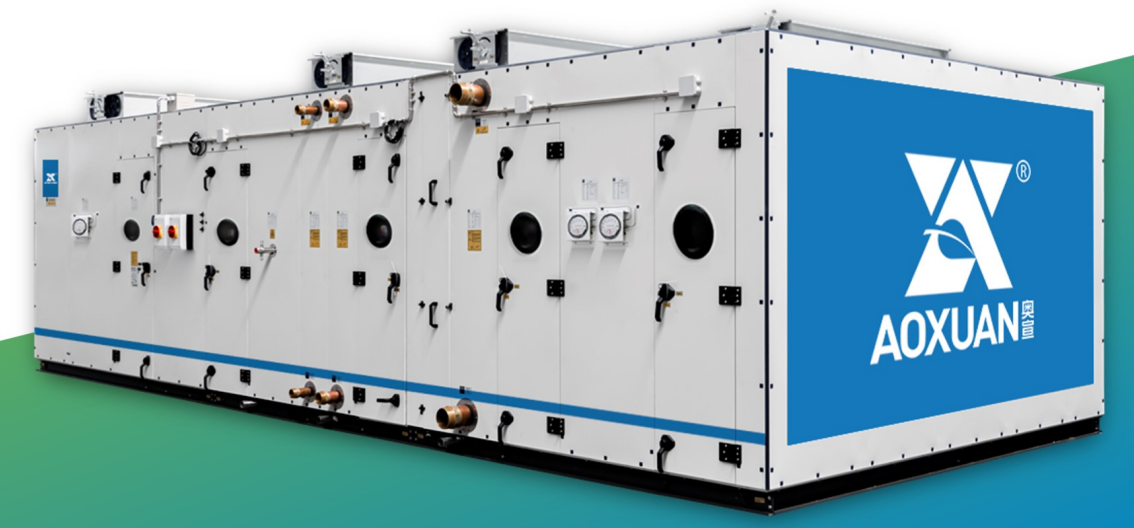
Aoxuan Intelligent Precision Air Conditioning Unit
SHANGHAI AOXUAN PURIFICATION TECHNOLOGY CO., LTD.
Metal sound barriers that can reduce the transmission of road noise
Hebei Jinbiao Construction Materials Tech Corp., Ltd.