Telefónica Germany and Crout Launch 2CoreSIM Failover Solution
en.Wedoany.com Reported - Telefónica Germany (Telefónica Deutschland) and German IoT company Crout have jointly launched 2CoreSIM, an IoT solution that integrates two independent network profiles on a single SIM card, automatically switching to a backup network when the primary connection fails.
Jörg Kablitz, the new Chief Partner & Wholesale Officer at Telefónica Germany, stated that companies monitoring goods flows, transmitting medical data, controlling system security, or running backup systems are increasingly dependent on digital processes and require connections that function even in the event of failures. He believes that the collaboration with Crout combines strong network capabilities, IoT expertise, and intelligent SIM technology to create a solution offering enterprises greater fail-safety and operational control.
Frank Kiesewetter, CEO of Crout, pointed out that if temperature data fails to arrive, a logistics issue can turn into a quality risk; failure of video surveillance and alarm systems can lead to security risks and financial consequences; and forest fire and flood warning systems only work properly if alerts arrive in time. He stated that the goal of the partnership with Telefónica Germany is to deploy resilient connectivity in locations where failures are costly, risky, or business-critical. The solution reduces complexity and embeds fail-safety directly into the SIM card.
The technical core of 2CoreSIM lies in the SIM card itself. It uses one profile to access Telefónica Germany's mobile network, while the second profile accesses Maltese mobile network operator Melita via roaming, thereby providing two independent infrastructures from the core network to the radio cell. The SIM card can automatically switch between the two eSIM profiles, eliminating the need for enterprises to install additional applications or manually configure profiles. When the primary connection becomes unavailable due to lack of radio coverage, local failures, or major outages in the core network or IT systems, the SIM card activates the backup profile, with control exercised directly on the card embedded in the IoT device.
o2 Telefónica (o2-Telefónica) emphasizes that this solution goes beyond traditional roaming. It does not merely rely on multiple mobile networks but on two mutually independent network profiles and infrastructures. In the long term, the SIM card can integrate different network layers such as terrestrial mobile networks, satellite connections, and short-range wireless technologies.
Both companies state that 2CoreSIM is suitable for applications where a stable connection is a prerequisite for operations. Target areas include continuous monitoring of high-value goods, containers, or cash transport in logistics; reliable transmission of cold chain temperature data in food trade or pharmaceutical logistics; resilient transmission of vital signs and device data in the medical field; contact for sensors, machines, security systems, or backup solutions in industrial or security sectors when the primary connection fails; continuous connectivity for pumping stations, water treatment plants, oil and gas pipelines to ensure uninterrupted supply; and reliable delivery of alerts in flood monitoring and forest fire systems.
o2 Telefónica mentions that Telefónica Germany contributes digital networking expertise and a core network and antenna infrastructure with over 29,000 sites, while Crout complements the solution with IoT knowledge, connectivity to mobile network operator Melita, and proximity to industry customers.
Related Products


Multi-function Marine Monitoring Low-altitude Detection Radar Sea-air Boundary Ocean Dynamic Environment Measurement
Chengdu Dixin Technology Co., Ltd.
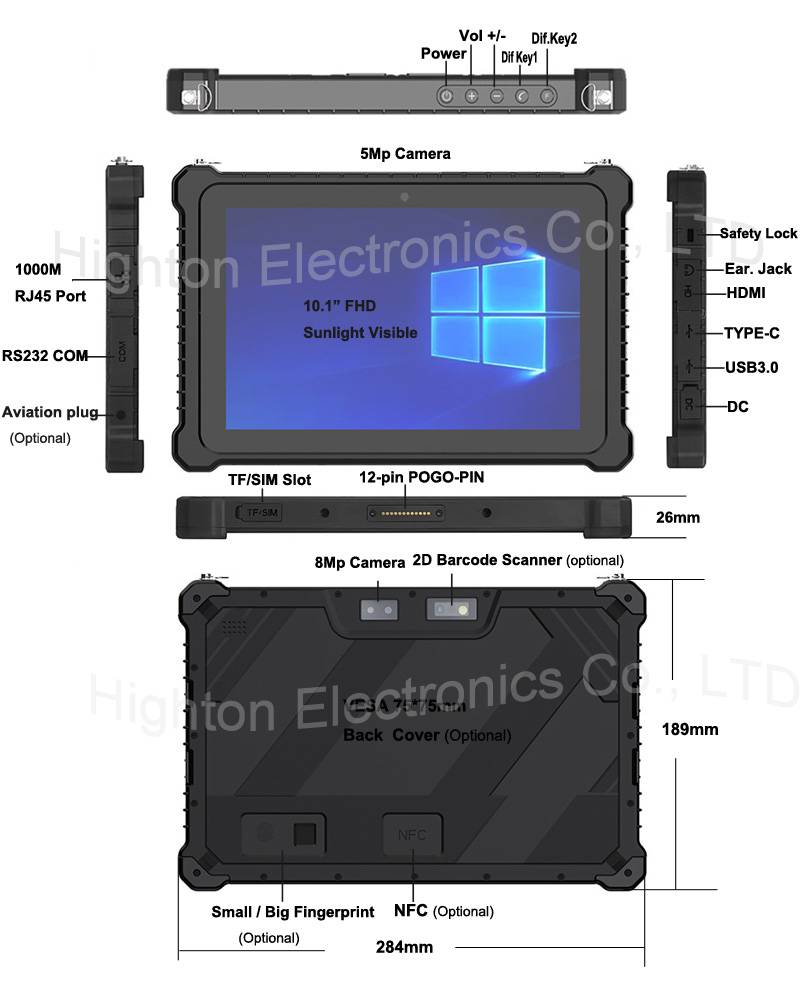
Hot Selling 10 Inch Intel N5100 I5 I7 FHD 8 +128GB 16+256GB Win10 Pro Win11 Pro 4G 5G Rugged Tablet PC Pad with NFC Barcode
Highton Electronics Co., Ltd.
Automatic Aiming Laser Remote Obstacle Removal Robot
Pinggao Group Weihai High-Voltage Apparatus Co., Ltd.



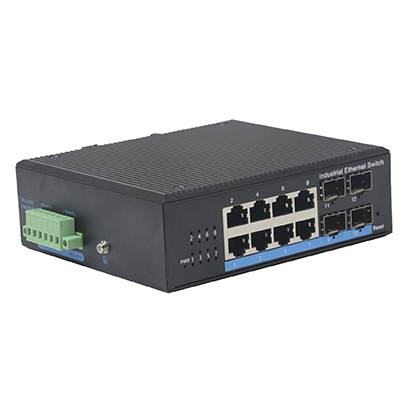
GYTA Type Non-Self-Supporting Aerial/Duct Optical Cable
TONGDING INTERCONNECTION INFORMATION CO., LTD.