Granite Joint Venture Selected for Preconstruction Services on Major Bridge Replacement in Reno
en.Wedoany.com Reported - Keystone Bridge Partners, a joint venture between Granite and geotechnical firm Condon-Johnson & Associates, has been selected by the Regional Transportation Commission (RTC) of Washoe County, Nevada, to provide preconstruction services for the Keystone Avenue Bridge replacement project in Reno. The project utilizes a Construction Manager at Risk (CMAR) delivery model, with a smaller preconstruction phase value and an estimated construction phase value of $50 million to $60 million.

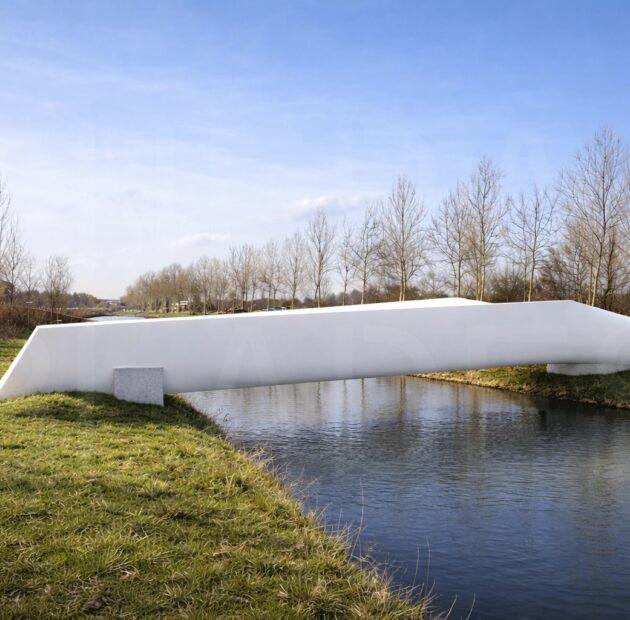
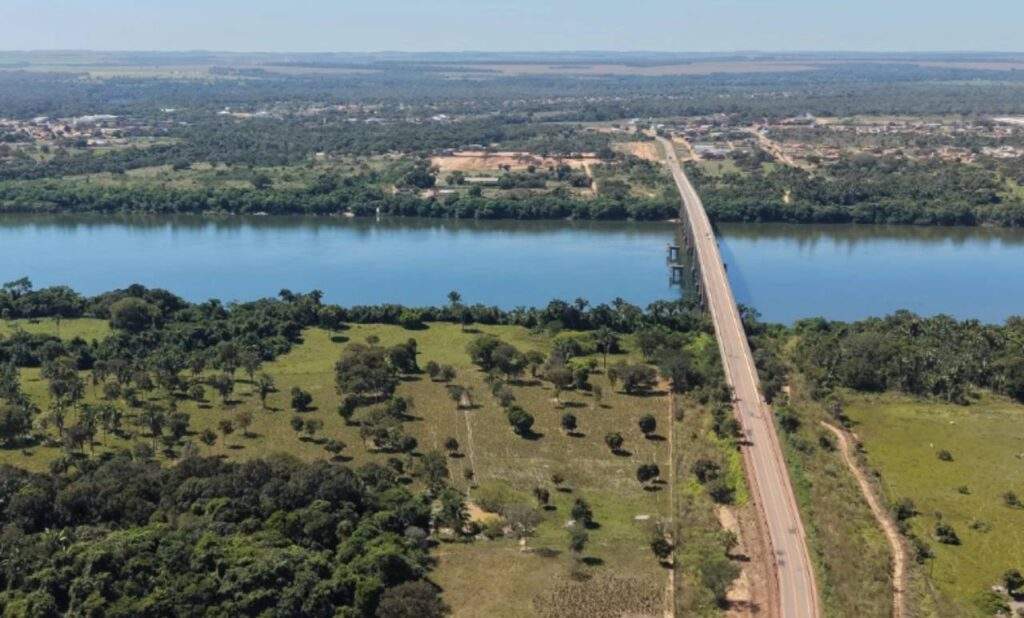
Built in 1966, the Keystone Avenue Bridge is a structure carrying four lanes of north-south traffic over the Truckee River, connecting residential areas of west Reno with downtown and Interstate 80, with an average daily traffic volume of approximately 13,000 vehicles. The bridge currently lacks dedicated pedestrian and bicycle facilities. The new plan aims to replace this bridge, rated as being in "poor condition," with a new multi-span steel girder structure, including approach reconstruction, retaining walls, drainage systems, utility relocations, and multimodal transportation work.
The selection of the CMAR model is a key commercial feature of this award. This model allows the contractor to collaborate with the designer during the preconstruction phase, participating in project pricing, constructability reviews, risk management, and value engineering optimization, before providing a guaranteed price commitment for construction. For the owner, RTC, this model helps address complex ground conditions, utility conflicts, and environmental constraints at the constrained urban river site. Chris Burke, Granite's Regional Vice President, stated that the project reflects the company's commitment to delivering resilient, community-focused infrastructure and expressed pleasure in collaborating again with RTC to find collaborative solutions.
The project is led by the RTC of Washoe County, in partnership with the Nevada Department of Transportation (NDOT) and the City of Reno, and is supported by federal funding from the Bridge Formula Program established under the Infrastructure Investment and Jobs Act of 2021. The preconstruction phase is planned from the second quarter of 2026 through the first quarter of 2028, with major construction expected to take place from the second quarter of 2028 to the third quarter of 2029.
Replacing a bridge over the Truckee River is more complex than a typical construction project. The river is designated as a protected natural and cultural resource, requiring the project to undergo federal environmental review and permitting through agencies such as the U.S. Army Corps of Engineers and the Federal Highway Administration. Several Truckee River bridges in Washoe County, including the Arlington, Sierra Street, and Greg Street bridges, face similar replacement needs, highlighting the concentration of local infrastructure challenges.
According to Federal Highway Administration standards, a bridge is classified as "structurally deficient" (now commonly referred to as being in "poor condition") when key components such as the deck, superstructure, or substructure are rated as poor or worse. This does not declare the structure unsafe but indicates a need for maintenance and investment; such bridges remain open and monitored while planning for replacement. A 2025 analysis by the American Road & Transportation Builders Association shows that over 47,000 of the nation's approximately 616,000 bridges fall into the deficient category, with estimated repair costs of $467 billion.
This award comes as Granite's commitments and awarded backlog reached a record $7 billion (as of the end of 2025), an increase of about one-third year-over-year. The company has established a project pipeline in Nevada, including preconstruction services for the I-80 East Widening project. The Keystone project provides a case study for contractors and owners on how to leverage federal bridge funding, collaborative delivery models, and vertically integrated contractors to address the renewal needs of aging civil infrastructure.
Related Products


Industrial and Commercial Point-Type Gas Detector
Jinan Benan Technology Development Co., Ltd.
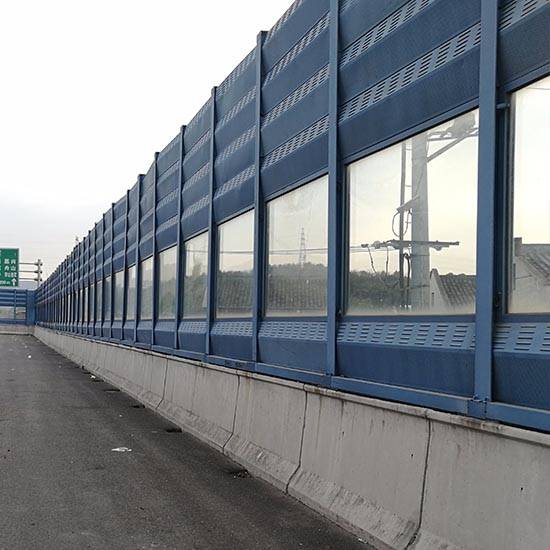
Metal sound barriers that can reduce the transmission of road noise
Hebei Jinbiao Construction Materials Tech Corp., Ltd.
Acoustic Mineral Fiber Ceiling Tile 595x595x12mm
Shanxi Pano Trading Co., Ltd
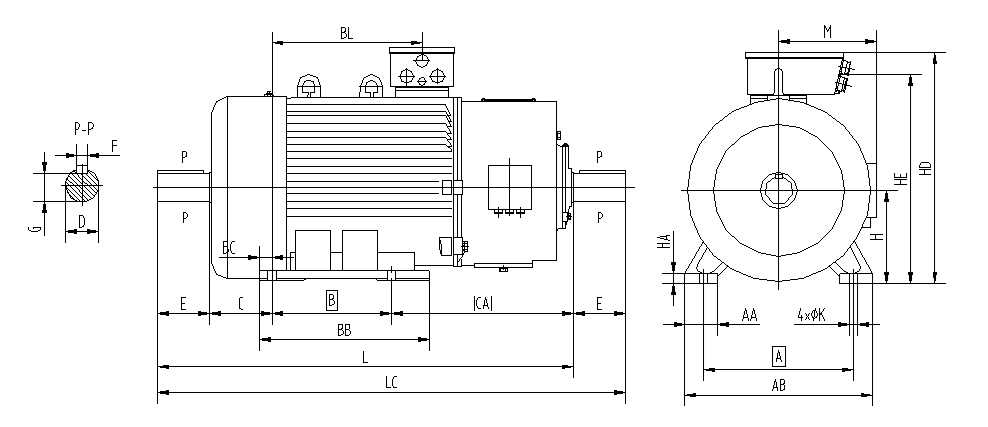
YZR (450-560) Series Wound Rotor Three-Phase Asynchronous Motors for Crane and Metallurgical Applications
Jiamusi Electric Machine Co., Ltd.