UK Woolbeding Greenhouse automatically opens and closes, expanding to 141 square meters
en.Wedoany.com Reported - The Woolbeding Greenhouse, designed by Heatherwick Studio, is located on the edge of Woolbeding Gardens in West Sussex, England, which is managed by the National Trust. This greenhouse can automatically open or close in response to the climate.
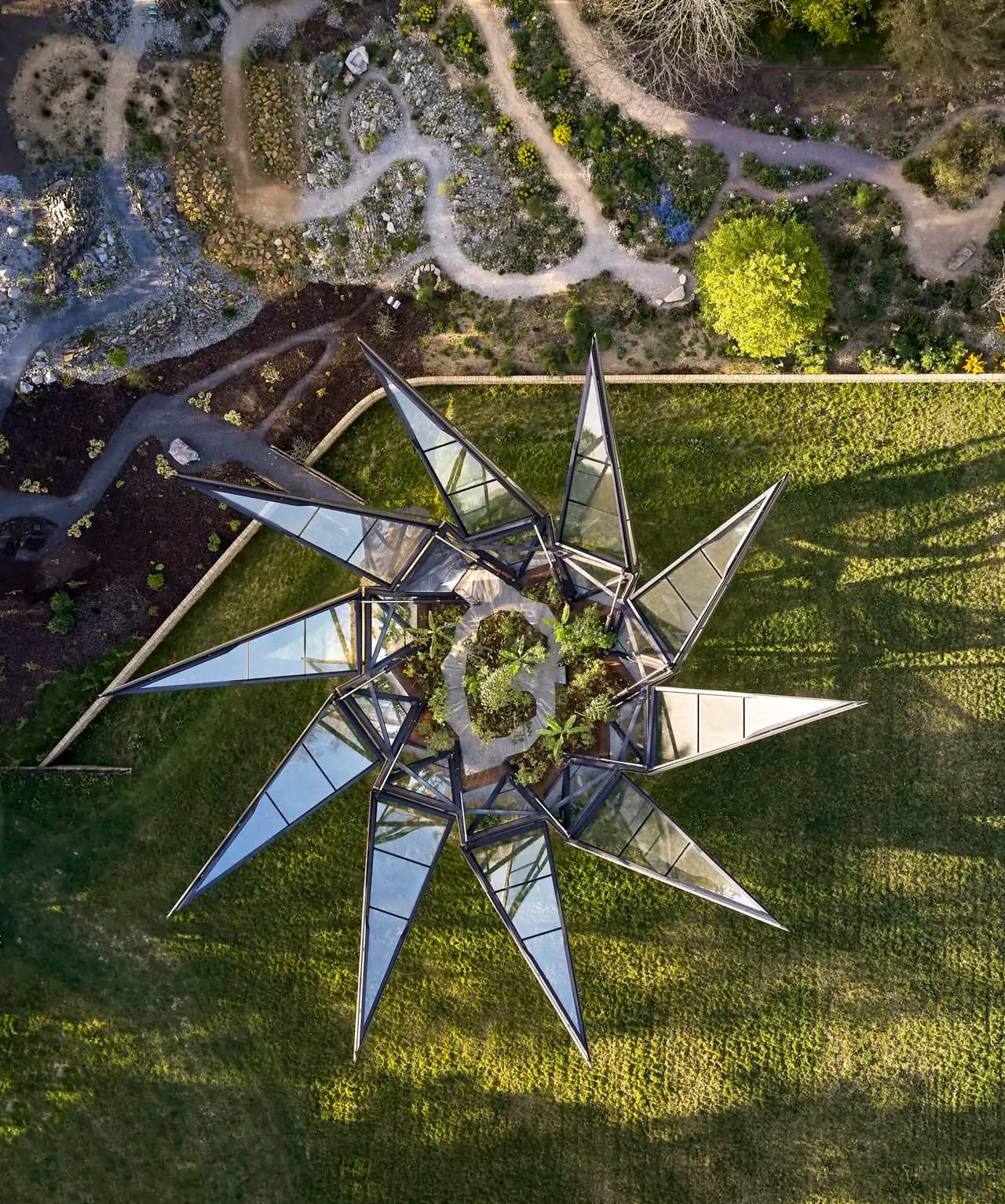
The greenhouse consists of ten large steel components covered with glass and aluminum, which Heatherwick Studio refers to as sepals. A hydraulic mechanism drives these ten parts to move in coordination. In warm weather, it takes about four minutes for the structure to fully transform from a compact shape into a crown-like open space of 141 square meters, reaching a height of approximately 15 meters. In cold weather, the structure remains closed to maintain a stable internal environment and protect the collection of subtropical species.
The movement of the greenhouse serves both functional and aesthetic purposes. When open, plants receive direct sunlight and natural ventilation; when closed, the outer shell resembles a geometric gem. Heatherwick Studio collaborated with structural engineering team Eckersley O'Callaghan to integrate architecture, hydraulic engineering, and landscape design into a single system. The design references Victorian decorative terrariums but achieves a contemporary interpretation through a movable structure of steel, glass, and aluminum.
Inside the greenhouse grow plants primarily from subtropical regions of Southwest China, including the rare Vietnamese Aralia (Aralia vietnamensis), whose canopy provides shade for various fern species. Surrounding it are umbrella trees, magnolias, and bananas, forming a small, lush landscape. When the climate is suitable, the structure opens to allow plants to interact with the outside environment, rather than being enclosed year-round in a completely isolated space.
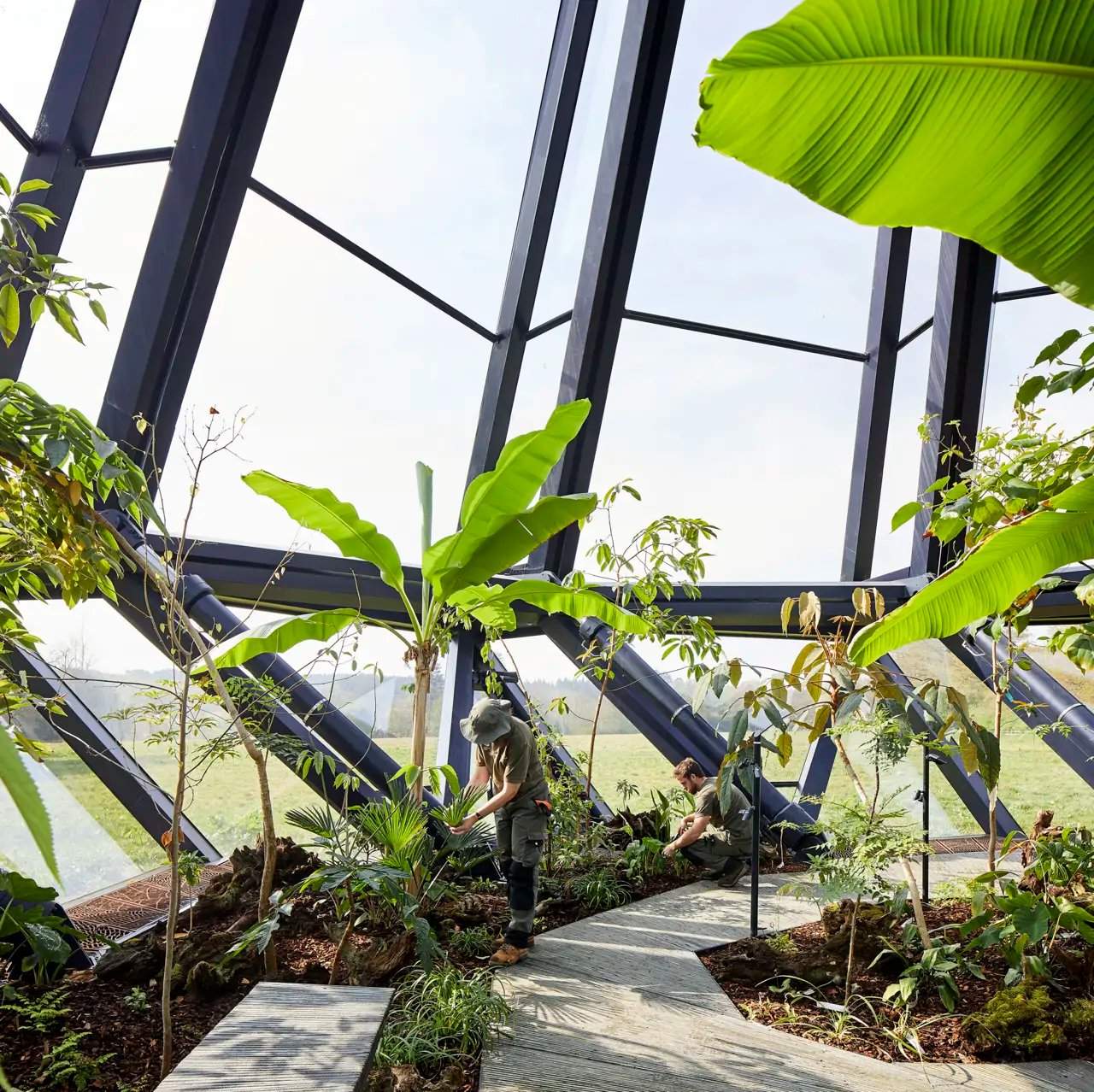
This greenhouse is a core element of the Silk Route Garden, which showcases how exchanges between Asia and Europe have transformed the vegetation of British gardens. A winding path leads visitors through twelve different zones of the ancient trade route, gathering over 300 species, passing landscapes inspired by the Mediterranean, mountainous regions, arid areas, high-altitude meadows, and subtropical Asia, ultimately reaching the structure designed by Heatherwick. Along these routes, not only silk, spices, and valuable goods circulated, but also seeds, plants, and cultivation knowledge. Species now common in the UK, such as rosemary, lavender, and fennel, arrived through such exchanges. The garden also includes Gallica roses, originally introduced to Europe by merchants from Persia.
The Woolbeding Estate is recorded in the 1086 Domesday Book and retains the remains of an old Elizabethan house. The current house was built in the mid-18th century and was once home to poet and novelist Charlotte Smith. Politician Benjamin Disraeli described the area as "the greenest valley and the most beautiful river in the world." In 1973, Simon Sainsbury and Stewart Grimshaw commissioned American designer Lanning Roper to undertake a major renovation of the estate. Roper later became the designer of Highgrove House gardens, the country residence of Charles III in Gloucestershire. Since the early 21st century, Julian Bannerman and Isabel Bannerman have continued to develop other areas of Woolbeding, including the Pleasure Garden, the Long Walk, and the Entrance Garden, as well as expanding the lake and constructing a waterfall using Sussex sandstone.
Related Products




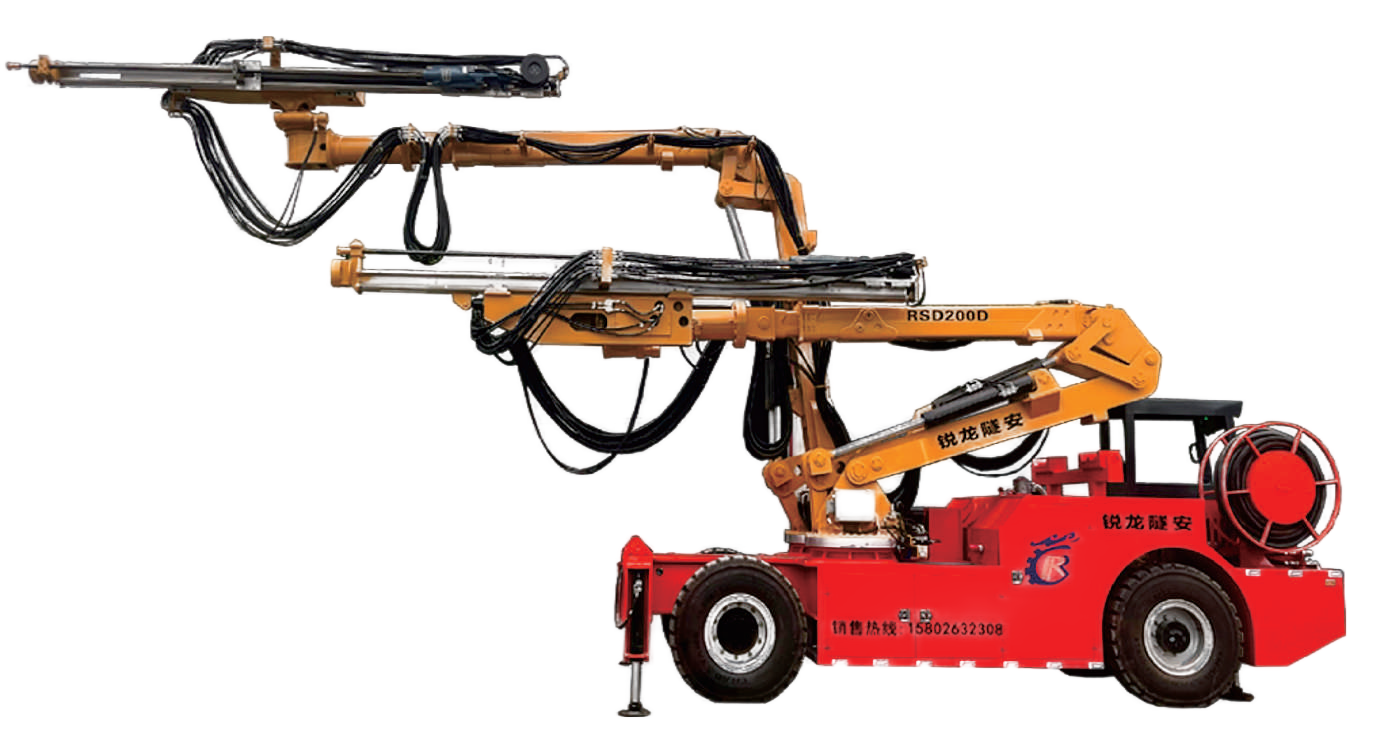
Dual-curved Arm Rock Drilling Trolley RSD200D
Chengdu Ruilong Machinery Manufacturing Co., Ltd.
Ultra-pure Ferritic Stainless Steel Products
Gansu JISCO Group Hongxing Iron and Steel Co., Ltd.

CITIC Heavy Industries Tunneling Equipment Tunnel Engineering Shield Machine
CITIC Heavy Industries Co., Ltd.

145kV Porcelain Column Type Sulfur Hexafluoride Circuit Breaker
TBEA ZONFA Shanghai High Voltage Switchgear Co., Ltd.