Casa PAS Project in Ceará, Brazil Adopts Earthship Model for Sustainable Housing
en.Wedoany.com Reported - The "Earthship" sustainable housing model, developed by American architect Michael Reynolds over approximately 40 years in New Mexico, is being adopted by a localized project in the Brazilian state of Ceará.
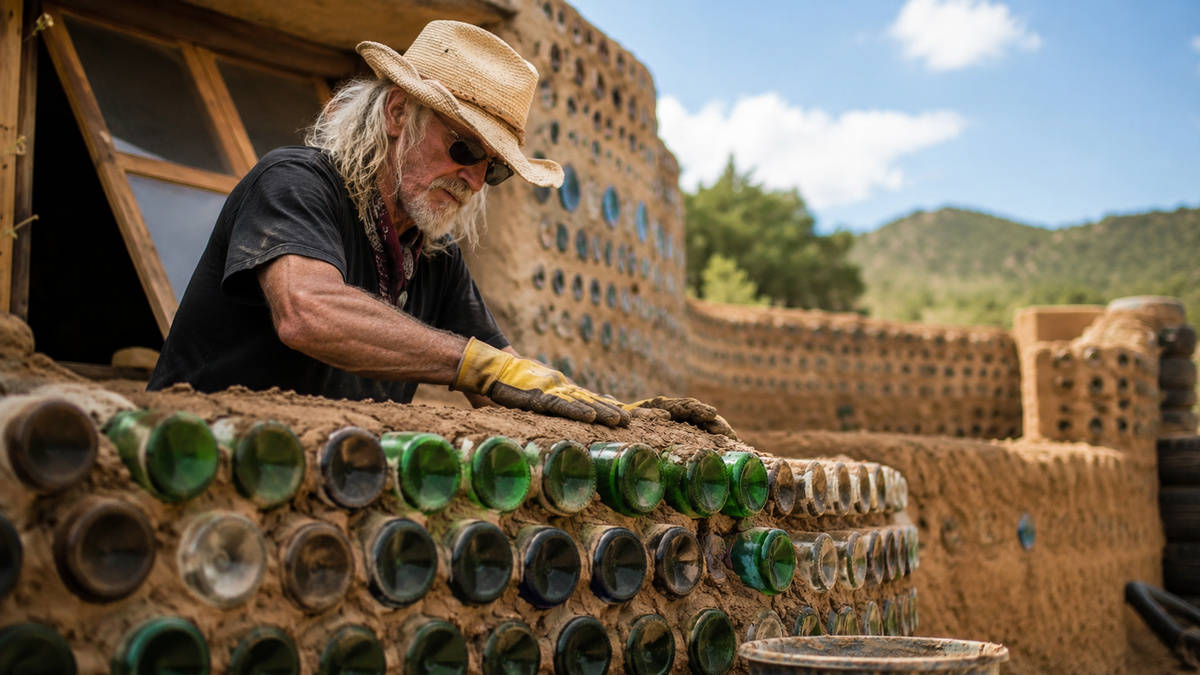
Earthship homes in New Mexico are designed to operate autonomously in terms of water, energy, sewage, and food production, using materials typically discarded such as old tires, bottles, cans, and cardboard. The model began with Reynolds' vision of building houses that reduce reliance on traditional networks, collecting rainwater, utilizing renewable energy sources like solar and wind power, and relying on natural ventilation, lighting, and cooling for comfort. Waste materials are used as walls and structures in these homes.
These houses operate with integrated systems, including rainwater collection and storage, graded water reuse, and a treatment stage called the "black water treatment cell (célula de água negra)." Energy is generated from renewable sources, and food production occurs within the house or in nearby areas.
In Brazil, the Casa PAS project in Aquiraz, Ceará, is being built according to Earthship principles. Led by Bernardo Andrade, who interned at Michael Reynolds' company, the project aims to adapt this model to Brazilian realities while maintaining the concepts of autonomy and material reuse. In addition to tires, bottles, and natural materials, Casa PAS plans to use construction waste, steel smelting slag (escórias siderúrgicas), PET fiber (lã de PET), and wood-plastic composite (madeira plástica).
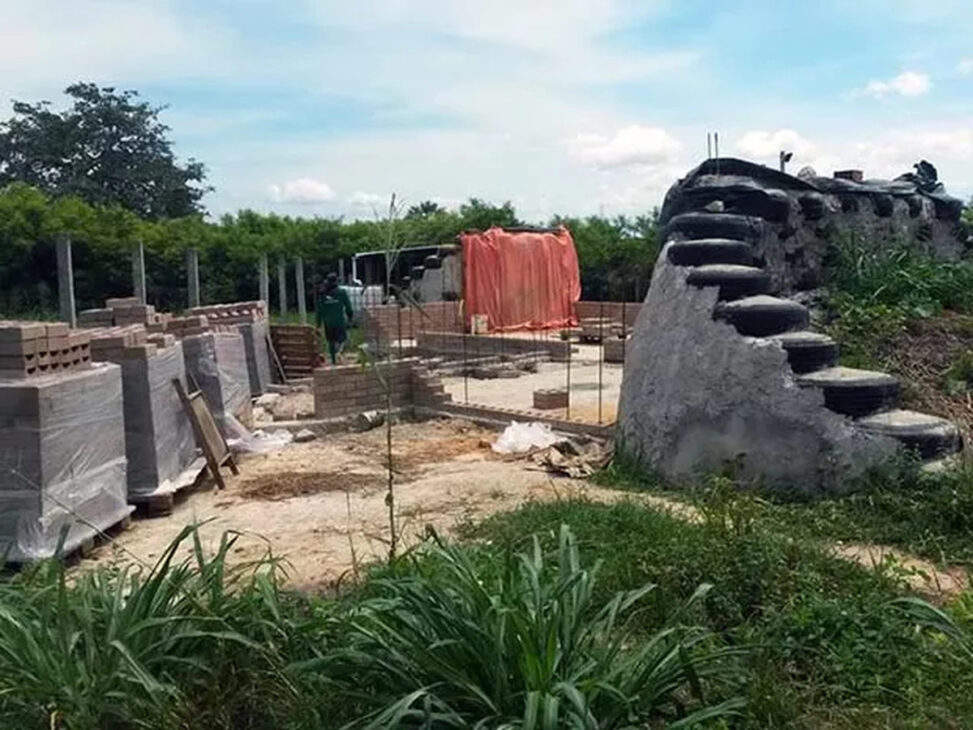
The Casa PAS project plans to promote bioconstruction (bioconstrução) techniques, using earth, tires, bottles, and cement-stabilized earth bricks. The project aims to demonstrate a viable autonomous model for water, energy, and food production. The space will be open to the public for visits, research, and study by universities interested in sustainable architecture.
Related Products
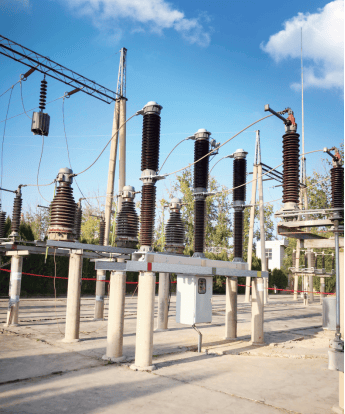

145kV Porcelain Column Type Sulfur Hexafluoride Circuit Breaker
TBEA ZONFA Shanghai High Voltage Switchgear Co., Ltd.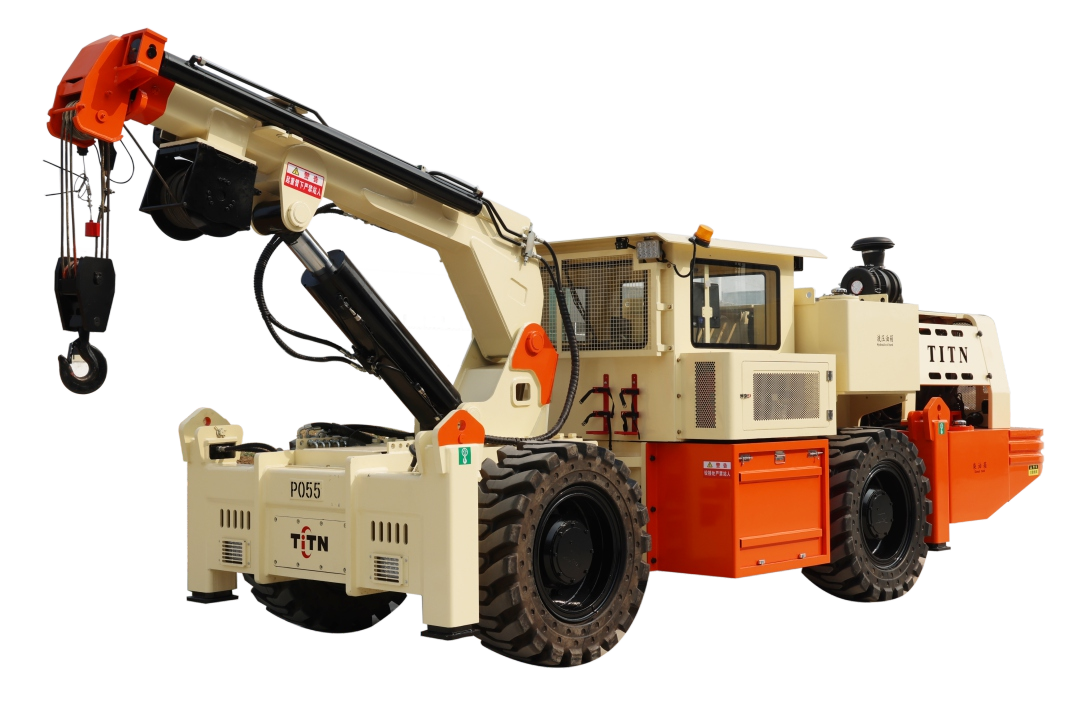
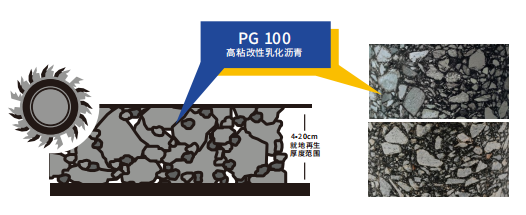
High-toughness in-Situ Cold Recycling Technology for Original Structural Layers
Central Fortune Creation Technology Group Co., Ltd.
ERW Welded Pipe (Black Pipe and Hot-dip Galvanized Steel Pipe)
Handan Zhengda Steel Pipe Co., Ltd.
Pure Polyurethane Wall Panel BD-AEF-PIR-01
Baodu International Engineering Technology Co., Ltd.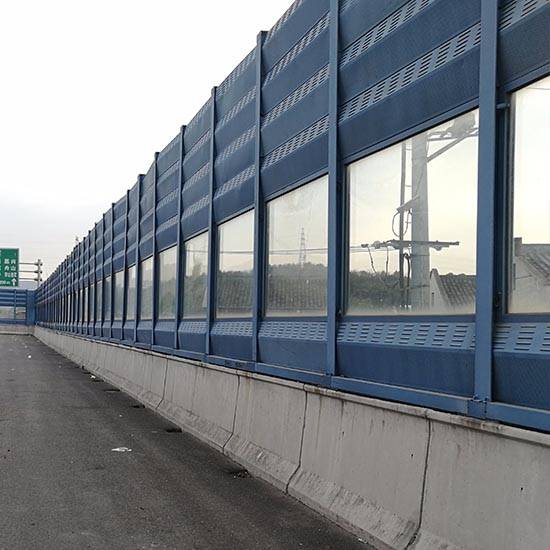
Metal sound barriers that can reduce the transmission of road noise
Hebei Jinbiao Construction Materials Tech Corp., Ltd.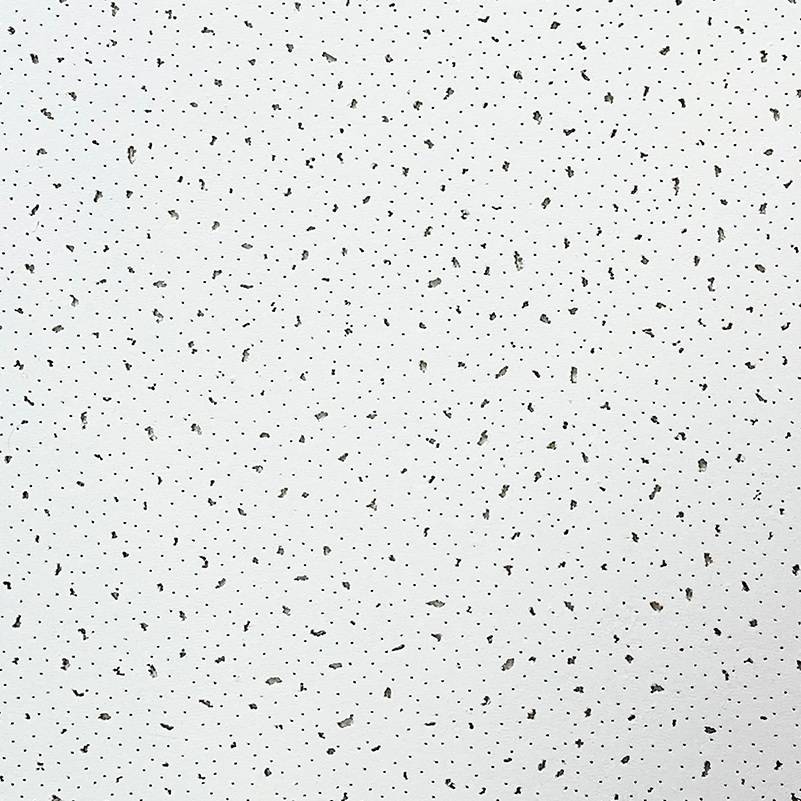
Acoustic Mineral Fiber Ceiling Tile 595x595x12mm
Shanxi Pano Trading Co., Ltd