Biofuel, Biogas Groups Comment on New Updates to Proposed California LCFS Amendments
Wedoany.com Report-Apr. 23, On April 4, the California Air Resources Board (CARB) released a third set of proposed modifications to the state’s Low Carbon Fuel Standard (LCFS), opening a 15-day public comment period. By the April 21 deadline, 81 comments were submitted, including those from the Renewable Fuels Association (RFA), Growth Energy, Clean Fuels Alliance America, the RNG Coalition, and the American Biogas Council.
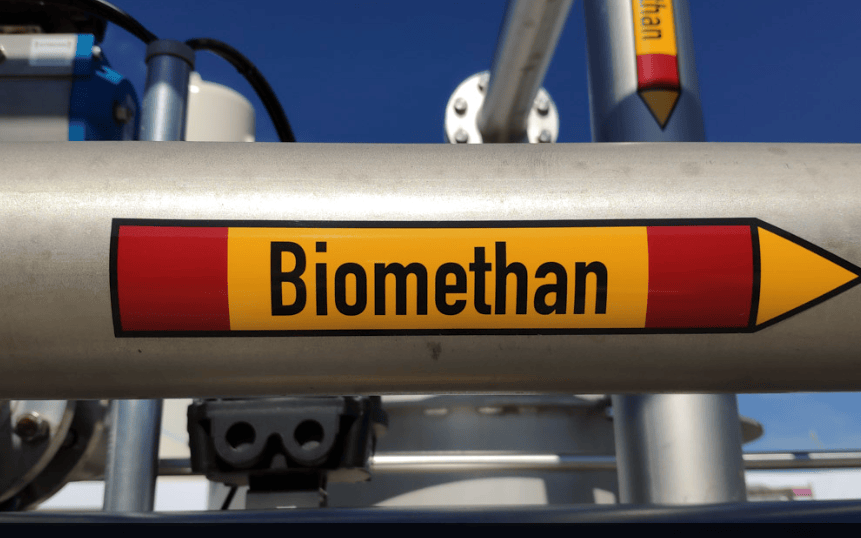
On November 8, 2024, CARB approved LCFS updates aiming to reduce transportation fuel carbon intensity by 30% by 2030 and 90% by 2045. The revisions include requirements for fuel producers to trace crop- and forestry-based feedstocks to their origin, independent certification to ensure sustainable biomass-based diesel and aviation fuel feedstocks, a ban on palm-derived fuel credits, caps on soybean, canola, and sunflower oil use in biodiesel, and a phase-out of avoided methane crediting for biomethane as a combustion fuel, while extending its use for renewable hydrogen.
On January 3, CARB submitted the final LCFS amendments to the California Office of Administrative Law (OAL). However, on February 18, OAL signaled disapproval, citing clarity issues with 26 provisions. On February 25, OAL issued a formal Decision of Disapproval, pausing implementation. Under state law, CARB has 120 days to revise and resubmit, with significant changes requiring further public comment.
Industry groups raised concerns during the April comment period. The RFA criticized CARB’s feedstock sustainability criteria: “With its latest proposed modifications to the LCFS program, CARB had an opportunity to substantially revise or remove its needless sustainability requirements for U.S.-origin ethanol feedstocks. Instead, CARB made only a few slight tweaks to other provisions and the agency appears poised to move ahead with its costly and burdensome sustainability criteria.” The RFA noted that corn acres for California’s ethanol demand have decreased by 700,000 acres since 2011, challenging CARB’s rationale for the requirements.
Growth Energy’s CEO, Emily Skor, stated: “Despite OAL’s rejection of the proposed amendments for their lack of clarity, CARB’s revisions fall short by failing to add any meaningful details to the amendments’ sustainability provisions. CARB’s proposal still undermines the important role that crop-based renewable fuels must play in decarbonizing the transportation sector in California.”
Clean Fuels Alliance America opposed caps on soybean, canola, and sunflower oils and a new proposal to limit biomass-based diesel fuel pathways after January 1, 2031, if zero- or near-zero-emission vehicle targets are met. The RNG Coalition emphasized: “Given the LCFS credit surpluses, a significant stepdown in the Annual Carbon Intensity Benchmarks cannot be delayed any further.” The American Biogas Council added: “The recent administrative disapproval of the program’s amendments from the Office of Administrative Law has unfortunately delayed the implementation of these vital amendments.”
CARB is urged to address OAL’s concerns swiftly to finalize the amendments and support California’s clean fuel goals.
Related Products



TYC Series High-Efficiency Permanent Magnet Synchronous Motor
Xiangdian Smart Energy Technology Co., Ltd.

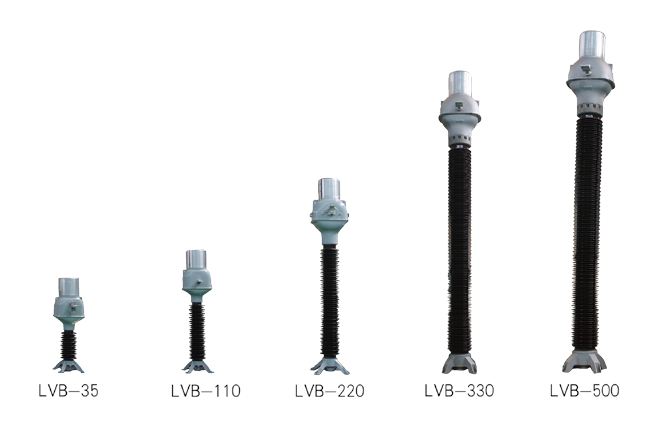
LVB Series 35-500kV Oil-immersed Inverted Current Transformer
Shandong Taikai Instrument Transformer Co., Ltd.


6kV-35kV Medium and High Voltage Direct-Connected Energy Storage System
Hainan Jinpan Smart Technology Co., Ltd.
Manufacturer Direct Sales Tesla New Energy Electric Vehicle Universal DC 180kW Dual-gun Charging Pile Commercial Fast Charger
Anhui Haidira Electric Technology Co., Ltd.
CAP1400 main feedwater flow nozzle flowmeter.
Jiangsu Hongda Instrument Technology Co., Ltd.