KAIST Develops Display Technology That Stretches 15% Without Distortion
en.Wedoany.com Reported - Researchers at the Korea Advanced Institute of Science and Technology (KAIST) have developed a core platform technology for stretchable displays that allows text and images to maintain their original shape without distortion even when the screen is stretched up to 15%. This achievement was accomplished through a collaboration between Professor Seunghyup Yoo's team from the School of Electrical Engineering and Professor Hanul Moon's team from Dong-A University.
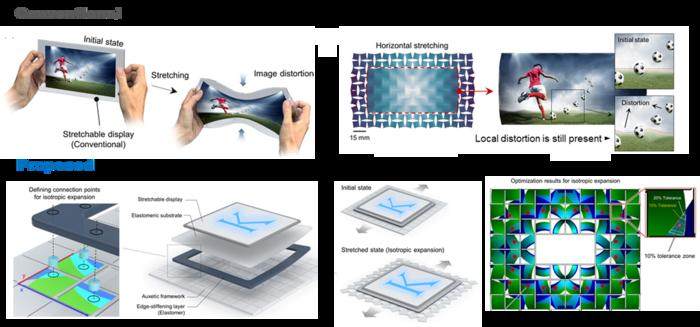
Conventional stretchable displays are made by forming light-emitting devices on a stretchable substrate, but when the substrate is stretched in one direction, it typically contracts in the perpendicular direction, causing image distortion. Although auxetic structures have been used to address this issue, most previous methods could only maintain the overall aspect ratio of the screen, while text and images within the screen remained prone to local deformation.
The new design method proposed by the research team uses computational analysis to selectively connect only the points necessary to ensure isotropic expansion of the substrate, rather than bonding the auxetic structure to the stretchable substrate across the entire surface. In conventional methods, the twisting deformation generated when the auxetic structure is stretched is directly transferred to the substrate. In contrast, the new platform design allows each region to move uniformly outward from its original position, enabling the entire screen—as well as small areas such as text and images—to maintain their original shape during expansion. Image distortion in local areas is effectively suppressed.
The research team verified the platform's performance by repeatedly stretching substrates printed with text and images in both horizontal and vertical directions. In conventional methods, patterns underwent local deformation, whereas in the new platform, the shapes remained unchanged. The team also integrated an LED array onto the platform, and under conditions where the screen was stretched up to 15% in both horizontal and vertical directions, the devices maintained stable electrical operation and screen brightness. After repeated stretching to 15%, the brightness decrease remained below 2%, confirming the platform's potential for practical application.
This technology is expected to be applied in next-generation shape-variable electronic products, including wearable electronic devices, electronic skin, medical biosensors, soft robotics, and curved displays for automobiles and aircraft.
Professor Seunghyup Yoo noted that for a stretchable display to function as a practical information display device, it must not only have good stretchability but also accurately maintain the information on the screen during stretching. This platform achieves uniform expansion from small areas of the screen to the entire display, and is regarded as a key foundational technology for accelerating the commercialization of high-quality stretchable displays.
Related Products
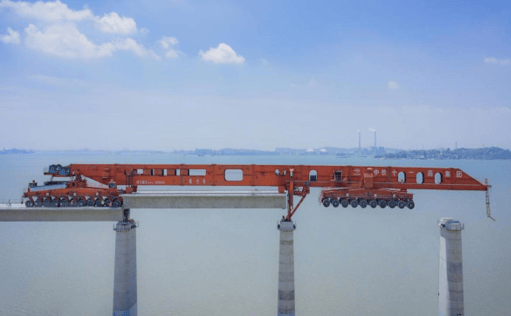

High-Speed Railway Lifting, Transporting, and Erecting Equipment: Integrated Transport and Erection Machine
Hanjiang Heavy Industry Co., Ltd. of China Railway 11th Bureau Group
Strip Coating and Plating Production Line Equipment
MCC-SFRE HEAVY INDUSTRY EQUIPMENT CO., LTD.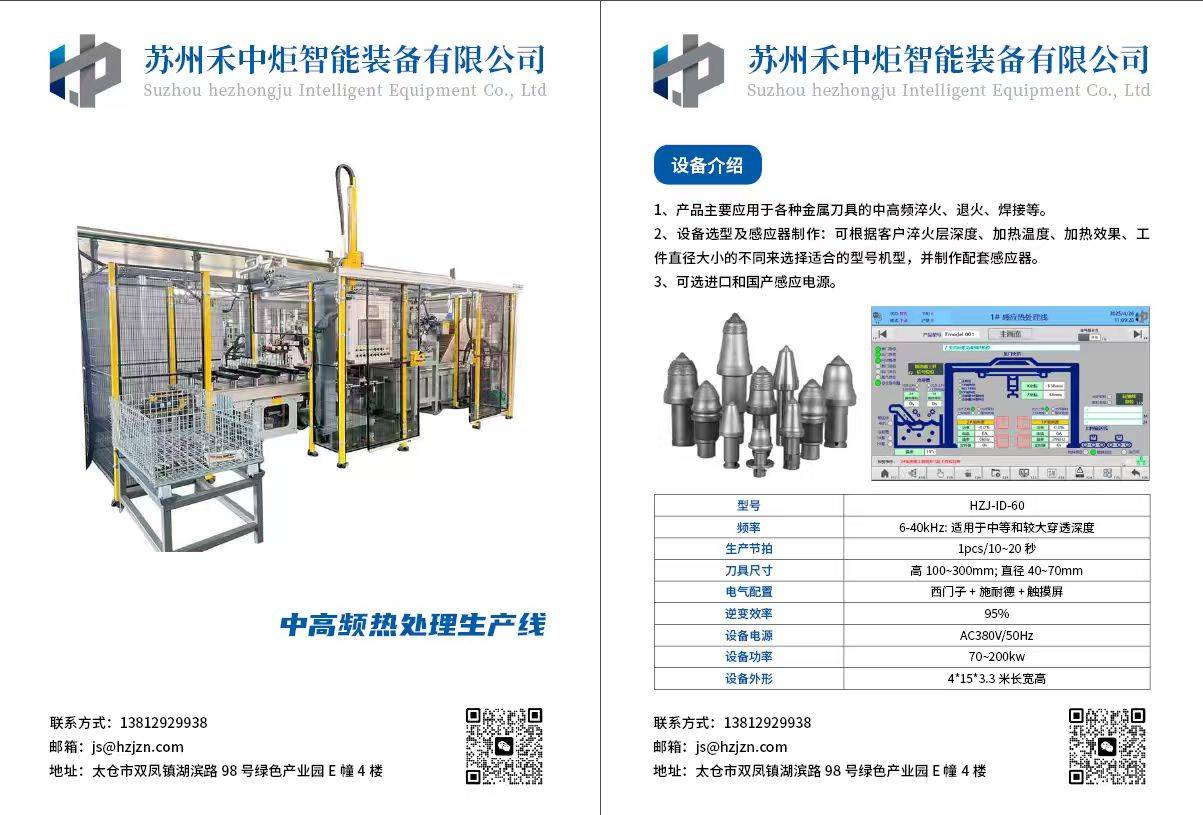
Excavator Bucket Teeth Heat Treatment Production Line
Suzhou Hezhongju Intelligent Equipment Co., Ltd.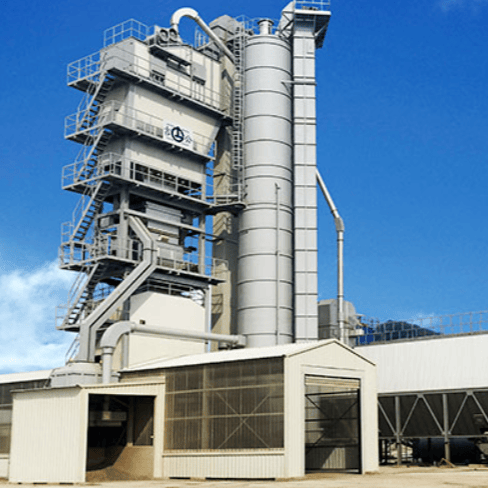
LBH4000 Batch Environmental Protection Asphalt Mixing Plant | Asphalt Batching Plant | Asphalt Mixing Plant
Jilin Province Road Construction Machinery Co., Ltd.
CAP1400 main feedwater flow nozzle flowmeter.
Jiangsu Hongda Instrument Technology Co., LTD.
Industrial and Commercial Point-Type Gas Detector
Jinan Benan Technology Development Co., Ltd.
Pneumatic high-pressure wear-resistant ball valve
Zhejiang Deca Control Valve Meter Co., Ltd.