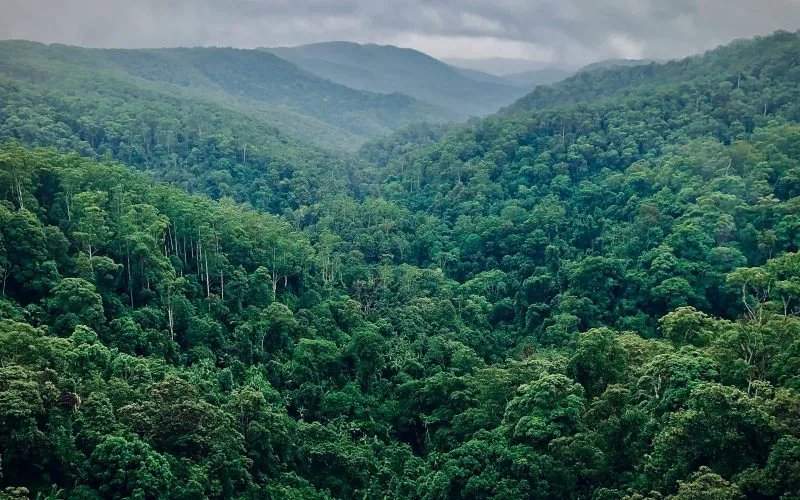
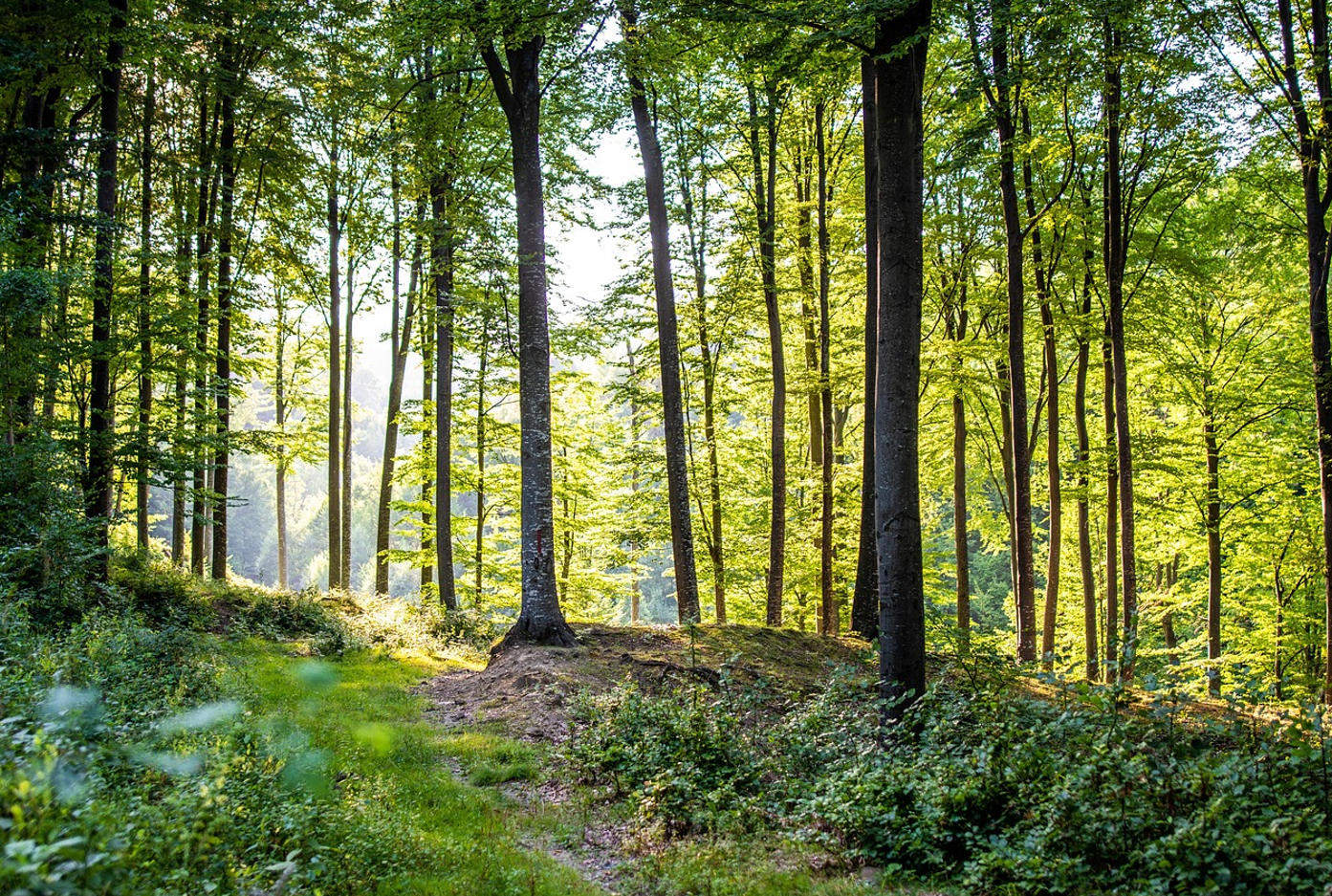
Liaoning, China completes comprehensive sand control on 12.64 million mu of land
en.Wedoany.com Reported - Liaoning Province has completed comprehensive treatment tasks on 12.64 million mu of land in the Horqin Sandy Land battle, consolidating and expanding the trend of "green advancing, sand retreating." Zhang Xiaowei, Director of the Liaoning Provincial Forestry and Grassland Bureau, stated that Liaoning, focusing on key "Three-North" projects, continues to implement actions to "block wind gaps, curb sand paths, and seal sand sources," striving to consolidate and expand treatment outcomes.
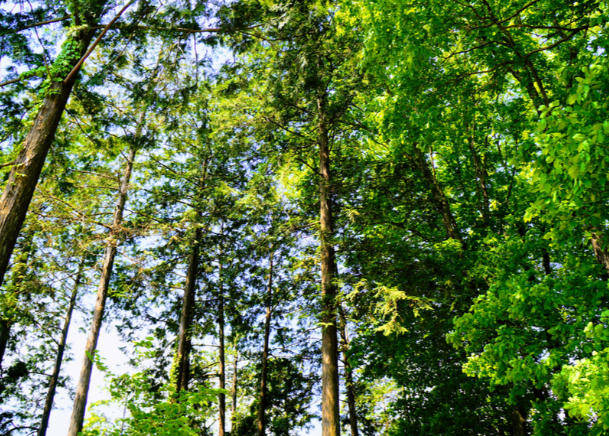
The thousand-kilometer sand-blocking belt along the border between Liaoning and Inner Mongolia is a core project, stretching from Sanjiangkou Town in Changtu County, Tieling, to Xiaochengzi Town in Lingyuan City, Chaoyang, with a total length of 1,044 kilometers and an average implementation width of 11 kilometers. This sand-blocking belt, composed of a composite vegetation zone combining trees, shrubs, and grasses, focuses on sealing off nine major wind gaps along the route. Currently, the implementation width of the sand-blocking belt has expanded to 34 kilometers. In specific execution, Shang Tao, Deputy Director of the Zhangwu County Forestry and Grassland Bureau, explained that there are 119 ecological gaps in the county caused by wind and sand erosion. Last year, 43 gaps were replanted, and the remaining 76 are planned for completion this year. In Beidianzi Village, A'er Township, Zhangwu County, Fuxin City, over 3 million trees have been planted. Zhuang Shouxin, a 72-year-old villager, along with his wife, replanted over 1,000 poplar saplings in April and May this year.
Data shows that since the launch of the Horqin Sandy Land battle, the average comprehensive vegetation coverage of sandy forest and grassland in Liaoning has reached 69%, while that of desertified forest and grassland has reached 65%. The treatment work adheres to a systematic approach, dividing the province's sandy and desertified land into four zones: the Horqin Sandy Land battle key area, the southern edge blocking area, the coastal and riverine sand control area, and the comprehensive desertification control area. In the Wolong Lake Nature Reserve in Kangping County, Shenyang, located in the southern edge blocking area, the number of migratory birds observed during this spring's migration period reached 2.89 million, a record high. Li Jingquan, Deputy Director of the Kangping County Natural Resources Bureau, stated that the local area has combined sand control with efforts to implement projects such as water system connectivity and lakeside sand fixation, forming a co-governance chain of forest belts blocking sand, lake water systems retaining sand, and beach vegetation fixing sand. In the "Heishangou" area of Daban Town, Beipiao City, by breaking away from single-forestry thinking and initiating comprehensive regional governance, sand control, mountain management, and water management have been organically integrated. The comprehensive vegetation coverage has increased from less than 30% to 78%, making it a vivid example of small watershed ecological restoration in northwestern Liaoning.
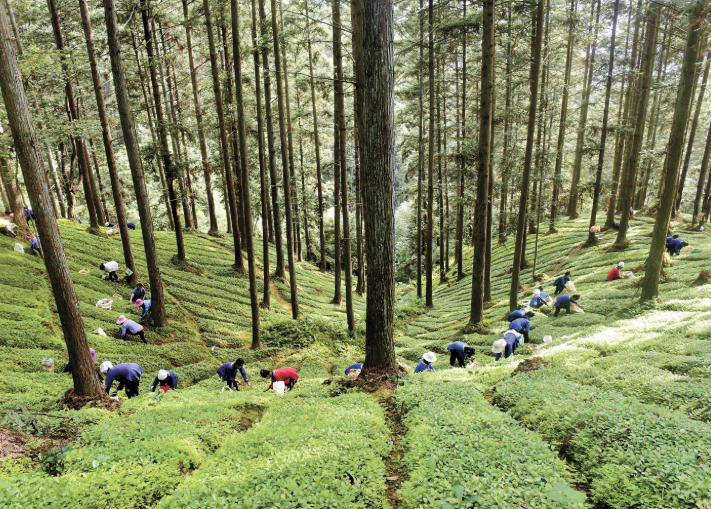
In terms of combining green development with prosperity, Liaoning is developing under-forest industries to broaden income channels. At the Fujia Mechanical Forest Farm in Changtu County, Li Xiaoguang, Director of the National Pinus sylvestris var. mongolica Seed Base, explained that through the "grafting of Pinus koraiensis onto Pinus sylvestris var. mongolica" technique, each tree can produce 30 to 40 pine cones on average, yielding at least over 5,000 yuan per mu. The Wangfu Forest Farm in Fuxin Mongolian Autonomous County adopts a three-dimensional management model of "Pinus tabuliformis grafted with Pinus koraiensis fruit forest + under-forest Chinese medicinal herbs." Wang Lina, the farm director, stated that this model improves land utilization and increases economic returns. Zhangwu County combines ecological restoration with cultural tourism, transforming the treatment area into the Deligeer Grassland Scenic Area. Wu Bo, Deputy County Mayor, noted that this model has forged a win-win path for ecological restoration and cultural tourism-driven prosperity. Zhang Xiaodong, Director of the Ecological Protection and Restoration Division of the Liaoning Provincial Forestry and Grassland Bureau, emphasized that Liaoning persists in integrating sand control with wealth creation, stabilizing sand control outcomes while broadening income channels for the public.
Related Products


Industrial and Commercial Point-Type Gas Detector
Jinan Benan Technology Development Co., Ltd.

4HS-8 High-efficiency Peanut Inverted-laying Harvester
Hebei Yongfa Hongtian Agricultural Machinery Manufacturing Co., Ltd.

714CD Series C-Band Weather Radar
Chengdu Zhongdian Jinjiang Information Industry Co., Ltd.