University of Massachusetts Team Discovers New Method for Plastic Insulation, Reducing Thermal Conductivity by 17%
en.Wedoany.com Reported - Researchers at the University of Massachusetts Amherst may have found a new way to improve the thermal insulation of plastics without making them weaker, heavier, or more difficult to manufacture. The team achieved this by altering the way heat travels through the material at the atomic level.

Currently, the vast majority of insulation materials rely on trapped air to block heat transfer, as air is a poor conductor of heat. This strategy works well in foam insulation, but introducing air pockets into plastics often leads to reduced strength and durability, while increasing manufacturing complexity. Instead of adding voids, the team focused on disrupting the microscopic vibrations that carry heat through solid materials.
This work could pave the way for the development of new plastics that are lightweight, flexible, flame-retardant, and have limited heat transfer. Potential applications include spacesuits, spacecraft, energy-efficient buildings, and electronic devices requiring improved thermal management.
In solids, heat is primarily conducted through vibrations transmitted between atoms. The more organized the vibration pathways, the more efficiently heat moves. The study's corresponding author, Yanfei Xu, assistant professor at the Riccio College of Engineering at the University of Massachusetts Amherst, and her team set out to disrupt these pathways. Xu compared normal heat transfer to a line of firefighters efficiently passing buckets of water, while the team aimed to achieve the opposite effect—creating what she calls "slow chaos."
To slow heat transfer, the researchers used vibration engineering to disrupt the coordination between atoms. In preliminary tests of a polymer blend made from polyurethane and tetrahydroxy deoxybenzoin triazole, this disrupted motion reduced thermal conductivity by 17%. The material also exhibited flame-retardant properties.
Xu noted that while the reduction in thermal conductivity in the early-stage study was relatively modest, the findings reveal an important new method for controlling heat flow in materials. She stated that by reducing the density of thermally accessible vibration channels available for heat transport, thermal conductivity was suppressed, and the material remained dense, mechanically flexible, and flame-retardant.
Reference: "Suppressing thermal transport in nonporous polymer hybrids by limiting thermally accessible vibrational modes" by Henry Worden, Mihir Chandra, Yijie Zhou, Zarif Ahmad Razin Bhuiyan, Mouyang Cheng, Krishnamurthy Munusamy, Duc Nghiem, Weiguo Hu, Weibo Yan, Siyu Wu, Ruipeng Li, Zhang Jiang, Anna Chatterji, Shengjia Zhang, Ilia N. Ivanov, Jihua Chen, Jack C. Lasseter, Mengru Jin, Derin Abitagaoglu, Qing Tu, Todd Emrick, Jun Liu, and Yanfei Xu, May 18, 2026, Materials Horizons. DOI: 10.1039/D6MH00633G.
The research was supported by the U.S. National Science Foundation, the Federal Aviation Administration, and the University of Massachusetts Amherst.
Related Products

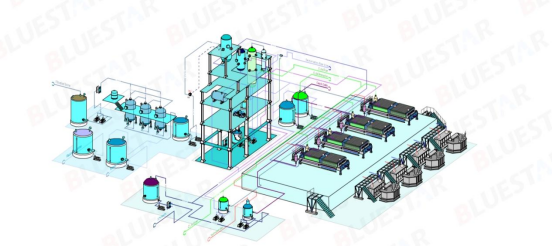

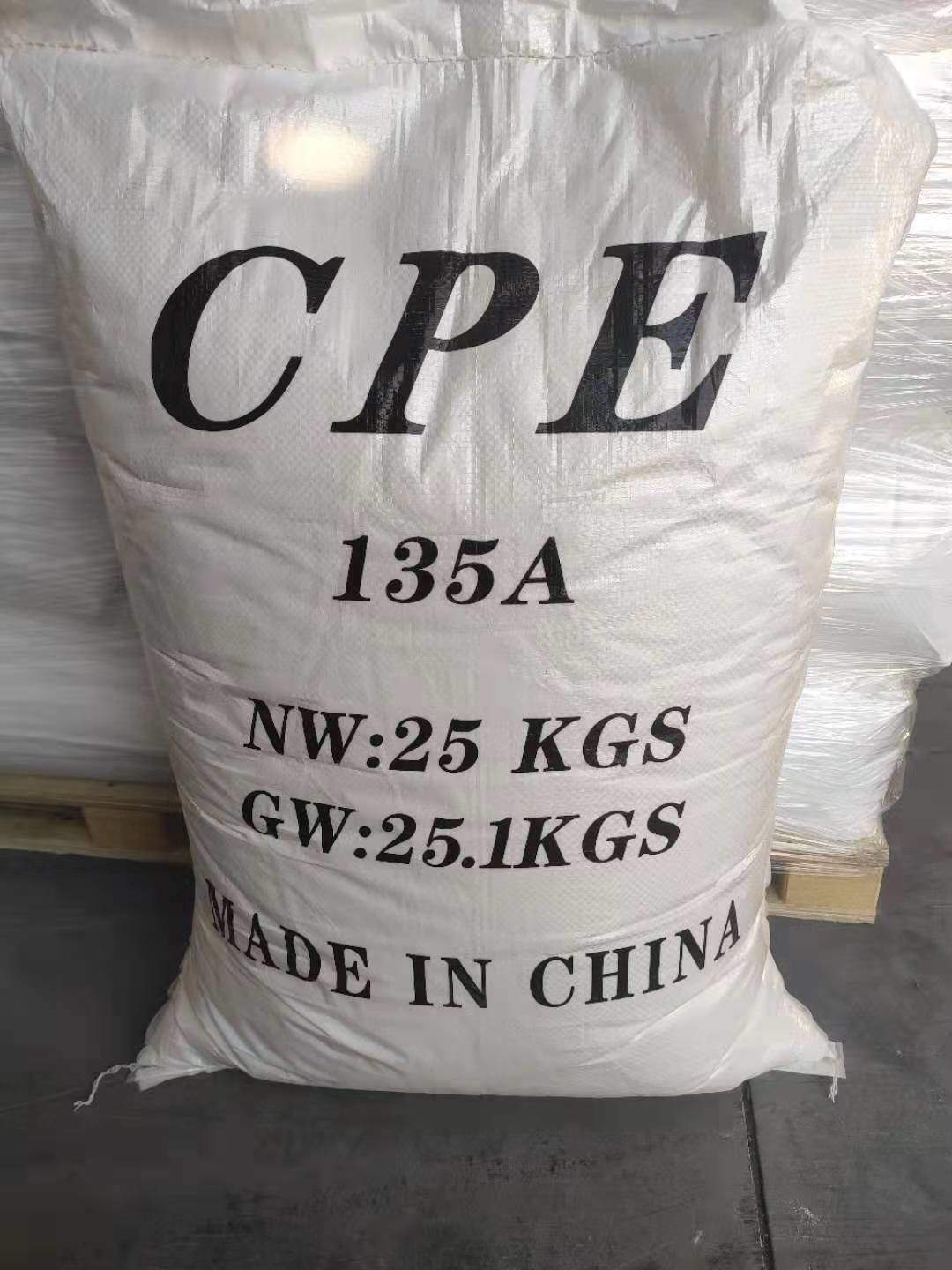
PVC Impact-Modified Chlorinated Polyethylene
Gansu Jinchuan Hengxin Polymer Technology Co., Ltd.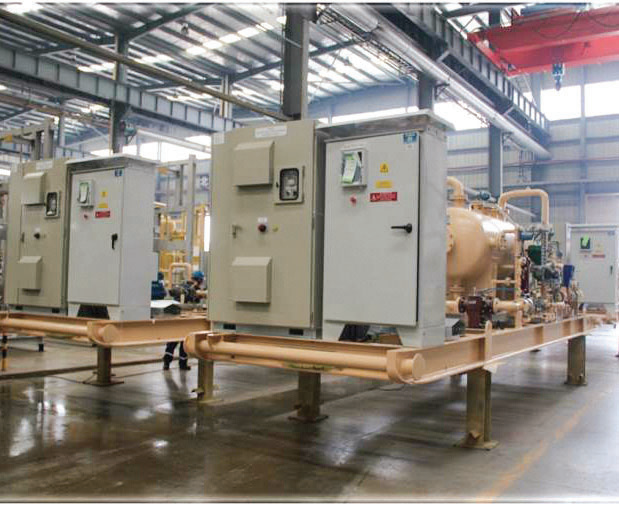

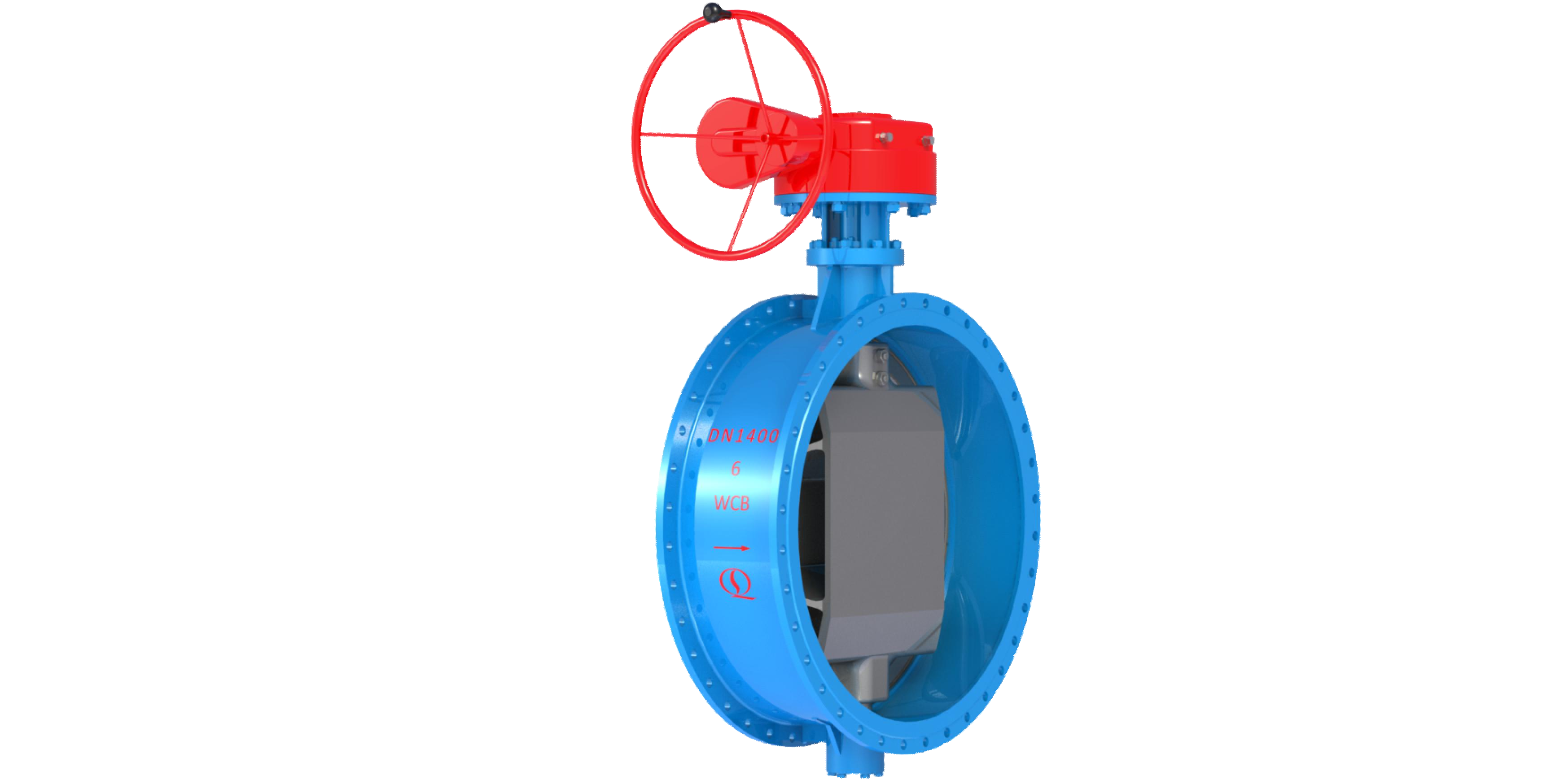
Bidirectional Metal Hard Sealed Seawater Butterfly Valve
Henan Quanshun Flow Control Science & Technology Co., Ltd.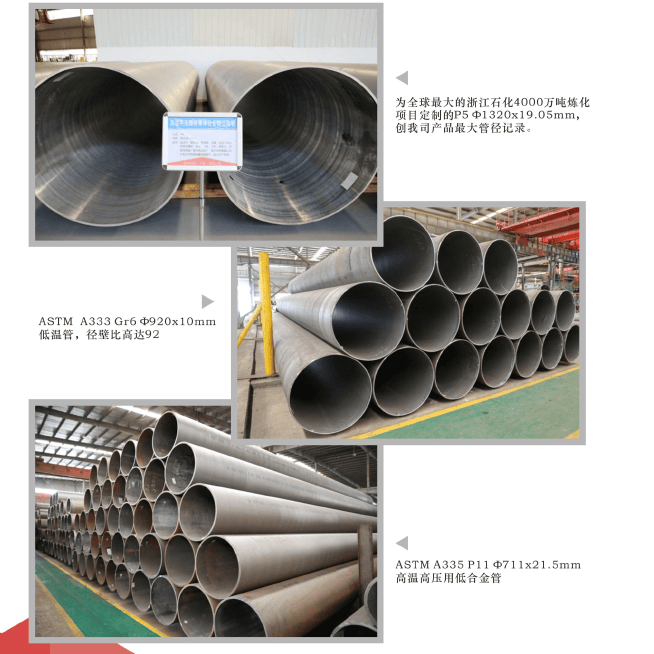
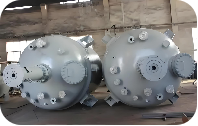
Hongxing Steel Chemical Pressure Vessel Steel Plate
Gansu JISCO Group Hongxing Iron and Steel Co., Ltd.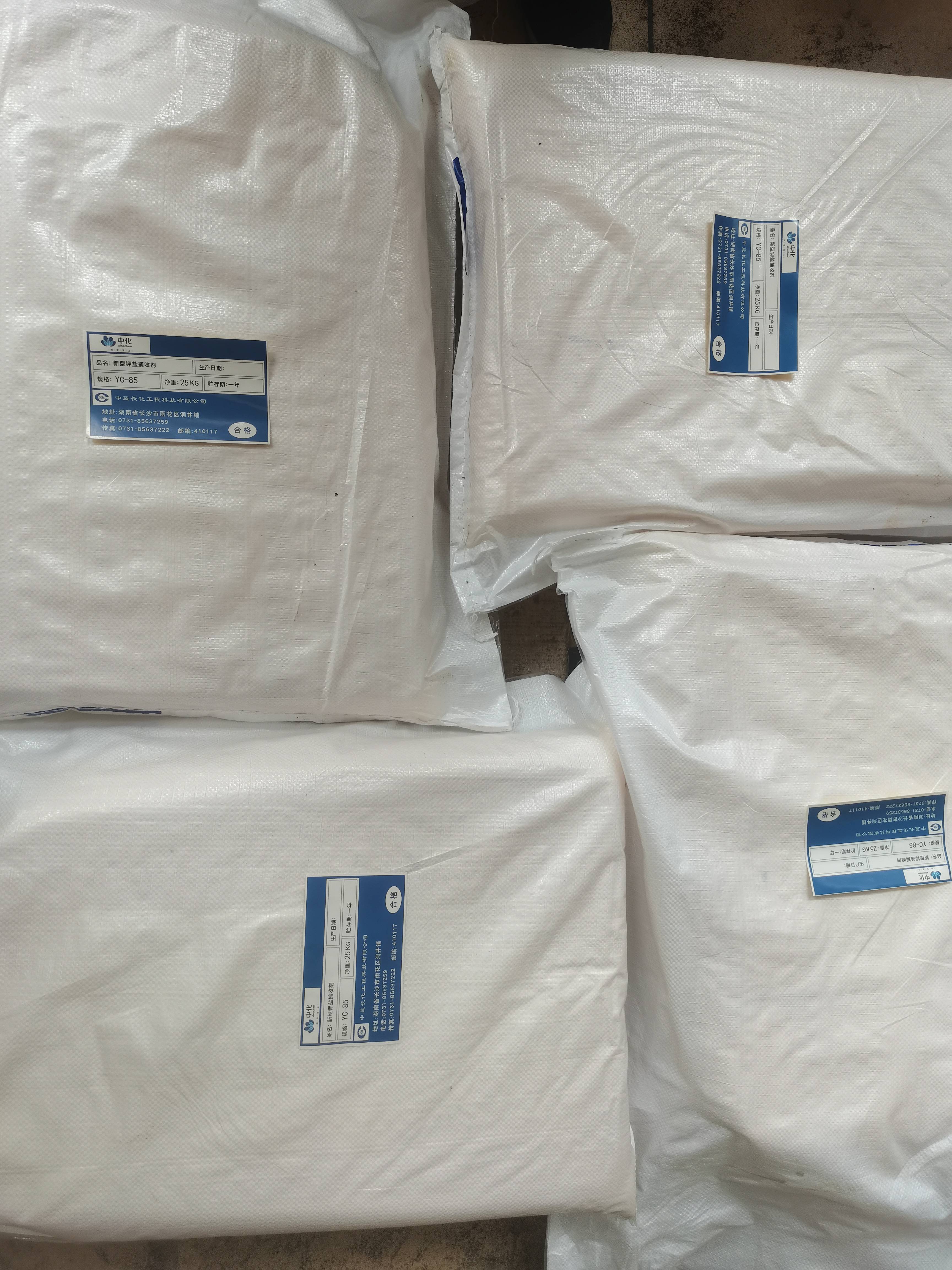
New Environmentally Friendly Green Potassium Salt Collector
Chonfar Engineering and Technology Co., Ltd.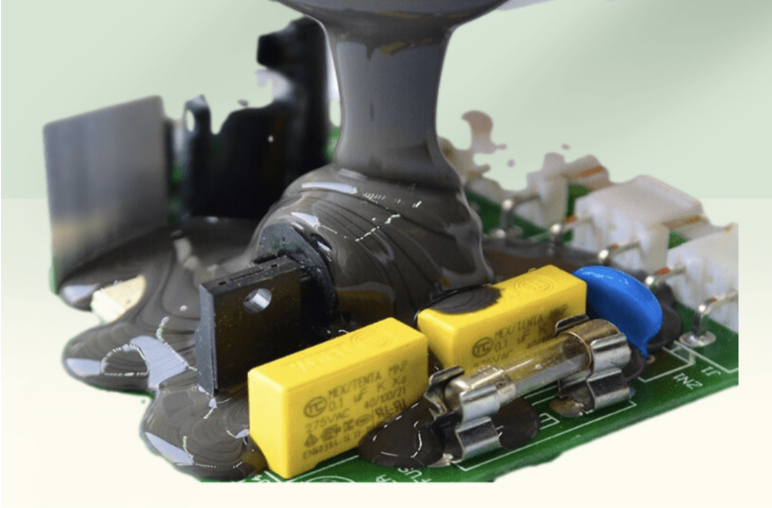
High Thermal Conductivity Encapsulating Resin
Nantong BESALL Sealing Technology Company.,Limited