US-based Cerebras Plans to Launch Europe's First AI Data Center This Year
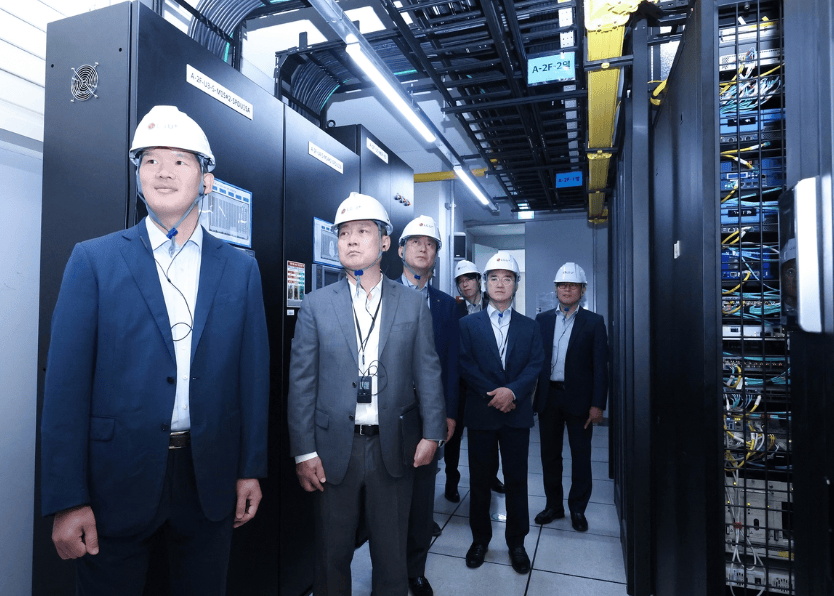
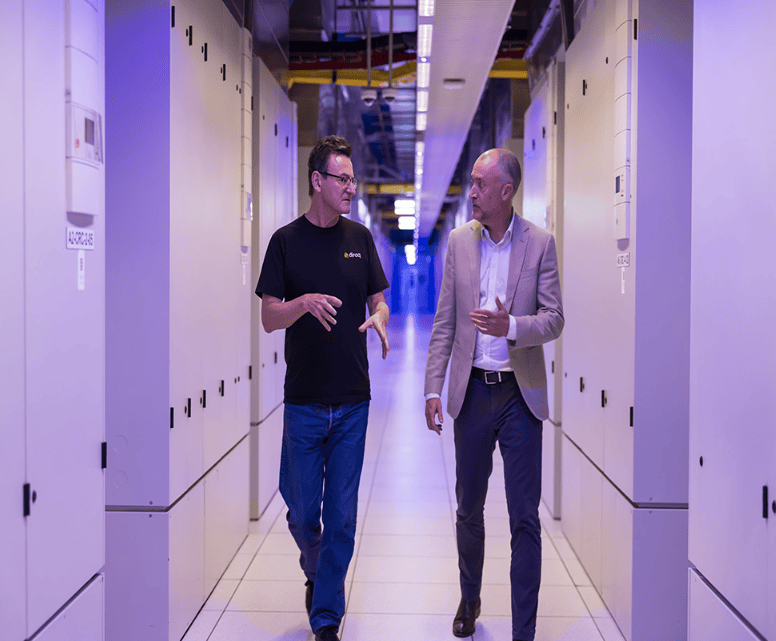
en.Wedoany.com Reported - US AI chip manufacturer Cerebras Systems plans to launch its first data center in Europe within this year, and expand the total AI infrastructure computing capacity in Europe to 200 megawatts by the end of 2027. The company is reserving data center resources for 2027, with plans to build AI infrastructure projects in Norway and Finland.
Cerebras' European expansion focuses not on ordinary cloud computing server rooms, but on high-power computing infrastructure for AI training and inference. The company's core hardware includes the Wafer-Scale Engine and CS series systems, following a technical path different from traditional GPU clusters: Cerebras concentrates a large number of computing cores, on-chip memory, and high-bandwidth interconnects on a single wafer-scale processor, reducing data movement and communication overhead between multiple chips and nodes. When deploying such systems in AI data centers, the server room design must be reorganized around high-density power supply, cooling, low-latency networking, model service platforms, and cluster operations, rather than simply racking up general-purpose servers in batches.
The 200-megawatt capacity corresponds to a large-scale AI infrastructure level. When AI chip systems run continuously, power supply, heat dissipation capacity, and facility availability directly limit the scale of computing delivery; if server room power and cooling resources are insufficient, the performance advantages of individual chips or single systems cannot translate into stable cloud services. By setting the European capacity target for the end of 2027, Cerebras indicates that its European deployment will phase in data center resources, advancing AI chip systems, power supply and distribution, liquid or efficient cooling, inference service platforms, and customer access capabilities together.
After the first data center in Europe is launched this year, Cerebras will provide local AI computing services. For European customers, localized deployment can reduce cross-regional access latency and meet the data residency, model invocation, and regional compliance requirements of some enterprises, public institutions, and regulated industries. Cerebras' official website also lists "running inference within the region" as part of its cloud, dedicated, and on-premises deployment capabilities, emphasizing latency, data residency, and compliance framework adaptation.
Norway and Finland are its subsequent resource reserve directions. The Nordic region offers low-temperature climates, renewable electricity, and relatively stable energy supply conditions, making it suitable for building high-density AI data centers. The difference between AI infrastructure and ordinary data centers lies in higher power density, heavier cooling systems, and stronger continuous loads on server clusters; site selection must consider not only land and networks but also long-term power access, energy prices, cooling conditions, and expansion space.
Cerebras has previously reached a computing cooperation agreement with OpenAI. Official information from OpenAI shows that the collaboration will add 750 megawatts of low-latency AI computing capacity, phased into OpenAI's inference stack; Reuters also reported that this capacity will be rolled out in multiple batches before 2028.
This European data center plan extends Cerebras' computing delivery from North America further into the European market. The launch of the first data center within the year, expansion to 200 megawatts by the end of 2027, and resource reserves for projects in Norway and Finland will together form the implementation path for its European AI chip cloud services and regional computing infrastructure.
Related Products


Industrial and Commercial Point-Type Gas Detector
Jinan Benan Technology Development Co., Ltd.


MUX Series Communication Interface Device for Security and Stability Control System
Nanjing NR Electric Co., Ltd.
Multi-function Marine Monitoring Low-altitude Detection Radar Sea-air Boundary Ocean Dynamic Environment Measurement
Chengdu Dixin Technology Co., Ltd.