China's steel prices remain under pressure in July, inventories up 20% year-on-year
en.Wedoany.com Reported - China's steel market may continue its downward trend in July, as production remains high while end-user demand continues to weaken amid seasonal slowdowns in business activity, according to domestic steel mills and traders.
According to data released by the China Iron and Steel Association (CISA) on July 3, finished steel inventories at major spot markets in China stood at 9.35 million tons as of June 30. This figure was nearly unchanged from the end of May but was 21.6% higher year-on-year. Among them, hot-rolled coil (HRC) inventories reached 2.17 million tons, up nearly 22% year-on-year; rebar inventories rose 29% to 3.86 million tons.
Market participants and industry analysts noted that the blast furnace operating rate was around 91% in early July, essentially flat from the end of June and about 1 percentage point higher year-on-year. Although domestic rebar sales have fallen into losses and gross margins for hot-rolled coil producers have dropped to near breakeven levels, most Chinese steel mills have yet to feel severe financial pressure.
A representative from a steel mill said that only a few manufacturers have announced production cuts, and pig iron output remains relatively high, generally on par with last year. The representative estimated that pig iron production in July may decline slightly from June, but the decrease will not be significant. End-user demand for steel typically weakens in summer, and the market will continue to face pressure as supply still exceeds demand.
Traders hold a similar view, pointing out that without significant production cuts by steel mills, steel prices are unlikely to sustain an uptrend.
Demand from major steel-consuming industries remains weak. Fundamental demand from China's key steel-consuming sectors continues to be sluggish. According to data from China Index Holdings, new home sales by the country's top 100 real estate enterprises in January-June totaled 1.586 trillion yuan (approximately $233 billion), down 13.6% year-on-year, compared with a 14.9% decline in January-May. Market participants believe that the real estate sector crisis will continue to negatively impact steel demand in the second half of 2025, with little likelihood of a significant recovery in construction steel consumption.
Weakness has also emerged in the consumer goods sector. According to data released by the China Passenger Car Association (CPCA) on July 3, domestic passenger car retail sales in June reached 1.651 million units, up 9.3% from May but down 20% year-on-year. Additionally, according to data from analytics firm ChinaIOL, the combined production plan for air conditioners, refrigerators, and washing machines in July was 29.17 million units, down 7.1% year-on-year.
Some market participants are pinning hopes on the Politburo meeting of the Communist Party of China Central Committee, scheduled for late July, to announce new measures to stimulate domestic demand. However, one macroeconomic analyst believes that authorities are likely to focus on maintaining stable economic growth rather than launching large-scale stimulus for the real estate or consumer sectors.
A representative from a steel mill also stated that there will be no substantial improvement in end-user demand in the coming months. The representative noted that only large-scale production cuts by steel mills can provide sustained support for steel prices; otherwise, prices are likely to fluctuate within a narrow range at current low levels.
According to estimates by Platts, the domestic rebar price in China was 3,060 yuan/ton (approximately $450/ton) on July 6, unchanged from the end of June but 270 yuan/ton lower than the high on May 11. On the same day, the hot-rolled coil (HRC) price was 3,330 yuan/ton, 20 yuan/ton lower than the end of June and 190 yuan/ton lower than on May 11.
Related Products

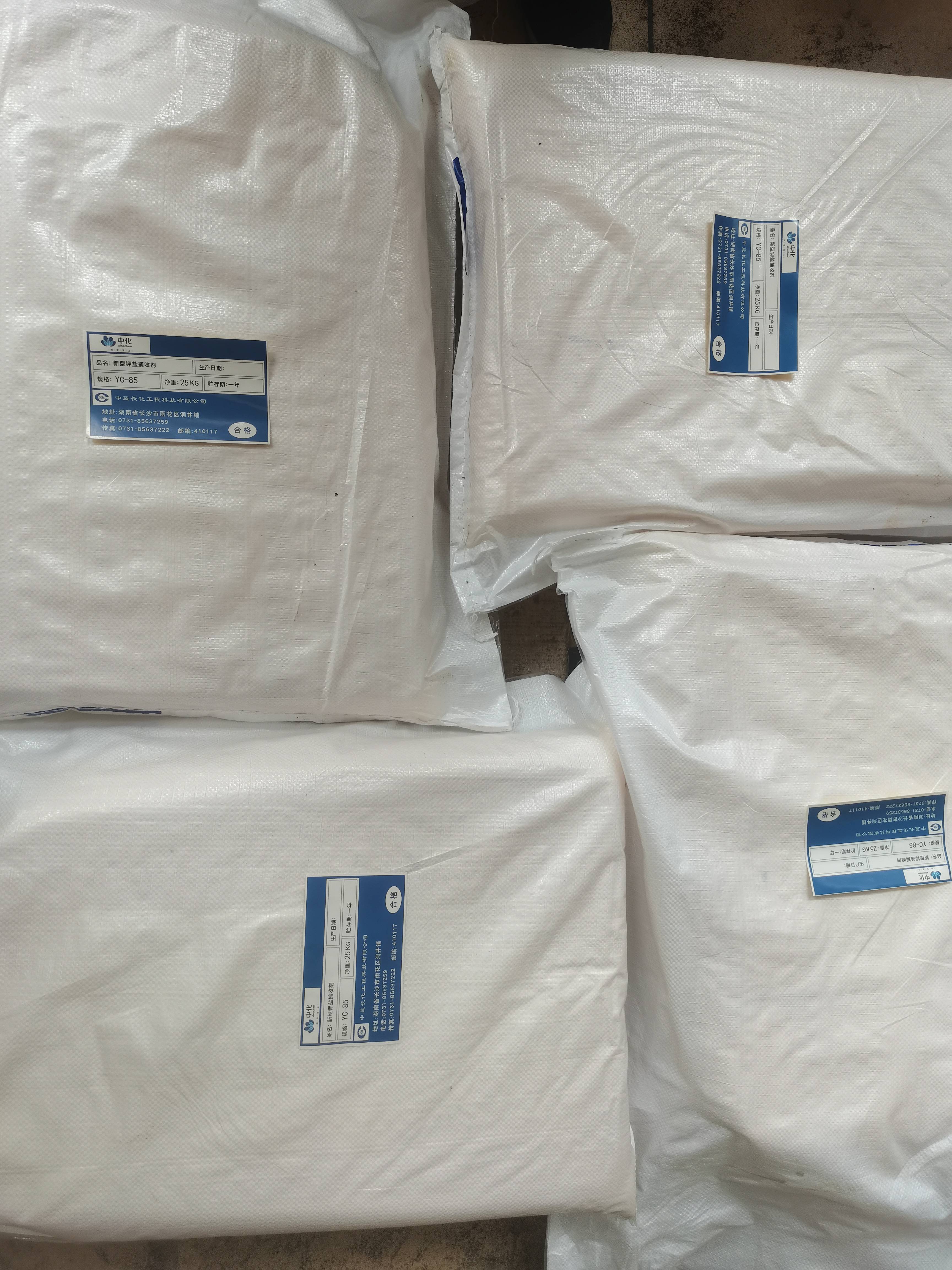
New Environmentally Friendly Green Potassium Salt Collector
Chonfar Engineering and Technology Co., Ltd.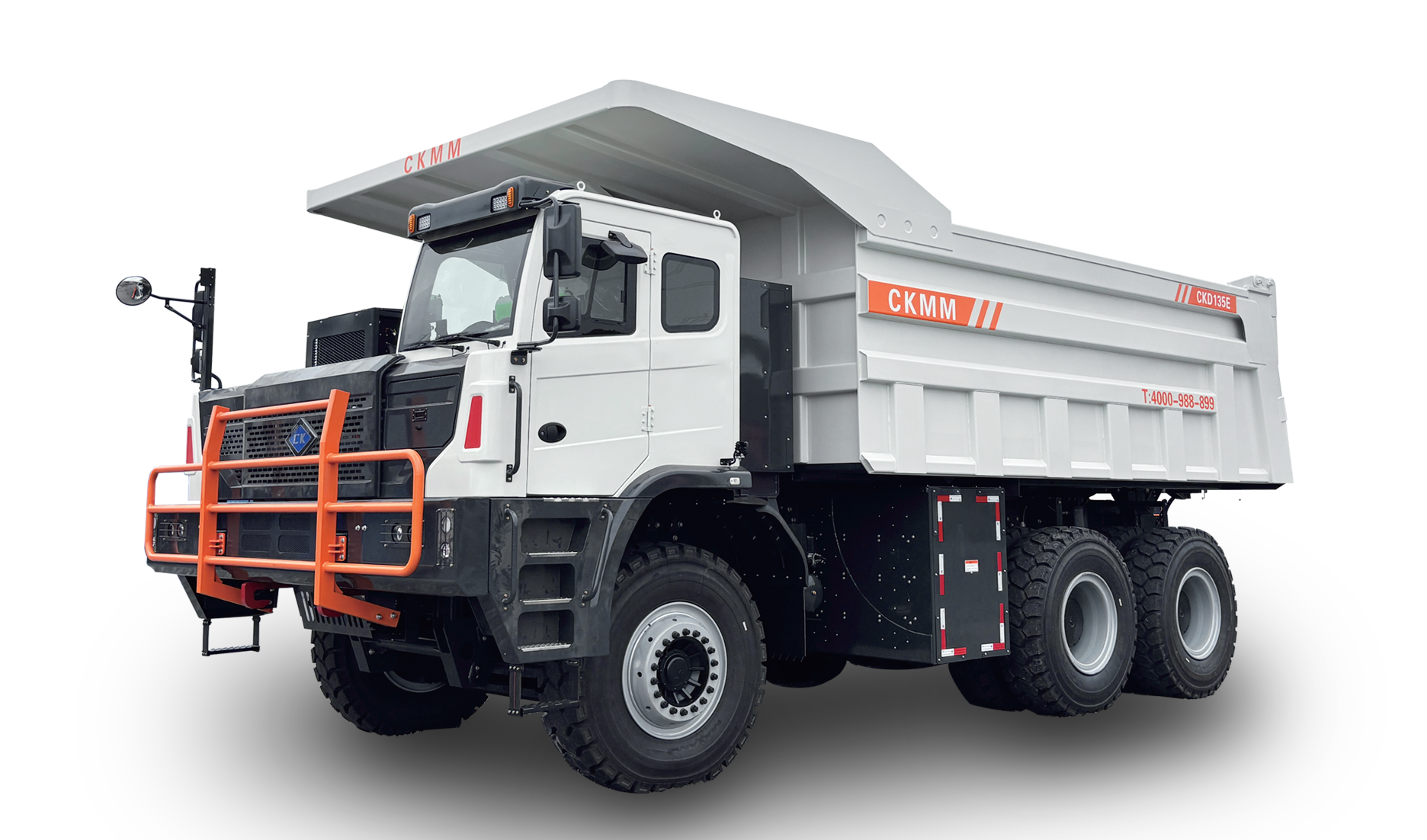
CKD135E Pure Electric Wide-body Dump Truck
Jiangsu Changkuang Engineering Machinery Co. Ltd.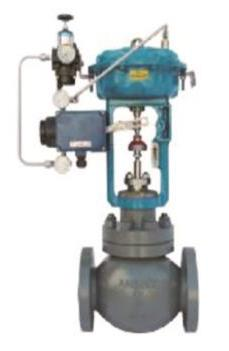
Quick-Change Single-Seat Control Valve / Quick-Change High-Pressure Single-Seat Control Valve
Beijing Consen Automation Technology Co., Ltd.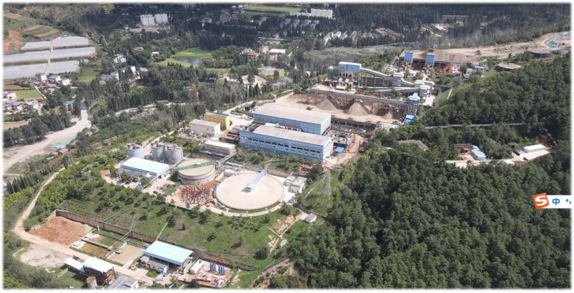
Yunnan Phosphorus Chemical Group Co., Ltd. 2 Million t/a Phosphorus Ore Mining and Beneficiation Project
China Bluestar Lehigh Engineering Corporation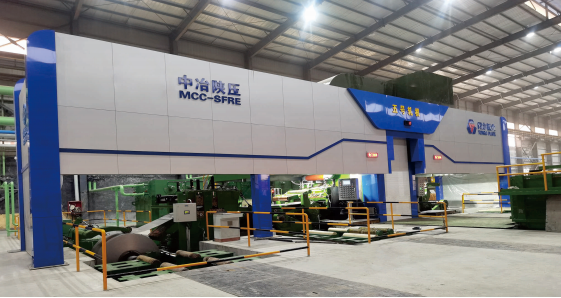
1050-1750mm Steel Strip Single-stand Reversible Cold Rolling Production Line
MCC-SFRE HEAVY INDUSTRY EQUIPMENT CO., LTD.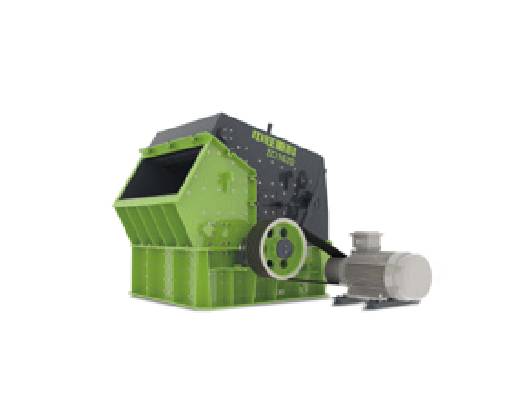
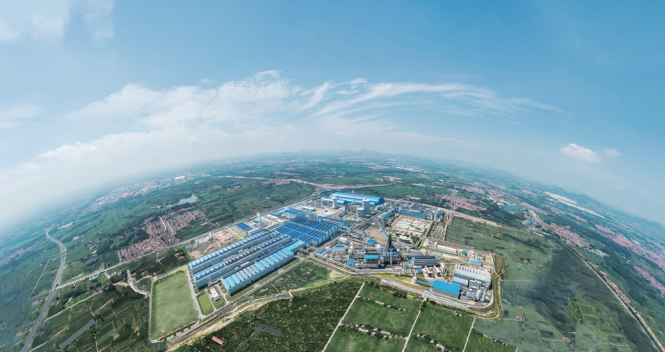
Linyi Steel Investment Special Steel 2.7 Million Tons per Year High-quality Special Steel Project
Capital Engineering & Research Incorporation Limited
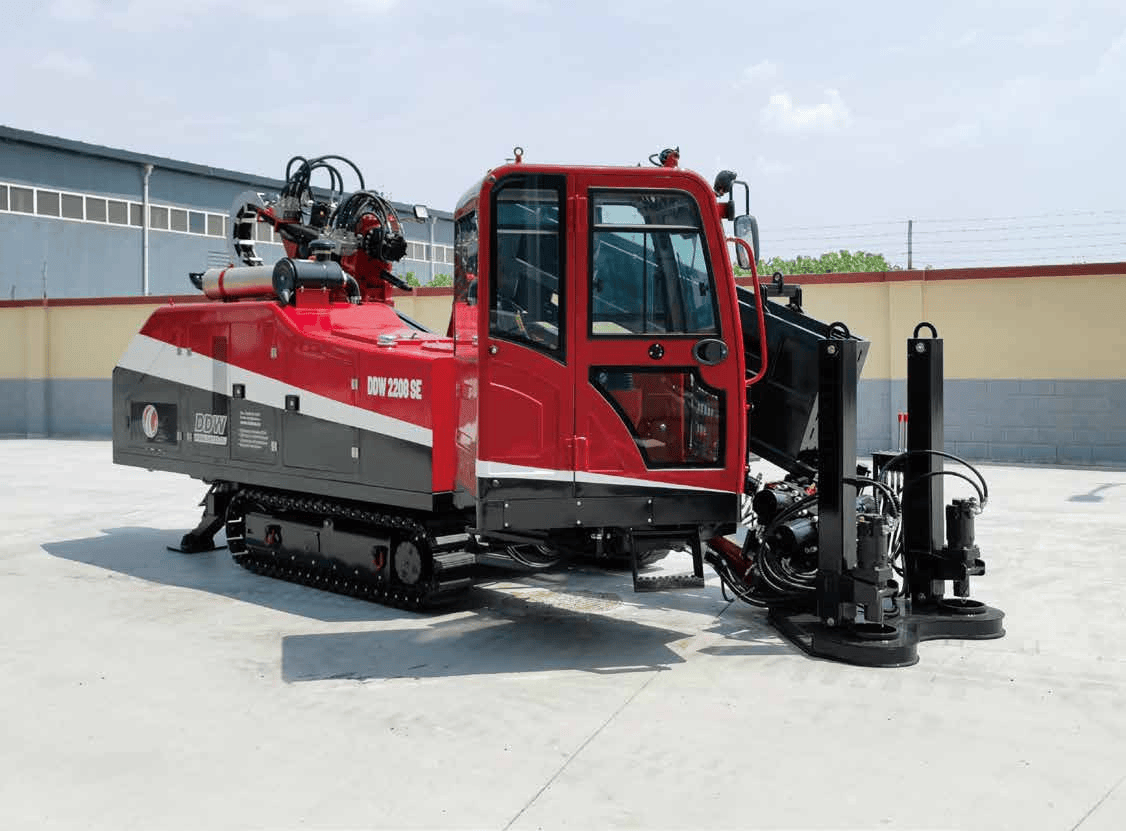
DDW22/08SE-HORIZONTAL DIRECTIONAL DRILL
DW/TXS Construction Equipment (Beijing) Co., Ltd.

Comprehensive Mining Automation Control System
Beijing Tianma Intelligent Control Technology Co., Ltd.