Japan Plans to Introduce 10 Million Robots by 2040 to Address Labor Shortage
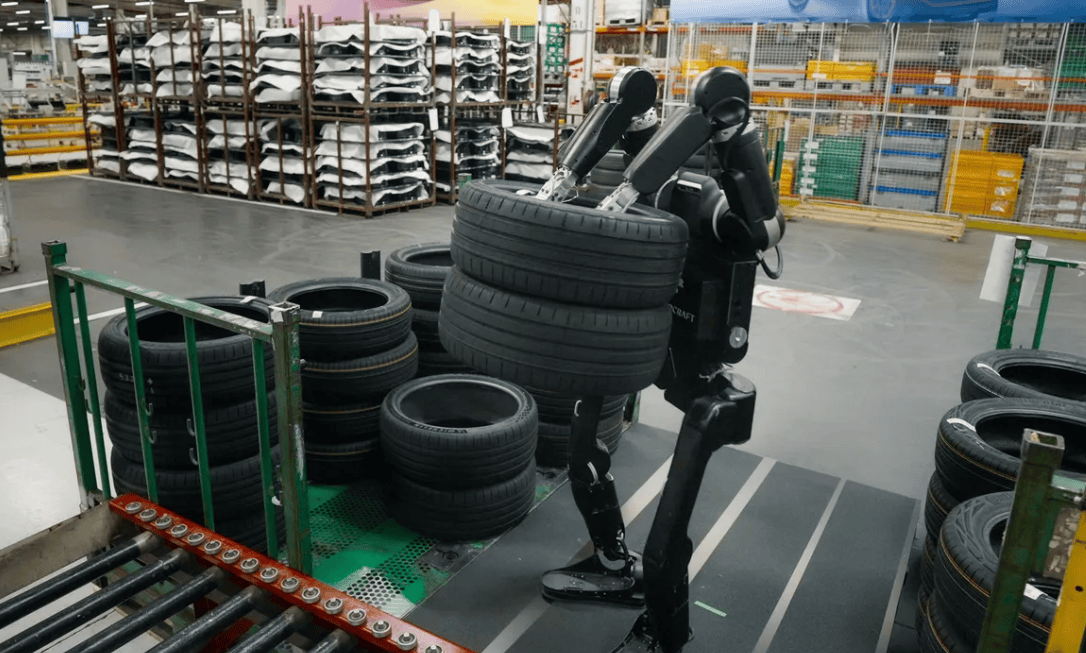
en.Wedoany.com Reported - The Japanese government has announced a national strategy to introduce approximately 10 million robots nationwide by 2040, aiming to address labor shortages caused by an aging population and strict immigration policies.
This strategy, named "Noetra," was proposed by Minister of Economy, Trade and Industry Ryosei Akazawa, targeting the introduction of robots into 18 industrial sectors, with priority given to areas such as food production and healthcare, which are already facing severe service pressure and labor shortages.
The plan is based on the multimodal national development model Noetra, created under the project of the National Institute of Advanced Industrial Science and Technology (AIST), focusing on the development of so-called "physical AI"—systems capable of applying artificial intelligence to real-world tasks such as mechanical movement, industrial operations, personnel assistance, or emergency response.
To implement the strategy, Japan plans to establish an AI-based robotics center of excellence to support large-scale adoption of robots by businesses, promote research, and develop vocational training programs to help workers and organizations prepare for integrating these technologies.
One of the core elements of the strategy is the establishment of a large-scale data infrastructure for robotics and physical AI, aiming to collect information accumulated by companies and industries over decades in areas such as elderly care, machine operation, production processes, and natural disaster response.
Major companies such as Sony, Honda, SoftBank, and NEC are expected to participate in the strategy, with Fujitsu and Rakuten potentially joining as well. Japanese authorities believe that the country's industrial experience and the volume of data accumulated by businesses could become a competitive advantage.
According to El Economista, Ryosei Akazawa stated, "Utilizing accumulated data will be Japan's winning strategy." The concept is to transform operational knowledge into trained robotic systems to meet actual needs in industries where recruiting workers is becoming increasingly difficult.
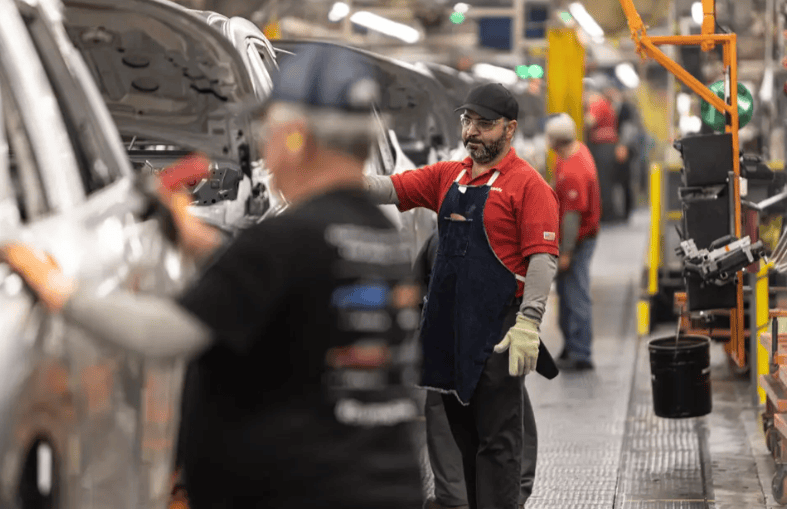
The aging population issue facing Japan serves as the backdrop for this plan. With a declining working-age population and difficulties in filling job vacancies through traditional recruitment methods, the government views automation as a practical solution to maintain services, production, and supply chain operations.
The strategy aims not only to replace repetitive tasks in factories but also to expand robotics into key areas of economic and social life, such as healthcare, elderly care, food production, and operations in high-risk environments, making systems more autonomous, adaptable, and capable of functioning in settings that currently require continuous human supervision.
Related Products



LBH4000 Batch Environmental Protection Asphalt Mixing Plant | Asphalt Batching Plant | Asphalt Mixing Plant
Jilin Province Road Construction Machinery Co., Ltd.

Pneumatic high-pressure wear-resistant ball valve
Zhejiang Deca Control Valve Meter Co., Ltd.

Industrial and Commercial Point-Type Gas Detector
Jinan Benan Technology Development Co., Ltd.
Standard Nozzle Flowmeter
Jinggong Automatic Control Instrument Complete Technology Development Company