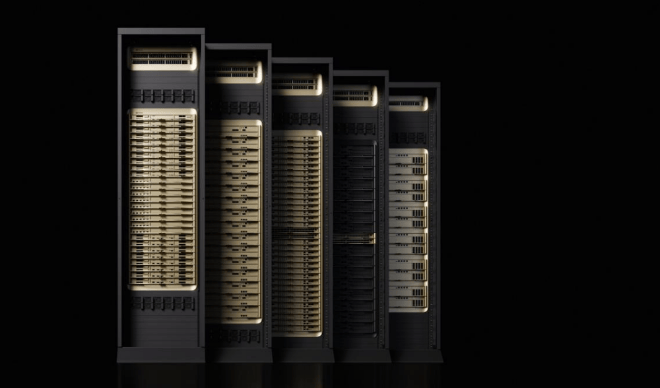
King Yuan Electronics Plans to Invest Up to $1.4 Billion in U.S. Facility
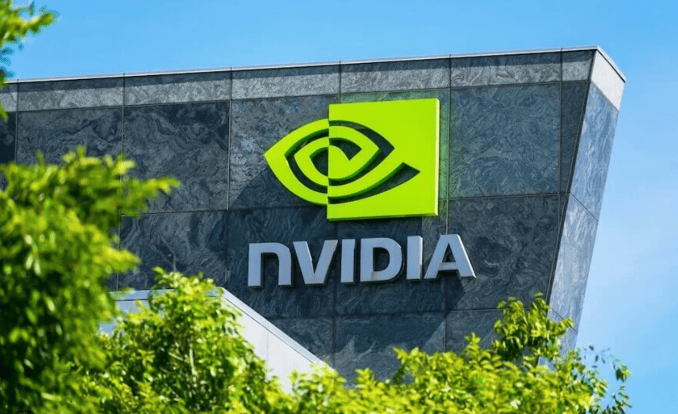
en.Wedoany.com Reported - On July 10, NVIDIA supplier King Yuan Electronics announced plans to invest up to $1.4 billion in the United States to build a new facility, aimed at supporting business growth and strengthening its position in the global semiconductor supply chain. The company has not yet disclosed the project location, construction timeline, specific customers to be served, nor the facility's capacity or production start date.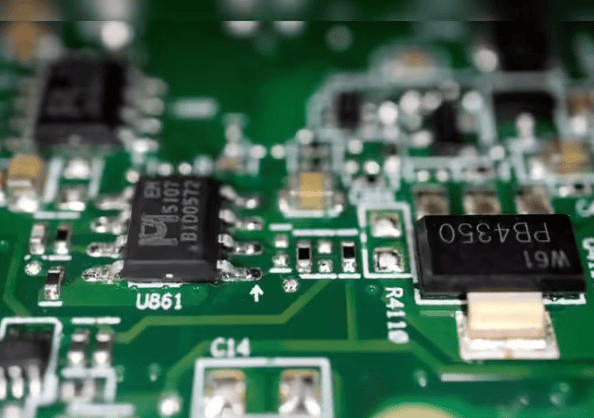
King Yuan Electronics specializes in semiconductor testing services, positioned between wafer fabrication and chip packaging on one side, and final system assembly on the other. After an artificial intelligence chip is manufactured, it must undergo wafer probing to screen functional dies on the wafer, followed by final testing, burn-in testing, and system-level testing to verify the chip's computing performance, power consumption, interfaces, stability, and long-term reliability. AI accelerators integrate a large number of transistors, operate at high power, and have a high individual chip value. The testing process must handle high-speed signals, high-current power delivery, high-temperature operation, and complex fault diagnosis, making it a critical node in the AI chip delivery chain.
It remains unclear whether this U.S. facility will specifically serve NVIDIA, but King Yuan Electronics' entry into the U.S. can shorten the physical distance between chip design companies, wafer fabrication, packaging and testing, and AI server manufacturing. The U.S. is forming a localized support network spanning from chip manufacturing to AI server assembly. TSMC has invested heavily in building wafer fabrication capacity in Arizona, while Foxconn and Wistron are establishing AI server production capacity for NVIDIA in Texas. King Yuan Electronics' project integrates testing services into this expansion chain, enabling advanced chips manufactured or packaged in the U.S. to undergo verification and delivery at a closer proximity.
A chip testing facility differs from a typical electronics assembly plant, requiring automatic test equipment, probe stations, test handlers, burn-in ovens, temperature control systems, cleanroom environments, and a large number of customized test programs. Different GPUs, CPUs, network chips, and automotive-grade chips have varying electrical parameters, interface protocols, and thermal conditions. Testing companies must collaborate with chip designers to develop test solutions and continuously adjust test times, yield judgment criteria, and fault localization processes. King Yuan Electronics' Singapore facility, which began operations in 2026, already offers wafer probing, final testing, burn-in testing, and system-level testing capabilities, primarily serving high-performance AI, automotive, and consumer electronics chip testing needs.
The rapid expansion of artificial intelligence infrastructure is driving not only GPU manufacturing but also high-bandwidth memory, advanced packaging, chip testing, server motherboards, liquid cooling, power supplies, and networking equipment. The U.S. facility planned by King Yuan Electronics will supplement the testing link in the AI chip supply chain, spanning from wafer fabrication and packaging to performance verification and server assembly. The specific scale will depend on the project location, equipment configuration, customer qualifications, and construction plans yet to be announced.
Related Products


Multi-function Marine Monitoring Low-altitude Detection Radar Sea-air Boundary Ocean Dynamic Environment Measurement
Chengdu Dixin Technology Co., Ltd.

Industrial and Commercial Point-Type Gas Detector
Jinan Benan Technology Development Co., Ltd.
GYTA Type Non-Self-Supporting Aerial/Duct Optical Cable
TONGDING INTERCONNECTION INFORMATION CO., LTD.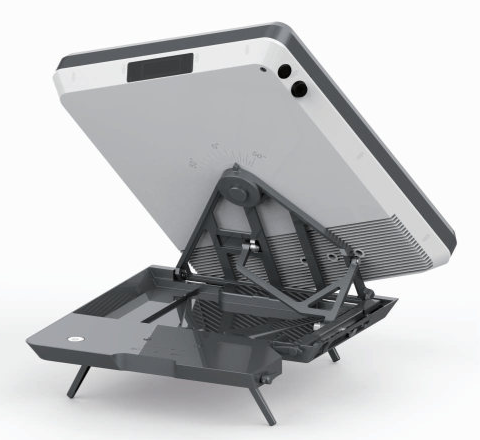
Flat Portable Satellite Terminal 0.35m Aperture Manual Portable Terminal
China Starwin Science & Technology Co., Ltd.
Automatic Aiming Laser Remote Obstacle Removal Robot
Pinggao Group Weihai High-Voltage Apparatus Co., Ltd.