Senegal's Sonatel Deploys 16 Satellite Antennas to Enhance Satellite Infrastructure
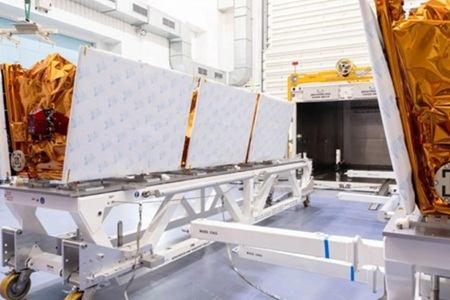
en.Wedoany.com Reported - Senegalese telecom operator Sonatel announced on July 9 the deployment of 16 new satellite antennas at the Gandoul satellite earth station. These antennas are part of the Eutelsat OneWeb gateway, aimed at addressing growing connectivity demand and intensifying competition in the satellite internet market, thereby strengthening the country's satellite infrastructure.
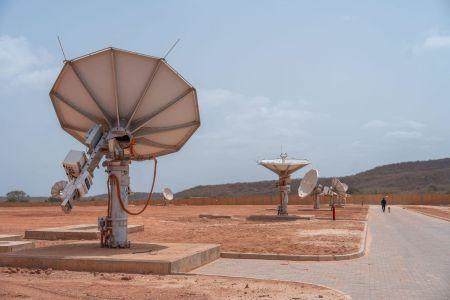
Spanning approximately five hectares, the Gandoul earth station already hosts multiple satellite connectivity solutions. It connects the low Earth orbit satellite constellation of Eutelsat OneWeb with terrestrial networks, thereby transmitting high-speed internet to Senegal, the sub-region, and other parts of the world. According to the Sonatel Group, the facility is equipped with secure energy infrastructure, redundant systems, and ultra-high-speed fiber optic connections to ensure high levels of availability and service continuity. The new infrastructure also relies on a technical room compliant with Tier III standards, providing high resilience and reliability for the operation of critical equipment.
Just months after Sonatel launched its geostationary orbit satellite internet service developed in partnership with Eutelsat Konnect, the company has now deployed OneWeb infrastructure based on a low Earth orbit constellation. The operator states that its priority remains rural, border, or remote areas, where the country's internet access gap remains significant—only 3% of rural households have connectivity, compared to nearly 44% in the capital, Dakar. This investment also aligns with the Senegalese government's digital transformation strategy, as authorities rely on satellite technology to accelerate nationwide high-speed internet coverage, particularly in areas where terrestrial network deployment is costly or terrain is complex. Other operators in the market, such as Yas and Expresso, are also encouraged to incorporate satellite solutions into their service offerings.
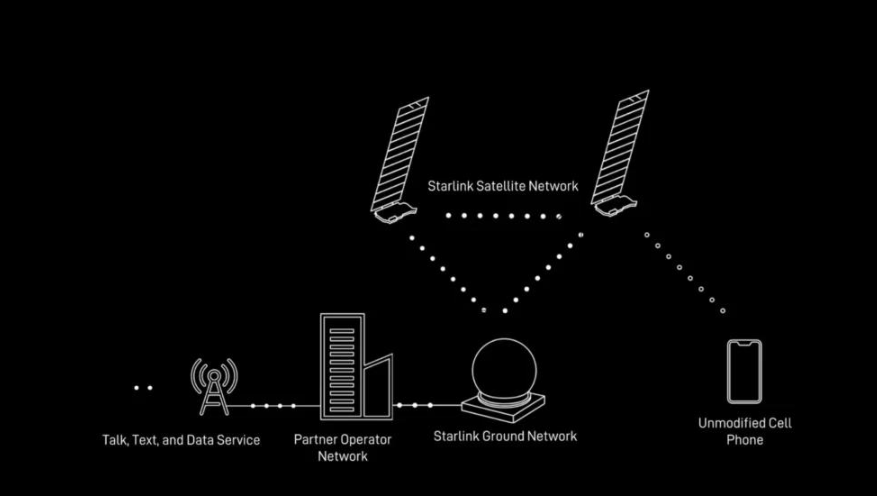
Senegal's satellite internet market has attracted international competitors. U.S. provider Starlink launched commercial services in the country in February 2026. Starlink is one of the world's leading low Earth orbit satellite internet providers, operating in approximately 30 African countries. Another U.S. company, Amazon Leo (formerly Project Kuiper), also plans to launch its first commercial services within the year, having already crossed the regulatory threshold of 390 satellites in orbit and engaged in discussions with African markets such as South Africa, Kenya, and Nigeria. In Nigeria, Africa's most populous country, Amazon Leo has obtained the necessary authorizations to deploy infrastructure and commercialize services. This intensifying competition comes amid growing demand for high-speed connectivity, driven by the proliferation of applications such as video streaming services, online gaming, remote work, video conferencing, cloud services, artificial intelligence, and the Internet of Things.
Cost is a key factor in market competition. Sonatel offers home satellite internet subscriptions at 30,000 CFA francs per month (approximately $52.36), and 44,900 CFA francs for businesses, with professional services also requiring an access fee of 125,000 CFA francs. In comparison, Starlink's packages in Senegal range from 22,000 to 30,000 CFA francs per month, with installation kit costs between 117,000 and 146,000 CFA francs. According to World Bank data, a $50 monthly internet service in Senegal accounts for approximately 33.7% of the country's average monthly income of $148.33 in 2025, far exceeding the 2% affordability threshold recommended by the International Telecommunication Union (ITU). In 2025, 5GB of data on a fixed connection represented 15.1% of Senegal's per capita Gross National Income (GNI), while mobile internet accounted for 4.68%. Beyond service costs, connection quality, geographic coverage, equipment availability, and the ability to meet the specific needs of households, businesses, and governments will be decisive factors in the competition among satellite internet providers.
Related Products




Comprehensive Mining Automation Control System
Beijing Tianma Intelligent Control Technology Co., Ltd.



D12 Humanoid Robot
Automation Research Institute Co., Ltd. of China South Industries Group Corporation
Industrial and Commercial Point-Type Gas Detector
Jinan Benan Technology Development Co., Ltd.
GYTA Type Non-Self-Supporting Aerial/Duct Optical Cable
TONGDING INTERCONNECTION INFORMATION CO., LTD.
20 Inch 1600*900 Full HD 60Hz TFT LED Monitor with VGA and DP Interfaces for Desktop Computers-Business Use
Guangzhou Zanying Optoelectronics Technology Co., Ltd.
Conveyor Belt Intelligent Monitoring System
LUO YANG WIRE ROPE INSPECTION TECHNOLOGY CO., LTD.