South Africa's Telkom Invests $6.1 Million to Establish AI Institute
en.Wedoany.com Reported - South African telecommunications operator Telkom announced in Geneva that it will invest 100 million rand (approximately $6.1 million) to establish the Telkom AI Institute, a national platform for artificial intelligence skills training. The announcement was made during the World Summit on the Information Society (WSIS Forum 2026) organized by the International Telecommunication Union (ITU), as part of the Partner2Connect Coalition, whose global digital connectivity commitments have exceeded $82 billion.

The institute will prioritize young people, small and medium-sized enterprises, and communities that have not been fully integrated into South Africa's digital economy, with training focused on skills directly applicable to key industries such as education, agriculture, mining, and transportation. Telkom Group CEO Serame Taukobong stated, "Connectivity without skills can only take South Africa halfway. For years, we have been building the networks that connect this country. The Telkom AI Institute is our commitment to turning that connectivity into skills, jobs, and opportunities, starting with those South Africans who stand to benefit the most but have had the least access so far."
This investment is part of a broader trend among African telecom operators, who are no longer just deploying networks but are investing in the continent's AI foundation. In October 2025, at the Mobile World Congress in Kigali, six African operators (Airtel, MTN, Orange, Vodacom, Axian Telecom, and Ethio Telecom) launched the G6 Alliance, aiming to develop AI-based language models trained on African languages. In April 2026, MTN participated in a $45 million funding round for Oran Development Corporation (ODC), a startup developing AI solutions specifically adapted to African constraints for networks.
According to the GSMA's "Mobile Economy Africa 2026" report, AI has transitioned from a mere strategic ambition to an operational reality for African operators in 2026, with plans to invest $76 billion between 2025 and 2030. The continent is home to over 2,000 languages, yet they are severely underrepresented in large language models, a deficiency that could foster a new form of digital exclusion. Mr. Taukobong called on African operators to actively participate in shaping global AI standards and governance frameworks. The African Development Bank, in its 2025 AI report, placed skills development on par with data access and computing power. Meanwhile, the International Telecommunication Union estimates that achieving universal connectivity by 2030 will require an investment of $2.6 trillion to $2.8 trillion globally.
Related Products







Multi-function Marine Monitoring Low-altitude Detection Radar Sea-air Boundary Ocean Dynamic Environment Measurement
Chengdu Dixin Technology Co., Ltd.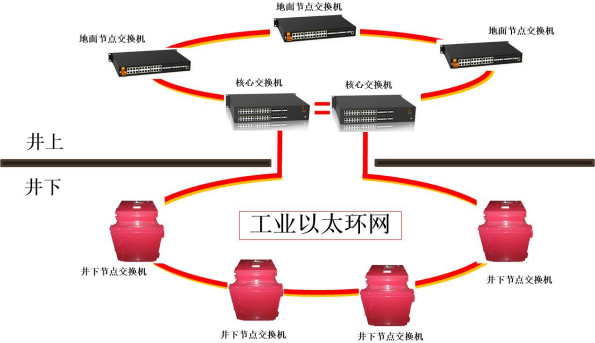
Mine Explosion-proof and Intrinsically Safe Industrial Ethernet Ring Network (10 Gigabit/Gigabit)
Chongqing Mas Sci&Tech Co., Ltd.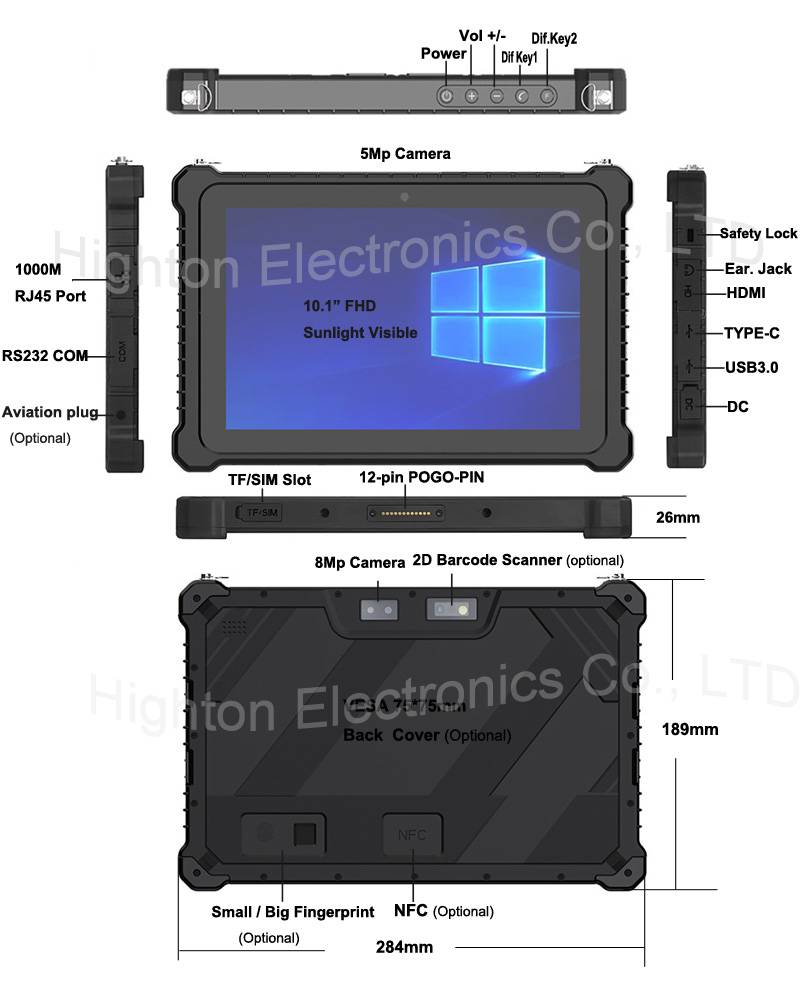
Hot Selling 10 Inch Intel N5100 I5 I7 FHD 8 +128GB 16+256GB Win10 Pro Win11 Pro 4G 5G Rugged Tablet PC Pad with NFC Barcode
Highton Electronics Co., Ltd.
Industrial and Commercial Point-Type Gas Detector
Jinan Benan Technology Development Co., Ltd.

Comprehensive Mining Automation Control System
Beijing Tianma Intelligent Control Technology Co., Ltd.