U.S. Sunrun Launches Distributed AI Computing Pilot Project
en.Wedoany.com Reported - Sunrun announced the launch of a distributed AI computing pilot project, entering the field of distributed edge computing. The company is a provider of home battery storage, solar energy, and home-to-grid power plants across the United States.
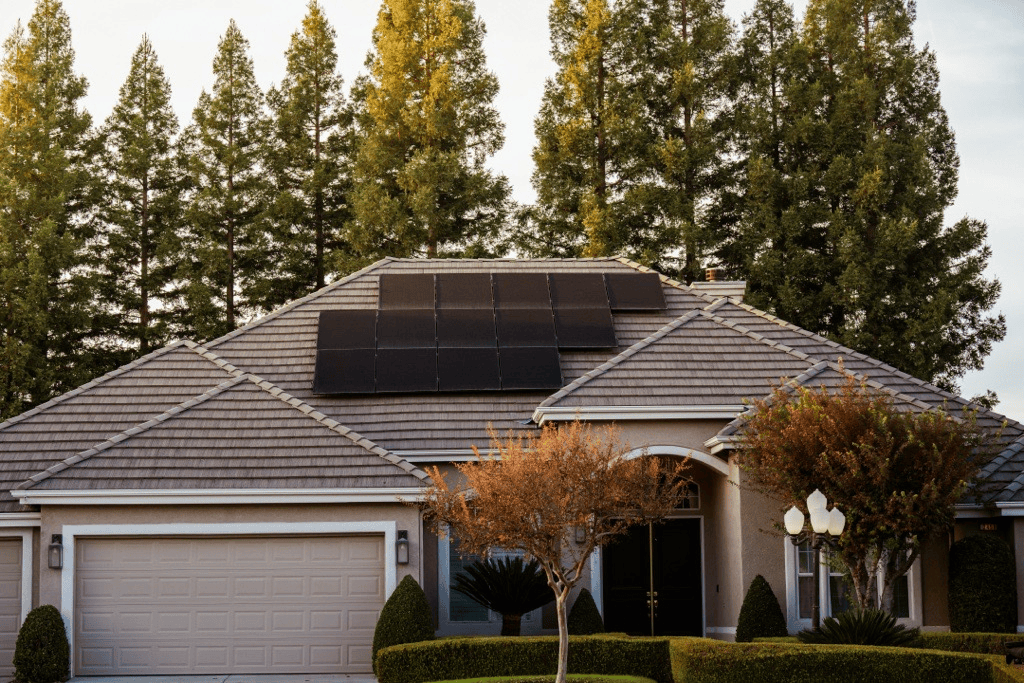
Sunrun stated that distributed edge computing represents a high-margin revenue opportunity, leveraging existing energy infrastructure, customer base, and grid service capabilities. Following a previous proof of concept, Sunrun is expanding the pilot by deploying a large number of computing nodes in homes equipped with its solar and battery storage systems. Sunrun is coordinating the sale of inference capacity to enterprise computing buyers while testing nodes under different conditions and rate structures to collect operational data. Participating pilot households are compensated for hosting computing nodes. Paul Dickson, President and Chief Revenue Officer of Sunrun, stated that AI companies are racing to secure more energy and computing power, and the company has spent nearly two decades perfecting the ability to operate, finance, and scale distributed assets. It is now leveraging its leadership and infrastructure in distributed home energy to bring computing closer to the source of energy and inference.
According to Sunrun, AI inference demand is growing at approximately 35% per year, and McKinsey expects inference to surpass training as the dominant AI workload by 2030, accounting for more than half of total AI computing. Unlike training, which requires large-scale, tightly synchronized clusters, inference is modular, geographically distributable, and highly latency-sensitive, making it suitable for edge deployment close to end users. Sunrun believes this distributed data center model enables American households to directly participate in and earn economic returns from the AI ecosystem. For hyperscale cloud providers, it offers a flexible and scalable source of computing capacity that complements centralized data centers. Sunrun expects to complete the pilot within the next few months, evaluating results based on established milestones, computing performance, and homeowner experience before determining the scale, speed, and customer offerings for a broader rollout. The company is in discussions with enterprise computing offtakers, homebuilders, and utility partners to build a framework supporting expansion. Sunrun stated that this distributed computing pilot is a standalone initiative but complements its recent agreements with Renew Home and Tesla. That agreement will aggregate over 16 gigawatts of flexible home energy capacity for hyperscale cloud providers and utilities. Sunrun believes that computing capacity deployed on-site at customer homes can meet the surging AI demand as well.
This 16-gigawatt flexible energy capacity agreement establishes a framework for hyperscale cloud providers and utilities, aggregating millions of existing demand-side and energy output devices across states into a local turnkey solution, requiring no additional hardware, software, interconnection, water, or land use for offtakers. Sunrun believes this capacity-as-a-solution framework can be deployed in months rather than years, creating space for the existing grid by unlocking transmission capacity, alleviating distribution infrastructure congestion, and extending the duration and depth of available capacity.
The three companies will together form the largest distributed power plant in the United States, capable of injecting net new electricity into the grid by pairing home batteries with solar power generation, while shifting household loads during peak demand periods. This 16-gigawatt resource can come from the dispatchable capacity of hundreds of thousands of home battery systems operated by Sunrun and Tesla, as well as the flexible peak capacity of over 8 million smart thermostats and devices managed by Renew Home.
Mary Powell, CEO of Sunrun, stated that the 19th-century grid cannot power 2026 innovation, and when data centers are required to reduce operations during the most expensive and strained hours of the day, distributed power plants can provide the needed electricity while protecting households from paying for costly new infrastructure.
In Virginia, the world's data center capital, the three companies already have over 300 megawatts of capacity available for deployment. By 2030, this figure is expected to grow to at least 500 megawatts. The three companies have also jointly committed capacity to the reliability backup process proposed by PJM Interconnection. If approved, PJM could unlock over 1 gigawatt of capacity, with additional capacity deployable in the future for peak shaving, local grid relief, and fast-response ancillary services.
Colby Hastings, Senior Director of Residential Energy at Tesla, stated that the U.S. grid is under pressure from data centers, electrification, and manufacturing growth, and no single infrastructure solution can address this quickly enough. However, a significant part of the answer is already in place: the batteries, thermostats, and electric vehicles in millions of American homes.
Related Products


GYTA Type Non-Self-Supporting Aerial/Duct Optical Cable
TONGDING INTERCONNECTION INFORMATION CO., LTD.
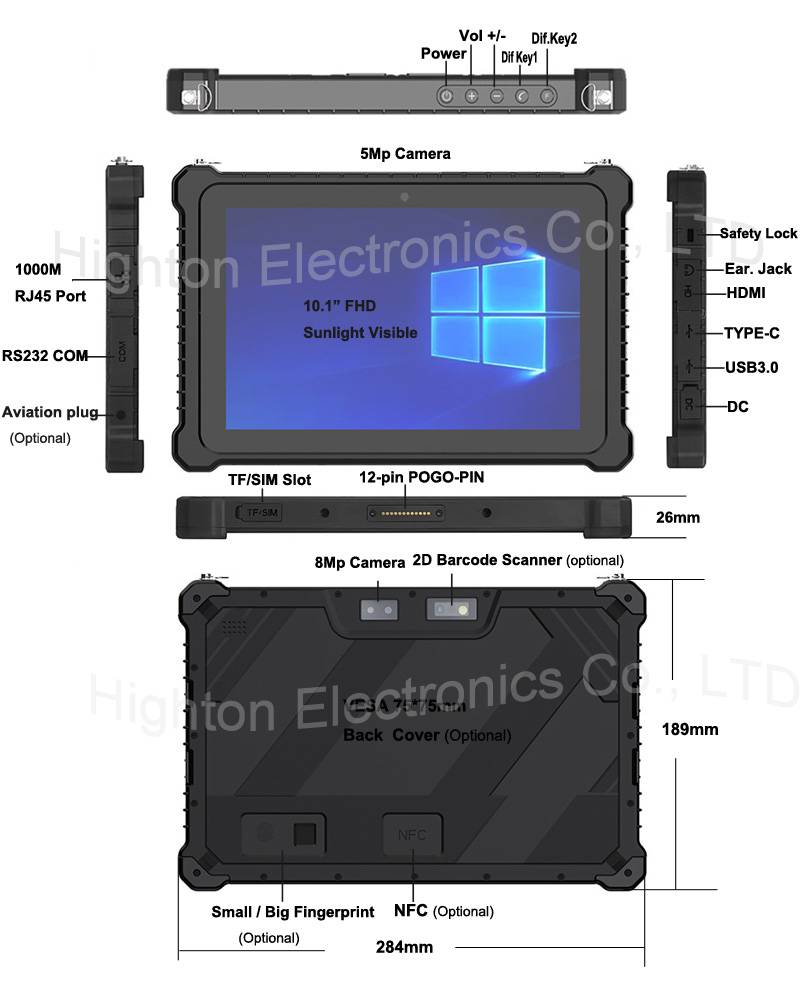
Hot Selling 10 Inch Intel N5100 I5 I7 FHD 8 +128GB 16+256GB Win10 Pro Win11 Pro 4G 5G Rugged Tablet PC Pad with NFC Barcode
Highton Electronics Co., Ltd.

20 Inch 1600*900 Full HD 60Hz TFT LED Monitor with VGA and DP Interfaces for Desktop Computers-Business Use
Guangzhou Zanying Optoelectronics Technology Co., Ltd.

Automatic Aiming Laser Remote Obstacle Removal Robot
Pinggao Group Weihai High-Voltage Apparatus Co., Ltd.
G.652.D Wavelength-extended Non-dispersion Shifted Single-mode Optical Fiber
HONGAN GROUP CO., LTD.