Samsung Launches GAIA AI Chip Targeting Low-Cost PC Market
en.Wedoany.com Reported - Samsung Electronics has launched an AI accelerator chip named GAIA, designed to provide local AI processing capabilities for PCs. This approach draws on Samsung's experience in the mobile sector with Exynos chips and their integrated NPUs, transplanting AI processing logic to PCs in the form of a dedicated standalone chip. GAIA is designed to handle inference and training tasks directly on the device without relying on the cloud; its "memory-centric" architecture brings processing physically closer to the data, reducing latency and power consumption.
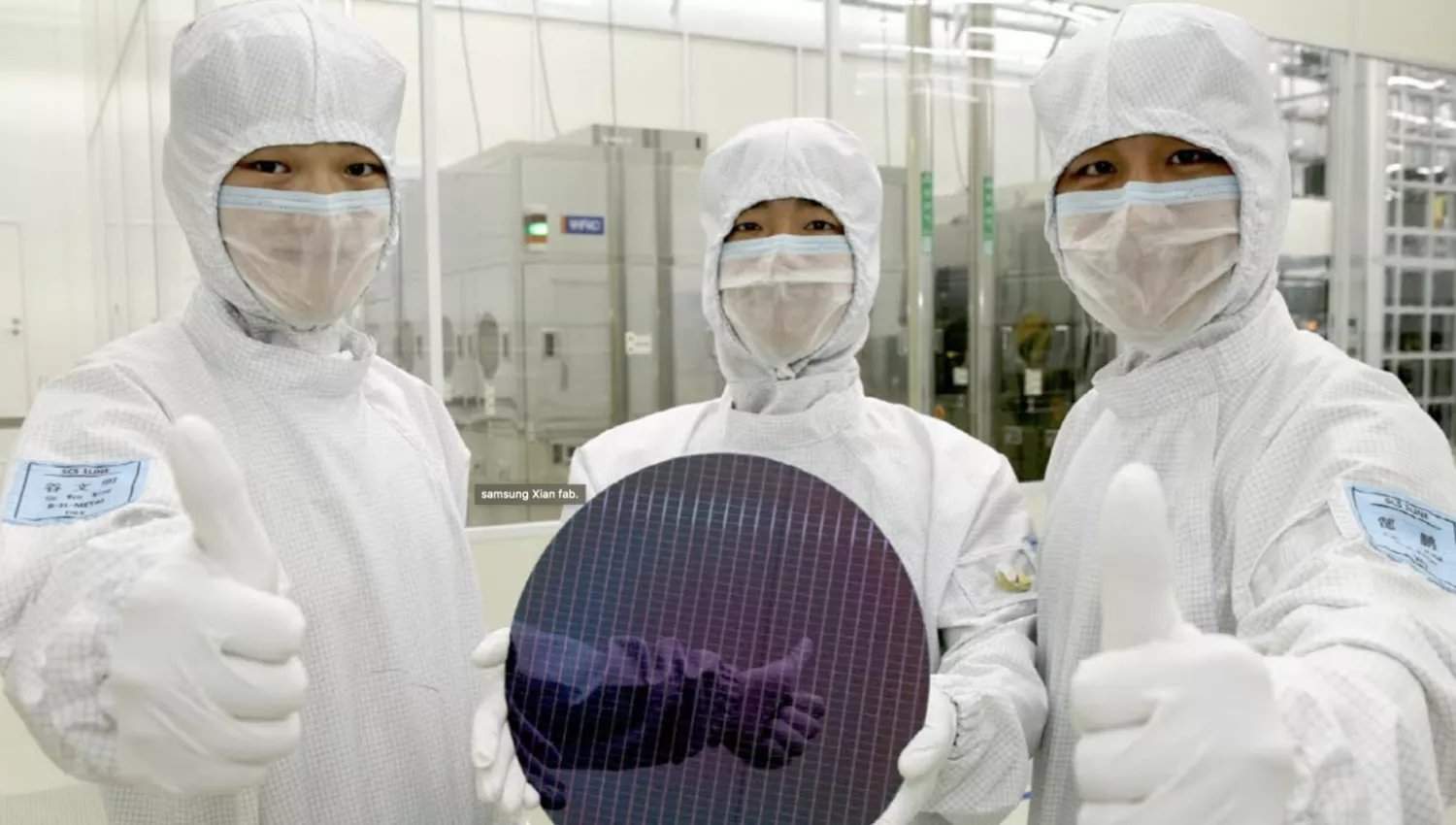
The chip's market positioning targets PC manufacturers who wish to launch "AI PCs" but struggle to afford high-end SoCs costing over 500 euros. Vendors like Lenovo or HP can pair GAIA with cheaper processors while still delivering a viable everyday AI experience, particularly paving the way for AI PCs priced under 800 euros in markets such as India, Brazil, or Southeast Asia.
The technological core of GAIA lies in its planned coupling with PIM (Processing-in-Memory) technology, which Samsung's memory division is developing in parallel. The concept of PIM is to change the traditional architecture where storage and computation are separate, allowing DRAM to directly perform operations on the data it stores. The expected result is improved efficiency for AI tasks and reduced data transfer between memory and the processor, which is often a bottleneck for system performance.
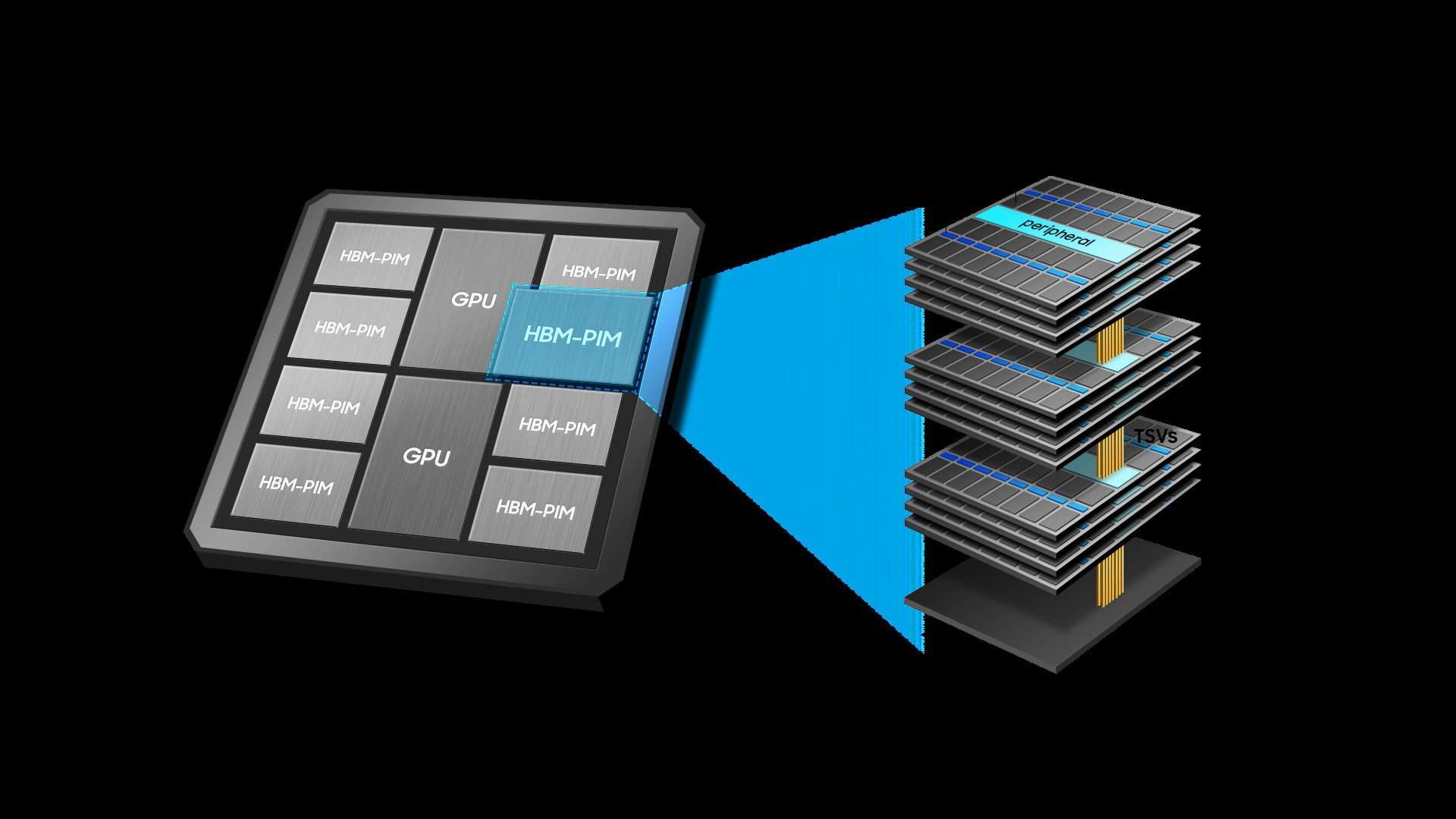
Samsung's unique position in this field lies in its ability to design both the accelerator chip and the memory it communicates with. Unlike Qualcomm, Intel, or AMD, which rely on memory partners, the potential vertical integration Samsung achieves between GAIA and PIM has no direct equivalent among competitors, potentially translating into measurable advantages in on-device AI inference. Additionally, Samsung Group is also in discussions with AI company Anthropic to develop custom AI chips, indicating its footprint in the AI silicon space extends beyond the consumer PC market.
Samsung's strategic goal is no longer limited to being a component supplier; it aims to build a complete AI layer architecture from memory to accelerators. If the PIM integration delivers on its technical promises, the manufacturer will offer PC brands seeking to democratize AI without significantly increasing costs a competitive price-performance ratio. Whether this still-prototype chip can win enough partners and ultimately translate into actual products on the market remains to be seen.
Related Products


Mine Explosion-proof and Intrinsically Safe Industrial Ethernet Ring Network (10 Gigabit/Gigabit)
Chongqing Mas Sci&Tech Co., Ltd.



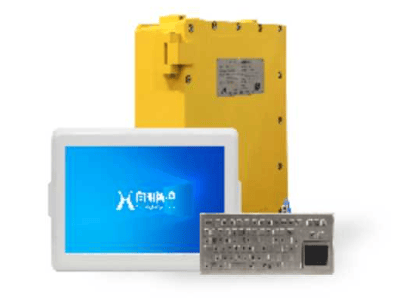
KJD127(A) Mining Explosion-Proof and Intrinsically Safe Computer
Taiyuan Xiangming Intelligent Control Technology Co., Ltd.
Industrial and Commercial Point-Type Gas Detector
Jinan Benan Technology Development Co., Ltd.
MUX Series Communication Interface Device for Security and Stability Control System
Nanjing NR Electric Co., Ltd.