China's Zhiyuan and Longcheer Complete Humanoid Robot Industrial Stress Test, Exceeding 1,500 Hours
en.Wedoany.com Reported - China's Zhiyuan Robot and Longcheer Group have completed an industrial-grade stress test for humanoid robots on a real production line. In the first half of this year, eight Zhiyuan Genie G2 robots were deployed at the Longcheer factory. After three months on the job, the cumulative continuous working hours of multiple robots exceeded 1,500 hours. During the busiest period, the eight robots worked continuously for half a month to meet order deadlines, operating 22 hours each day. In a six-day live broadcast from June 23 to 28, each robot completed 3,000 loading and unloading operations daily.
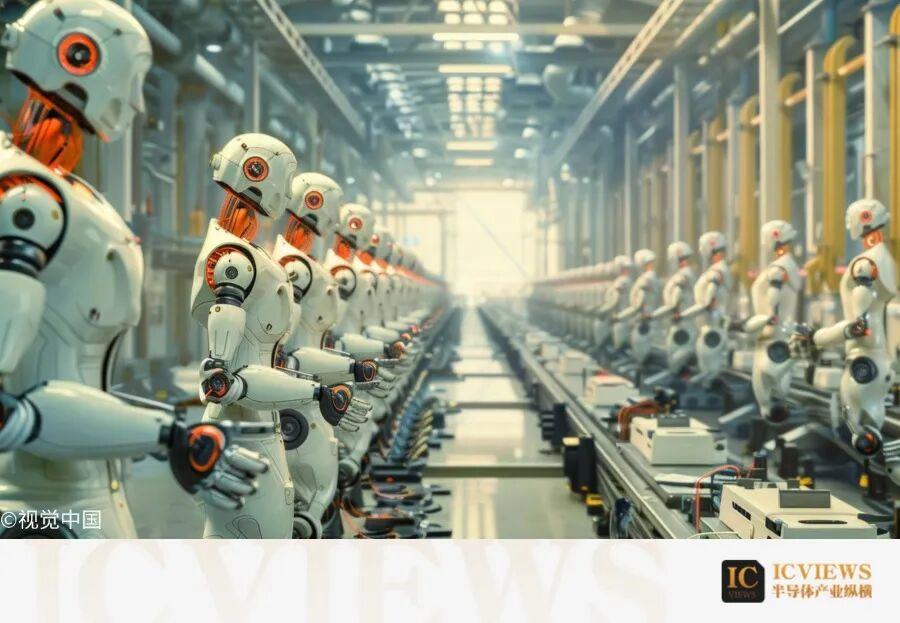
Zhang Long, CTO of Longcheer's Manufacturing Process, recalled that three months after the collaboration began in early December 2025, the cycle time for a robot to complete one loading and unloading operation was 58 seconds, which was 6 to 7 times slower than a human worker, making it unsuitable for the real production line. Ai Wen, Project Director of Zhiyuan's Genie Business Unit, pointed out that there was a significant gap between the two parties in terms of robot products, production processes, and system design concepts. The Zhiyuan team relocated their lab from Shanghai to the Longcheer workshop in Nanchang. After intensive discussions on details, the cycle time dropped to 27 seconds within a month and to 22 seconds around the Spring Festival. The iteration speed for the model responsible for the robot's upper body was very fast, with a new version almost every two days.
After the robots officially started work in March this year, problems that had not emerged during hundreds of hours of offline operation erupted simultaneously. Wireless signals from dozens of devices and hundreds of mobile phones and tablets on the real production line caused severe interference to robot communications, leading to pauses in LiDAR point cloud signal transmission due to poor contact from improperly tightened wiring harnesses during final assembly. Other issues included power loss caused by overly thin brake pads on the slope motor and positioning deviations due to insufficient rigidity of the waist structure. As of June, some equipment had operated for nearly 2,000 hours, with the longest approaching 3,000 hours, but Longcheer's target is stability at the level of tens of thousands of hours.
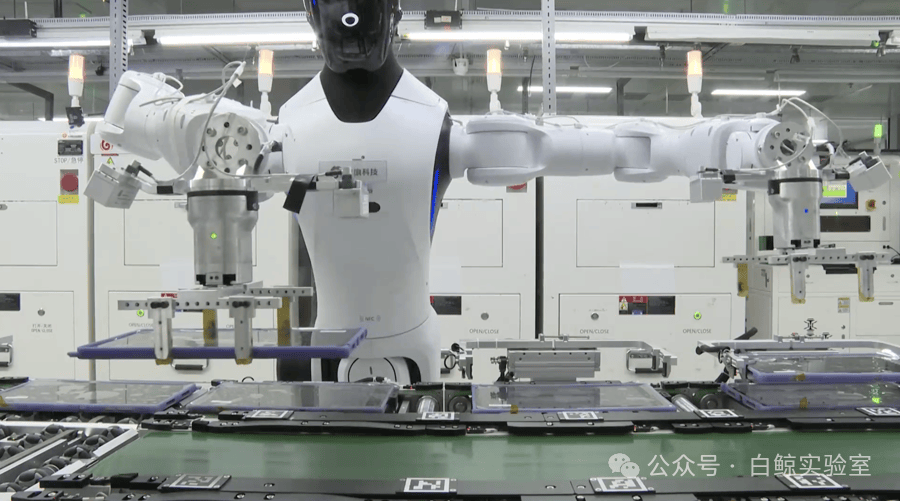
Behind the thousands of daily operations completed by the eight robots lies the continuous collection of real-world "data oilfields." A single robot operation includes over twenty action groups, generating hundreds of thousands of real operation data points and tens of thousands of action trajectories daily. This data from the real production line is of extremely high quality, recording not only successful actions but also jitters, deviations, retries, and anomaly recoveries. On April 9, Zhiyuan released the next-generation VLA base model GO-2, achieving large-scale deployment capabilities, with training efficiency improved by approximately 10 times, success rates in industrial tasks increased by 2 to 4 times, and data requirements reduced by over 50%. On April 17, Zhiyuan announced that the next-generation GO-3 model is planned for release in the third quarter, with a data scale tens to hundreds of times that of GO-2. Zhiyuan founder Peng Zhihui predicts that in 2026, Zhiyuan's data flywheel will accelerate, with over a hundred robots expected to be deployed in industrial scenarios by then.
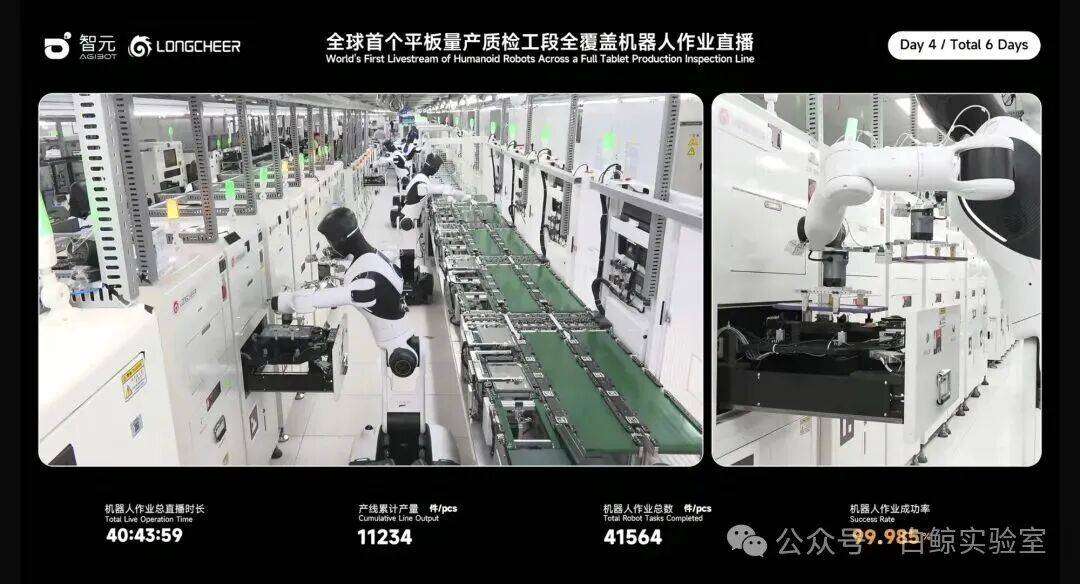
Longcheer and Zhiyuan have formulated a development plan for the next three years. In 2026, the focus is on validating technology, cycle time, stability, and deployment toolchains in a single scenario. The current 3C tablet quality inspection station serves as a template, with the first parallel line integration taking approximately 48 hours, and subsequent process migrations compressed to 24 hours. In 2027, the goal is to move from single-task to multi-task generalization, expanding from tablets to mobile phones, and from quality inspection and loading/unloading to assembly, handling, and packaging. By 2028, Longcheer hopes robots will become part of an intelligent manufacturing platform, enabling collaboration between agents. Currently, the loading/unloading cycle time of the G2 in the live broadcast scenario is only half that of a human worker, approaching the performance limits of the motors. At the Longcheer manufacturing base in Nanchang, Zhiyuan's young algorithm team is exploring a new industrial order centered around these robots.
Related Products

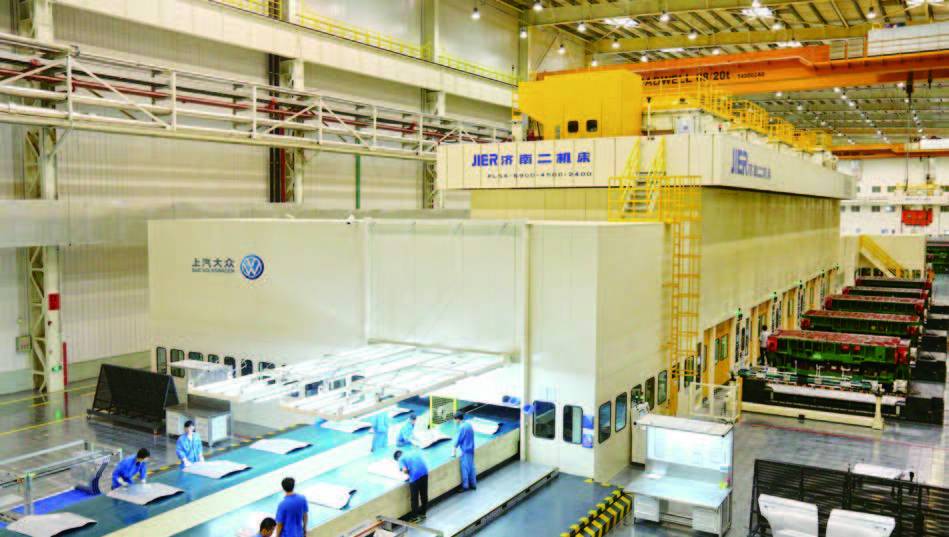
High-Speed Flexible Fully Automatic Stamping Production Line
JIER Machine-Tool Group Co., Ltd.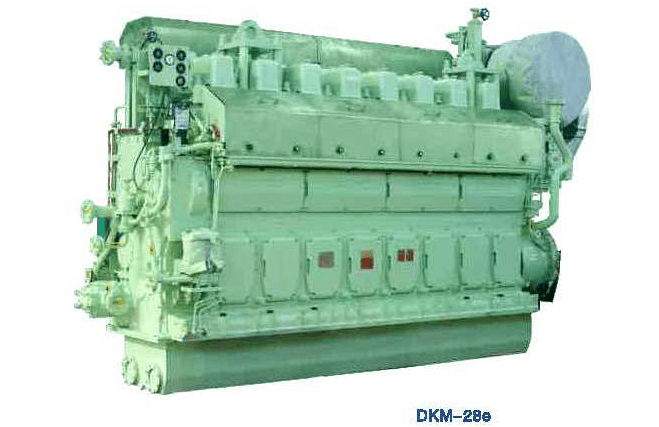
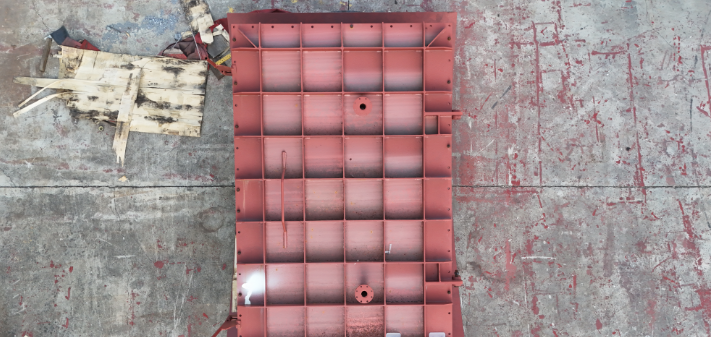
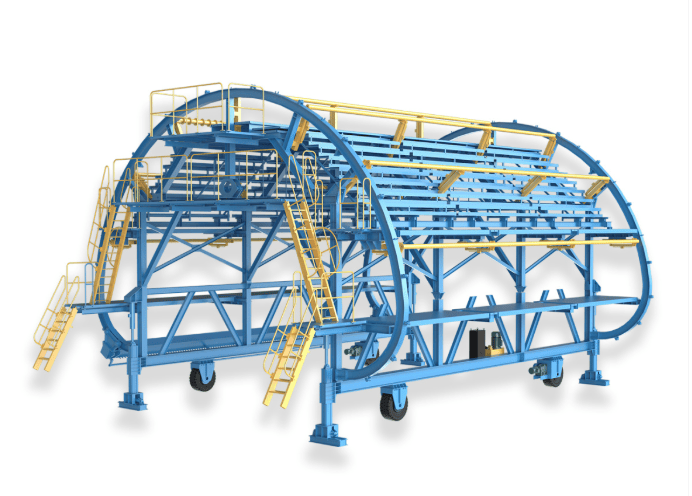
QLZNGJ Intelligent Steel Reinforcement Trolley
Luoyang China Railway Qiangli Machinery Co., Ltd.
Strip Coating and Plating Production Line Equipment
MCC-SFRE HEAVY INDUSTRY EQUIPMENT CO., LTD.
Aluminum-Magnesium Alloy High-Pressure Die-Casting Molds
NINGBO HELI TECHNOLOGY CO., LTD.