Nunavut Completes Devolution, Mining Sector Sees Opportunity for Autonomous Development
en.Wedoany.com Reported - Canada's Nunavut territory has completed its devolution process, with industry insiders viewing this as an opportunity for the local mining sector to pursue autonomous development. Stephen Mansell, Chief Negotiator for Devolution at Nunavut's Department of Executive and Governmental Affairs, stated that the industry has shown strong interest in devolution, but emphasized the importance of a smooth transition to avoid disruptions to existing operations. The Yukon and Northwest Territories completed their devolution processes in 2003 and 2014, respectively.
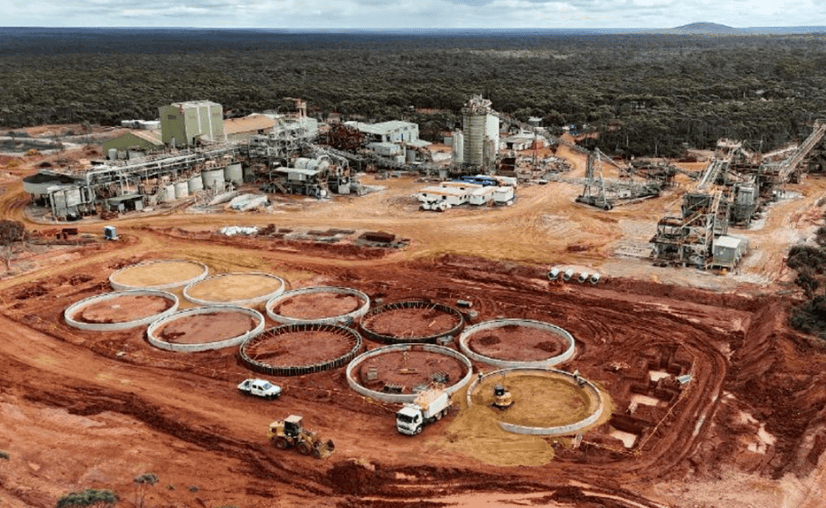
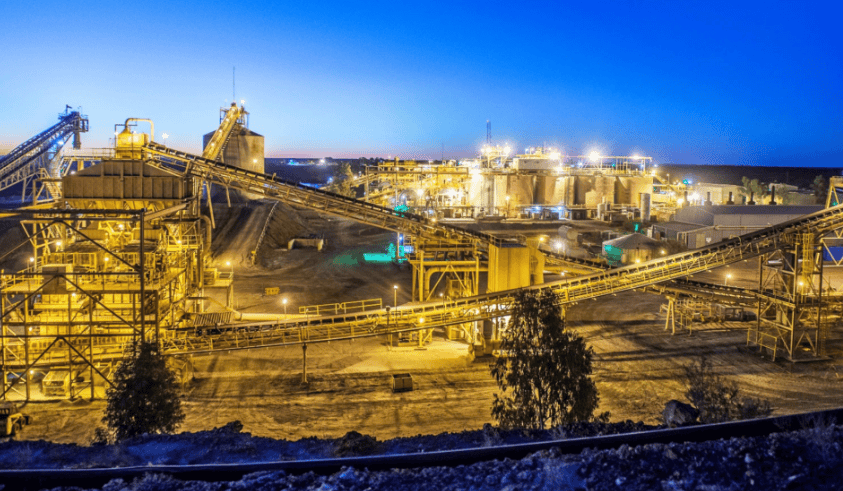
This predominantly Inuit territory is Canada's largest by area, rich in mineral resources, and hosts four active mines and dozens of exploration projects. Despite limited infrastructure, the mining sector contributed C$1.45 billion in 2025, accounting for 35% of the local GDP. In 2024, the Government of Nunavut, the Inuit rights organization Nunavut Tunngavik Inc. (NTI), and the federal government signed the Nunavut Land and Resources Devolution Agreement. Upon the agreement's implementation, Nunavut will assume responsibility for processing and managing mineral rights applications, and will receive revenues from mining royalties and land leases. Ottawa retains jurisdiction over federal matters such as fisheries, migratory birds, and navigable waters.
However, most active mines in Nunavut are located on Inuit-owned lands, with royalties already paid to Inuit organizations. Agnico Eagle's Meadowbank-Amaruq and Meliadine mines, B2Gold's Goose project, and Baffinland's Mary River iron ore mine are all wholly or partially situated on such lands. Paul Hébert, CEO of the NWT & Nunavut Chamber of Mines, stated that territorial royalties will not change until new mines begin production on Crown land. Ken Coates, a fellow at the Macdonald-Laurier Institute and a professor of Indigenous governance at Yukon University, cited the Yukon as a cautionary example, warning that royalties are not a quick path to wealth. Yukon's placer gold mines generated C$400 million in revenue in 2025, but due to a royalty rate of only 37.5 Canadian cents per ounce (approximately C$0.375), the government received just C$39,000. Coates emphasized that Nunavut should develop its own mining laws, seek community support for local resource development models, and ensure adequate representation from resource companies in the process.
Coates noted that mine development could stimulate infrastructure construction, reduce living costs, and provide skills training. Baffinland spokesperson Peter Akman expects devolution to strengthen project decision-making, with the Government of Nunavut becoming the final decision-maker for certain project approvals. B2Gold supports devolution, believing it will ensure local benefits. Iqaluit is drafting "mirror" legislation to replicate federal laws, ensuring no disruption to regulatory processes. Agnico Eagle declined to comment for this article.
Related Products

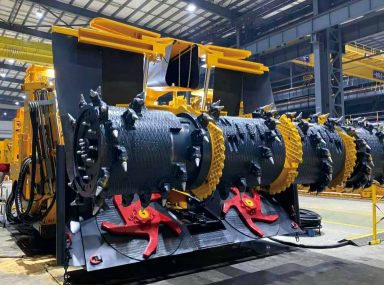
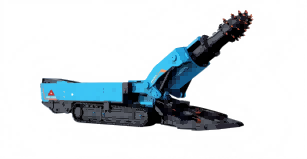
Integrated Excavation and Anchoring Machine (EJM Series)
China Railway Construction Heavy Industry Corporation Limited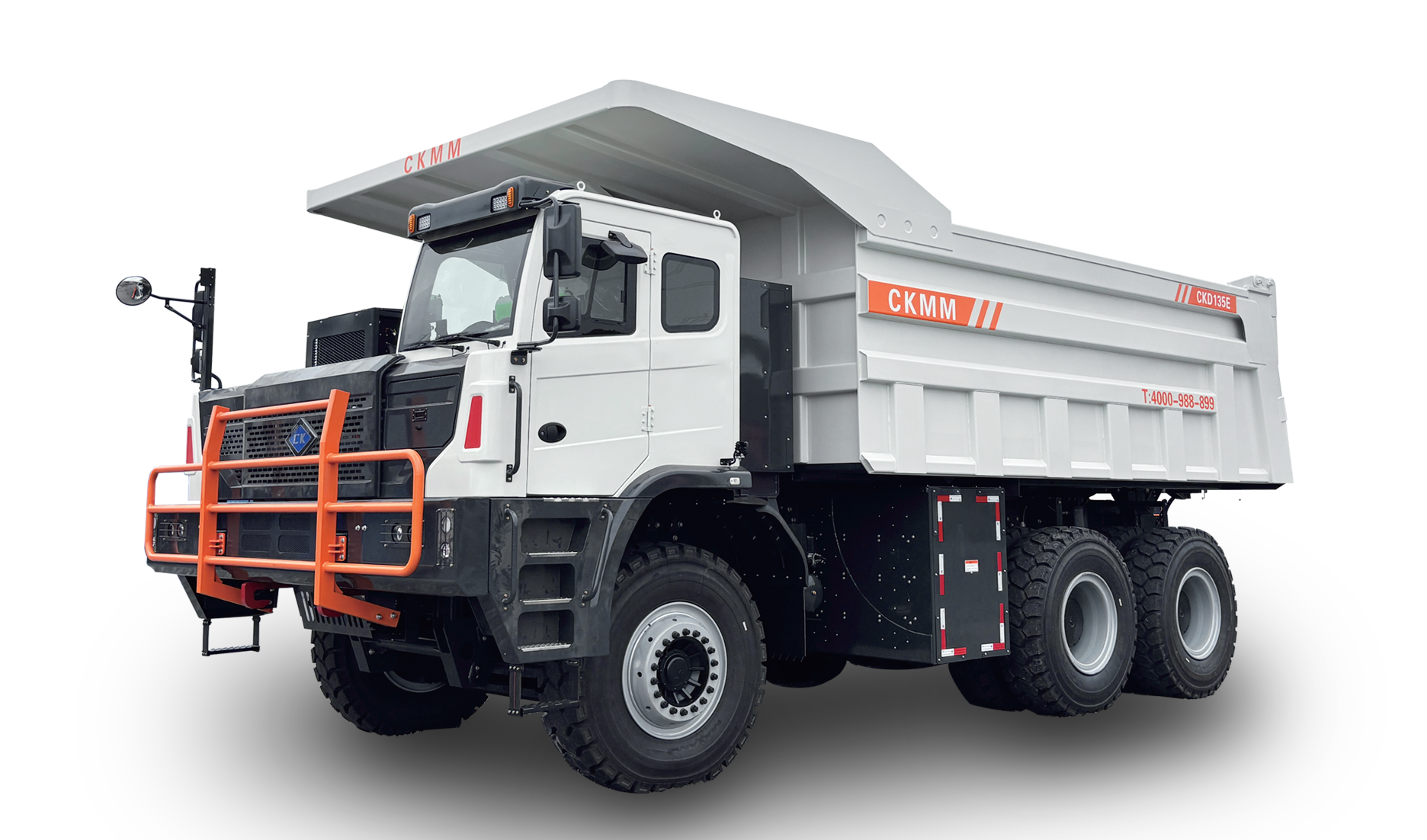
CKD135E Pure Electric Wide-body Dump Truck
Jiangsu Changkuang Engineering Machinery Co. Ltd.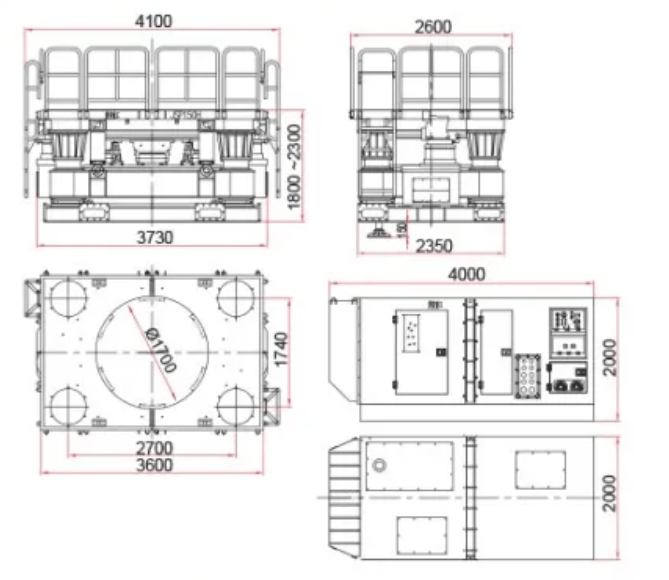
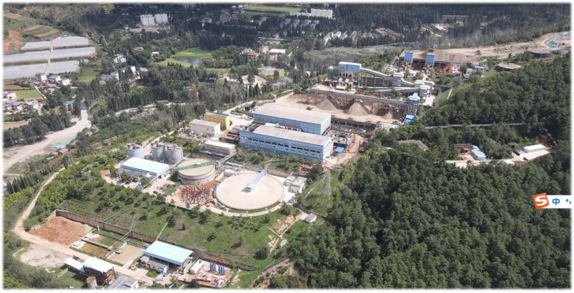
Yunnan Phosphorus Chemical Group Co., Ltd. 2 Million t/a Phosphorus Ore Mining and Beneficiation Project
China Bluestar Lehigh Engineering Corporation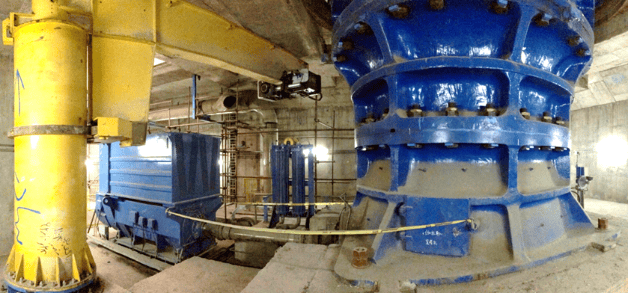

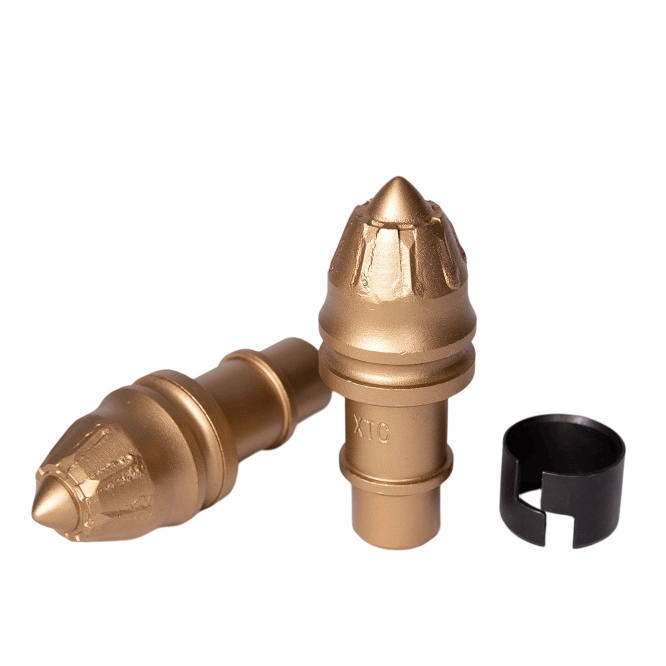
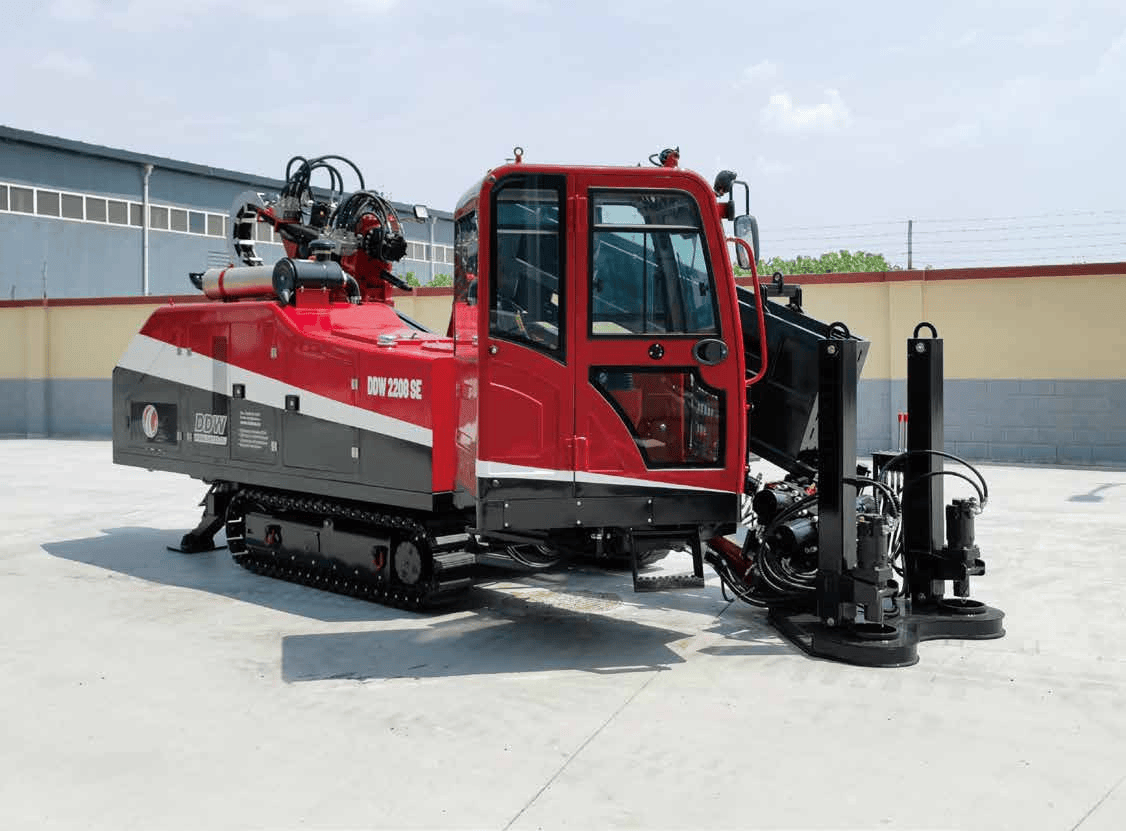
DDW22/08SE-HORIZONTAL DIRECTIONAL DRILL
DW/TXS Construction Equipment (Beijing) Co., Ltd.