China's Zhejiang University Proposes CADDesigner, a Multimodal CAD Modeling Agent
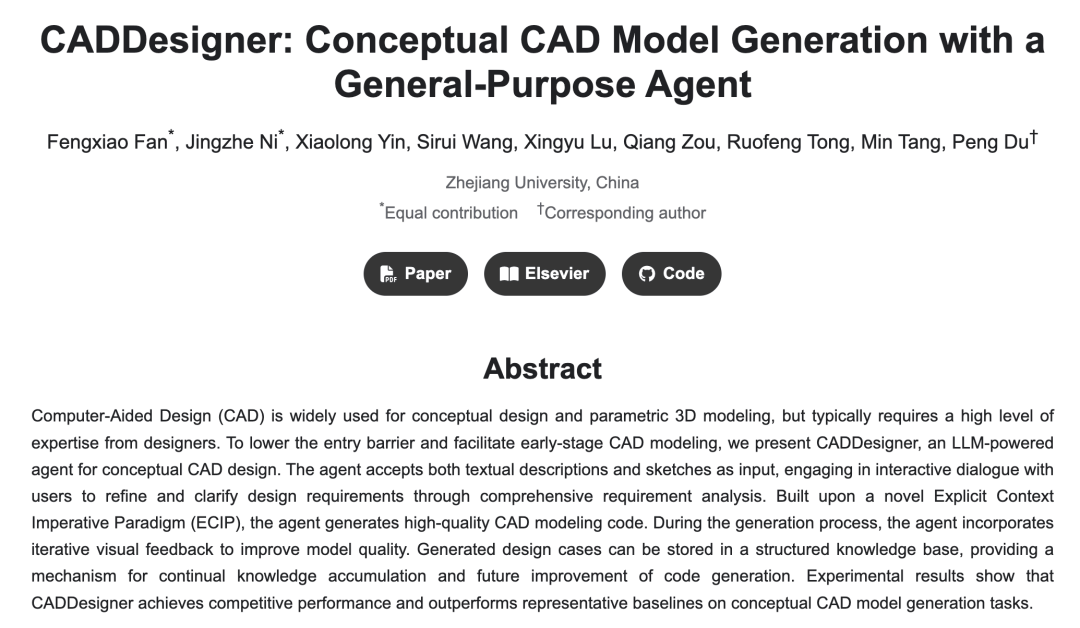
en.Wedoany.com Reported - The team led by Du Peng at the State Key Laboratory of CAD&CG, Zhejiang University, has proposed CADDesigner, a multimodal CAD modeling agent. This agent is dedicated to deeply integrating large models, intelligent agents, and traditional geometric engines by constructing an intermediate layer, helping CAD designers enhance their modeling capabilities and production efficiency.
During the product conceptual design phase, CAD model design often faces issues of incomplete and abstract requirements. Designers need to gradually transform preliminary ideas into precise parametric models. Although traditional CAD software like SolidWorks and CATIA is powerful, it demands high user experience, limiting design efficiency. In recent years, progress has been made in using large language models to generate CAD modeling code. However, fine-tuning open-source large models typically requires substantial GPU resources, and the scarcity of high-quality CAD modeling sequences also restricts the diversity and quality of the generated code.
At the interaction level, CADDesigner supports simultaneous input of text descriptions and sketches. At the API design level, the agent emphasizes consistency, capable of generating CAD modeling code that precisely aligns with the user's design intent. Its constraint system only defines rules without directly participating in geometric calculations, effectively avoiding the risk of errors from complex computations. Additionally, CADDesigner enables large language models to assign "identity cards" with functional meanings to key geometric parts, addressing the long-standing "difficulty in finding objects" problem in coding within the industry.
Currently, the related research findings have been published in the top journal in the field of computer-aided design and graphics, Computer Aided Design.
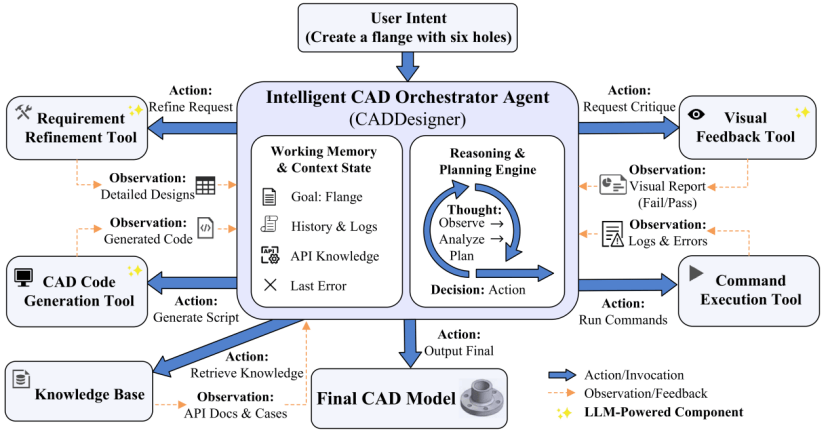
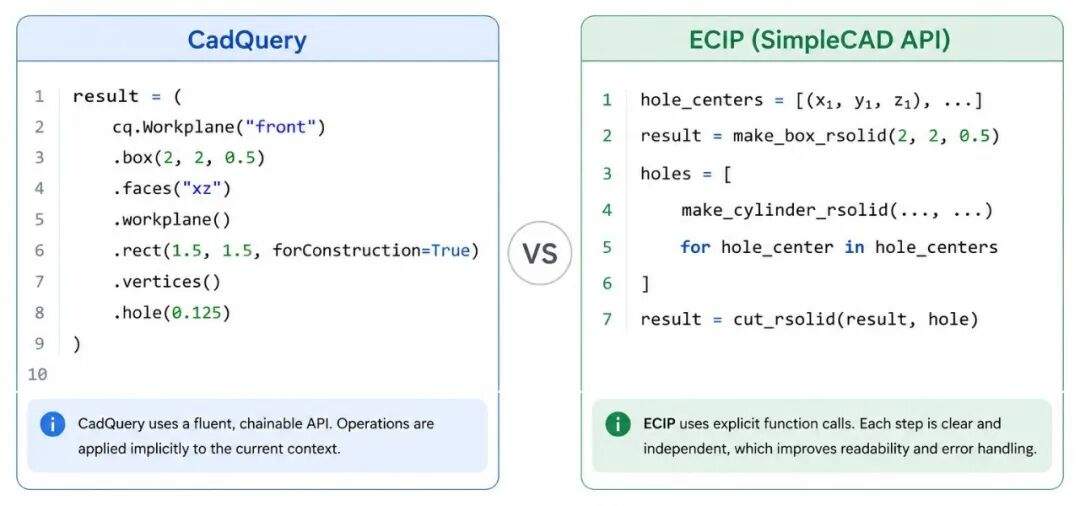
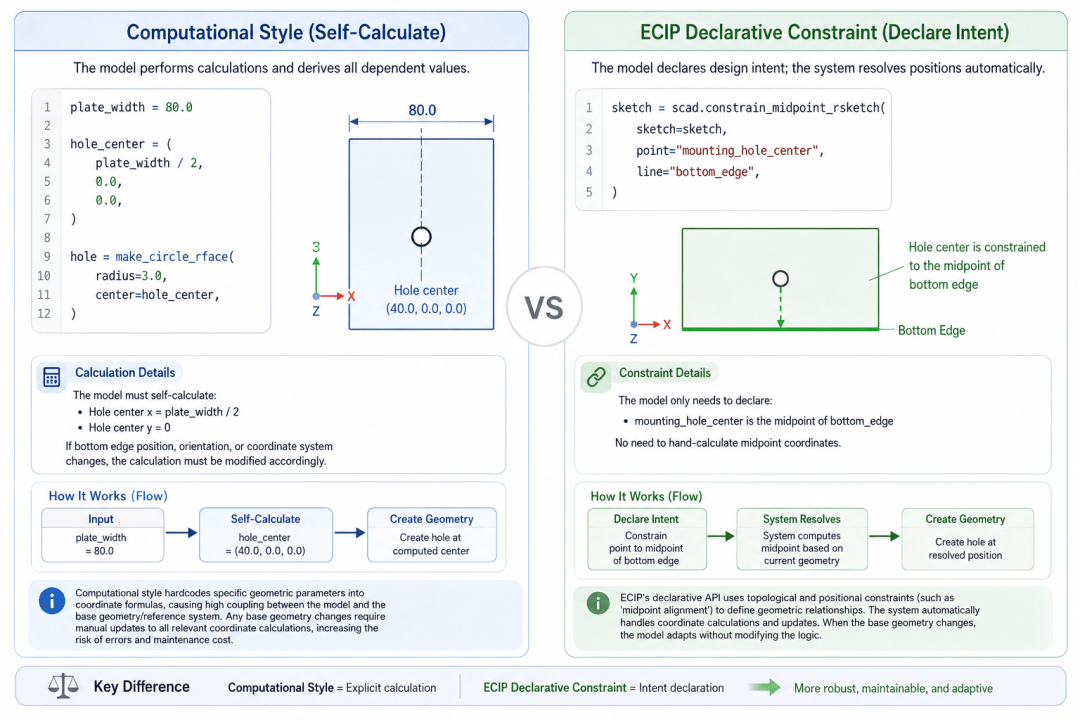
The CADDesigner team has proposed a new paradigm for large model-friendly CAD modeling scripts: the Explicit Context Imperative Paradigm (ECIP). This paradigm provides a standardized operational workflow for large language models (LLMs), reducing guesswork and errors when generating CAD modeling code, and stably outputting design intent as reliable geometric modeling results. ECIP adopts an explicit imperative call structure in API design, emphasizing consistency among syntax, parameters, and behavior. All API interfaces share a similar structure and unified usage.
In the constraint system, ECIP emphasizes "only specifying what is needed, not how to do it," allowing the model to simply describe "what result is desired" rather than calculating "how to achieve it specifically." The model acts as a "commander" making requests, such as "these two parts should be attached together," thereby avoiding complex calculations of coordinates, orientations, and spatial positions. To solve the long-standing "difficulty in finding objects" problem in "modeling with code," ECIP employs a "labeling + automatic transfer" mechanism, allowing the model to assign "identity cards" with functional meanings to key parts, such as "base" or "mounting hole." These "identity cards" are automatically transferred during the modeling process, enabling subsequent models to search for parts by functional names.
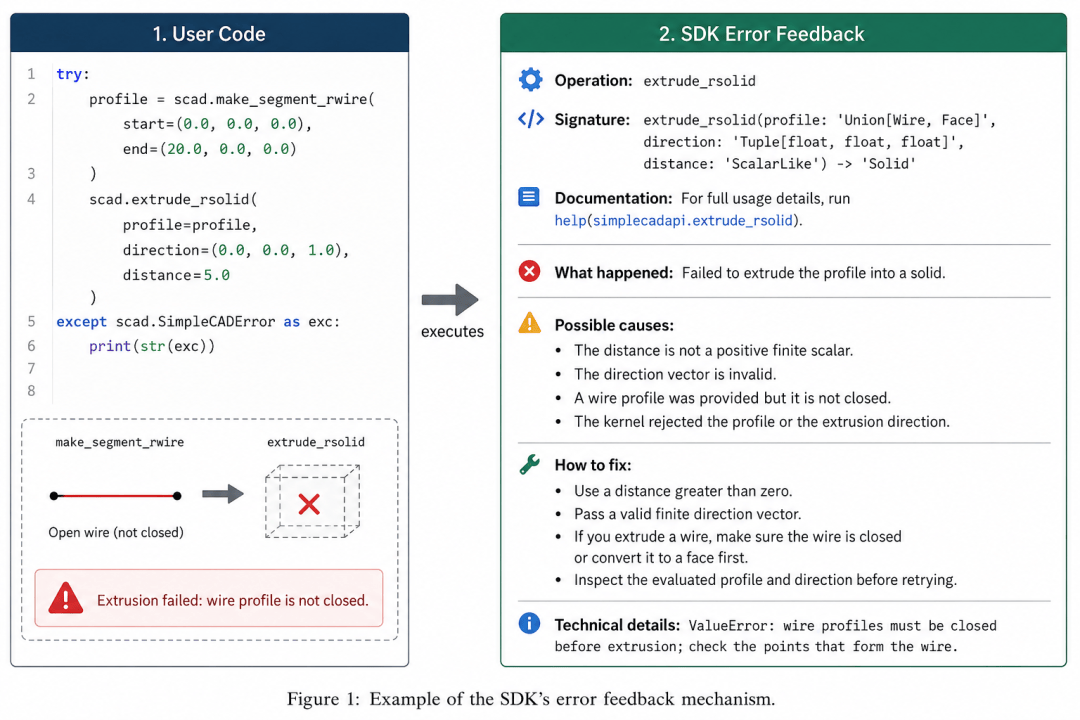
In the feedback mechanism, ECIP is optimized for large language models. When error information occurs, ECIP not only tells the model "where it failed" but also provides the error location, type, common causes, and repair suggestions. The team also offers a series of automated tool scripts to perform mechanical interference checks on modeling results and generate inspection reports suitable for both human reading and machine parsing, helping large language models self-correct and iteratively optimize.
CADDesigner provides a more user-friendly SDK interface for large models: the model only needs to understand requirements, organize structures, and express design intent; geometric calculations, constraint execution, object selection, error diagnosis, and result checking are handled by the SDK. This agent breaks down the barrier between natural language and precise geometry, elevating large models from chat assistants to design productivity tools, paving a new technical path for future human-machine collaboration and intent-driven parametric design.
Related Products

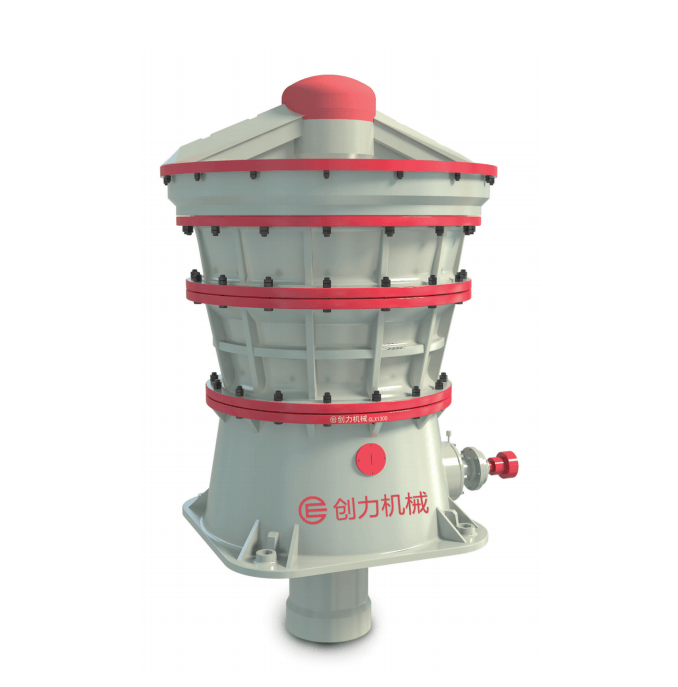
CLX Series Intelligent Hydraulic Gyratory Crusher
Guangdong CHUANGLI intelligent machinery Equipment Co., LTD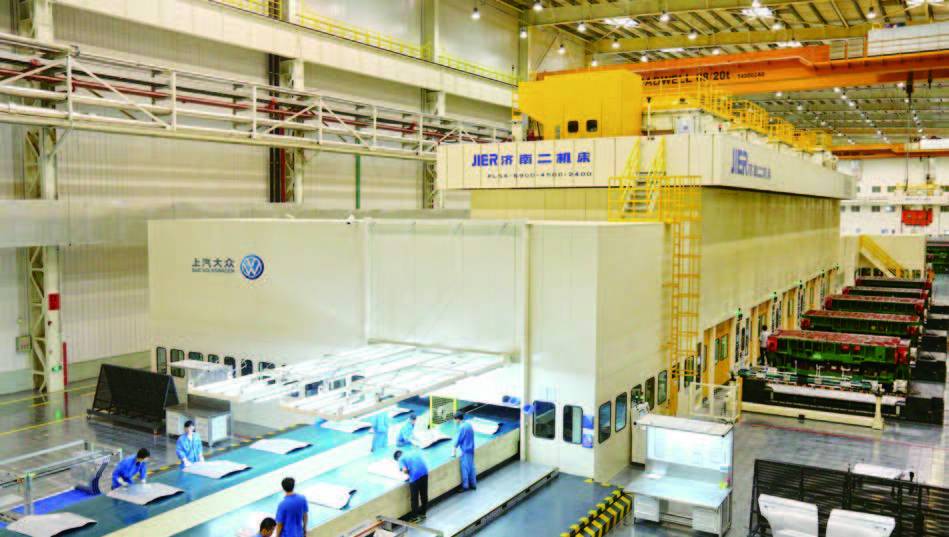
High-Speed Flexible Fully Automatic Stamping Production Line
JIER Machine-Tool Group Co., Ltd.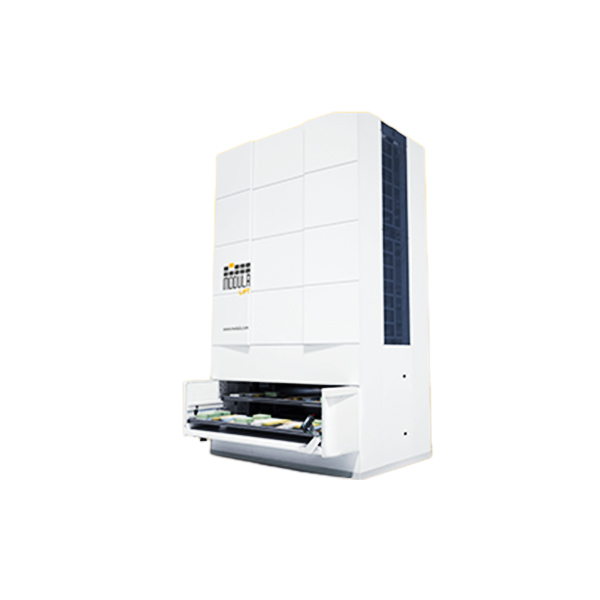
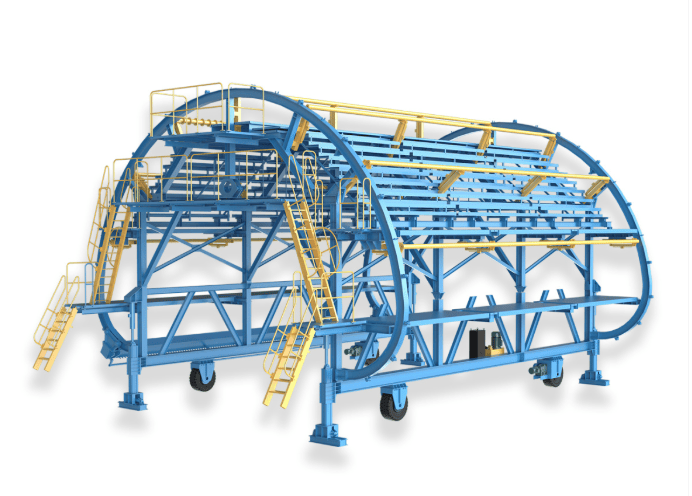
QLZNGJ Intelligent Steel Reinforcement Trolley
Luoyang China Railway Qiangli Machinery Co., Ltd.
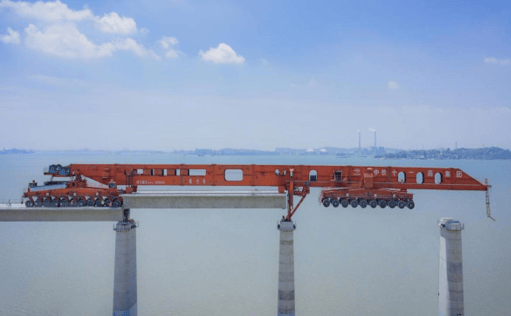
High-Speed Railway Lifting, Transporting, and Erecting Equipment: Integrated Transport and Erection Machine
Hanjiang Heavy Industry Co., Ltd. of China Railway 11th Bureau Group
Industrial and Commercial Point-Type Gas Detector
Jinan Benan Technology Development Co., Ltd.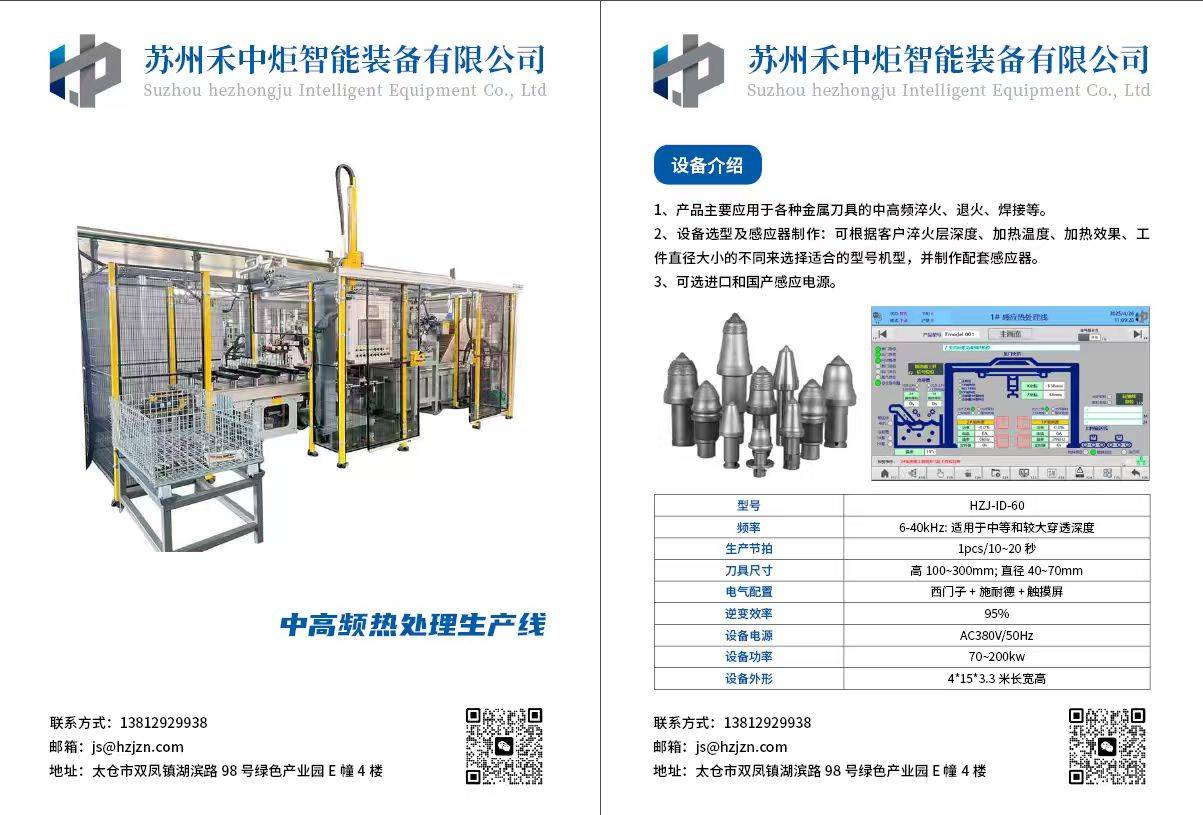
Excavator Bucket Teeth Heat Treatment Production Line
Suzhou Hezhongju Intelligent Equipment Co., Ltd.