Pakistan Launches Solar Retrofit of Communication Facilities, Covering Exchanges and Data Centers
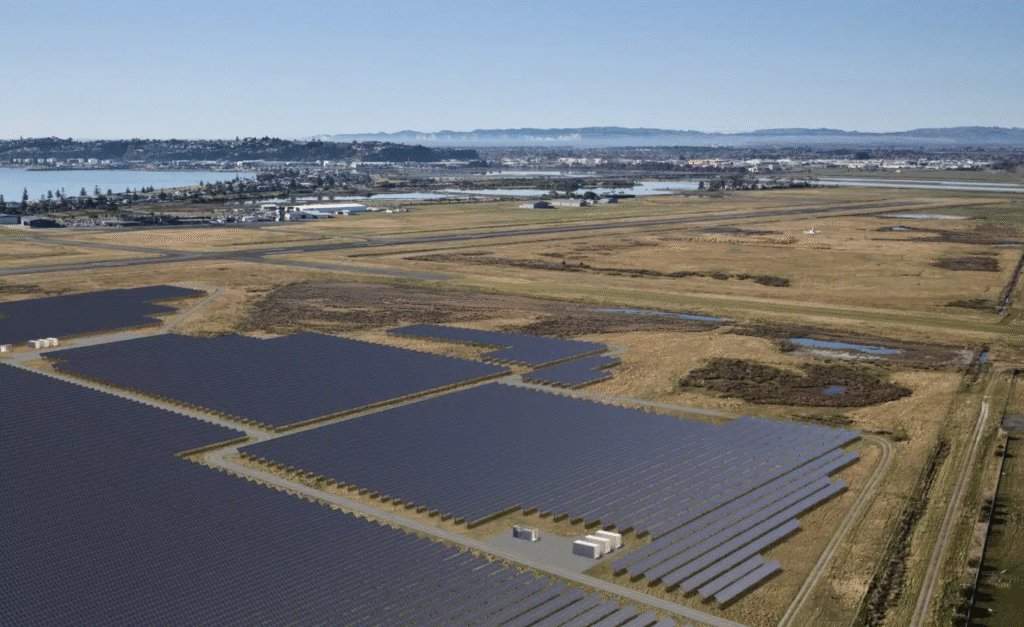
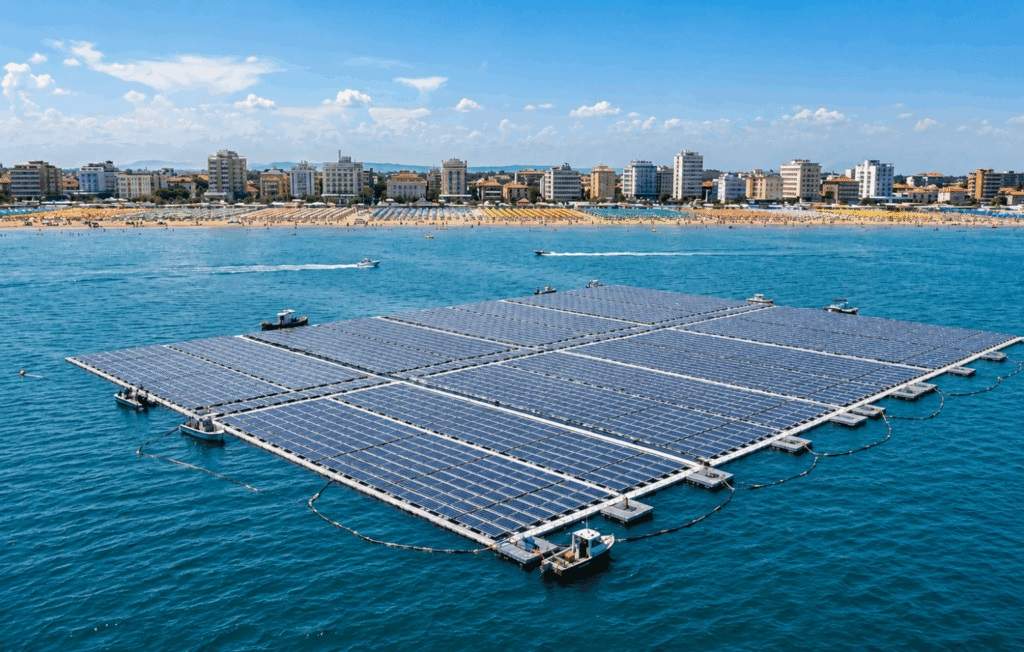
en.Wedoany.com Reported - On July 11, Pakistan Telecommunication Company Limited (NTC) officially launched a solar infrastructure deployment plan and signed a contract with a project consortium in Islamabad. The plan aims to install photovoltaic power supply systems at communication exchanges, data centers, office premises, and other operational facilities across Pakistan, improving energy security for critical communication infrastructure.
The project consortium consists of Kasib Builders and Developers, Zeeruk International, and Zeeruk Energy Development. The project will adopt a Build-Own-Operate-Transfer (BOOT) model, with the consortium responsible for the design, installation, operation, and maintenance of photovoltaic systems at designated sites. After the concession period ends, the entire solar infrastructure will be transferred to Pakistan Telecommunication Company Limited.
The focus of this initiative is not to expand communication network coverage, but to retrofit the supporting power supply systems of communication facilities. Communication exchanges and data centers require continuous and stable operation. When the public power grid is unstable, the reliability of backup power directly affects network services. By deploying photovoltaic facilities at multiple operational sites, Pakistan Telecommunication Company Limited plans to reduce reliance on traditional energy sources and improve the power supply stability of communication switching equipment, data centers, and related operational facilities.
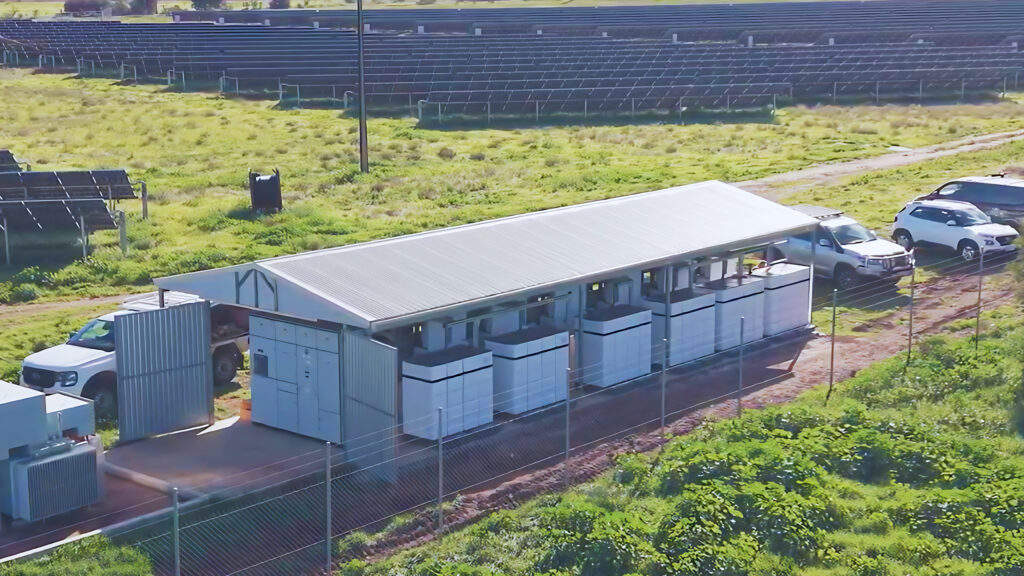
In terms of project scope, this plan integrates solar power generation systems directly into the operational framework of communication infrastructure. The construction content is expected to involve photovoltaic modules, inverter equipment, power distribution systems, support structures, monitoring devices, and subsequent operation and maintenance services. The specific construction scale, installed capacity, and implementation timeline for each site have not yet been announced. Subsequent progress will depend on the determination of designated sites, system design, and equipment installation arrangements.
Related Products



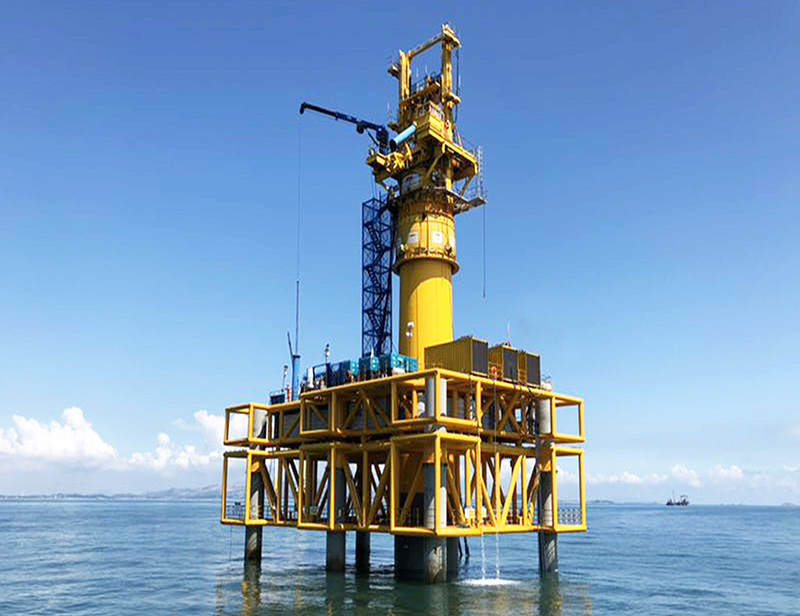
CITIC Heavy Industries Offshore Wind Power Equipment Hydraulic Pile Hammer
CITIC Heavy Industries Co., Ltd.
1000kV Jin Southeast-Nanyang-Jingmen UHV AC Transmission and Transformation Pilot Demonstration Project
Anhui Hongyuan Steel Tower Co., Ltd.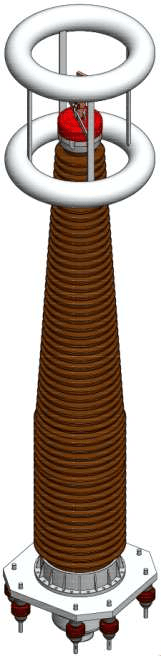
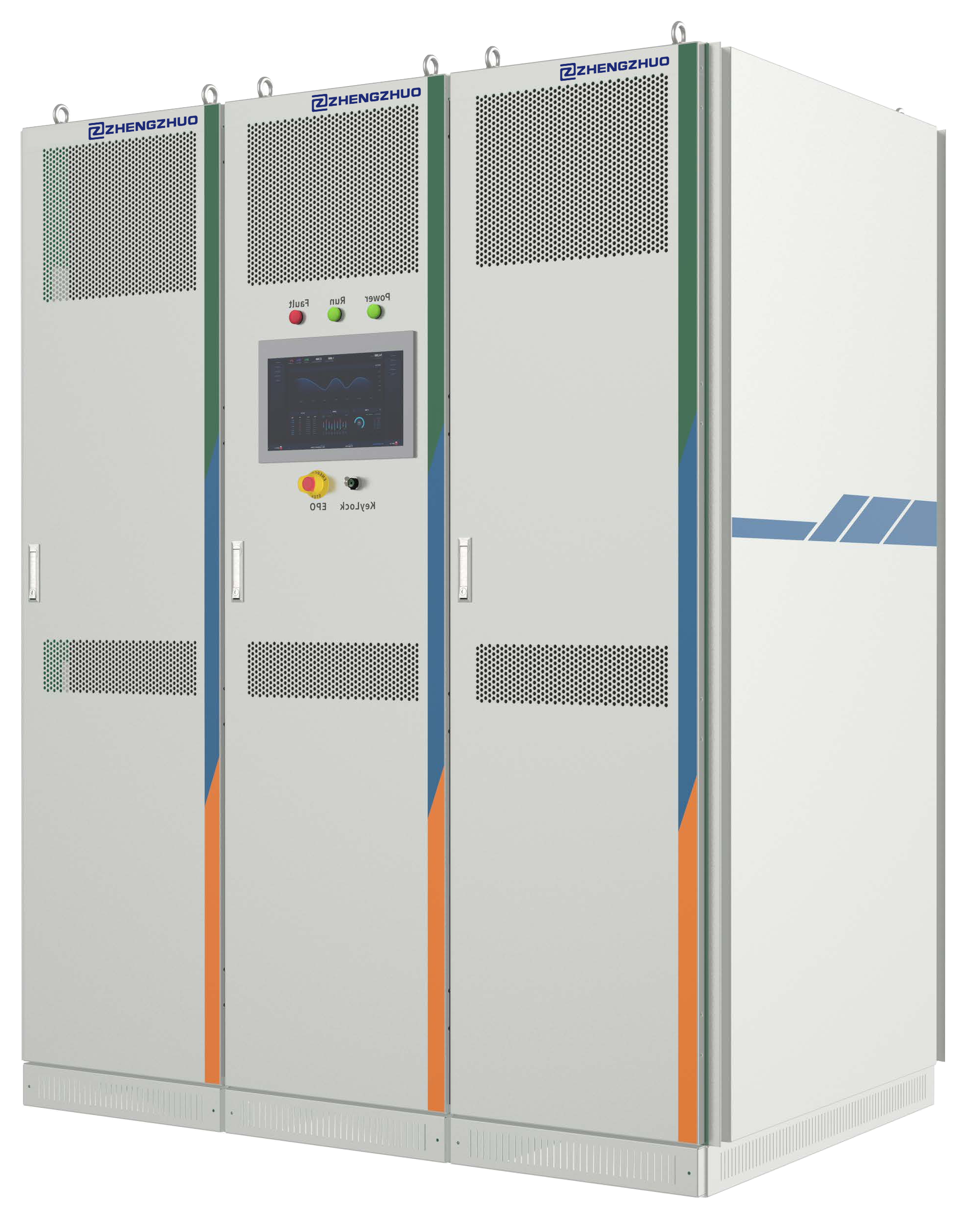
IGBT Hydrogen Production Power Supply - High Power Air Cooling
Beijing Zhengzhuo Engineering Technology Co., Ltd.
Quick-Change Single-Seat Control Valve / Quick-Change High-Pressure Single-Seat Control Valve
Beijing Consen Automation Technology Co., Ltd.