Curtin University Malaysia Develops Floating Photovoltaic Cell Temperature Model with 11/12 Prediction Success Rate
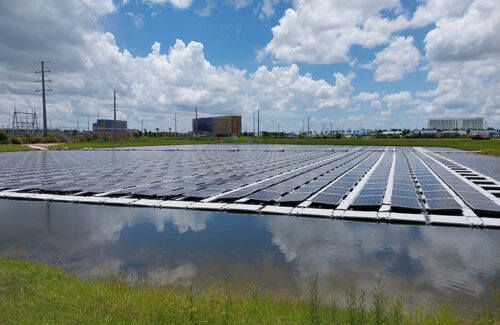
en.Wedoany.com Reported - A research team at Curtin University Malaysia has developed a simplified cell operating temperature model for floating photovoltaic (FPV) systems. The model is compatible with existing nominal operating cell temperature (NOCT) models, allowing it to be integrated into existing photovoltaic software.
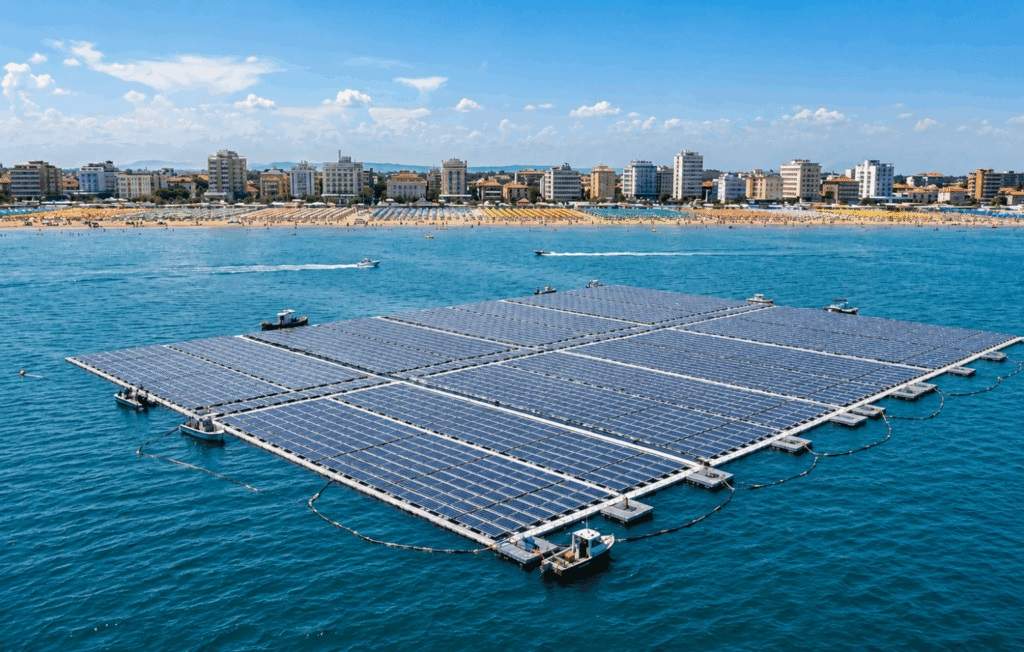
Ramanan Chidambaram Jayaraj, corresponding author of the team, stated that the FPV-NOCT model builds on the standard NOCT photovoltaic model by incorporating water temperature to estimate the temperature of solar cells floating on water bodies. Its key advantage lies in remaining compatible with existing photovoltaic temperature models, requiring only water temperature as additional data while preserving the simplicity of the original NOCT framework. Jayaraj noted that he is currently refining the model to improve prediction accuracy and plans to extend the development of cell temperature models to emerging solar cell technologies.
During the research, the team combined field measurements, computational fluid dynamics (CFD), statistical analysis, and theoretical modeling. They first collected data every minute at two custom-built FPV systems in Malaysia, using 100-watt modules installed at heights of 250 mm and 800 mm above the water surface, respectively. The team used these measurements to derive experimental regression models and validated a two-dimensional CFD model developed in Ansys Fluent.
Next, the team used Taguchi statistical analysis to generate 10-factor and 7-factor CFD regression models to evaluate the influence of environmental and design variables. Based on these results, the researchers developed a NOCT model specifically tailored for FPV, which incorporates the ambient water temperature difference, and further added a version with a wind correction factor.
The researchers compared five models—the experimental regression model, the 10-factor and 7-factor CFD-Taguchi regression models, the FPV-NOCT model, and the FPV-NOCT model with wind correction factor—against experimental data. They then validated the most robust candidate models, particularly the FPV-NOCT model, using independent FPV datasets from Passaúna Lake in Brazil and from Windsor and Oakville in California. The base FPV-NOCT model demonstrated the best overall performance. Jayaraj explained that in testing against floating photovoltaic data from Passaúna Lake, the model successfully predicted observed cell temperatures in 11 out of 12 months, while the version incorporating the wind correction factor successfully predicted all 12 months. Similar patterns were observed at Windsor and Oakville, where the FPV-NOCT model achieved a prediction accuracy of 92.3% in one case. For photovoltaic systems floating on water bodies, the proposed model outperformed the standard NOCT cell temperature model.
The findings were published in the journal Solar Energy under the title "Water cooling effect in solar cell temperature estimation for floating photovoltaics modeling."
Related Products

HI-Pro Green Hydrogen High-efficiency Production System-HI-PRO-AEM
Hydrizon Technology (Beijing) Co., Ltd.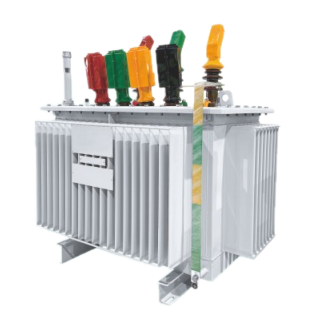
IS(B)□-M·RL Series Oil-immersed 3D Transformer (Planar / 3D Wound Core)
Guangdong Kehua Electric Power Technology Co., Ltd.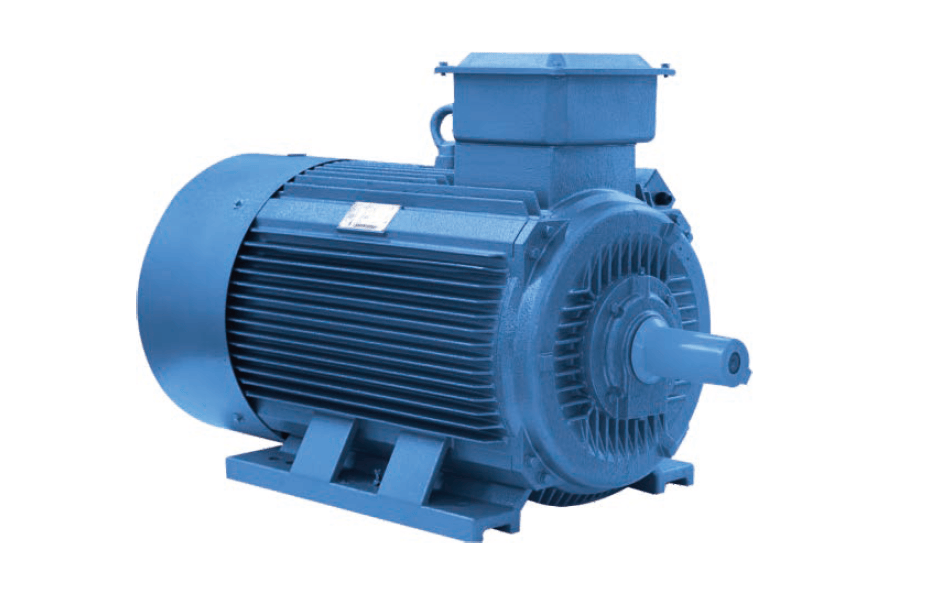
TYC Series High-Efficiency Permanent Magnet Synchronous Motor
Xiangdian Smart Energy Technology Co., Ltd.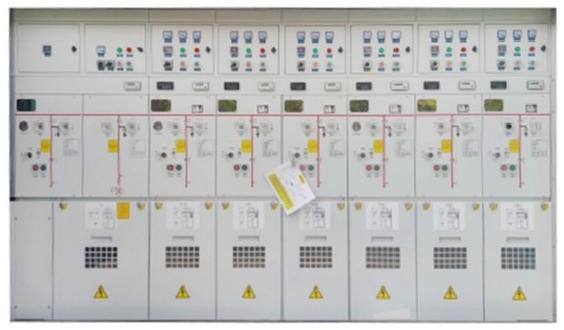
NISELA Series Environmentally Friendly Gas-Insulated Ring Main Unit
XJ DELISHIER ELECTRIC CO., LTD.

Hydrogen Production Technology: Hydrogen Purification by Pressure Swing Adsorption
Chengdu Yizhi Technology Co., Ltd.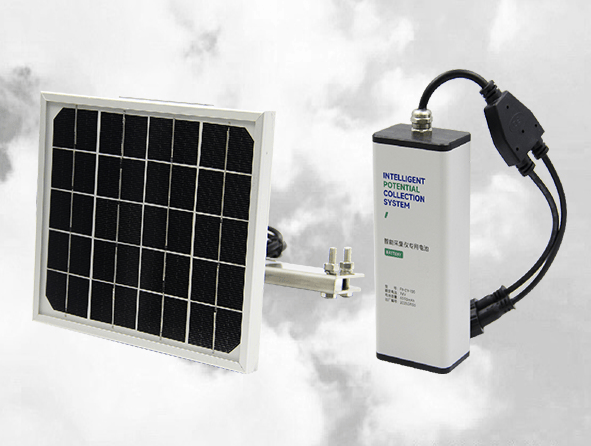
Inductive Power Harvesting Self-Powered Device - Safuneng
SELF ENERGY TECHNOLOGY (SHENZHEN) CO., LTD.

Mineral-insulated Compact Busway (Fire-resistant Busduct)
Zhuhai Guangle Electric Busway Co., Ltd.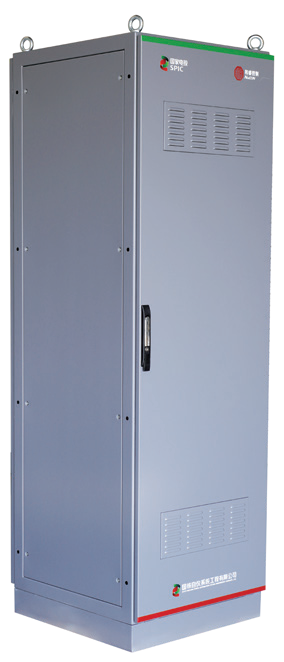
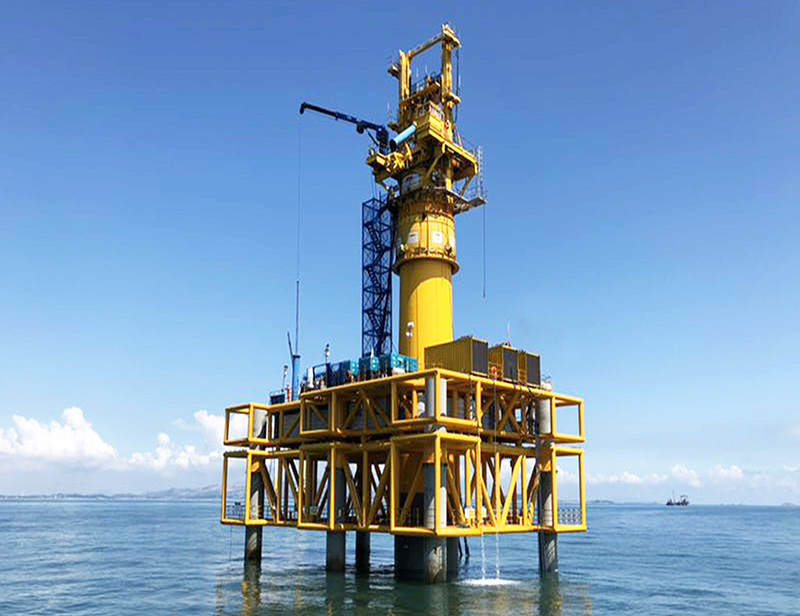
CITIC Heavy Industries Offshore Wind Power Equipment Hydraulic Pile Hammer
CITIC Heavy Industries Co., Ltd.