BASF Launches Three Certified Biomass-Balanced Additives for Architectural Coatings
en.Wedoany.com Reported - BASF has launched three new additives—Dispex AA 4145 MB, Rheovis PU 1333 MB, and Rheovis HS 1169 MB—further expanding its certified biomass-balanced (BMB) product portfolio for architectural coatings. These products have received REDcert² certification and are designed to help coating manufacturers reduce their product carbon footprint (PCF) while maintaining high performance levels without the need to adjust formulations.
Biomass-balanced (BMB) products reduce carbon emissions by decreasing the demand for fossil-based raw materials. At the start of the value chain, fossil-based raw materials are replaced with certified renewable resources. Based on the mass balance approach, a corresponding quantity of renewable content is attributed to the product. These BMB products are independently certified by REDcert² and have the same properties as conventional products. According to BASF's PCF methodology layer, BMB products have a lower product carbon footprint compared to conventional products.
Sylvain Huguenard, Senior Vice President of Global Additives at BASF, stated that with the launch of these biomass-balanced products, coating manufacturers can reduce their carbon footprint without adjusting formulations. Particularly in interior architectural applications, where sustainability expectations are rising, BASF's solutions help customers achieve carbon footprint reduction targets while maintaining performance.
In architectural coating applications, Dispex AA 4145 MB optimizes pigment wetting for high-quality finishes, while Rheovis PU 1333 MB and Rheovis HS 1169 MB provide controlled rheology and application behavior across a wide range of formulations.
These new products are available globally and are supported by BASF's technical support team, ensuring easy integration into existing systems.
Product carbon footprint (PCF) is the sum of greenhouse gas emissions and removals of one or more selected processes in a product system, expressed as CO₂ equivalents, and based on selected stages or processes within the life cycle (see ISO 14067:2018).
For biomass-balanced products, BASF replaces 100% of the fossil-based raw materials required for production with renewable resources in its integrated production. Renewable carbon cannot be physically identified in the final product, but based on an externally certified mass balance method, the renewable share is fully attributed to the product. The basic definition of chain-of-custody models, including mass balance, is specified by ISO standard 22095.
Related Products

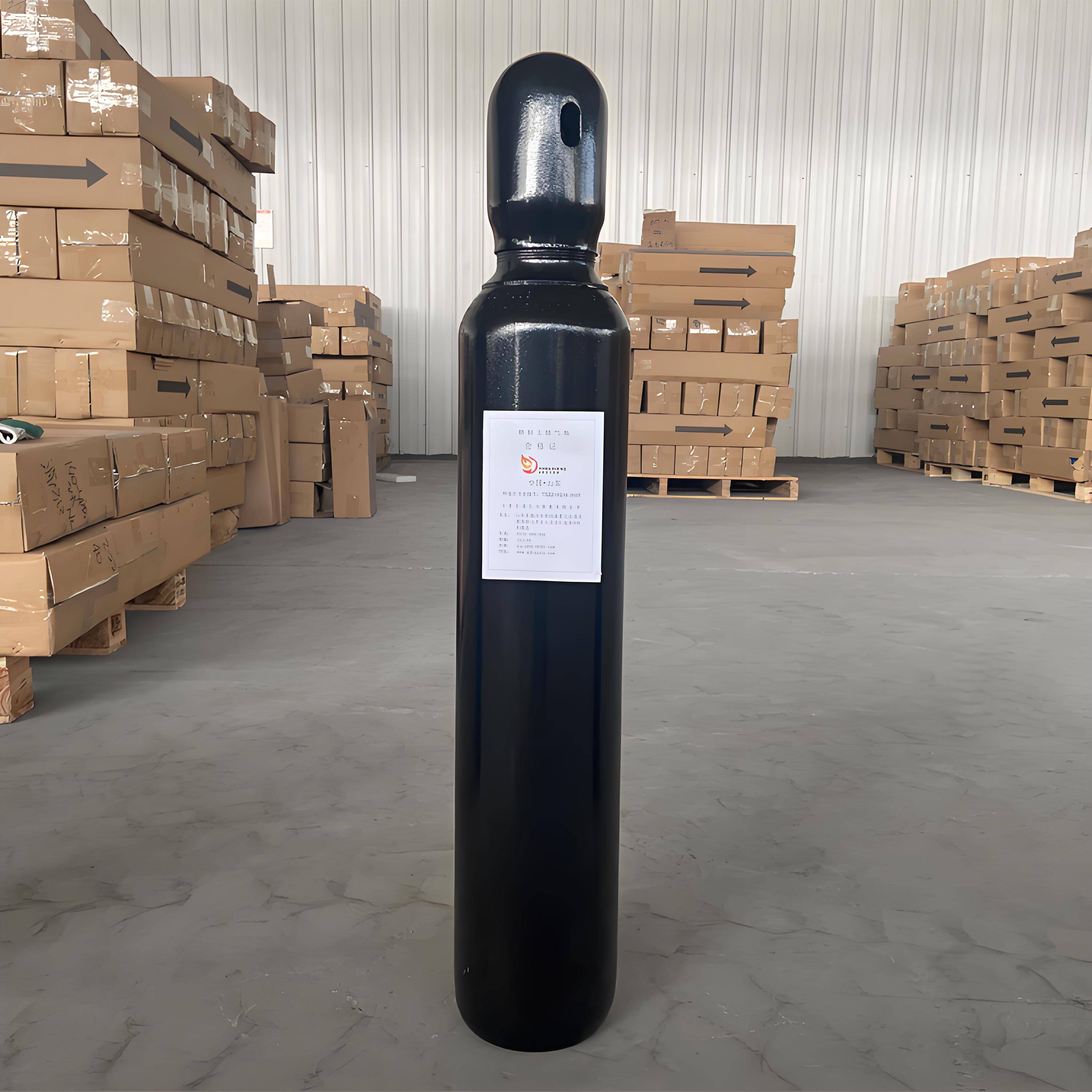
Nitrogen Export, Nitrogen Manufacturer, High-purity Nitrogen Supplier
Foshan Yuexin Industrial Gas Co., Ltd.
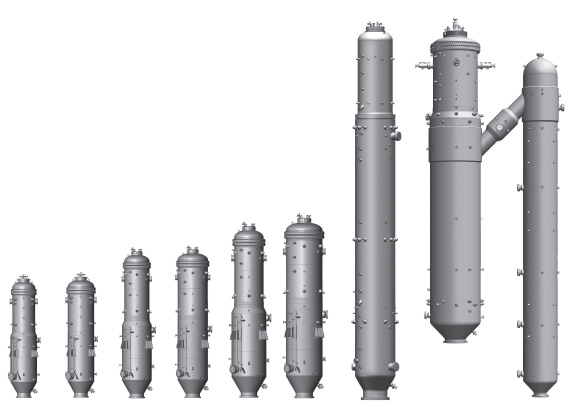
Gasification Furnace Series: Freely Combinable Aerospace Furnace
CHANGZHENG ENGLINEERING CO., LTD.
New Environmentally Friendly Green Potassium Salt Collector
Chonfar Engineering and Technology Co., Ltd.
Industrial and Commercial Point-Type Gas Detector
Jinan Benan Technology Development Co., Ltd.