New Process Developed by Texas A&M University Converts Methane into Graphene Oxide
en.Wedoany.com Reported - A team at Texas A&M University has developed a new process to directly produce graphene oxide from methane, offering a scalable alternative to traditional high-cost manufacturing routes.
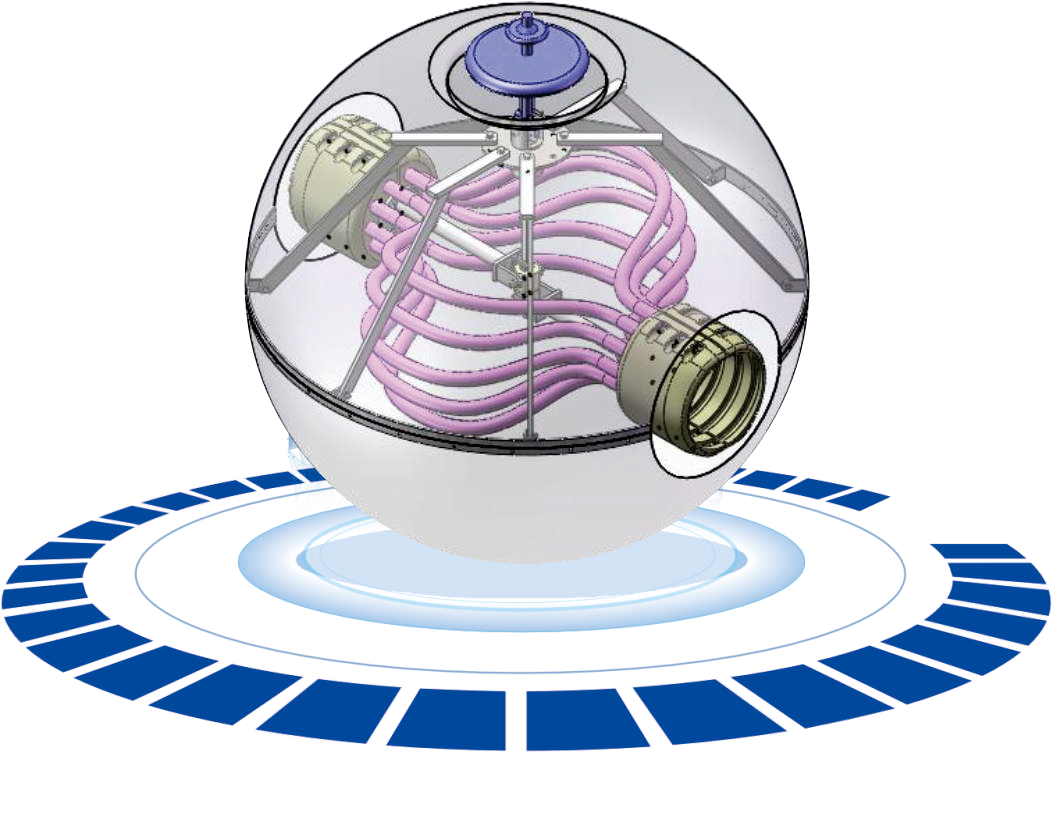
The study, published in Nature Communications, describes a complete process that uses a non-thermal plasma-water interface to convert methane, the primary component of natural gas, into high-purity graphene oxide while simultaneously generating hydrogen. The project was led by Dr. David Staack, associate professor in the J. Mike Walker '66 Department of Mechanical Engineering and associate vice president for research at Texas A&M University. According to the research team, this achievement originated from a project initially focused on hydrogen production.
Traditional graphene oxide production typically starts from mined graphite and relies on chemical-intensive processing. The new method, however, builds graphene oxide directly from methane molecules, representing a fundamental difference in the preparation pathway.
Graphene oxide is a carbon nanomaterial widely used in lithium-ion batteries, electronics, coatings, composite materials, and advanced manufacturing. Researchers noted that the current supply chain for graphite and its derivative materials in the United States remains relatively limited, increasing attention on alternative production technologies.
The research team reported that the graphene oxide produced via the plasma process exhibits performance comparable to commercially available products. The study also demonstrated a method for scalable production of high-purity monolayer graphene oxide under atmospheric conditions.
Dr. Micah Green, professor of chemical engineering and associate department head, as well as co-principal investigator on the project, stated that this work represents the first reported scalable production of graphene oxide from a natural gas precursor. He noted that the process aligns with the industry's overall direction of converting petrochemical feedstocks into high-value carbon nanomaterials rather than carbon emissions.
Researchers indicated that this technology could support future domestic production of carbon nanomaterials while creating new opportunities in energy storage, electronics, and advanced manufacturing. The project was supported by LTEOIL, an energy company based in College Station, Texas. The process produces hydrogen while converting carbon into graphene oxide, achieving a pathway to obtain both advanced materials and energy from the same feedstock.
Related Products
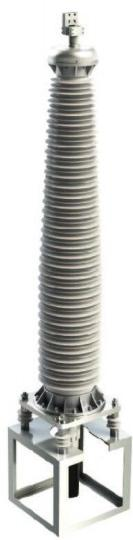

220kV Composite Outdoor Cable Terminal
Shenyang Guolian Cable Accessories Manufacture Co., Ltd.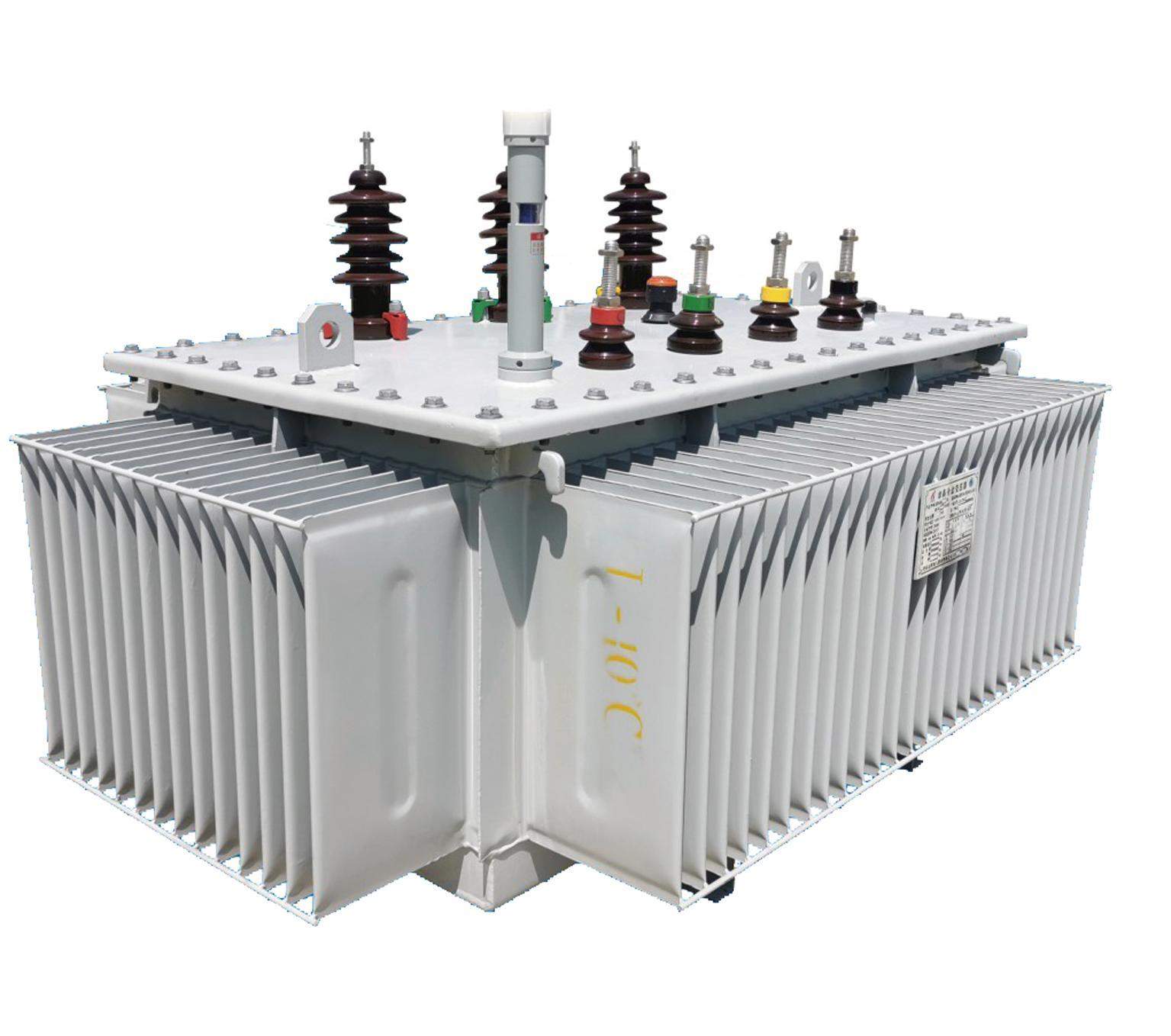
S(B)H15 Type (Energy Efficiency Level 3) Oil-Immersed Amorphous Alloy Core Distribution Transformer
Henan Longxiang Electric Co., Ltd.
1000kV Jin Southeast-Nanyang-Jingmen UHV AC Transmission and Transformation Pilot Demonstration Project
Anhui Hongyuan Steel Tower Co., Ltd.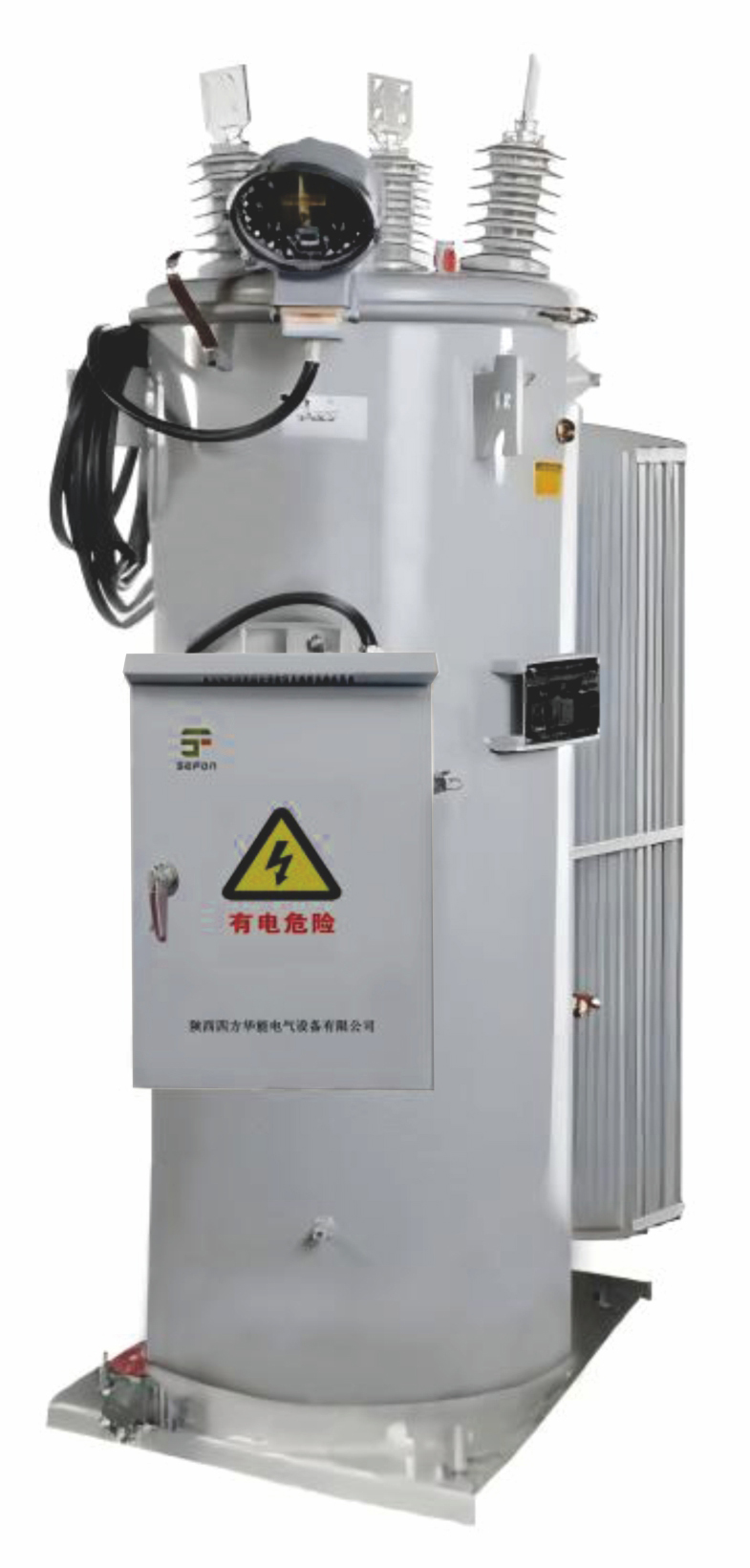
Single-Phase Automatic Voltage Regulator(AVR)
Shaanxi Sefon Electrical Equipment Co.,Ltd.
Quick-Change Single-Seat Control Valve / Quick-Change High-Pressure Single-Seat Control Valve
Beijing Consen Automation Technology Co., Ltd.

Smart Photovoltaic Prefabricated Substation
Shanghai Jinyou Jinhong Intelligent Electric Co., Ltd.
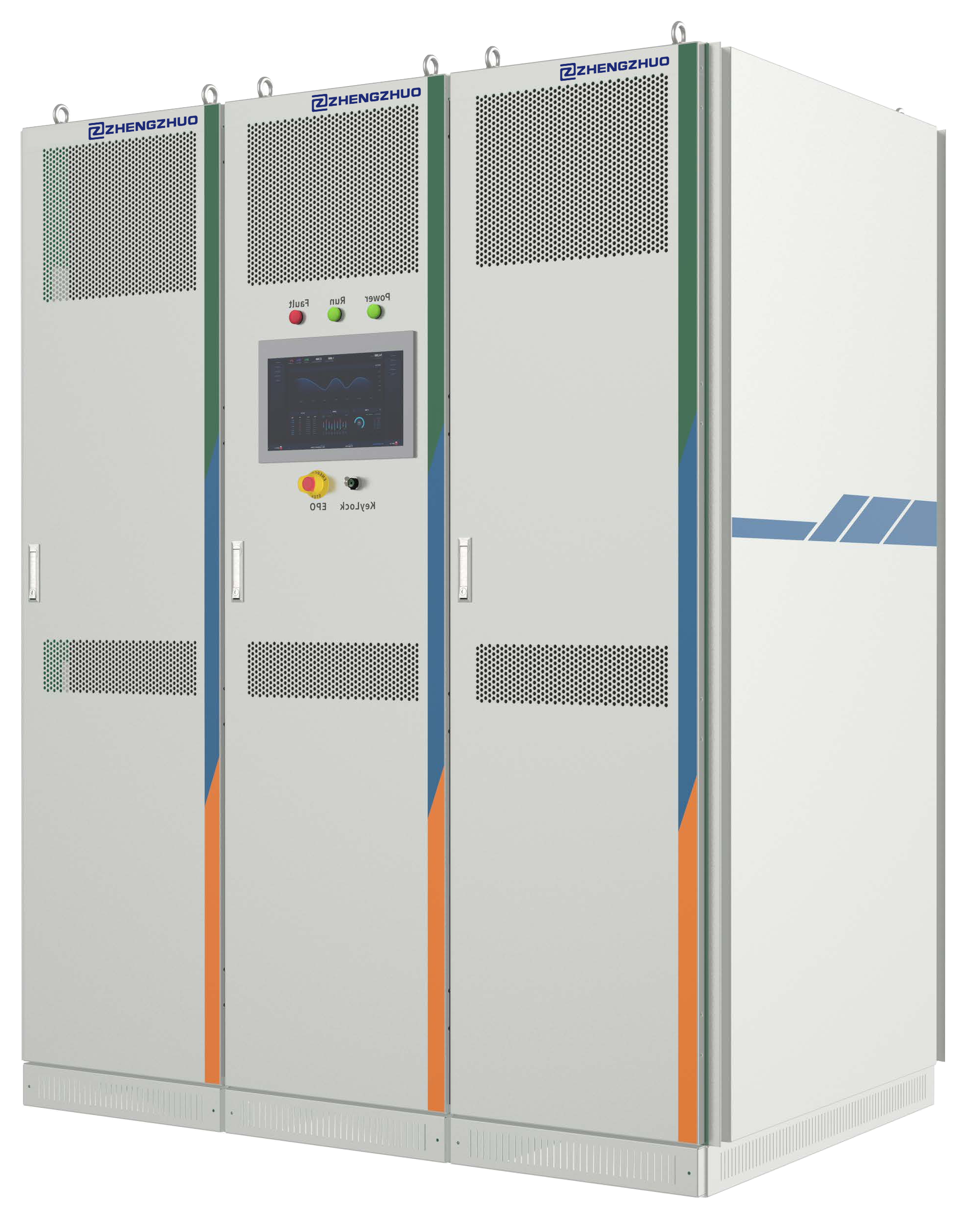
IGBT Hydrogen Production Power Supply - High Power Air Cooling
Beijing Zhengzhuo Engineering Technology Co., Ltd.