ElementUSA Invests $850 Million to Recover Rare Earths and Critical Metals from Red Mud
en.Wedoany.com Reported - As the global energy transition, automotive electrification, and the development of artificial intelligence drive surging demand for rare earths and rare metals, North American aluminum and waste management companies are accelerating the recovery of critical materials such as scandium, gallium, and rare earths from bauxite residue (red mud). ElementUSA plans to invest $850 million to build a facility with an annual capacity of 1 million tons of scandium, gallium, and rare earths. Rio Tinto has successfully extracted its first batch of primary gallium and is planning a commercial-scale capacity of 40 tons per year. Alcoa and METLEN are also advancing their respective gallium production projects. These initiatives aim to reduce the United States' complete reliance on imports for rare earths and critical metals, with China currently providing over 90% of global rare earth processing and refining and 98% of primary gallium supply.
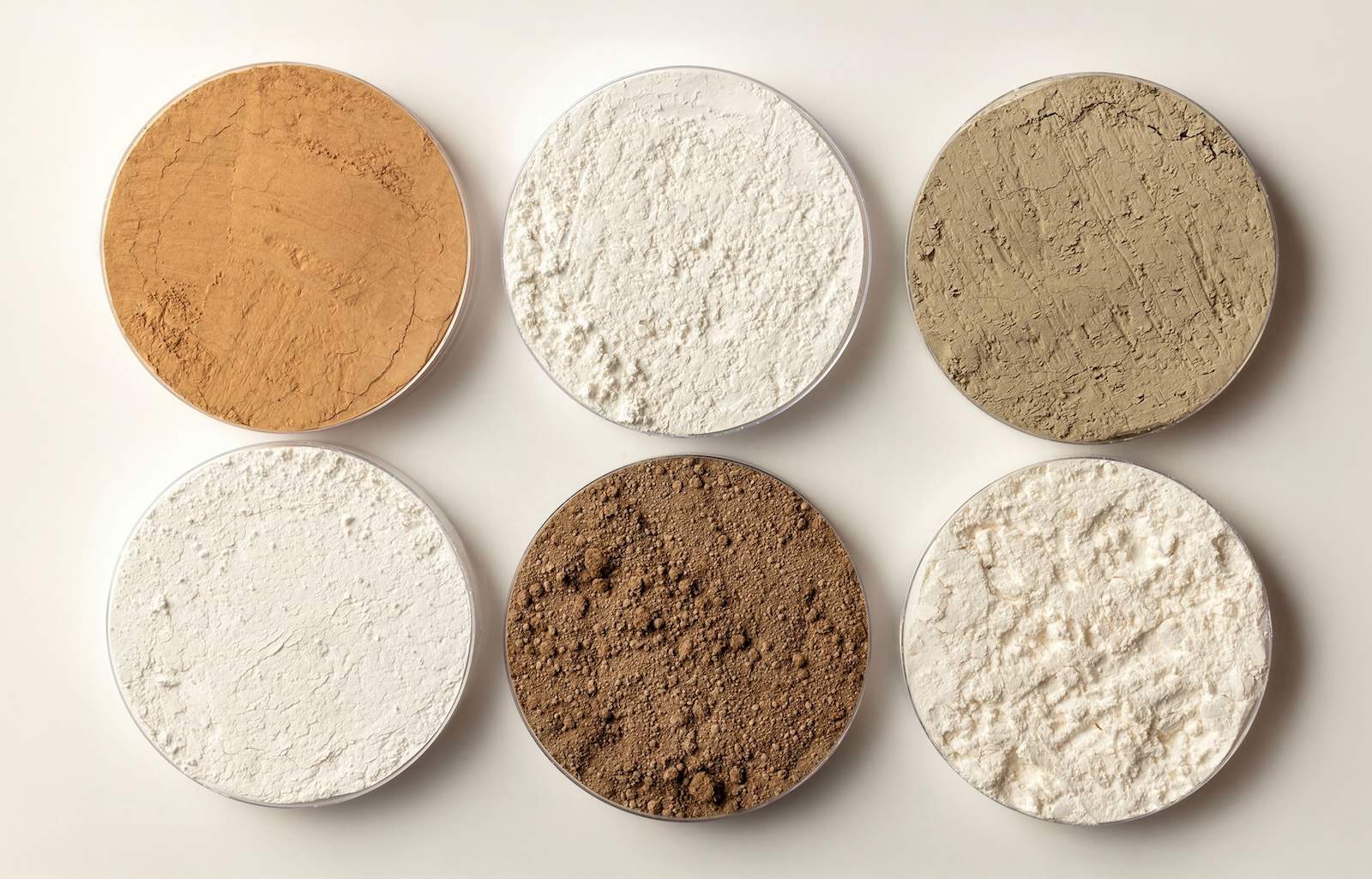
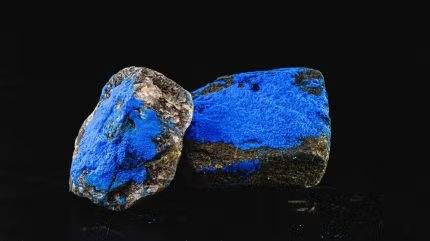
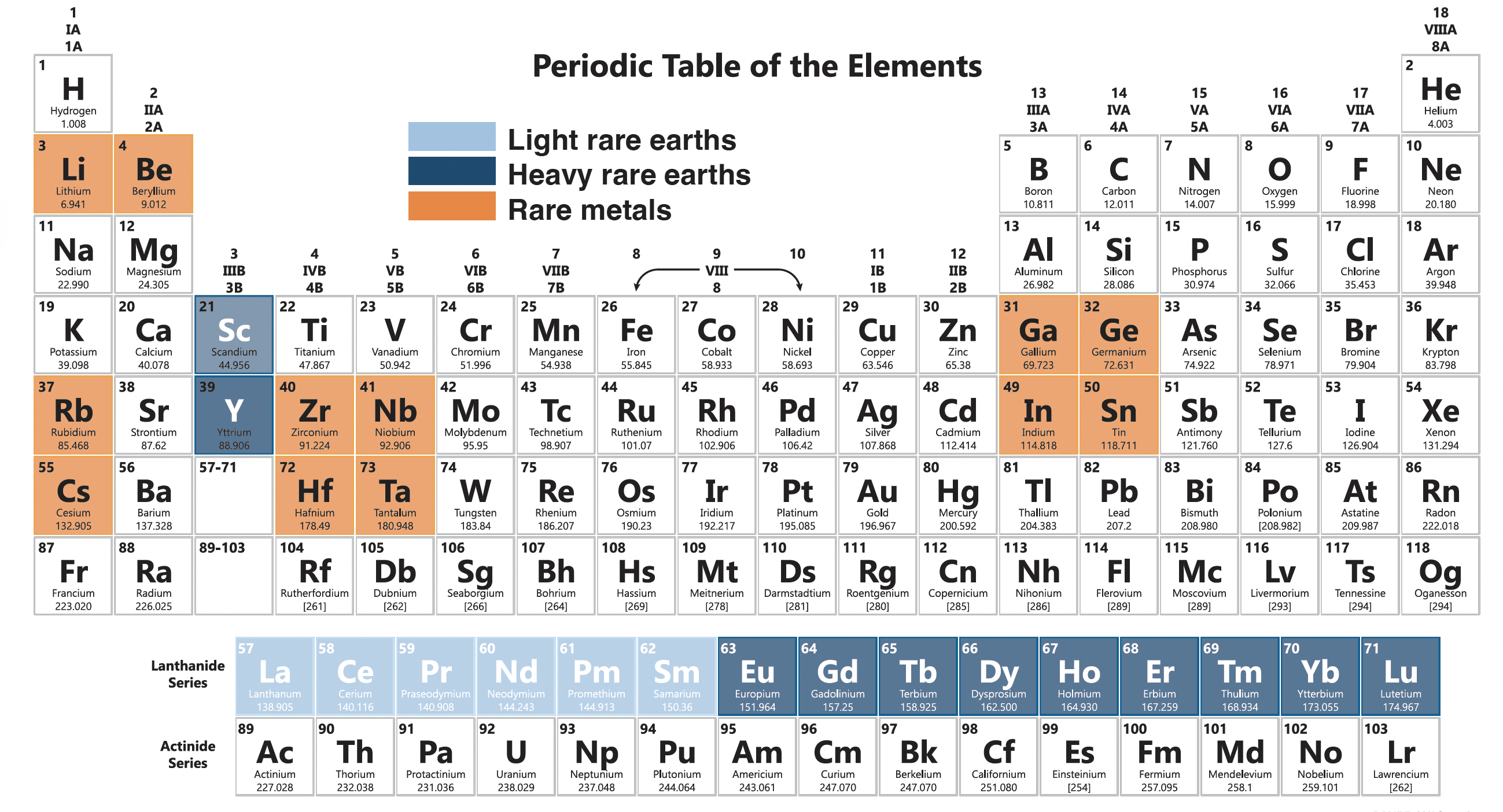
Rare earth elements are a group of 17 soft heavy metals, including 15 lanthanides as well as scandium and yttrium, typically classified into light and heavy rare earths. Scandium is most critical to the aluminum industry, used in aerospace aluminum alloys to improve fuel efficiency, corrosion resistance, and fatigue resistance. Researchers Wu et al. found that rare earth elements can reduce the grain size of aluminum alloys by up to 50%, increase tensile strength, and improve high-temperature stability. Lithium and gallium are also strategically important: lithium is used in lithium-ion batteries, with battery applications accounting for 87% of total lithium demand in 2024; gallium offers significant advantages in compound semiconductors and integrated circuits, with China currently mining and producing 98% of the world's primary gallium supply.
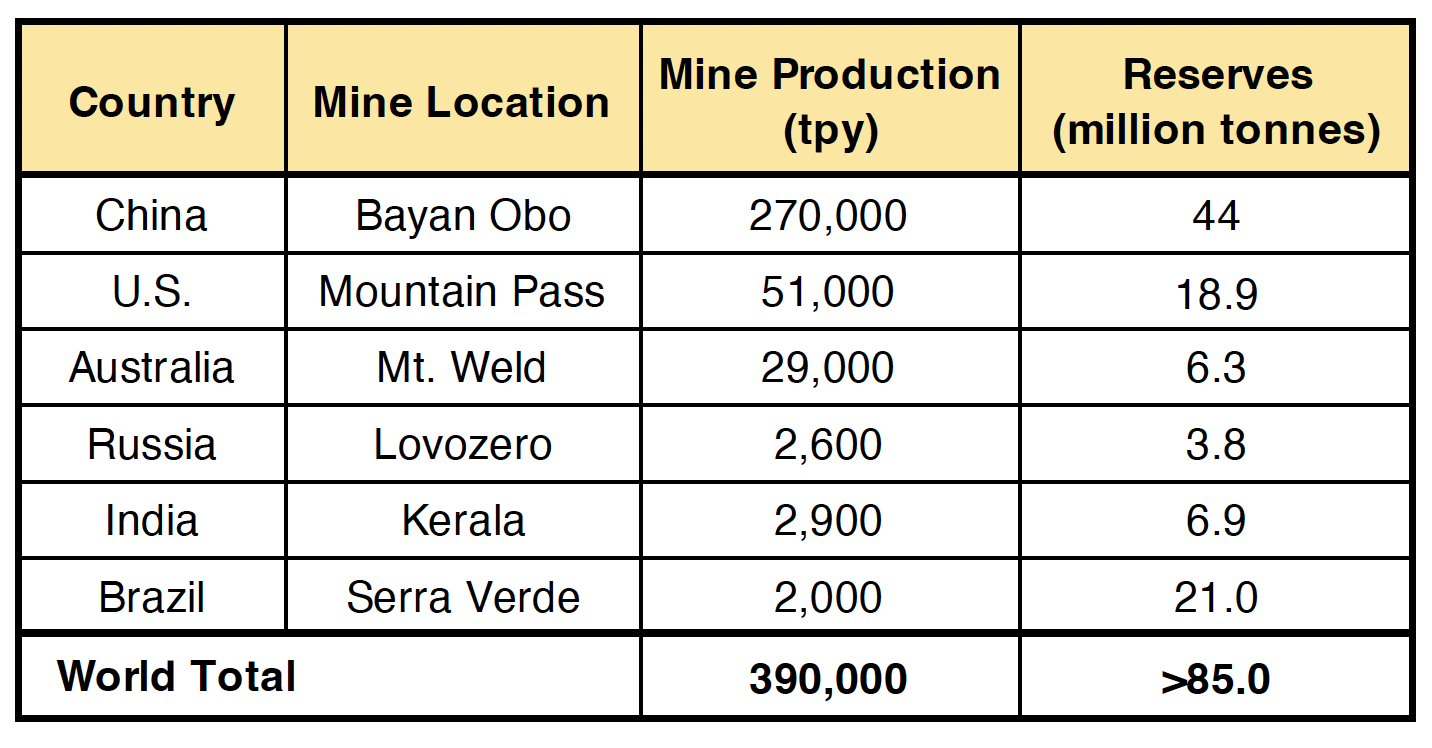
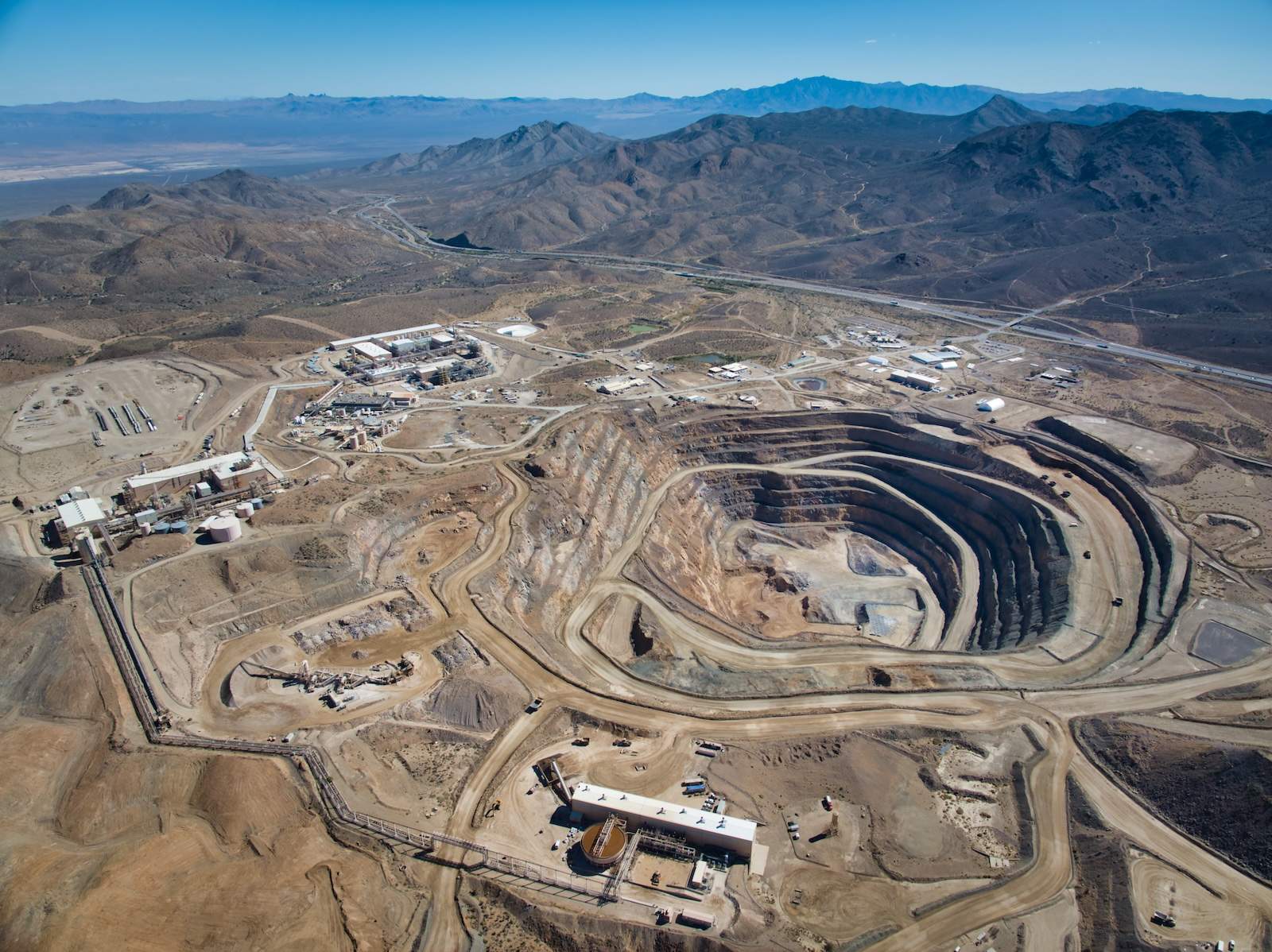
The term "rare earth" originates from the challenge of extracting these elements, not their crustal abundance. China provides over 90% of rare earth processing and refining, with global high-grade deposits primarily limited to China, the United States, Australia, Russia, India, and Brazil. According to USGS data, in 2025, China's rare earth mine production was 270,000 tons, with reserves of 44 million tons; U.S. production was 51,000 tons, with reserves of 1.9 million tons. The United States is the second-largest rare earth producer, with its Mountain Pass mine operated by MP Materials Corp., which as of 2022 had proven and probable reserves of 18.9 million tons of ore containing approximately 1.36 million tons of rare earth oxides at an average grade of 7.06%, producing 42,000 to 43,000 tons of rare earth concentrate annually, accounting for over 15% of global production. The U.S. is actively investing in new projects, including the Round Top Mountain open-pit mine in Texas, acquired by USA Rare Earth from Texas Mineral Resources, expected to extract nearly 40,000 tons of rare earth and critical mineral raw materials daily by 2030. Rare Element Resources Ltd. began operating its rare earth processing and separation demonstration plant in Upton, Wyoming, in March 2026 and is advancing the Bear Lodge rare earth project. REalloys subsidiary Terves LLC received a contract from the Defense Logistics Agency to develop modular samarium and gadolinium production, targeting an annual output of 300 tons, and is collaborating with the Saskatchewan Research Council to build the largest heavy rare earth metallization plant outside of China. Canada opened its first rare earth mine, Nechalacho, in June 2021, operated by Vital Metals, producing 28,000 tons of ore from the North Tardiff pit as of September 2021, with measured and indicated resources in the Tardiff zone of 192.7 million tons at a total rare earth oxide (TREO) grade of 1.3%, containing 2.5 million tons of TREO. A 2025 preliminary study found that Tardiff could produce 56,000 tons of rare earth concentrate annually over an initial 11-year mine life, with grades of 26.4% TREO and 3.3% niobium oxide. The country has over 20 active rare earth projects, with total reserves and resources of 15.2 million tons of rare earth oxides.
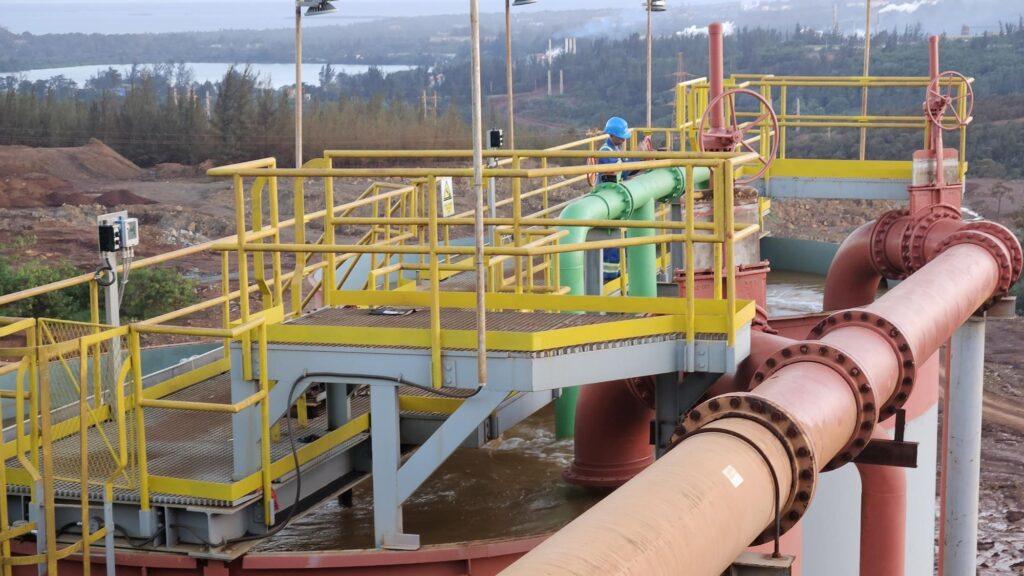
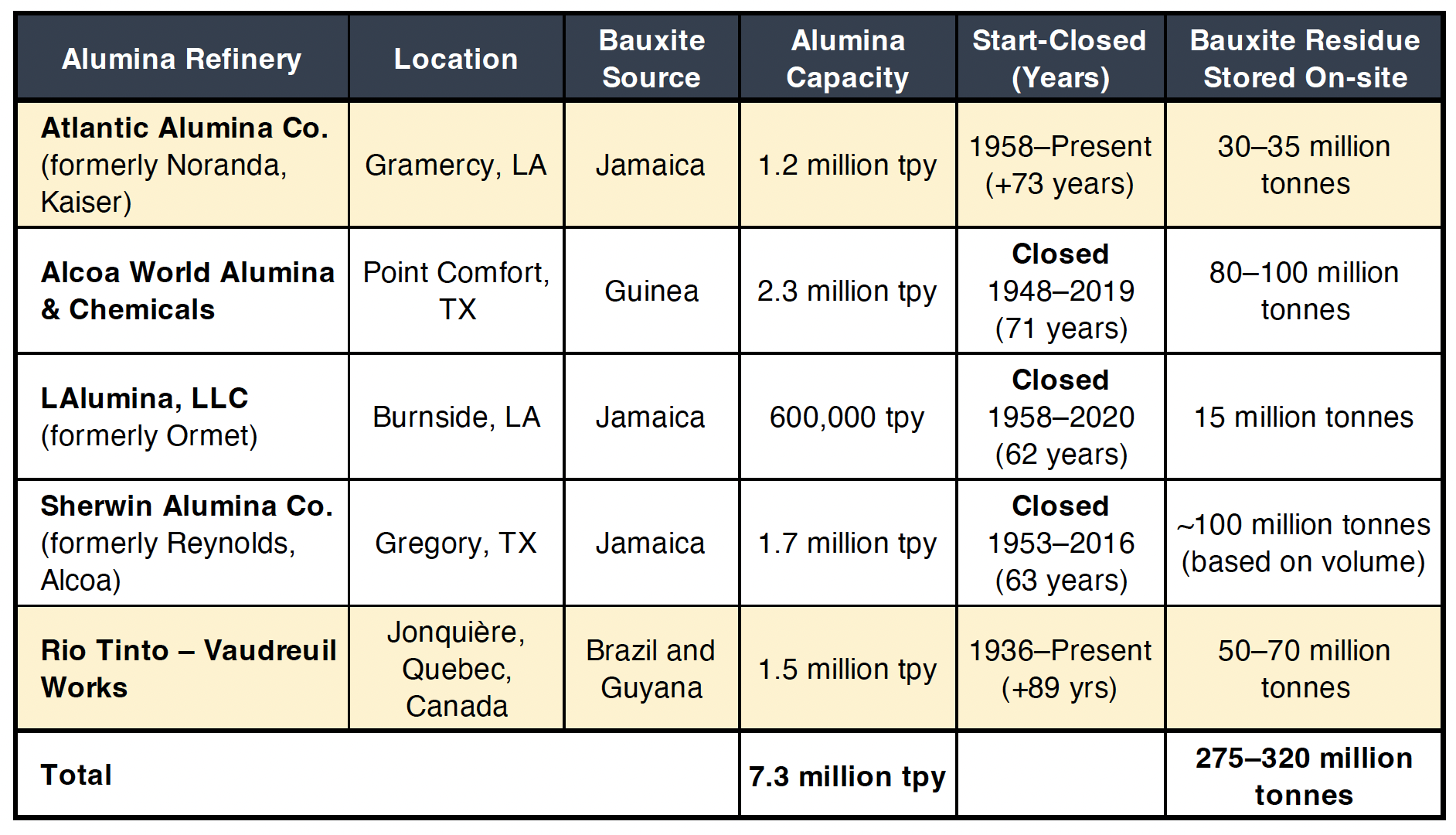
Bauxite residue (red mud) is a byproduct of the Bayer process for alumina production, generating approximately 1.23 tons of red mud per ton of alumina produced, with global annual generation exceeding 170 million tons and cumulative amounts exceeding 3 to 4 billion tons. In 2016, five alumina refineries operated in North America; by 2026, only Atlantic Alumina Company (Atalco) in Gramercy, Louisiana, and Rio Tinto's Vaudreuil plant in Jonquière, Quebec, Canada, are expected to continue operations. The Atalco refinery, commissioned in 1957, has a monthly alumina capacity of 100,000 tons, with red mud accumulated over 30 years stored in six tailings ponds. The company invested $30 million to install Diemme Filtration GHT2500F filter presses, achieving over 73% dryness and 60% dry stacking output by mid-2025, reducing environmental risk by over 35%. Rio Tinto's Vaudreuil plant, established in 1936, produces 1.5 million tons of alumina annually, generating approximately 1 million tons of bauxite residue per year, with stored amounts exceeding 40 to 70 million tons. It invested CAD 250 million to build a filtration and optimization plant equipped with four 85-ton Diemme dewatering filter presses. The concentration of rare earth elements in red mud ranges from 500 to 1700 ppm (0.05 to 0.17 wt.%), two to three times higher than the Earth's crust due to enrichment during the Bayer process, primarily containing cerium (300 to 700 ppm), lanthanum (80 to 150 ppm), neodymium (90 to 130 ppm), scandium (120 to 390 ppm), and yttrium, with scandium accounting for up to 95% of the economic value of rare earths.
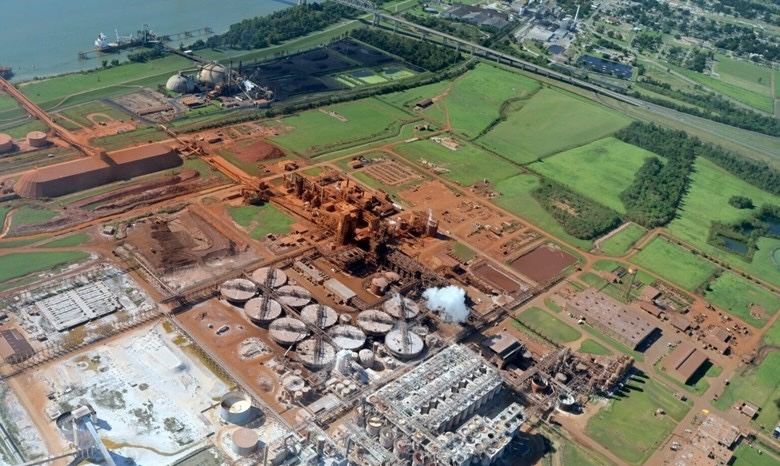
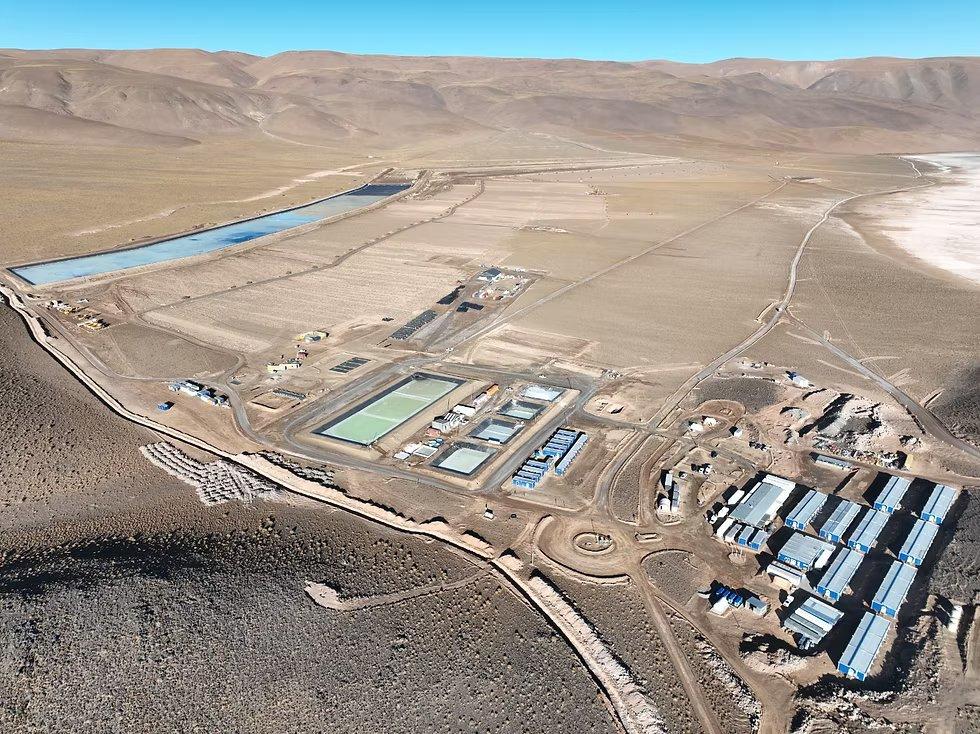
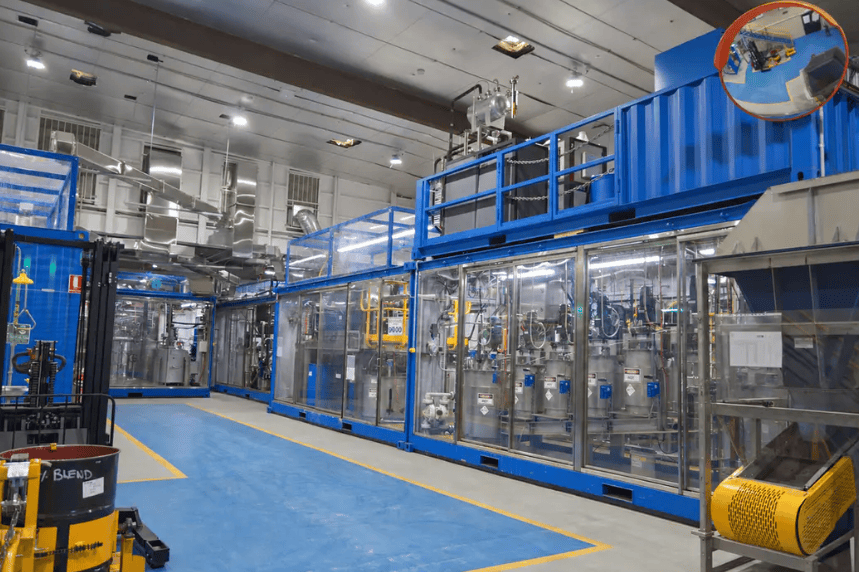
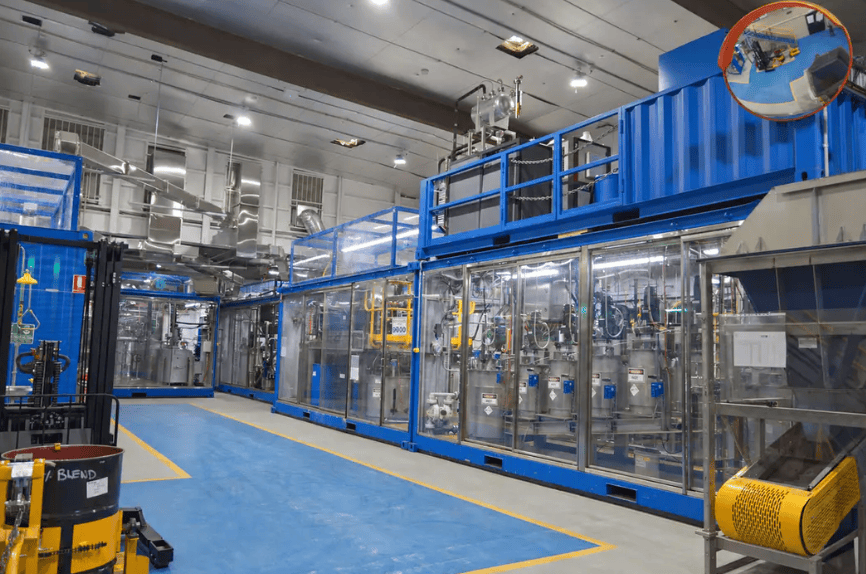
ElementUSA first announced plans in 2021 to recover rare earths and critical metals from red mud stored at Atalco's Gramercy refinery. It is building an $850 million recovery, separation, and beneficiation facility near the refinery, targeting an annual capacity of 1 million tons of scandium, gallium, and rare earths. In September 2025, the company established a 30,000-square-foot Critical Resources Accelerator in Cedar Park, Texas, achieving extraction rates of 50% for rare earths and 30% for scandium, with a goal of zero solid waste. With 35 million dry tons of reserves, the Gramercy refinery can sustain approximately 30 years of rare earth extraction. ElementUSA signed a contract with LAlumina in September 2022 to process up to 15 million tons of red mud. In November 2025, the U.S. Department of Defense awarded ElementUSA $29.9 million to establish capabilities for extracting scandium and gallium from the Gramercy refinery, which will extract and purify up to 50 tons of gallium annually, becoming the first major primary gallium source in the United States. In December 2025, ElementUSA signed a binding letter of intent with Metallium, including up to $10.1 million in non-dilutive funding, to deploy flash joule heating technology. U.S. Critical Materials (USCM) signed a two-year sponsored research agreement with Columbia University in April 2026 to advance projects for producing gallium, scandium, titanium, and rare earths from red mud, studying red mud from different locations for characterization and process development.
Rio Tinto launched an R&D project in December 2024 to assess the potential for extracting and recovering gallium at the Vaudreuil alumina refinery, successfully extracting the first batch of primary gallium with Indium Corporation in May 2025. A pilot plant will be operational at the Saguenay refinery in 2027, with plans to build a demonstration plant at the same site with an annual capacity of up to 4 tons of gallium. The Canadian government conditionally approved up to CAD 18.95 million in non-repayable funding. A commercial-scale plant could produce up to 40 tons annually, representing 5 to 10% of current world gallium production, with the Quebec government providing up to CAD 7 million in financial support.
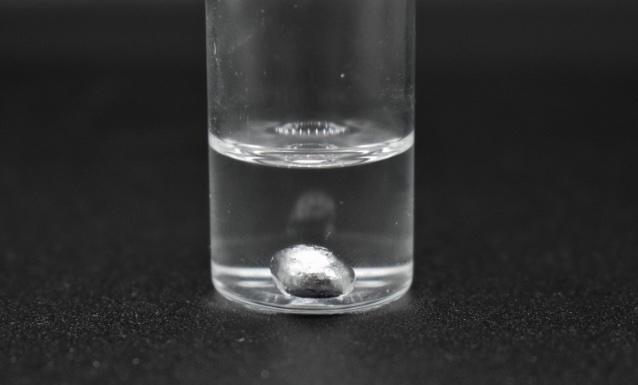
In other countries, Alcoa, together with the U.S. and Australian governments, announced plans in October 2025 to advance the development of a gallium plant at the Wagerup alumina refinery in Western Australia. A joint venture special purpose company will be formed with Japan Australia Gallium Co., Ltd. (a joint venture between the Japanese government and Sojitz Corporation) and operated by Alcoa, with the plant expected to produce 100 tons of gallium annually. METLEN Energy & Metals made a final investment decision in January 2025 to implement a EUR 295.5 million project at the Greek Aluminum plant in Saint Nicholas, targeting a total capacity of 2 million tons of bauxite, 1.26 million tons of alumina (currently 865,000 tons), and for the first time, 50 tons of gallium per year. The project will allow Europe to completely replace gallium imports, with the bauxite project scheduled for commissioning in 2026, and alumina and gallium production gradually starting in 2027, reaching full operation in 2028.
Related Products

Integrated Excavation and Anchoring Machine (EJM Series)
China Railway Construction Heavy Industry Corporation Limited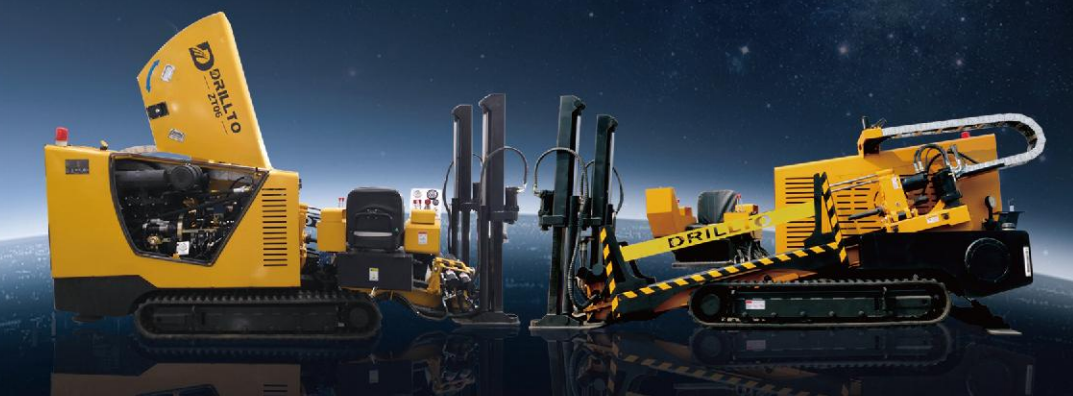
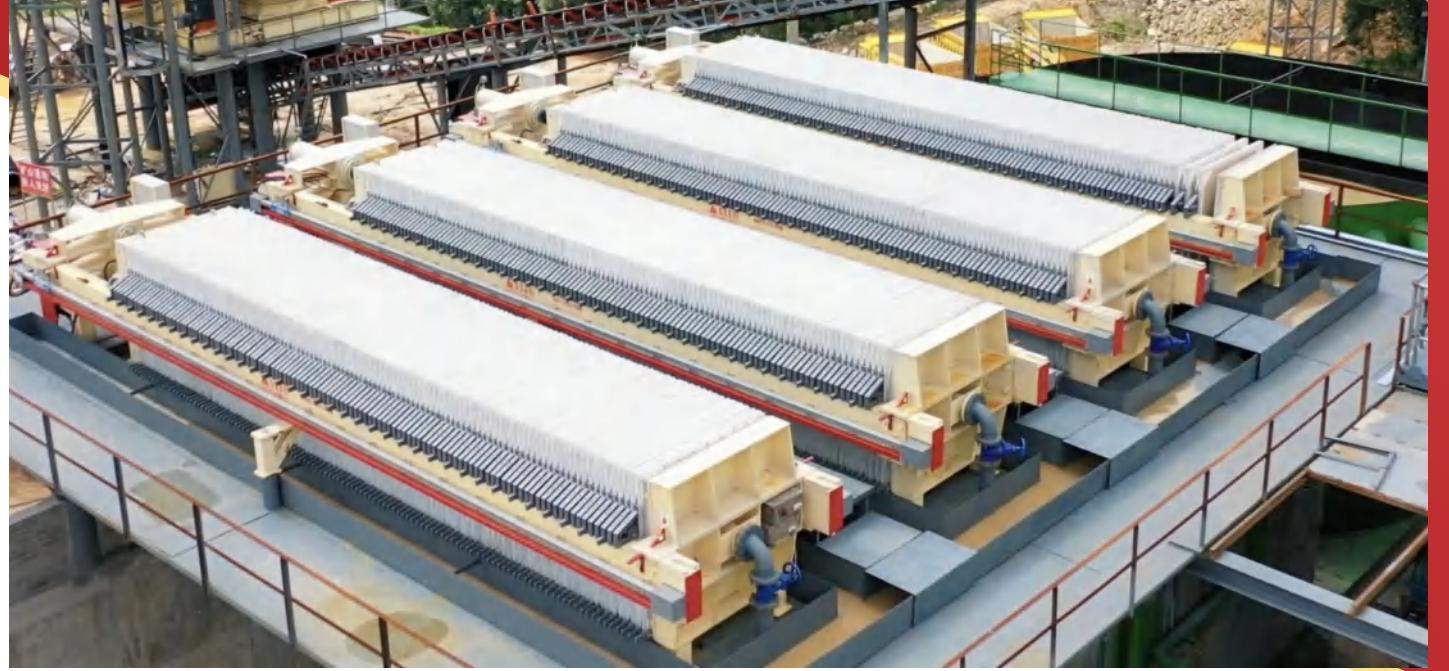
Hydraulic Plate and Frame Filter Press
Guangdong Leimeng Intelligent Equipment Group Co., Ltd.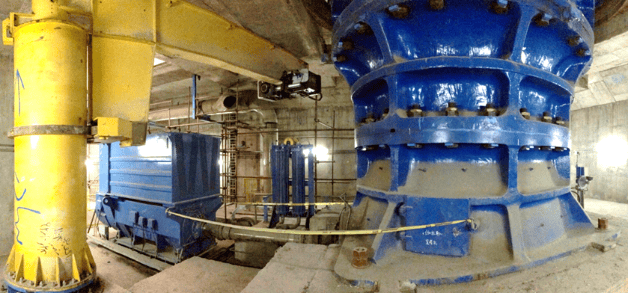
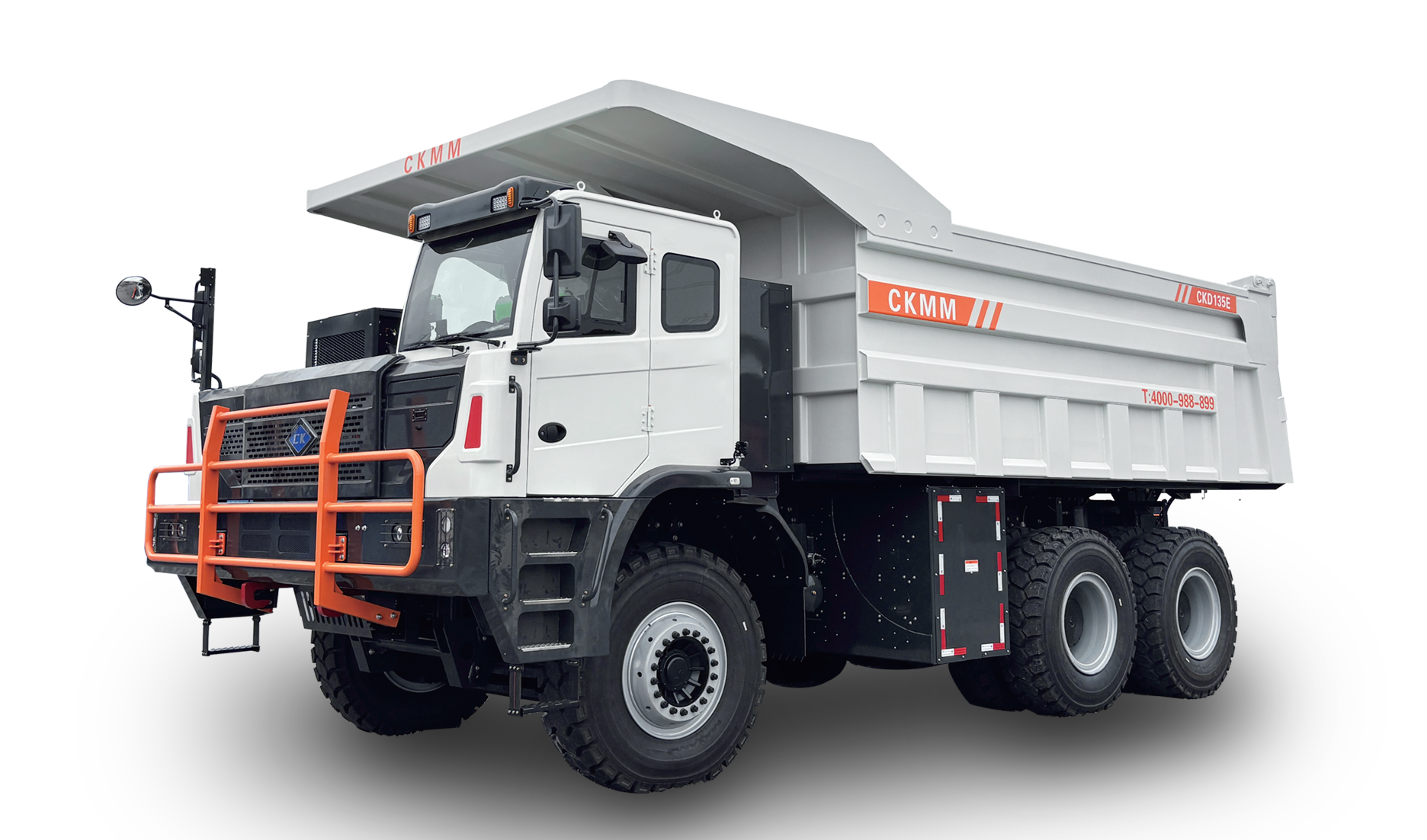
CKD135E Pure Electric Wide-body Dump Truck
Jiangsu Changkuang Engineering Machinery Co. Ltd.
High-temperature Equal Wall Thickness High-power Screw Drilling Tool
Orient Energy & Technologies Co., Ltd.
Core Technologies of the Mining Technology and Equipment Business Unit: Efficient Mining Methods and Processes
CHANGSHA INSTITUTE OF MINING RESEARCH CO., LTD.